

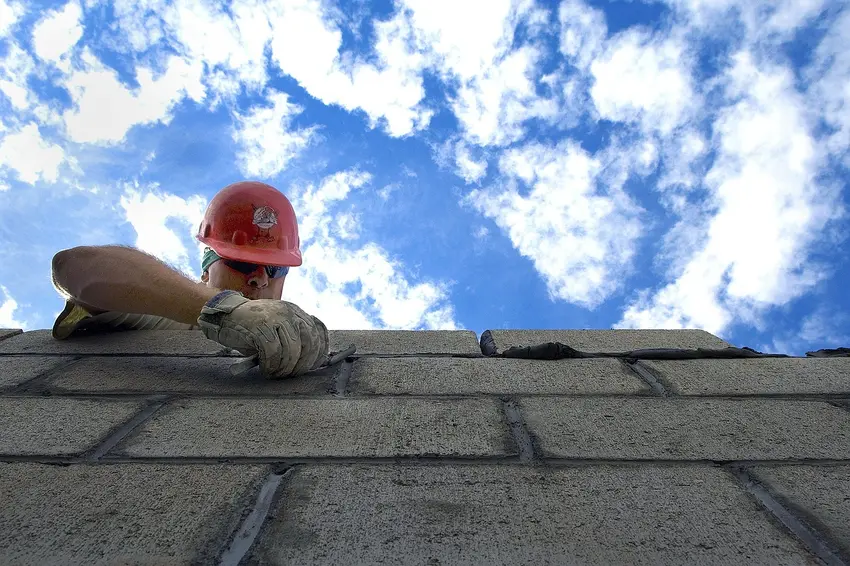

Switzerland Heatwave Work Rules Explained
Switzerland is facing increasing summer heatwaves, raising concerns about worker safety as temperatures exceed 30°C in many regions. Working in extreme heat is not just uncomfortable—it can also become a serious health risk. Heat stress can lead to dehydration, exhaustion, and in severe cases, medical emergencies.
Employer Responsibility in Switzerland
Under Swiss occupational safety rules, employers are legally responsible for protecting employees from health risks caused by extreme temperatures. They must assess workplace conditions and take appropriate preventive measures when temperatures rise above safe working levels.
What Happens During Heatwaves?
When temperatures exceed 30°C, employers are expected to take practical steps such as:
- Adjusting working hours to cooler parts of the day
- Increasing break frequency for outdoor workers
- Providing sufficient drinking water
- Ensuring shaded or cooled rest areas
These measures are especially important for construction workers, delivery staff, agricultural workers, and others exposed to direct sunlight.
Health Risks of Working in Heat
Prolonged exposure to high temperatures can cause:
- Heat exhaustion
- Heat cramps
- Dizziness and fatigue
- Loss of concentration, increasing accident risk
Experts warn that productivity may also decline sharply during extreme heat conditions.
Swiss Workplace Safety Approach
Switzerland follows strict occupational health and safety standards that require employers to actively protect employees from environmental risks. While there is no single fixed “heat law threshold,” employers must act based on risk assessments and weather conditions.
Growing Climate Concern in Europe
With heatwaves becoming more frequent across Europe, Swiss authorities and companies are increasingly adapting workplace safety strategies. Experts believe that climate change will continue to reshape labor rules and working conditions in the coming years.