


AI Brings Mixed Impact to Swiss Company Workforce.

Artificial intelligence is rapidly transforming workplaces across Switzerland, but its overall impact on jobs remains uncertain. A new survey conducted by EY reveals that Swiss companies are increasingly adopting AI technologies while still evaluating their long-term effects on employees and the labour market.

According to the survey, around 7% of Swiss companies have already reduced jobs because of artificial intelligence. In addition, 11% reported that vacant positions were not replaced due to the growing use of AI systems and automation tools.

At the same time, artificial intelligence is also creating new career opportunities. Around 18% of respondents stated that their companies had introduced additional positions linked to AI development and implementation. These new roles include specialists in data science, AI engineering, automation systems, and digital transformation.

The report highlights that many organisations are still in the early stages of AI adoption. A significant 42% of respondents said they could not yet clearly assess the overall impact of AI on their workforce. Researchers believe this reflects the ongoing transition as companies experiment with new technologies and workplace models.

The use of AI in Swiss companies has become highly widespread. Only 3% of surveyed employees said the use of artificial intelligence was prohibited within their workplace. Most companies now use AI tools pragmatically to support everyday business tasks.

Approximately 72% of respondents said they mainly use AI as a productivity assistant in daily work activities. Employees commonly rely on AI for brainstorming ideas, creating first drafts, organising information, and improving workflow efficiency.

In addition, 47% of participants reported that they already trust artificial intelligence in selected business applications. This growing confidence suggests that AI integration is becoming more accepted across multiple industries in Switzerland.

The survey included responses from 604 employees working in Swiss companies of different sizes, providing insight into how businesses are adapting to the rapidly changing digital economy.

Experts believe Switzerland’s labour market may continue evolving as AI technology develops further, balancing concerns over automation with opportunities for innovation and new digital professions.

Six in Ten Swiss Companies Now Use AI, UBS Study Finds

A new study by UBS shows that around six out of ten companies in Switzerland are now using artificial intelligence, highlighting rapid but uneven adoption across the business sector.

Economist Alessandro Bee noted that while AI is widely used, most companies are not yet applying it in a structured or systematic way. The study found that smaller firms mainly use AI for data analysis, while larger corporations focus more on automating business processes.

Overall, Swiss companies view AI more as an opportunity than a risk. Many businesses expect the technology to significantly improve productivity and efficiency in the coming years.

However, concerns remain. Companies highlighted data protection, cybersecurity risks, and the possibility of incorrect decisions caused by flawed algorithms or poor-quality data as key challenges.

The survey also found that just over half of the companies plan to expand their use of AI or adopt it for the first time within the next five years. At the same time, nearly one-third of businesses currently do not use AI and have no plans to implement it in the near future.

UBS economist Pascal Zumbühl emphasized that AI adoption in Switzerland is growing, but not uniformly, with a clear divide between early adopters and companies still hesitant about the technology.

The findings suggest that AI will play an increasingly important role in Switzerland’s economic future, but its integration will depend on how businesses address trust, regulation, and implementation challenges.

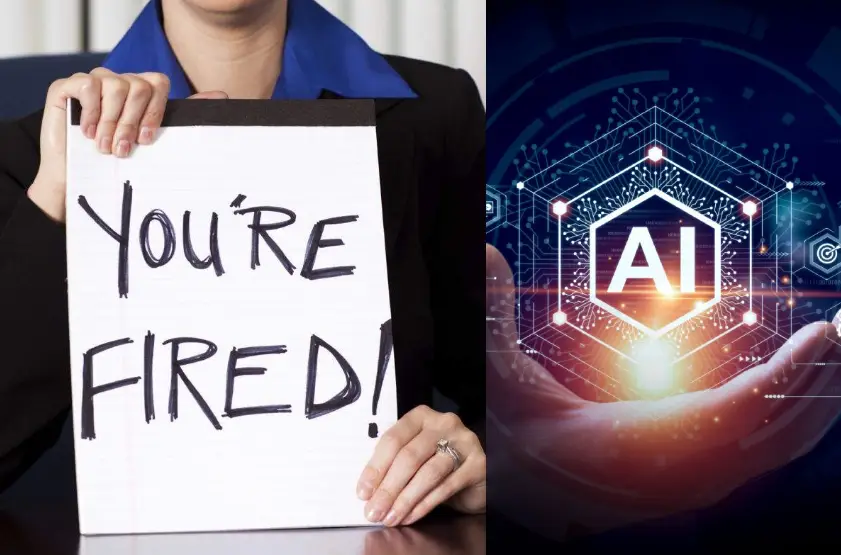
AI Triggers 96,000 Tech Layoffs in 2026.

The rapid expansion of Artificial Intelligence is transforming the global technology industry, with nearly 96,000 employees reportedly losing their jobs in 2026 alone.

Technology companies across the world are increasingly replacing traditional workforce structures with AI-powered systems to improve efficiency, reduce operational costs, and automate tasks previously handled by humans.

Industry reports indicate that many startup IT firms can now perform work previously managed by 250 employees using only around 50 staff members supported by advanced AI tools.

Major technology companies have also accelerated restructuring efforts as artificial intelligence becomes more deeply integrated into business operations.

Meta recently announced plans to reduce approximately 10% of its workforce, affecting nearly 8,000 employees.

The company reportedly confirmed that the layoffs would begin from May 20 and stated that it currently has no plans to refill around 6,000 vacant positions.

Meanwhile, Amazon has reportedly cut nearly 30,000 jobs since October as part of broader operational restructuring and automation strategies.

Experts say companies are increasingly relying on AI systems for coding, customer support, data analysis, marketing automation, and content generation.

The growing adoption of AI technologies has sparked debate across the global workforce, with many professionals expressing concern about job security and the future of traditional employment.

At the same time, technology leaders argue that AI will also create new opportunities in fields such as machine learning, cybersecurity, robotics, and AI system management.

Economists believe the global labour market is entering a major transition period where companies will prioritize digital automation and AI-driven productivity.

As competition intensifies in the tech industry, businesses are expected to continue investing heavily in artificial intelligence to remain competitive in the rapidly evolving digital economy.