

Swiss Primary Pupils Show Strong Academic Performance.

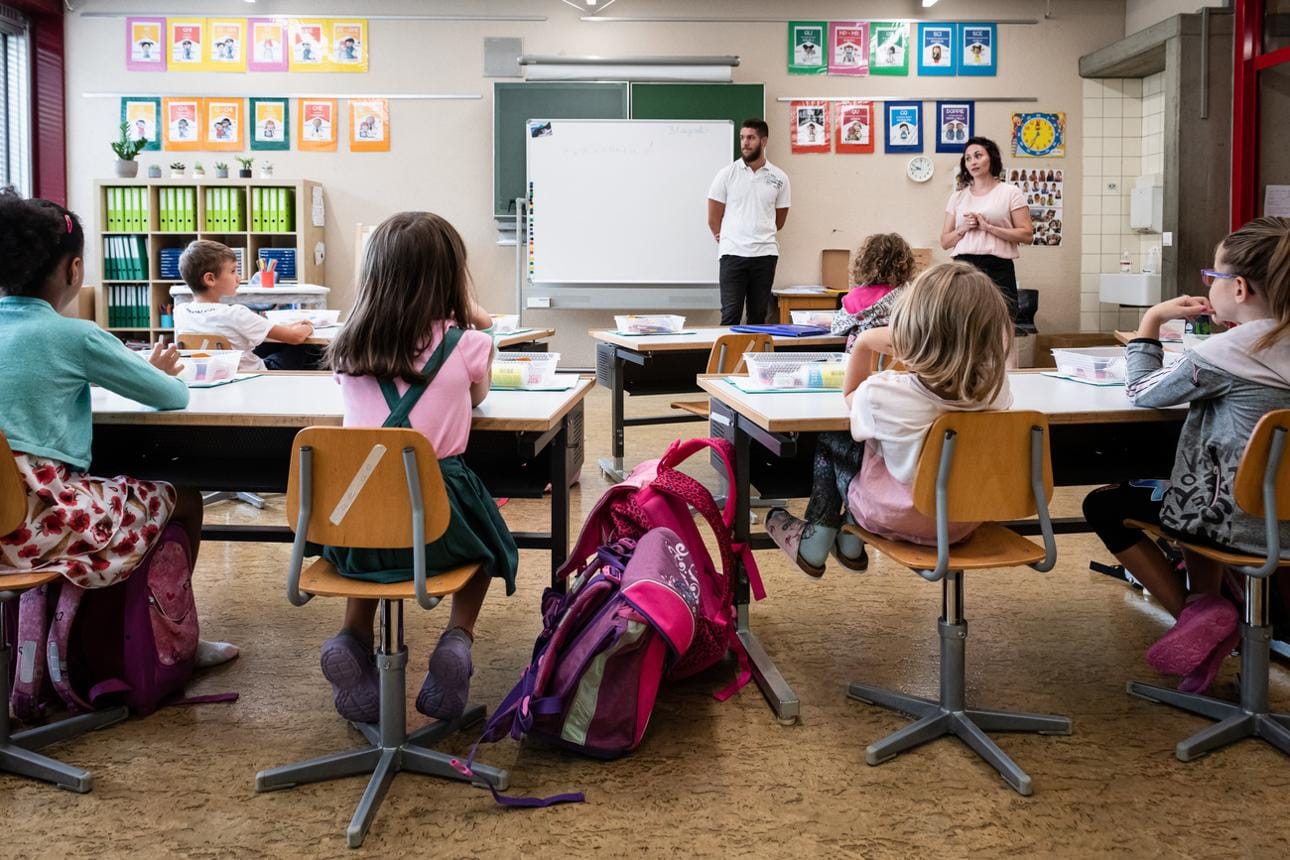
A new nationwide education assessment shows that the majority of primary school pupils in Switzerland are performing well in mathematics and language skills during the early years of schooling.

The study, published by the Swiss Conference of Cantonal Ministers of Education, evaluated around 20,000 pupils in 2024 who were in the fourth year of HarmoS schooling, equivalent to the second grade of primary school.

According to the results, 87% of pupils achieved the expected national standards in oral comprehension, while 79% met reading comprehension goals and 76% reached the required level in mathematics.

Christophe Darbellay, president of the education ministers’ conference, described the findings as a positive sign for Switzerland’s long-term education reforms.

He stated that the core purpose of school education remains teaching children how to read, write, and calculate effectively.

The assessment also revealed that there are no major performance differences between Swiss cantons, highlighting the success of efforts to harmonise education standards across the country over the past two decades.

However, the report also identified significant inequalities linked to social background. Pupils from disadvantaged households, especially those with migrant backgrounds and foreign languages spoken at home, performed notably lower than students from more advantaged families.

Researchers found that children facing multiple social and linguistic disadvantages reached national learning targets only around half the time, while students from wealthier or more stable backgrounds achieved success rates close to 90%.

The findings suggest that while Swiss schools are effective at teaching foundational skills during early education, maintaining strong academic performance as students grow older remains a major challenge.

The report also contrasts with previous studies showing weaker academic outcomes among older students, particularly in spelling and language skills at the end of compulsory schooling.

UNICEF: Family Background Strongly Shapes Educational Success in Switzerland

A new analysis by UNICEF shows that children’s educational opportunities in Switzerland are strongly influenced by their social and family background, raising concerns about growing inequality at the start of life.

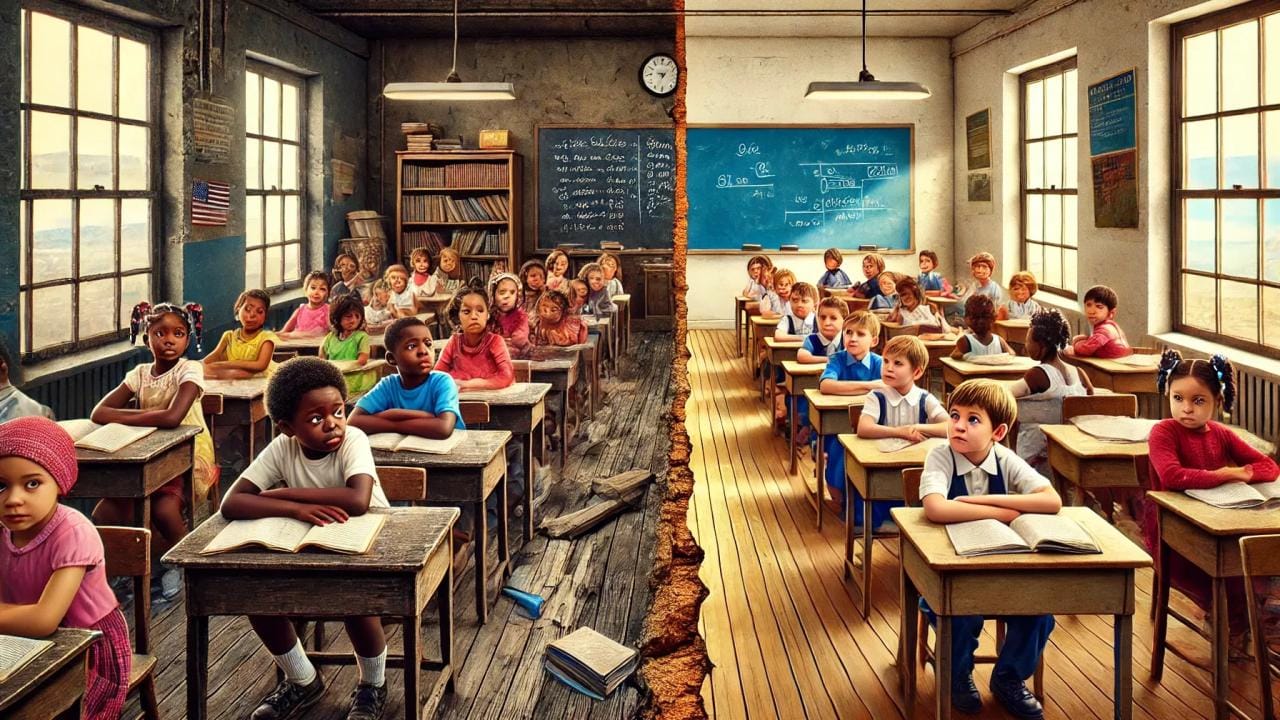
The report highlights that Switzerland remains a country with strong social support systems, but significant disparities persist between privileged and disadvantaged children. In an international comparison, Switzerland is among the countries where the gap in academic performance between these groups is particularly wide.

According to UNICEF, around 91% of children from privileged households achieve basic educational skills, while only 46% of children from disadvantaged backgrounds reach the same level. The organisation states that parents’ education level, financial stability, and ability to provide daily support play a major role in determining outcomes.

The study also finds that inequality extends beyond education. Children from lower-income households report significantly lower life satisfaction compared to their more privileged peers, indicating wider social and emotional impacts.

In terms of lifestyle differences, the report shows that 52% of children from privileged families eat vegetables daily, compared to 43% among disadvantaged children, reflecting broader inequality in health and nutrition.

UNICEF warns that these disparities have been worsening in recent years. Both child poverty and income inequality in Switzerland have increased by more than 10% over the past decade. The organisation notes that Switzerland is among OECD countries experiencing some of the strongest increases in inequality-related indicators.

The findings are based on a UNICEF survey examining child well-being in wealthy nations. The report calls attention to the need for stronger policy measures to reduce inequality and ensure equal opportunities for all children regardless of background.

Swiss Senate Committee Approves Erasmus+ Funding Support.

A parliamentary education committee in Switzerland has narrowly approved funding to support the country’s participation in the Erasmus+ programme for 2027.

The decision was made by the Education Committee of the Swiss Senate, with the proposal passing after a tied five-to-five vote. The committee chair cast the deciding vote in favor of the funding plan.

Supporters of the measure described participation in Erasmus+ as an important investment in Switzerland’s education system and future workforce development.

Committee members backing the proposal argued that Erasmus+ strengthens opportunities for apprentices, university students, and vocational trainees by improving international learning experiences and professional skills.

They also emphasized that enhanced education and training opportunities ultimately benefit the Swiss economy by preparing a more competitive and globally connected workforce.

However, the proposal faced resistance from a strong minority within the committee, who raised concerns about federal spending and budget pressures.

Opponents argued that Switzerland’s current financial situation and recently approved government cost-cutting measures make additional spending difficult to justify at this time.

Despite those concerns, the committee narrowly supported continued engagement with the European education programme.

Erasmus+ is one of Europe’s largest educational exchange initiatives, supporting international study, training, youth cooperation, and academic partnerships across multiple countries.

Switzerland’s participation in the programme has remained an important topic in discussions about education policy, international cooperation, and economic competitiveness.

The latest committee decision signals continued political support for maintaining educational links between Switzerland and European institutions.