How Evian Became a Trusted Name in Drinking Water for Over 200 Years

Clean drinking water remains an essential part of daily life, and for many consumers, bottled water continues to be a preferred choice alongside tap water. Among the world’s most recognized water brands, Evian has established itself as a trusted name with a history spanning more than two centuries.

While Switzerland is known for its high-quality water supply systems, some residents prefer bottled water due to personal taste preferences and mineral content variations found in different regions. As a result, premium bottled water brands continue to enjoy strong demand.

Evian’s story dates back over 200 years, making it one of the oldest and most respected names in the bottled water industry. Over the decades, the company has transformed from a regional water source into a globally recognized premium water brand.

Today, Evian products are sold in numerous countries and are widely associated with purity, quality, and natural mineral balance.

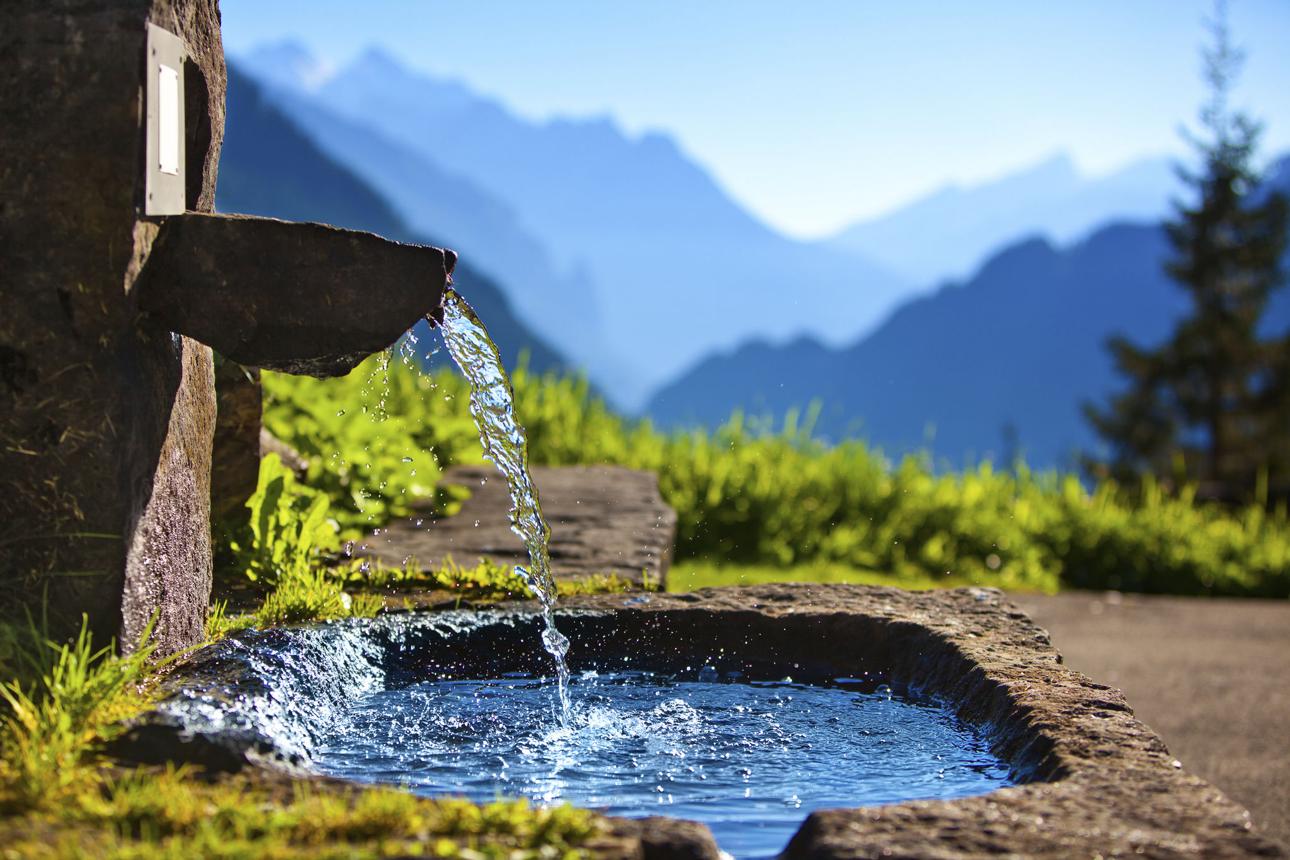
One of the key factors behind Evian’s reputation is its natural water source. The water originates from protected mountain spring regions and undergoes a natural filtration process through layers of rock and minerals over many years.

This natural journey helps enrich the water with minerals while maintaining its purity before it is collected and bottled under strict quality controls. Evian is not only known as a bottled water producer but also as a leading company in the premium drinking water industry. The brand has built its reputation on consistent quality standards, environmental protection efforts, and sustainable water resource management. Consumers around the world choose Evian for its clean taste, balanced mineral content, and commitment to preserving natural water sources.

As awareness of health and wellness continues to grow, demand for premium bottled water remains strong in many markets. Consumers increasingly seek products that combine quality, safety, and sustainability. Brands like Evian continue to benefit from this trend by emphasizing natural sourcing, environmental responsibility, and long-term water protection initiatives.
Swiss President Advances Free Trade Talks with UK at Evian Meeting

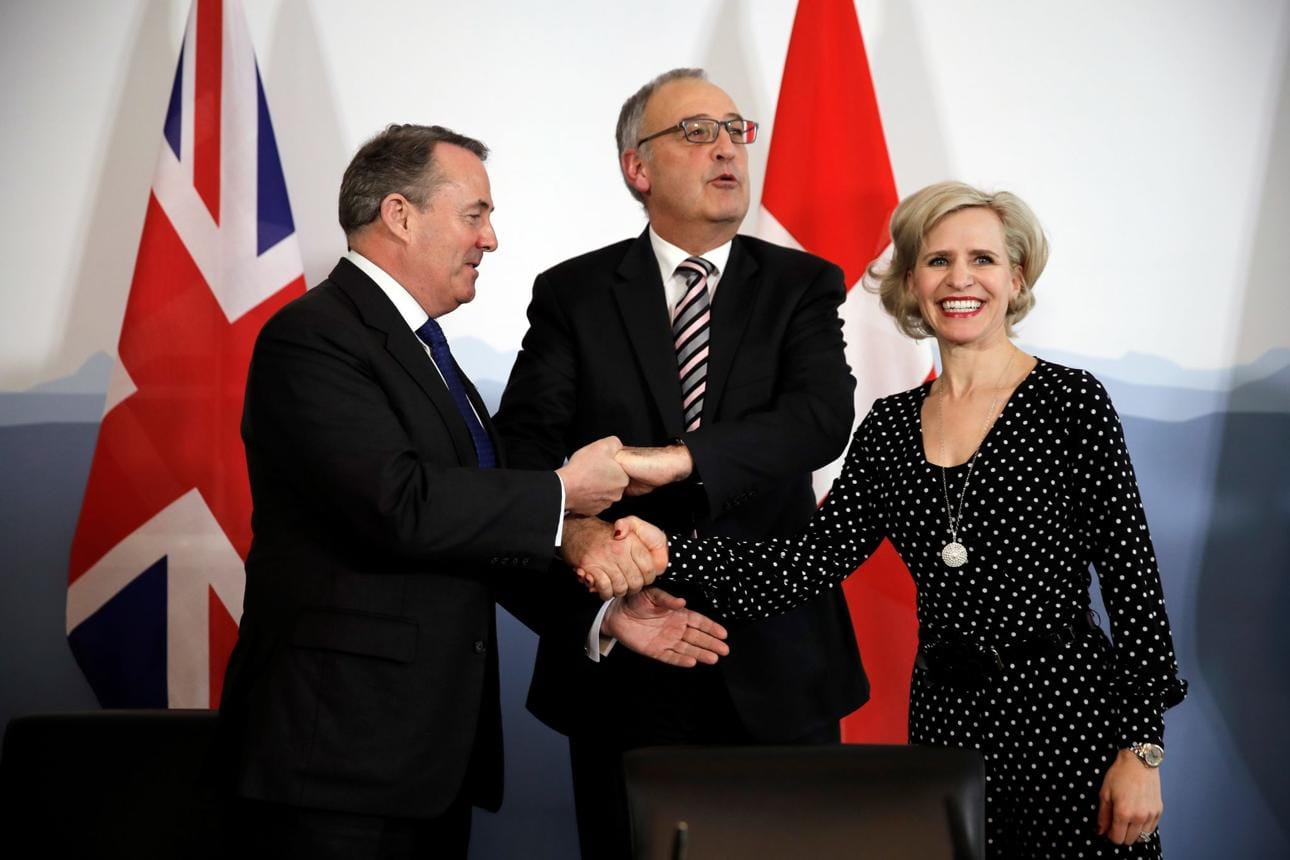
Swiss President Guy Parmelin has held discussions with British Prime Minister Keir Starmer on the progress of a long-anticipated free trade agreement between Switzerland and the United Kingdom, during diplomatic meetings linked to the G7 summit in Evian, France.

The meeting took place during a gala dinner attended by global leaders on the shores of Lake Geneva. Although Switzerland is not an official member of the G7, Swiss representatives were present for several side discussions and diplomatic engagements.

Before the meeting, President Parmelin emphasized that successfully concluding a comprehensive free trade agreement would send a strong political and economic signal. Prime Minister Starmer responded positively, expressing interest in continuing negotiations.

Both sides acknowledged that while progress has been made, the final stages of trade negotiations remain the most challenging. However, officials from both countries indicated that discussions are moving in a constructive direction.

Following the United Kingdom’s exit from the European Union in 2020, Switzerland and the UK signed a transitional trade agreement in 2019 to maintain existing economic relations. Since then, both nations have been working toward a broader and more comprehensive free trade framework, with formal negotiations beginning in 2023.

The latest discussions highlight Switzerland’s continued efforts to strengthen global trade partnerships beyond the European Union, focusing on stable and diversified economic relationships.

During his visit, President Parmelin also met other international leaders on the sidelines of the event, including US Secretary of State Marco Rubio and German Chancellor Friedrich Merz, reinforcing Switzerland’s active diplomatic engagement despite not being an official G7 member.

Observers note that Switzerland’s presence at high-level international gatherings continues to play an important role in promoting dialogue, economic cooperation, and strategic partnerships.

Geneva Closes Most Border Crossings with France for G7 Summit

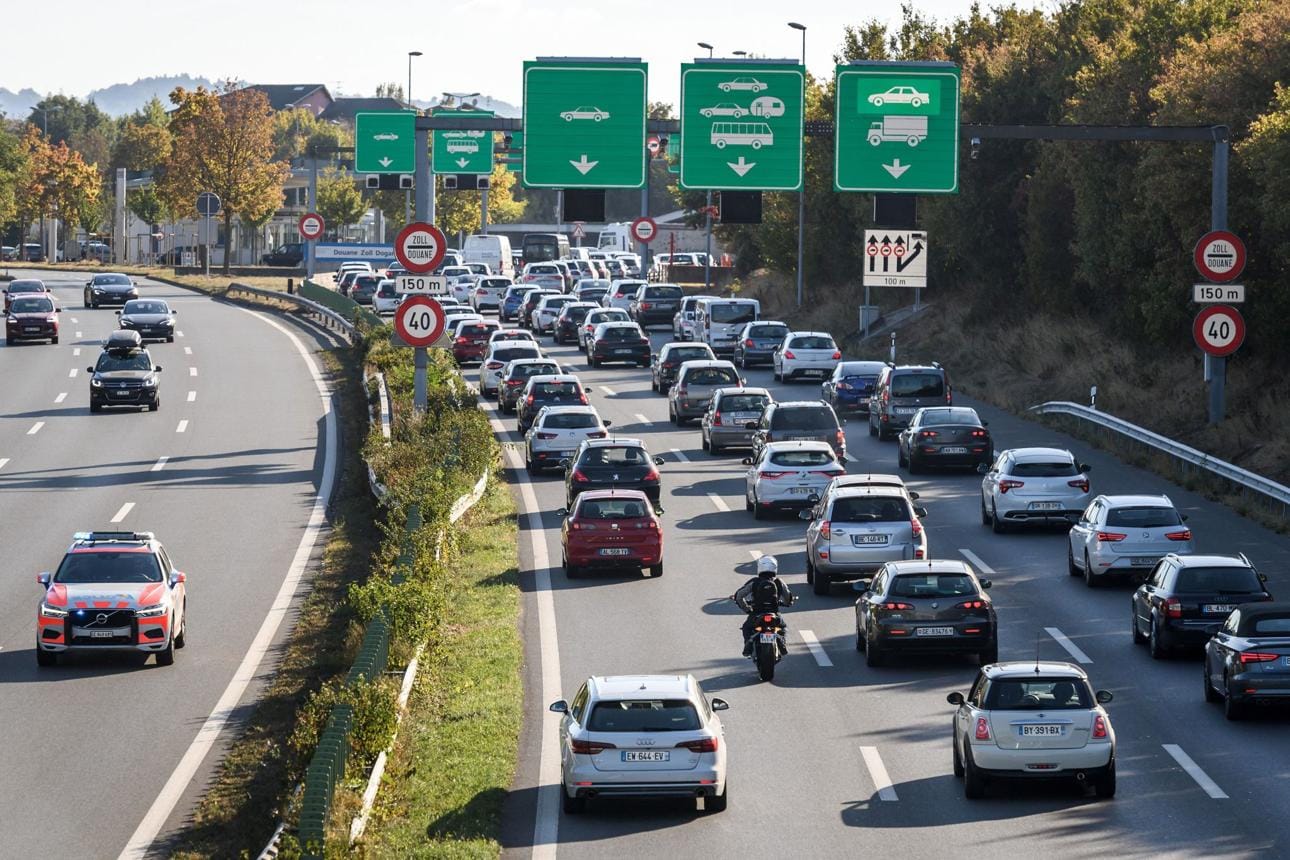
Canton Geneva has temporarily closed most of its border crossings with France as part of heightened security measures for the upcoming G7 summit in Evian.

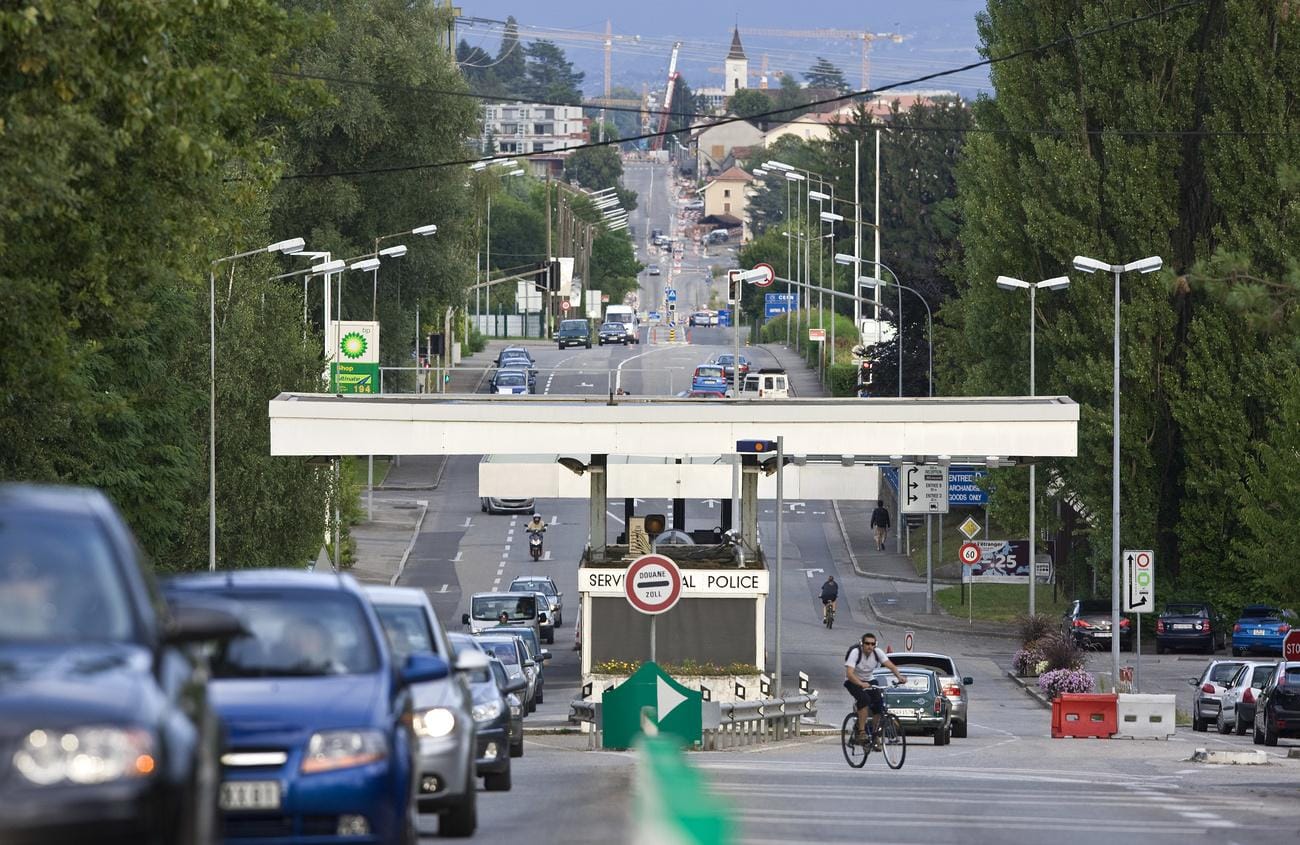
Since Thursday afternoon, 25 out of 35 border posts have been shut, significantly affecting cross-border movement and daily life in the region.

Security Measures Ahead of G7 Summit

The G7 summit of the world’s largest industrialised economies will take place in Evian from Monday to Wednesday, just around 30 kilometres from Geneva.

According to Geneva authorities and the Federal Customs Administration, border restrictions were introduced in phases starting Thursday afternoon.

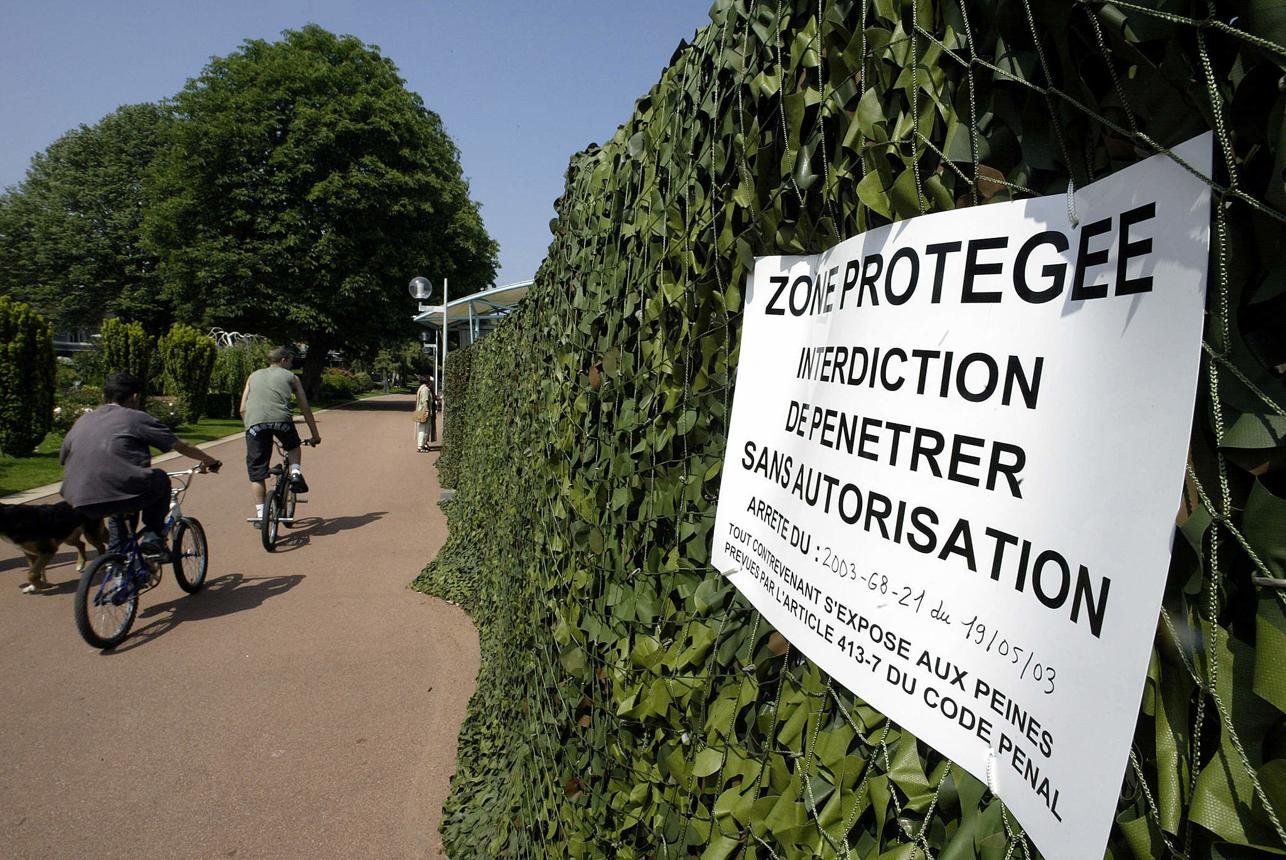
At the Hermance–Chens-sur-Léman crossing, closures were enforced with physical barriers and fencing, demonstrating the strict security approach in place.

Impact on Cross-Border Communities

Local residents have been heavily affected by the restrictions, as many communities in the region operate across both sides of the border.

Sports and community activities have been disrupted, including a tennis club event that had to be postponed because its facilities are located in France. Local rugby facilities and farmland access have also been impacted.

Families with children attending school in Hermance will need to make alternative arrangements until the measures are lifted on June 19.

Traffic and Transport Adjustments

Out of 35 border crossings, only seven remain open 24 hours a day, and all are subject to increased security checks. The remaining crossings, including smaller forest routes, have been closed entirely.

To reduce congestion, authorities are encouraging residents to work from home where possible. Geneva’s public transport operators have also adjusted cross-border service schedules.

The nearest open crossing for residents in affected areas is now several kilometres away, increasing travel times for commuters.

Temporary but Significant Disruption

Authorities acknowledge the inconvenience caused but stress that the measures are necessary for security during the international summit period.

The border between Geneva and France, which spans roughly 100 kilometres, is expected to remain under strict control until the G7 summit concludes.

Geneva Approves No G7 Protest Route.

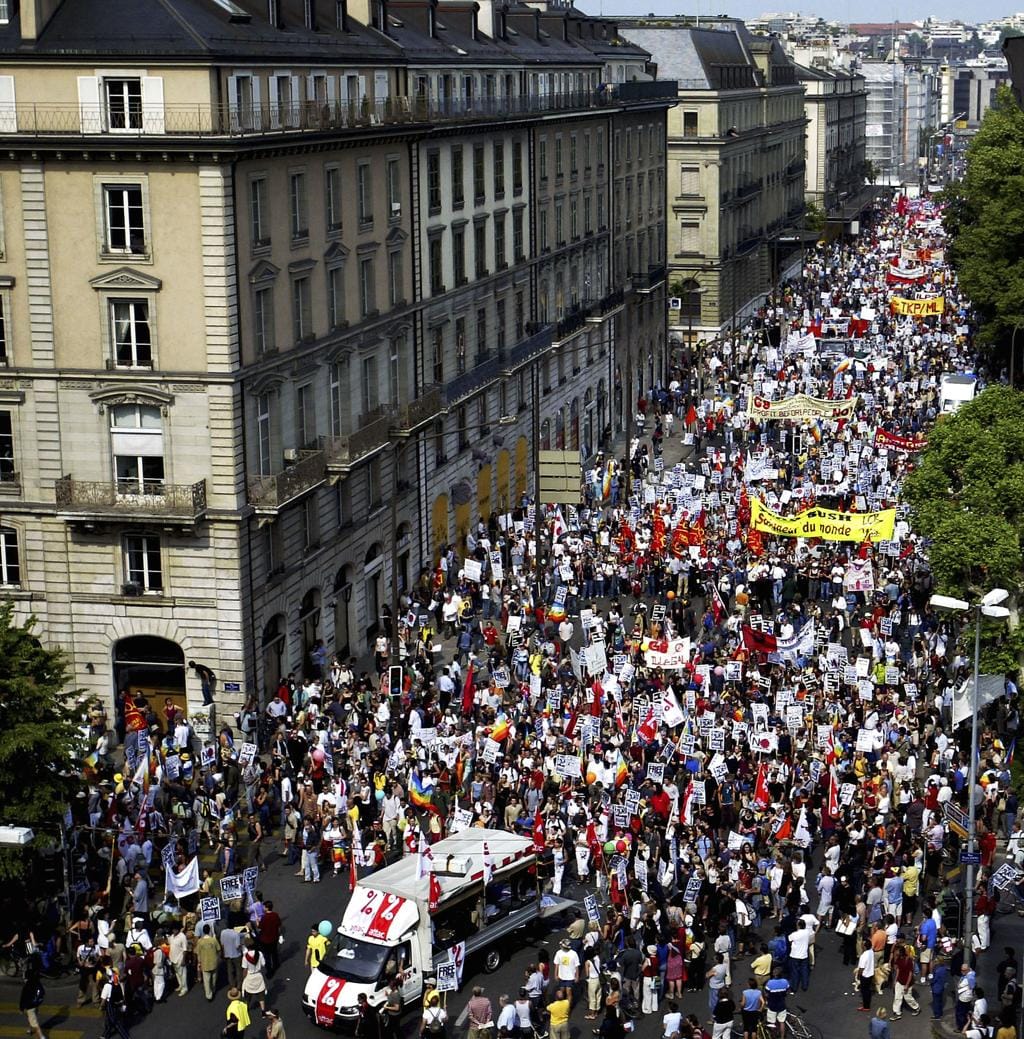
Geneva authorities and anti-G7 activists have reached an agreement on the route for a major demonstration planned ahead of the upcoming G7 Summit. The march, scheduled for June 14, 2026, will follow a revised path through Geneva city centre after discussions between protest organisers and local officials.

The agreement was finalized following talks between representatives of the No G7 coalition and Geneva State Councillor Carole-Anne Kast. Organisers confirmed that the demonstration route has been modified to avoid the Mont Blanc Bridge area and will instead be redirected through Rue des Alpes.

According to protest organisers, the change was welcomed because it reduces the possibility of tensions between demonstrators and security forces. Activists had expressed concerns that a route passing close to the Mont Blanc Bridge, where access restrictions are in place, could increase the risk of confrontations during the event.

Geneva authorities reviewed the organisers’ concerns and agreed to adjust the proposed route on the right bank of the Rhône River. The compromise is being viewed as a positive step toward ensuring that the demonstration can proceed peacefully while maintaining public safety.

The protest is expected to attract activists from Switzerland and neighbouring countries who oppose policies associated with the Group of Seven (G7). Demonstrators plan to raise issues including economic inequality, climate action, social justice, and global governance.

The 52nd G7 Summit will take place from June 15 to June 17, 2026, in Evian, France, near the Swiss border. Due to the summit’s proximity to Geneva, Swiss authorities have implemented enhanced security measures and coordination plans to manage cross-border activities and public demonstrations.

Both organisers and officials have expressed hope that the agreed route will allow participants to exercise their right to peaceful protest while minimizing disruptions and maintaining security throughout the event.

Swiss Army Mobilises 4,000 Soldiers for G7 Summit Security Near Evian.

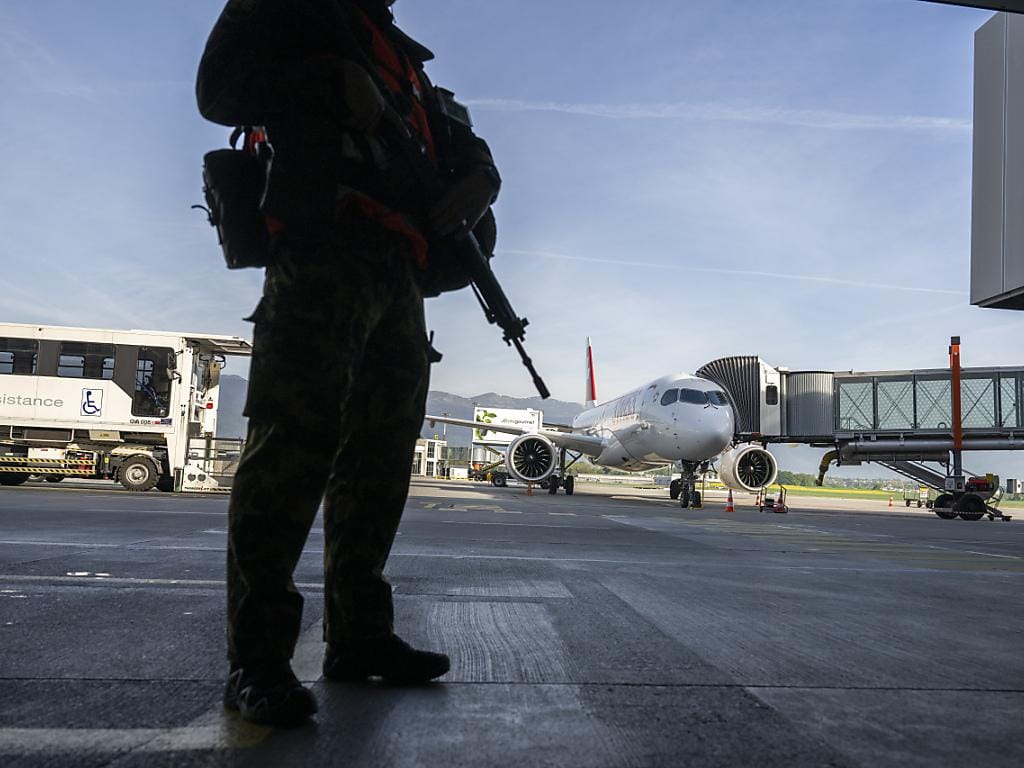
Switzerland will deploy nearly 4,000 soldiers to support security operations for the upcoming G7 Summit taking place in neighbouring France near Evian from June 12 to 17.

The Swiss Defence Ministry confirmed that military personnel will assist cantonal authorities in Geneva, Vaud, and Valais to strengthen security across the border region. The main objective is to support civilian police forces, allowing them to focus on maintaining public order during the high-profile international event.

Key security responsibilities will include the protection of sensitive infrastructure such as Geneva International Airport, as well as assistance with border security operations. The Swiss Air Force will also reinforce air policing, with temporary airspace restrictions in place from June 10 to 18.

Authorities expect many international delegates to arrive via Geneva Airport before traveling across Lake Geneva to Evian. As part of the operation, Swiss forces will monitor key transport routes, the lake area, and surrounding regions.

The army will also contribute cyber defence capabilities, drone countermeasures, and protection against nuclear, biological, and chemical threats. However, Swiss military forces will not be involved in maintaining public order, which remains the responsibility of cantonal police.

All 1,500 police officers in Geneva will be deployed, supported by reinforcements from other cantons. Specialized equipment, including high-capacity water cannons from Germany, will also be made available to assist crowd control if necessary.

The large-scale security operation follows a request from regional authorities, as the cantons of Geneva, Vaud, and Valais prepare for increased pressure during the summit period. Swiss President Guy Parmelin has noted that discussions are ongoing regarding whether France will contribute to the significant security costs incurred by Switzerland.

At the same time, tensions have emerged over planned protests. The “No to G7” coalition has criticized restrictions imposed by Geneva authorities on demonstration routes and conditions, calling them overly restrictive. While a march has been authorized for the right bank of Geneva on June 14, requests for a protest village in Parc des Bastions were rejected.

Organizers have expressed concern over policing measures and fear potential clashes, recalling violent protests during the 2003 G8 summit in the region. Despite disagreements, the coalition has confirmed it will proceed with the demonstration, stating its intention to show international solidarity and opposition to global leaders.

The G7 security operation marks one of the largest coordinated Swiss support efforts in recent years, highlighting the country’s strategic role in safeguarding major international events held just across its border.

Geneva Authorities Question Security Costs for France-Based G7 Summit

Authorities in Switzerland’s Geneva canton have raised concerns over who should bear the financial burden of security operations linked to an upcoming G7 summit taking place in Évian, France.

Background of the Issue

The debate traces back to events surrounding the 2003 G8 summit in Évian, where protests in nearby Geneva escalated into violent riots and looting. The incident left long-lasting concerns about public safety and cross-border security coordination.

Renewed Concerns Ahead of G7 Summit

With another major G7 summit scheduled in Évian next month, Swiss authorities fear that similar protests or unrest could spill over into Geneva. As a result, Geneva police have already begun preparing enhanced security measures.

Financial Responsibility Dispute

Geneva officials argue that Switzerland is being forced to bear significant security costs for an event taking place in France. They have requested that the French government share the expenses due to the cross-border impact of the summit.

However, French authorities have reportedly rejected the request, stating that protests in Switzerland are not directly caused by the summit itself, but are influenced by domestic political developments within Switzerland.

Political Tensions Rising

The disagreement has sparked frustration among some Swiss lawmakers, who question why Swiss taxpayers should fund security for an international event hosted in another country.

At the same time, Geneva authorities fear that the financial burden could become significant if large-scale protests or cross-border incidents occur again during the summit period.

Conclusion

The dispute highlights the challenges of managing security in highly interconnected border regions like Geneva, where international events in neighboring countries can have direct domestic consequences.

Geneva Prepares Special Security Measures Ahead of G7 Summit in Evian

Authorities in Switzerland are preparing extensive security measures ahead of the upcoming G7 Summit scheduled to take place in Evian, France, near the Swiss border.

The Geneva Public Prosecutor’s Office has announced a large-scale operational plan to handle potential incidents during the summit, which will run from June 15 to June 17 on the French side of Lake Geneva.

Geneva public prosecutor Olivier Jornot said authorities are preparing for the “most dangerous scenario,” including possible mass arrests linked to protests or security incidents.

To manage the expected pressure, the prosecutor’s office plans to double or even triple its usual staffing levels during the summit period. Up to six prosecutors per day will reportedly be placed on standby to handle urgent legal procedures.

Officials also confirmed that routine hearings involving detainees will be significantly reduced during the summit in order to prioritize emergency response and security-related cases.

Security planning has identified two main risk areas. The first involves potential threats against heads of state and delegations, which falls under federal-level Swiss security responsibility. The second concerns civil disturbances, including protests, vandalism, and property damage, which will be handled by Geneva authorities.

In response to these risks, Geneva will also tighten border controls during the summit period. Between June 12 and June 18, only seven of the canton’s 35 border crossings will remain open to regulate movement and strengthen security monitoring.

Authorities have cited lessons learned from the 2003 G8 summit in Evian, when protests led to significant damage on the Swiss side of the border.

The coordinated Swiss-French security strategy highlights the importance of cross-border cooperation during major international political events held in the Lake Geneva region.

Swiss and French Ministers Meet in Geneva Ahead of G7 Summit

Ignazio Cassis and Jean-Noël Barrot held a high-level bilateral meeting in Geneva on Friday evening to discuss preparations for the upcoming G7 summit in France.

The meeting focused mainly on security coordination, diplomatic cooperation, and organisational planning for the G7 summit scheduled to take place next month in Évian.

Speaking after the discussions, Swiss Foreign Minister Ignazio Cassis described the summit as a significant international event for both Europe and the wider global community.

Cassis stated that Switzerland is proud to support France in organising the summit and ensuring strong regional security cooperation during the event.

He also highlighted the importance of International Geneva in supporting global diplomacy and managing international events during a period marked by geopolitical instability and global tensions.

The upcoming G7 summit is expected to attract major world leaders and international delegations, increasing the need for enhanced security measures across the Lake Geneva region.

Authorities in Switzerland and France have already announced additional border controls and security preparations ahead of the summit.

Recent concerns surrounding protests, cyber threats, and regional security challenges have led both countries to strengthen cooperation between law enforcement and diplomatic agencies.

The bilateral meeting reflects the growing strategic partnership between Switzerland and France on international security and diplomatic matters.

Officials say continued coordination will remain essential in the coming weeks to ensure the successful and secure organisation of the G7 summit.