

Swiss Restaurant Industry Faces Mixed Financial Pressure in 2025

The restaurant and gastronomy sector in Switzerland is currently experiencing a mixed and challenging business environment. While some restaurants continue to perform well, many smaller establishments are struggling to maintain profitability due to rising operational costs and changing customer behaviour.

According to industry data from GastroSuisse and KOF, restaurant revenues in early 2025 show a decline compared to the previous year, highlighting ongoing pressure across the sector.

Rising operational costs impact profitability

One of the main challenges for Swiss restaurants is the continuous increase in operating expenses. Costs for rent, employee salaries, insurance, electricity, and raw materials have all risen significantly. As a result, profit margins have become tighter, especially for small and medium-sized businesses.

Changing customer behaviour

Consumer habits have also shifted. Many people are dining out less frequently or choosing more affordable options. This trend has directly affected mid-range and fine dining restaurants, particularly in urban areas where competition and costs are high.

Restaurant closures in high-cost areas

Some restaurants have been forced to close, especially in city locations with high rental prices. Fine dining establishments are also facing increased financial pressure due to higher operational requirements and reduced customer spending.

Opportunities still exist in the market

Despite the challenges, opportunities remain for well-planned businesses. Restaurants that succeed often focus on:

  • Prime location selection
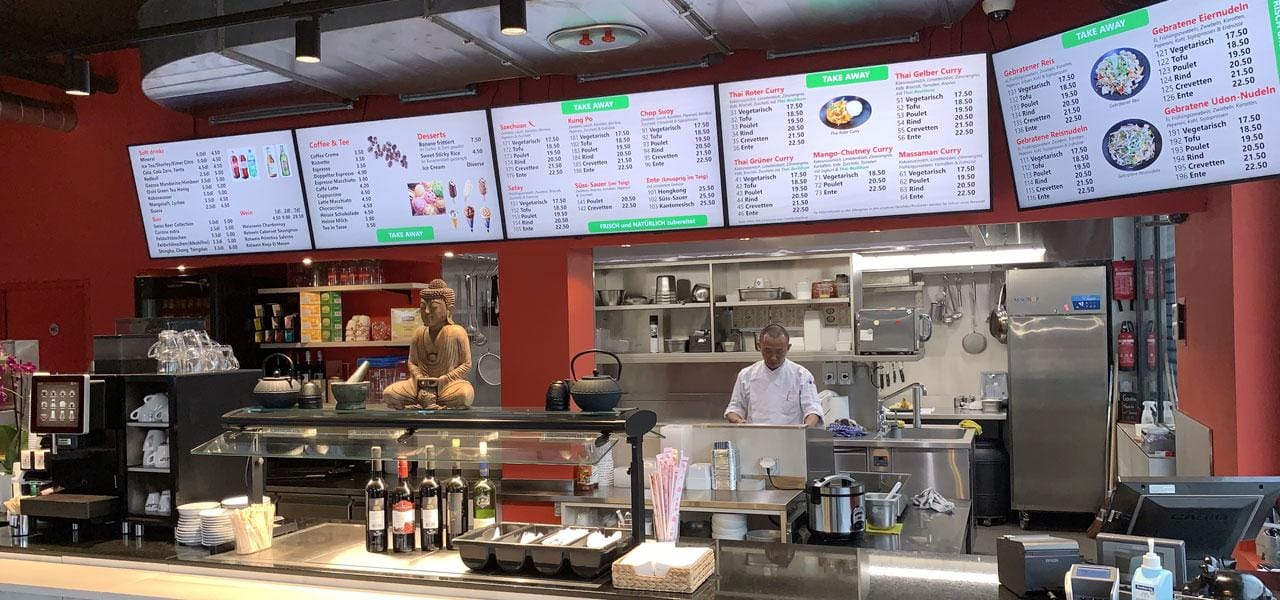
  • Efficient and affordable menu concepts (such as Asian, Indian, or takeaway models)
  • Strict cost management
  • Active involvement of the owner in daily operations

These factors help certain restaurants remain profitable even in a competitive environment.Overall, the Swiss gastronomy sector does not offer easy profits at the moment. Success depends heavily on management efficiency, location choice, and customer targeting. New investors are advised to carefully evaluate rent, competition, and customer demographics before starting a restaurant business in Switzerland.

Starting a Business in Switzerland: A Complete Guide.

Switzerland offers one of the most business-friendly environments in Europe, making it an attractive destination for entrepreneurs and small business owners. Whether you want to start a cleaning service, construction company, online store, restaurant, delivery service, or consulting business, understanding the registration process is essential for success.

The simplest option is to start as a Sole Proprietorship (Einzelfirma). This structure is suitable for self-employed individuals and freelancers. Entrepreneurs must register with the AHV/AVS social insurance office as self-employed. If annual revenue exceeds CHF 100,000, registration in the Commercial Register becomes mandatory. Businesses earning less than this amount may register voluntarily to increase credibility and visibility.

Another popular option is establishing a GmbH (Limited Liability Company). This structure requires a minimum share capital of CHF 20,000 and offers greater legal protection for business owners. A notary must prepare the incorporation documents before the company is officially registered in the Swiss Commercial Register.

For larger businesses, the AG (Aktiengesellschaft) structure is commonly used. This form is designed for companies seeking significant investment and expansion opportunities. AG companies require higher capital contributions and more extensive legal procedures, including mandatory notary certification and Commercial Register registration.

Entrepreneurs can complete many registration procedures through EasyGov, Switzerland’s official online business platform. The service allows users to register companies, complete AHV registrations, apply for VAT registration, and handle Commercial Register procedures through a single portal. Business owners can also verify registered companies using the Zefix central commercial register database.

Various organizations provide support for new entrepreneurs in Switzerland. Cantonal economic development offices, chambers of commerce, business consultants, startup incubators, and financial institutions offer guidance on legal requirements, taxation, accounting, and business planning. Their expertise can help entrepreneurs navigate the Swiss business environment more efficiently.

Before starting a business, entrepreneurs should evaluate their residence permit status, business activity, expected revenue, and legal obligations. Proper planning and compliance with Swiss regulations can significantly improve the chances of building a successful and sustainable business.