Influential Swiss Intellectual Jean Ziegler Dies at 92

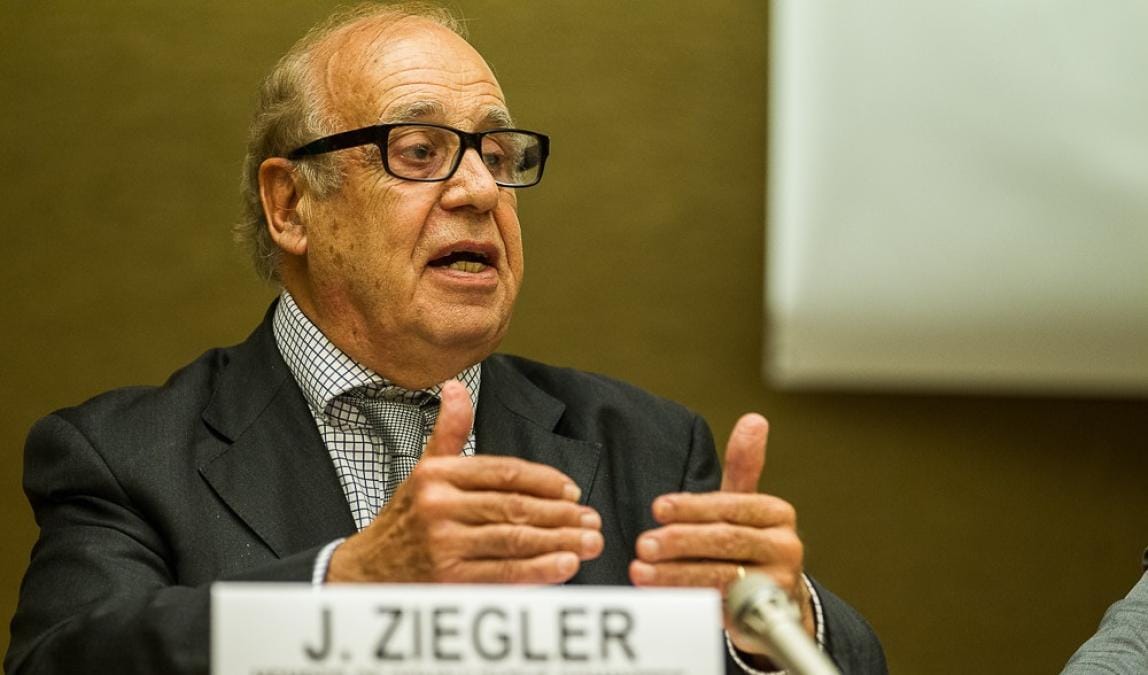
Jean Ziegler, one of Switzerland’s most influential sociologists, authors, and political figures, has died in Geneva at the age of 92. According to his family, the former politician passed away on Wednesday due to complications related to Parkinson’s disease.

For more than five decades, Ziegler played a prominent role in Swiss political and academic life. He became internationally known for his criticism of global inequality, neoliberal economic policies, and the concentration of wealth and power in global institutions.

A committed left-wing thinker, Jean Ziegler spent much of his life advocating for social justice and human rights. His writings and public speeches challenged political and economic systems that he believed contributed to poverty, hunger, and inequality around the world.

Even in his later years, Ziegler remained active in public debate. At the age of 90, he published the book “Where is Hope?”, a work that encouraged resistance against war, famine, injustice, and growing social divisions. The book reflected his lifelong belief that citizens should actively work toward creating a fairer society.

A defining moment in his life came in 1964 when he met revolutionary leader Che Guevara in Geneva. Ziegler later recalled how Guevara advised him not to leave Switzerland to join revolutionary movements abroad, but instead to challenge injustice from within the heart of the system. That encounter shaped his political philosophy and influenced his future career.

Throughout his life, Ziegler remained a controversial figure. Supporters praised him for speaking out against injustice and defending the rights of vulnerable communities. Critics, however, often challenged his political views and strong statements on international affairs.

One of his most debated works was the 1997 book “Switzerland, Gold and the Dead,” in which he criticized the role of Swiss financial institutions during the Second World War. The publication sparked significant public discussion both within Switzerland and internationally.

In 2016, filmmaker Nicolas Wadimoff released a documentary exploring Ziegler’s life and ideas. The film examined both his influence and the controversies that surrounded him, presenting a complex portrait of a man who remained committed to his beliefs throughout his life.

Jean Ziegler leaves behind an extensive body of work, including books, academic contributions, and political activism. His influence on debates surrounding inequality, globalization, and social justice will continue to be discussed long after his passing.

His death marks the end of an era for Swiss intellectual life and for a generation of political thinkers who sought to challenge the established order and inspire social change.

Bern Remains the Biggest Winner in Switzerland’s Financial Equalisation System

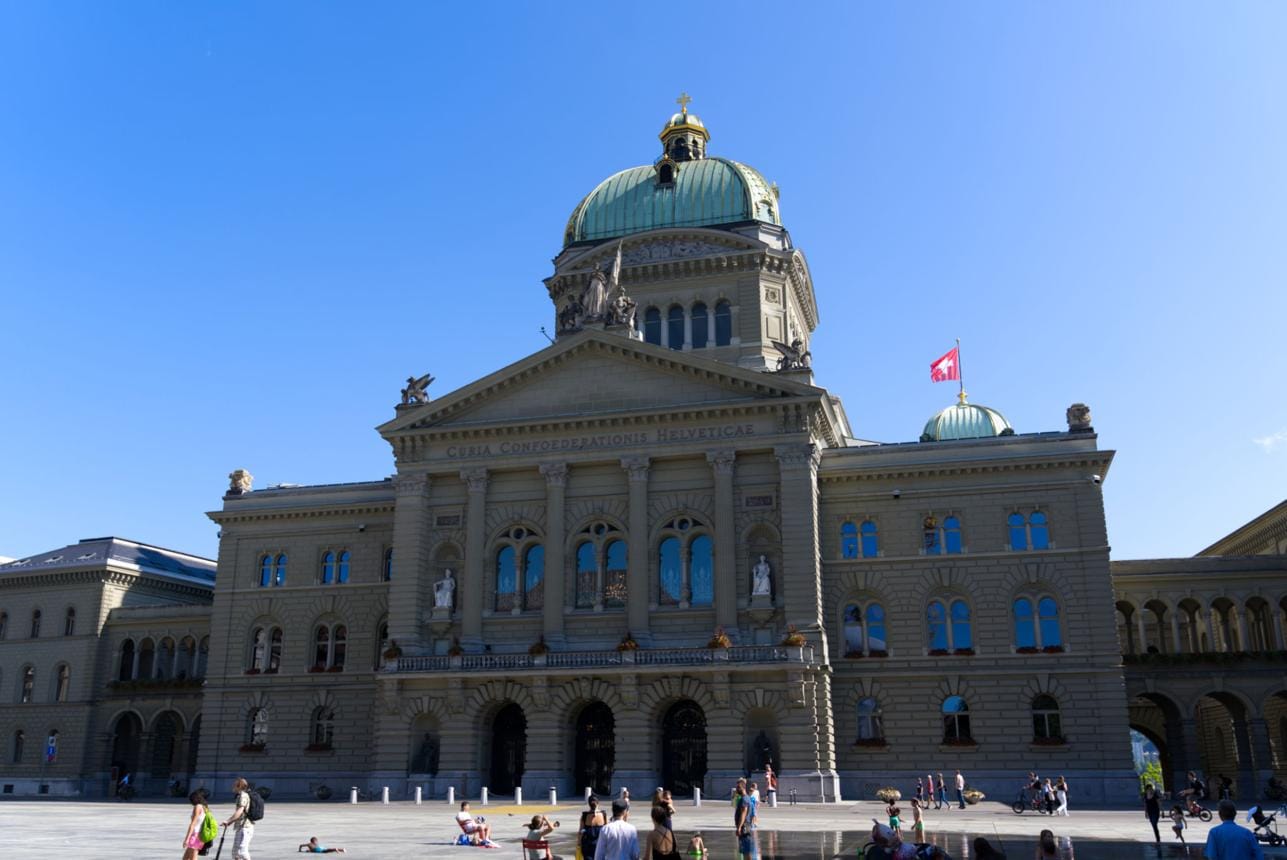
Switzerland’s financial equalisation system will continue to redistribute billions of francs between cantons in 2027, ensuring balanced development across the country. According to new calculations by the Federal Finance Administration, approximately CHF 4.6 billion will be transferred from wealthier cantons to those with fewer financial resources.

Although the total amount is lower than the previous year by around CHF 1.8 billion, the system remains a key pillar of Swiss federal solidarity. The mechanism aims to reduce financial disparities and help all cantons provide comparable public services.

Once again, Bern will be the largest beneficiary of the scheme. The canton is expected to receive approximately CHF 1.71 billion in net compensation payments during 2027, maintaining its position as the biggest recipient of support.

Other cantons benefiting significantly from the redistribution include Valais, which is expected to receive CHF 897 million, followed by Aargau with CHF 709 million and Fribourg with CHF 593 million. Additional beneficiaries include Neuchâtel, Jura, and Vaud.

On the contributor side, Zug and Geneva remain Switzerland’s largest financial supporters. Zug is expected to contribute approximately CHF 529 million, while Geneva will provide around CHF 497 million. Other contributing cantons include Zurich, Schwyz, Basel City, Nidwalden, Schaffhausen, and Appenzell Innerrhoden.

The Swiss equalisation system reflects the country’s commitment to economic balance and cooperation among cantons. By sharing financial resources, Switzerland seeks to maintain high-quality public services and economic stability throughout the nation, regardless of regional wealth differences.

As economic conditions evolve, the equalisation framework continues to play a vital role in strengthening national cohesion and supporting less financially advantaged regions.

Swiss Government Boosts Funding for Global Sports Events.

The Swiss government has announced additional financial support for major international sporting events scheduled to take place across the country between 2027 and 2029. The Federal Council is proposing two supplementary credits totaling CHF8.24 million to help Switzerland host world-class competitions and strengthen the nation’s sporting profile.

Officials believe that international sporting events generate significant benefits beyond athletics. Major tournaments contribute to economic growth, tourism, community engagement, and the promotion of both elite and grassroots sports. Recent successes, including the Ice Hockey World Championship and the UEFA Women’s Euro tournament, demonstrated the positive impact such events can have on Switzerland.

The proposed funding package includes CHF5.24 million to support the organization and hosting of international competitions. An additional CHF3 million will be allocated to sports development initiatives linked to these events, helping to encourage participation and long-term growth in various sports disciplines.

Several major championships are set to benefit from the funding. The 2028 Judo World Championships in Lausanne will receive CHF1.4 million, while the 2028 European Men’s Handball Championship in Zurich will be supported with CHF1.15 million. The 2027 World Rowing Championships in Lucerne will receive CHF825,000.

Additional funding has been proposed for the 2029 Women’s European Basketball Championship in Geneva, the 2027 European Figure Skating Championships in Lausanne, and the 2027 Short Course Swimming Championships in Basel. Support will also be provided for the 2028 World Bobsleigh and Skeleton Championships in St. Moritz.

The government also plans to extend the deadline for financial assistance under the National Sports Facilities Programme (CISIN 5), ensuring continued support for sports infrastructure projects of national importance.

By investing in these events, Switzerland aims to strengthen its reputation as a leading international sports destination while creating lasting economic and social benefits for local communities.

Geneva Approves No G7 Protest Route.

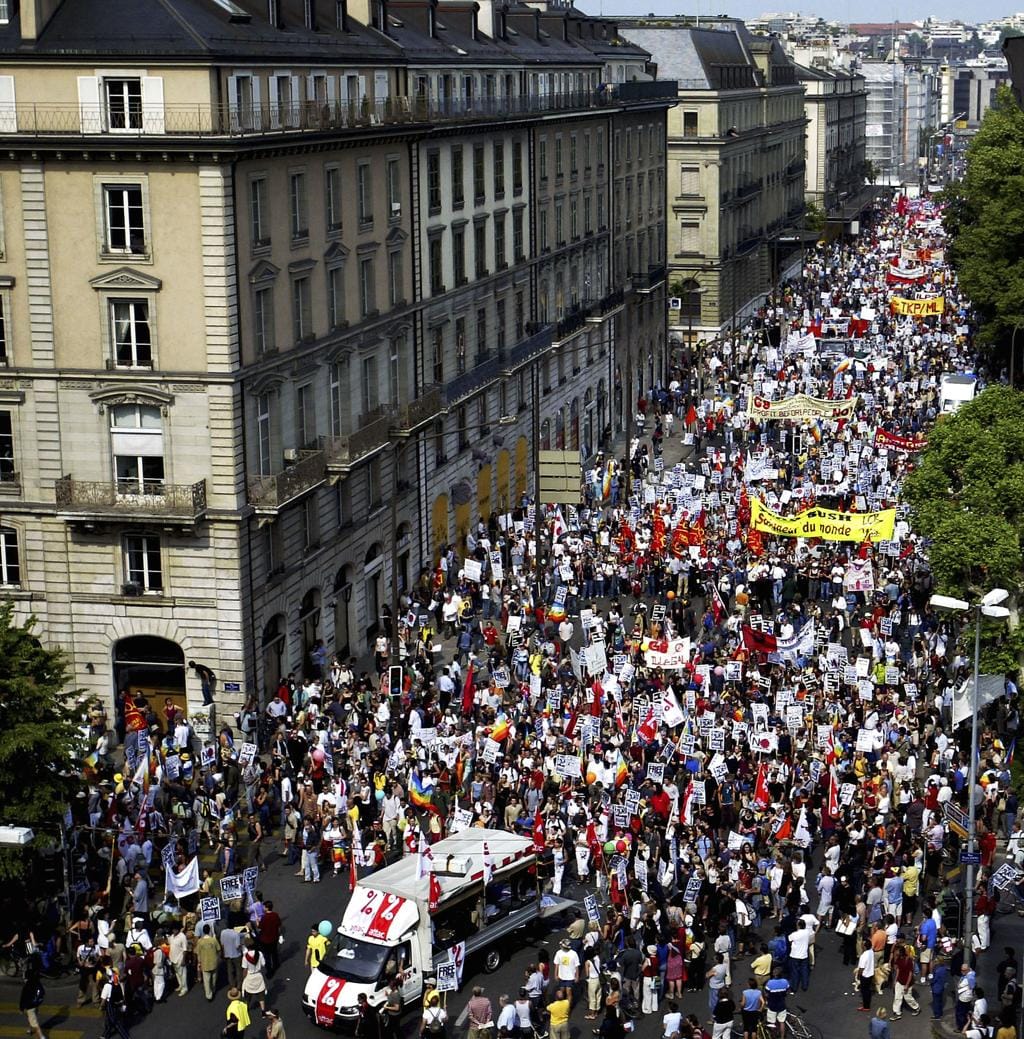
Geneva authorities and anti-G7 activists have reached an agreement on the route for a major demonstration planned ahead of the upcoming G7 Summit. The march, scheduled for June 14, 2026, will follow a revised path through Geneva city centre after discussions between protest organisers and local officials.

The agreement was finalized following talks between representatives of the No G7 coalition and Geneva State Councillor Carole-Anne Kast. Organisers confirmed that the demonstration route has been modified to avoid the Mont Blanc Bridge area and will instead be redirected through Rue des Alpes.

According to protest organisers, the change was welcomed because it reduces the possibility of tensions between demonstrators and security forces. Activists had expressed concerns that a route passing close to the Mont Blanc Bridge, where access restrictions are in place, could increase the risk of confrontations during the event.

Geneva authorities reviewed the organisers’ concerns and agreed to adjust the proposed route on the right bank of the Rhône River. The compromise is being viewed as a positive step toward ensuring that the demonstration can proceed peacefully while maintaining public safety.

The protest is expected to attract activists from Switzerland and neighbouring countries who oppose policies associated with the Group of Seven (G7). Demonstrators plan to raise issues including economic inequality, climate action, social justice, and global governance.

The 52nd G7 Summit will take place from June 15 to June 17, 2026, in Evian, France, near the Swiss border. Due to the summit’s proximity to Geneva, Swiss authorities have implemented enhanced security measures and coordination plans to manage cross-border activities and public demonstrations.

Both organisers and officials have expressed hope that the agreed route will allow participants to exercise their right to peaceful protest while minimizing disruptions and maintaining security throughout the event.

Swiss Hospital Faces Backlash Over Brain Removal Case.

A serious ethical controversy has emerged in Switzerland after it was revealed that a hospital in Geneva removed the brain of a young man following his death in a traffic accident without informing or obtaining permission from his family.

The case involves a young man named Alexandre, who died in a road accident three years ago. His parents had already completed all funeral arrangements, believing that their son had been laid to rest respectfully. However, it has now come to light that the Romandy University Centre of Forensic Medicine removed his brain for investigative purposes related to the accident case.

According to reports, the procedure was carried out for forensic examination to support ongoing or potential legal investigations. However, the family was not informed about the organ removal at the time, and they only discovered the incident much later. This has led to deep shock and emotional distress among the relatives.

The case has sparked widespread debate in Switzerland about medical ethics, patient rights, and legal boundaries in forensic investigations. While forensic institutions are authorized in certain cases to retain organs or tissues for examination, critics argue that transparency and family consent should remain a priority, especially when dealing with human remains.

Legal experts and ethicists are now questioning whether current Swiss medical regulations sufficiently protect the rights of deceased individuals and their families. The incident has also raised broader concerns about how forensic procedures are communicated and whether existing laws need to be revised to ensure clearer consent frameworks.

Public reaction has been strong, with many calling for stricter guidelines and greater accountability in medical institutions. The case continues to fuel discussions about balancing scientific investigation needs with respect for human dignity and family rights.

Authorities have not yet announced any disciplinary action, but the controversy is expected to prompt further review of forensic medical practices in Switzerland.

Swiss Army Mobilises 4,000 Soldiers for G7 Summit Security Near Evian.

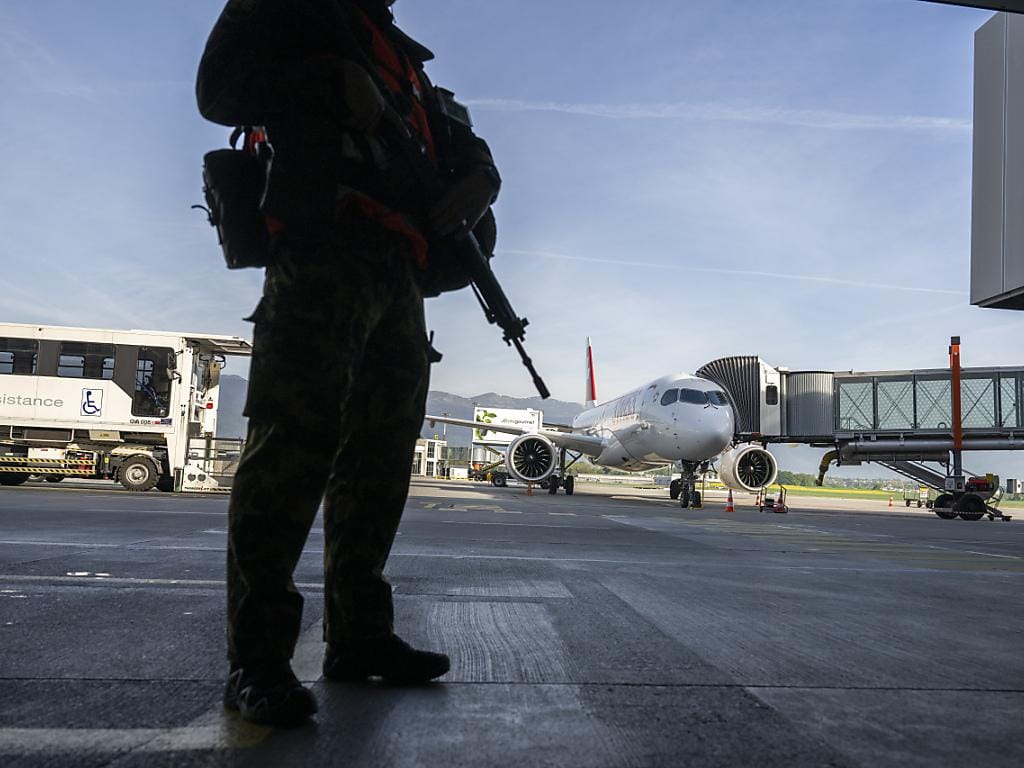
Switzerland will deploy nearly 4,000 soldiers to support security operations for the upcoming G7 Summit taking place in neighbouring France near Evian from June 12 to 17.

The Swiss Defence Ministry confirmed that military personnel will assist cantonal authorities in Geneva, Vaud, and Valais to strengthen security across the border region. The main objective is to support civilian police forces, allowing them to focus on maintaining public order during the high-profile international event.

Key security responsibilities will include the protection of sensitive infrastructure such as Geneva International Airport, as well as assistance with border security operations. The Swiss Air Force will also reinforce air policing, with temporary airspace restrictions in place from June 10 to 18.

Authorities expect many international delegates to arrive via Geneva Airport before traveling across Lake Geneva to Evian. As part of the operation, Swiss forces will monitor key transport routes, the lake area, and surrounding regions.

The army will also contribute cyber defence capabilities, drone countermeasures, and protection against nuclear, biological, and chemical threats. However, Swiss military forces will not be involved in maintaining public order, which remains the responsibility of cantonal police.

All 1,500 police officers in Geneva will be deployed, supported by reinforcements from other cantons. Specialized equipment, including high-capacity water cannons from Germany, will also be made available to assist crowd control if necessary.

The large-scale security operation follows a request from regional authorities, as the cantons of Geneva, Vaud, and Valais prepare for increased pressure during the summit period. Swiss President Guy Parmelin has noted that discussions are ongoing regarding whether France will contribute to the significant security costs incurred by Switzerland.

At the same time, tensions have emerged over planned protests. The “No to G7” coalition has criticized restrictions imposed by Geneva authorities on demonstration routes and conditions, calling them overly restrictive. While a march has been authorized for the right bank of Geneva on June 14, requests for a protest village in Parc des Bastions were rejected.

Organizers have expressed concern over policing measures and fear potential clashes, recalling violent protests during the 2003 G8 summit in the region. Despite disagreements, the coalition has confirmed it will proceed with the demonstration, stating its intention to show international solidarity and opposition to global leaders.

The G7 security operation marks one of the largest coordinated Swiss support efforts in recent years, highlighting the country’s strategic role in safeguarding major international events held just across its border.

Geneva Court Rejects ‘No G7’ Coalition Challenges.

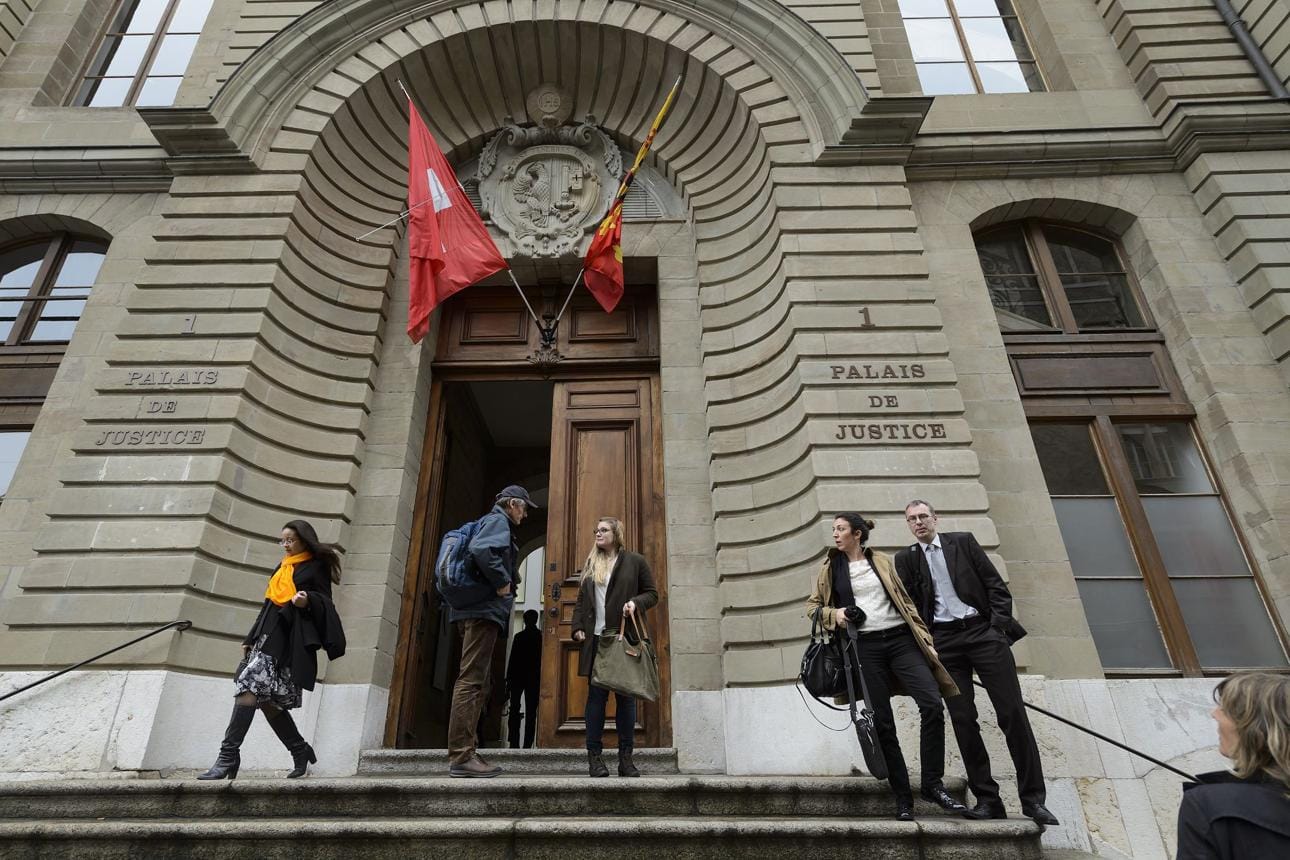
The “No G7” coalition has suffered a legal setback after Geneva’s courts rejected its challenges against decisions taken by the cantonal government regarding planned demonstrations linked to the upcoming G7 summit.

On Wednesday, Geneva authorities confirmed that the courts dismissed claims that the cantonal government had denied justice. The rulings also upheld the government’s decision to limit a planned protest to the right bank of the city.

Carole-Anne Kast, a member of Geneva’s cantonal government, welcomed the verdict and stated that the court had supported the authorities’ position. According to Kast, judges confirmed that the government had made a clear and lawful decision when it refused permission for a protest village to be established in Parc des Bastions.

The coalition had also challenged an order issued two weeks earlier that restricted the demonstration area. However, the Administrative Chamber of the Court of Justice rejected the request to suspend the measure while the case was being reviewed.

As a result, the restrictions imposed by the cantonal authorities remain in force. Organizers of the demonstration will be required to comply with the designated protest area and the conditions set by local officials.

The ruling comes as Swiss authorities continue preparations for the G7 summit, with security and public order remaining key priorities. Officials have emphasized the importance of balancing the right to peaceful protest with the need to ensure safety during high-profile international events.

The court decision marks an important development in Geneva’s preparations for the summit and clarifies the legal framework governing demonstrations during the event.

WHO Reports Decline in Suspected Ebola Cases in DR Congo.

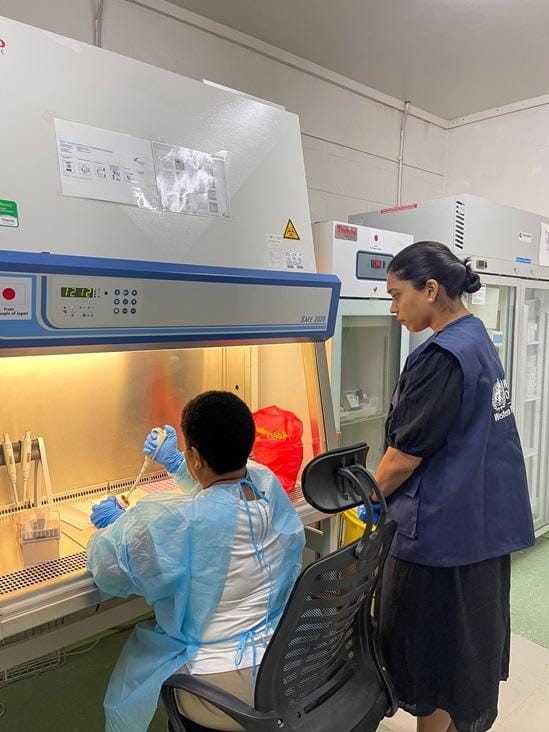
The World Health Organization (WHO) has reported a significant drop in suspected Ebola cases in the Democratic Republic of Congo (DRC), as improved testing has ruled out many earlier alerts.

According to the latest update, the number of suspected cases has fallen to 116, compared with more than 900 reported just days earlier. Many of the previously suspected patients tested negative for Ebola and were found to have other illnesses or non-Ebola-related fevers.

Despite the decline in suspected cases, the outbreak remains serious. The WHO confirmed 321 total cases and 48 deaths in the country so far, while six patients have recovered. Health authorities continue to closely monitor the situation to prevent further spread.

In neighboring Uganda, officials have confirmed nine cases and one death. The country has temporarily closed its border with the DRC as a preventive measure. However, global health experts, including the WHO, caution against broad travel restrictions, stating that only infected individuals and direct contacts should face movement limitations.

The International Organization for Migration (IOM) warned that border closures could worsen the situation by pushing people to cross unofficially, making health screening more difficult and increasing the risk of undetected transmission.

Health agencies continue to emphasize surveillance, testing, and targeted containment as the most effective tools to control the outbreak.

Gunvor Offices Searched in Swiss Corruption Probe.

Swiss authorities have searched the Geneva headquarters of commodities trader Gunvor as part of an ongoing criminal investigation into suspected bribery involving foreign public officials.

The search was conducted by federal police in May on the orders of the Office of the Attorney General of Switzerland. The development became public after it was reported by the Swiss non-governmental organization Public Eye and later confirmed by Swiss authorities.

According to the Office of the Attorney General, the investigation remains active and authorities have provided only limited information. Officials emphasized that the presumption of innocence applies throughout the legal process.

Public Eye has raised questions about an oil contract allegedly concluded in Gabon in 2024. The organization claims that a parallel payment system may have been used to compensate intermediaries operating in Africa. These allegations are currently being examined within the broader investigation.

Gunvor has strongly rejected the accusations. The company stated that it has never seen or known of the contract referenced by Public Eye and accused the organization of exaggerating and misrepresenting information. Gunvor also emphasized that the company itself is not currently the direct target of the criminal proceedings and has pledged full cooperation with investigators.

The case comes as Gunvor faces renewed scrutiny due to previous corruption-related convictions in Switzerland. In 2019, Swiss authorities found the company criminally liable for corruption involving activities in Congo and Côte d’Ivoire. In 2024, the company was again found criminally liable in connection with corruption offenses linked to Ecuador.

Commodity trading remains one of Switzerland’s most important economic sectors, with Geneva serving as a major international hub for energy and commodity businesses. As a result, investigations involving large trading firms often attract significant public and regulatory attention.

Authorities have not announced when further information regarding the investigation will be released. The inquiry remains ongoing.

Switzerland Maintains Neutral Stance on Iran Conflict.

Switzerland continues to uphold its long-standing policy of neutrality in relation to the ongoing tensions and conflicts involving Iran and other Middle Eastern actors. The Swiss government does not take sides in military conflicts and instead focuses on promoting peace and diplomatic solutions.

In the context of the Iran conflict, Switzerland consistently calls for de-escalation and urges all parties involved to avoid actions that could further intensify violence. The government emphasizes the importance of reducing tensions through dialogue rather than military escalation.

Swiss authorities also stress that all parties must respect international humanitarian law and broader principles of international law. Civilian protection remains a key priority in Switzerland’s foreign policy approach to conflict situations.

As part of its diplomatic role, Switzerland has historically acted as an intermediary between countries that do not maintain direct diplomatic relations. One of the most notable examples is its role as a protecting power for communication between the United States and Iran. In this capacity, Switzerland facilitates the exchange of official messages and supports limited diplomatic communication channels.

Due to its neutrality, Switzerland does not support military actions by any side. At the same time, it does not endorse retaliatory measures or escalation in conflicts involving Iran. Instead, it positions itself as a mediator that encourages peaceful negotiation and international cooperation.

In line with its neutrality laws, Switzerland also applies strict regulations on arms exports and may restrict certain military-related transit activities to ensure compliance with international obligations.

Overall, Switzerland’s position on the Iran conflict reflects its core foreign policy principles: neutrality, conflict prevention, respect for international law, and commitment to diplomatic dialogue as the primary means of resolving international disputes.