

Chaplin’s World Misses Record Attempt.

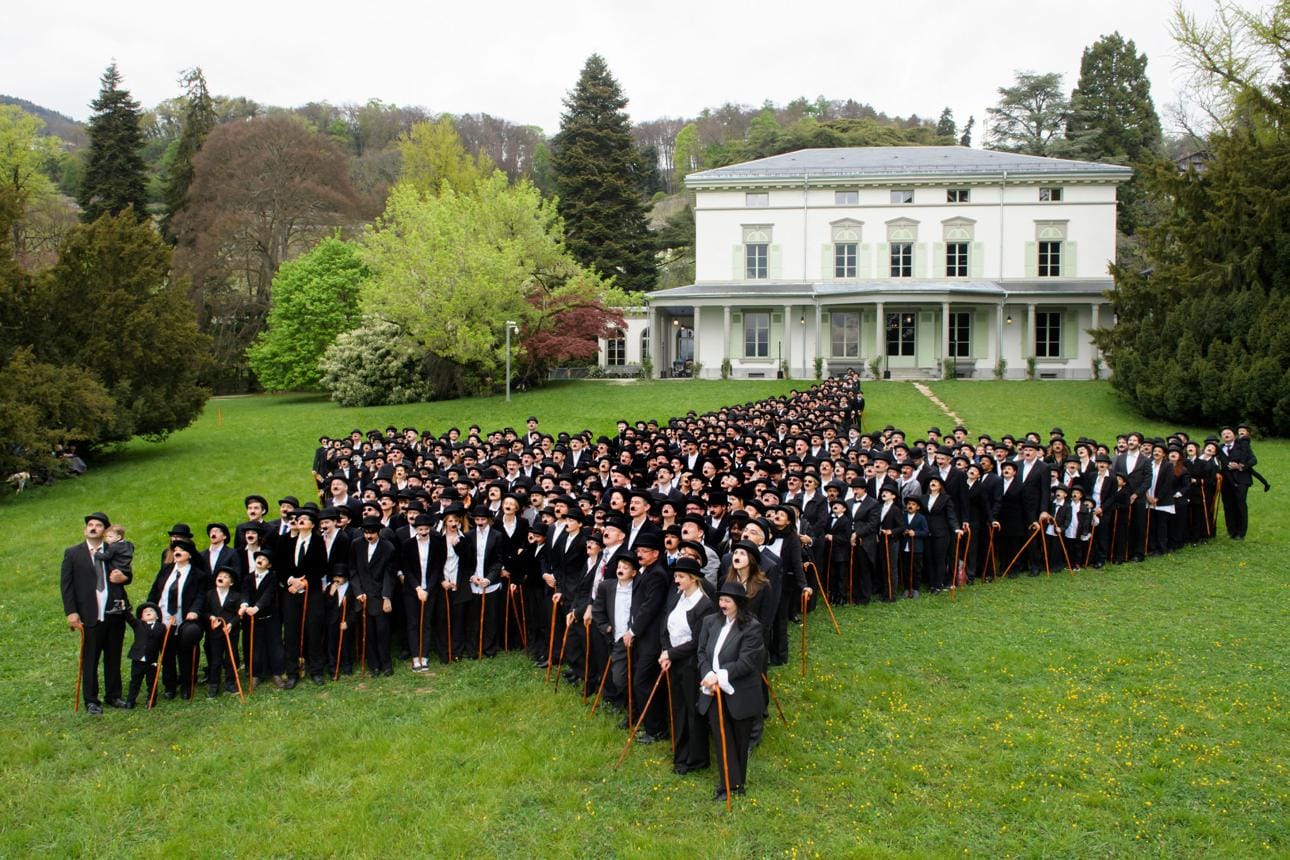
Chaplin’s World in Switzerland celebrated its tenth anniversary with a unique tribute to legendary filmmaker Charlie Chaplin. Hundreds of fans dressed as the iconic actor gathered at the museum in Corsier-sur-Vevey on Sunday, hoping to break the world record for the largest gathering of Charlie Chaplin look-alikes.

A total of 429 participants arrived wearing Chaplin’s signature outfit, including the famous black bowler hat, moustache, suit, and walking stick. Together, the participants formed a giant number “10” in the gardens of the historic Ban mansion, marking a decade since the museum first opened its doors.

Despite the enthusiastic turnout, the event fell short of its ambitious goal. Organisers had hoped to attract 1,000 participants and surpass the existing record. However, the final count remained well below the 662 look-alikes who gathered at the same location in 2017, meaning the record remains unbeaten.

The anniversary event was part of a broader programme of celebrations planned throughout the year. Chaplin’s World continues to attract visitors from around the world who want to explore the life and legacy of one of cinema’s most influential figures.

Located above Vevey in western Switzerland, the museum opened in 2016 and transformed the historic Ban mansion into an immersive cultural attraction. The estate served as Charlie Chaplin’s home during the final 25 years of his life after he settled in Switzerland.

Chaplin moved to Switzerland in 1953 and spent much of his later life there with his family. Today, the museum offers visitors a unique insight into his personal life, cinematic achievements, and lasting impact on the world of entertainment.

Although the record attempt did not succeed, the gathering created a memorable celebration of Charlie Chaplin’s legacy and highlighted the continued popularity of one of cinema’s greatest icons. Organisers say the anniversary events will continue to attract film enthusiasts and tourists throughout the year.
Swiss Alpine Passes Open for Summer Travel.

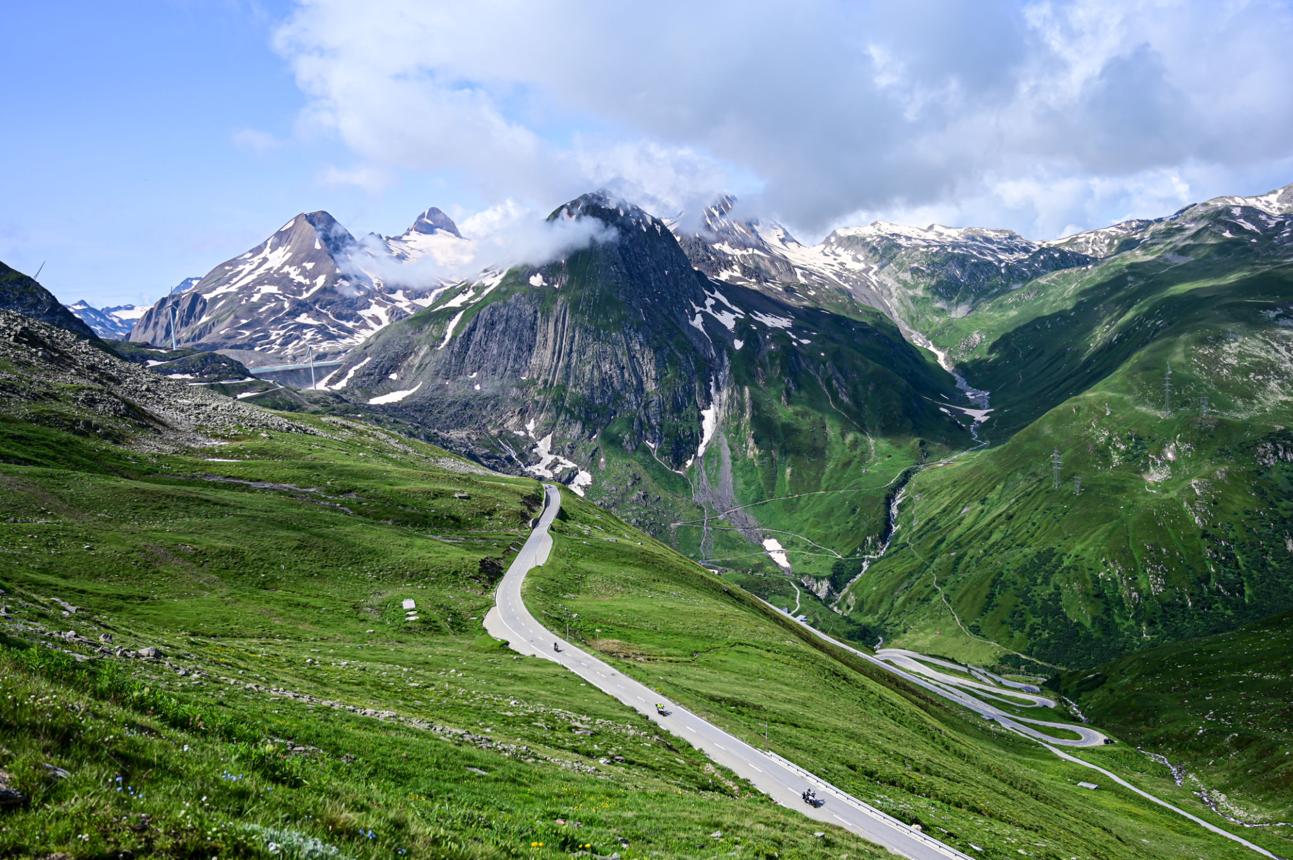
Switzerland has reopened three more major Alpine passes for the summer season, making travel across the country’s mountainous regions easier for residents and tourists. The Furka, Grimsel, and Nufenen passes officially reopened on Friday following their winter closures.

The Furka Pass, located at an altitude of 2,429 metres, reopened to traffic from 9 a.m. The scenic mountain route connects Realp in the Canton of Uri with Obergoms in Valais, providing an important link between the two regions during the summer months.

The Grimsel Pass, standing at 2,164 metres above sea level, also resumed operations. This key route connects Innertkirchen and Gletsch and is widely used by travellers exploring Switzerland’s spectacular Alpine landscapes. The Nufenen Pass, Switzerland’s highest fully paved mountain pass at 2,478 metres, reopened as well, reconnecting Ulrichen in Valais with Airolo in Ticino.

According to the Touring Club of Switzerland (TCS), only two major Alpine crossings remain closed among Switzerland’s 77 most important mountain passes. The Susten Pass, which links Innertkirchen and Wassen, and the Great St Bernhard Pass, connecting Valais with Italy’s Aosta Valley, are still awaiting reopening due to seasonal conditions.

Several other strategic Alpine routes, including the famous Gotthard Pass road between Andermatt and Airolo, had already reopened ahead of the Ascension and Whitsun holiday weekends. The reopening of these mountain roads marks the beginning of the busy summer travel season and offers visitors easier access to some of Switzerland’s most breathtaking Alpine destinations.

Swiss Tourism Set for Decline in Summer 2026 Due to Global Conflict Impact.

Swiss tourism is expected to record fewer overnight stays in summer 2026, marking the first decline since the end of the pandemic recovery period. According to a report by BAK Economics, the downturn is mainly linked to reduced demand from long-distance travel markets affected by the ongoing conflict involving Iran War.

The forecast, prepared for the State Secretariat for Economic Affairs (SECO), estimates around 24.9 million overnight stays in the summer season. This represents a decrease of approximately 255,000 stays, or 1% lower compared to the previous year.

Experts say the main pressure comes from declining international travel dem

Airspace restrictions and higher energy prices have made long-distance travel more expensive, reducing visitor numbers from key markets. The report highlights that Asia is the most affected region, with India and Southeast Asia experiencing significant declines due to disrupted air routes via Middle Eastern hubs.

Several Swiss tourism operators have already felt the impact. Companies such as Jungfraubahn Holding AG and Titlis-Bahnen recently issued profit warnings, citing a drop in visitors from Asian markets.

The tourism sector, which plays a crucial role in Switzerland’s economy, is now facing uncertainty as global geopolitical tensions continue to influence travel patterns. Analysts warn that recovery may depend on the stabilization of international travel routes and energy prices.and, particularly from Asia and other long-haul markets. Flight disruptions, rising fuel costs, and increased travel expenses have all contributed to weaker tourism flows into Switzerland.