Swiss Concern Over Global Security Reaches 20-Year Low Confidence.

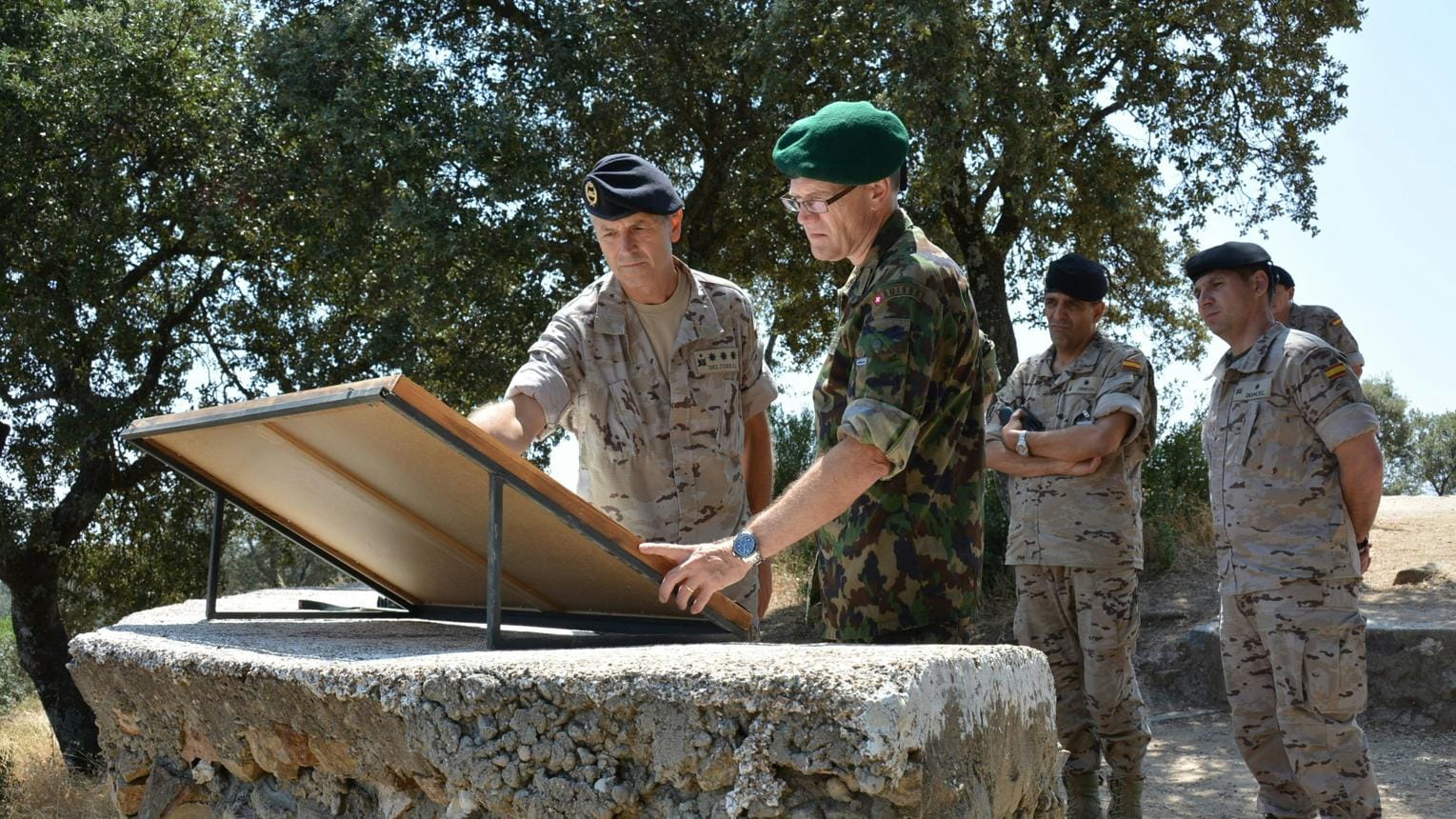
Public concern about global instability has significantly increased in Switzerland, according to the latest Federal Department of Defence, Civil Protection and Sport “Security 2026” survey released on Tuesday. The findings reveal that Swiss citizens are increasingly anxious about international conflicts and the country’s long-term security position.

The survey shows that 86% of respondents feel pessimistic about the global political situation, marking a sharp rise in insecurity perceptions. Many also expressed concern about Switzerland’s own future stability in an increasingly uncertain geopolitical environment.

According to the report, overall feelings of personal and national security in Switzerland have dropped to their lowest level in the past 20 years. More than 80% of participants believe that the Swiss armed forces remain either “absolutely necessary” or “rather necessary” for national defence and crisis response.

The study also highlights growing support for increased defence investment. Around 29% of respondents believe that military spending is currently too low, the highest level recorded since 1986. This indicates a clear shift in public opinion toward strengthening national defence capabilities.

At the same time, attitudes toward compulsory military service are divided. About one-quarter of respondents support abolishing mandatory service, reflecting ongoing debate about the role of citizens in national defence.

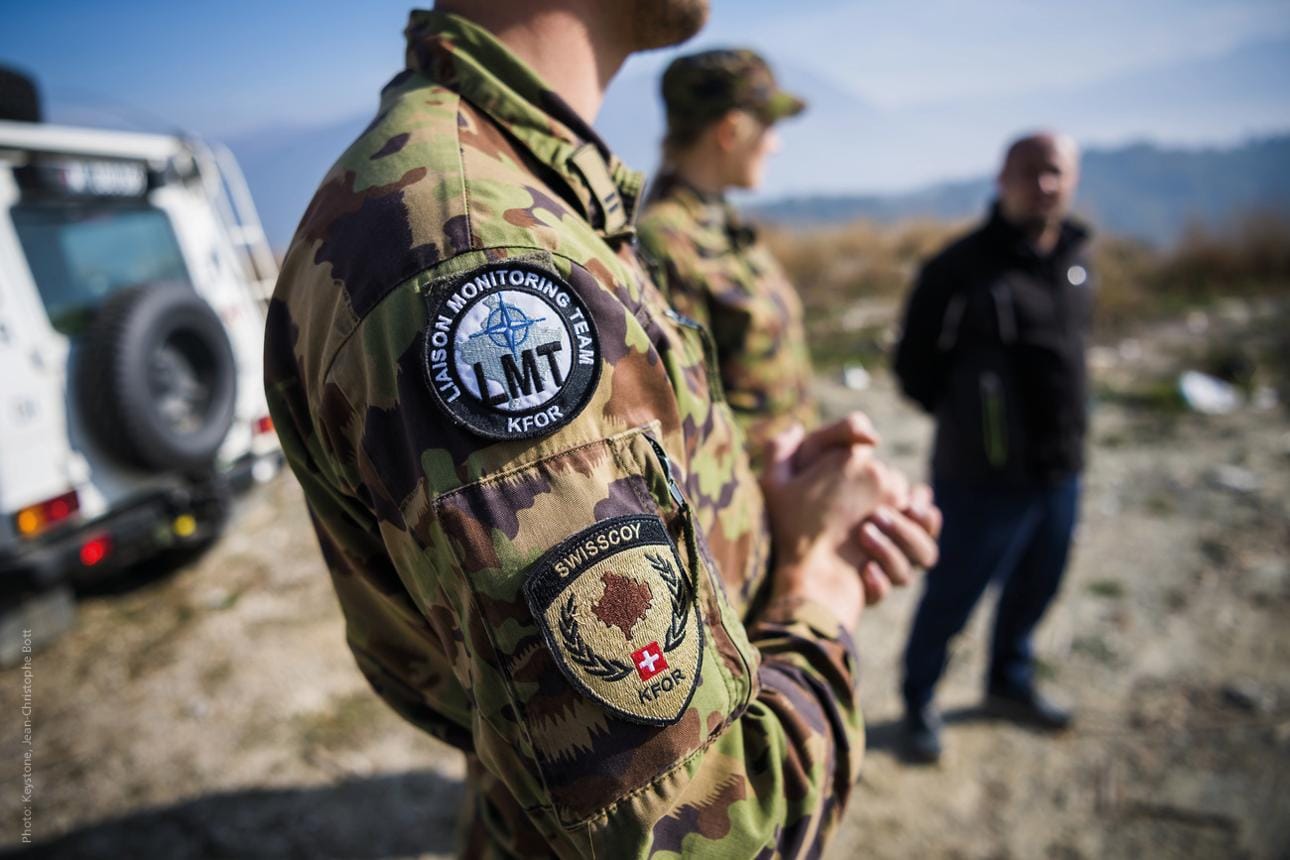
Another key finding shows that a slight majority of Swiss citizens now support closer cooperation with NATO. This marks a notable shift in a country traditionally known for its long-standing policy of neutrality.

The report further states that more than half of respondents believe Switzerland’s neutrality can no longer be credibly defended in military terms. This signals a significant change in public perception regarding the country’s traditional foreign policy stance.

Overall, the “Security 2026” survey suggests that global instability is reshaping Swiss public opinion, with increasing support for stronger defence policies, higher military spending, and closer international security cooperation.

Swiss Banking Fraud Cases Increase in 2025, Ombudsman Reports.

Financial fraud cases have increased in Switzerland in 2025, according to the Swiss Banking Ombudsman, with online banking and card payment scams driving most complaints.

The Swiss Banking Ombudsman handled 2,575 cases last year, marking a 4% increase compared with the previous year, as reported by Ombudsman Andreas Barfuss during a press conference.

Fraud-related complaints rose significantly to 316 cases in 2025, up from 270 in 2024. Officials said phishing attacks and digital payment fraud remain the most common issues affecting customers.

Regionally, 55% of complaints came from German-speaking Switzerland, while 23% originated from abroad. French-speaking Switzerland accounted for 19%, and Italian-speaking regions remained stable at 3%.

The report noted that in 90% of cases, the disputed amount was below CHF 100,000, indicating that most incidents involve relatively moderate financial losses.

Authorities emphasized that banks are not generally legally required to reimburse victims of such fraud cases. However, each complaint is assessed individually based on the circumstances and evidence provided.

Experts warn that the rise in digital fraud reflects growing cybersecurity risks as more banking services move online, highlighting the importance of stronger user awareness and preventive security measures.

Swiss Army Expands Field Trials of Minidrones for Combat and Reconnaissance

The Swiss Armed Forces are continuing field trials of advanced minidrones designed for reconnaissance and potential combat use, as modern warfare increasingly relies on unmanned systems.

The army stated that drones are rapidly expanding capabilities in both surveillance and attack operations. These minidrones are primarily used for reconnaissance missions, allowing forces to gather intelligence without putting soldiers at direct risk.

However, military officials also acknowledge that when equipped with explosive payloads, drones can function as precision weapons capable of targeting enemy positions. This dual-use capability reflects lessons learned from modern conflicts, including the war in Ukraine, where drone warfare has significantly changed battlefield strategies.

The army is actively training personnel in First Person View (FPV) drone piloting, a system where operators use immersive goggles to control drones through live video feeds. Around 20 recruits have already undergone training as part of upcoming field trials scheduled for autumn 2025.

Further tests are being carried out by the Defence UAV and Robotics Competence Centre, focusing on how FPV drone units can be integrated into traditional combat formations. The goal is to improve coordination between drone operators and ground troops during military operations.

According to the Swiss army, drone use has become a standard feature in modern crisis and conflict scenarios. In response to growing technological threats, the Federal Department of Defence, Civil Protection and Sport (DDPS) established a dedicated Drone Task Force in June 2024.

The ongoing trials highlight Switzerland’s efforts to adapt its defense strategy while maintaining its long-standing policy of neutrality in global conflicts.

Man Caught With 50kg of Marijuana at Swiss-German Border Claims “Personal Use”

A 24-year-old Polish man has been arrested at the Switzerland–Germany border after German customs officers discovered 50 kilograms of marijuana hidden inside his vehicle.

The incident took place in Blumberg, near the border of the Swiss canton of Schaffhausen. Authorities from German customs in Singen reported that the suspect claimed the drugs were purchased in Switzerland for “personal use.”

However, officials quickly dismissed the claim, stating that the import, export, and transit of cannabis remain strictly prohibited under German law, even when claimed for personal consumption.

The seizure occurred at the end of April but was officially reported this week. Customs officers found the drugs carefully concealed in multiple locations inside a Mercedes vehicle registered in Germany.

According to investigators, the cannabis was packed into 47 separate bags and hidden in the boot, spare wheel compartment, and footwell area behind the rear seats.

German authorities confirmed that criminal proceedings are now underway against the suspect as they continue to investigate the origin and intended destination of the large drug shipment.

Officials highlighted that cross-border drug trafficking remains a serious concern in the region due to the proximity of Switzerland and Germany, where vehicle inspections and customs checks frequently uncover illegal transport attempts.

The case adds to a growing number of drug-related arrests along European border routes, where organized smuggling networks often exploit busy transit corridors.

Geneva Prepares Special Security Measures Ahead of G7 Summit in Evian

Authorities in Switzerland are preparing extensive security measures ahead of the upcoming G7 Summit scheduled to take place in Evian, France, near the Swiss border.

The Geneva Public Prosecutor’s Office has announced a large-scale operational plan to handle potential incidents during the summit, which will run from June 15 to June 17 on the French side of Lake Geneva.

Geneva public prosecutor Olivier Jornot said authorities are preparing for the “most dangerous scenario,” including possible mass arrests linked to protests or security incidents.

To manage the expected pressure, the prosecutor’s office plans to double or even triple its usual staffing levels during the summit period. Up to six prosecutors per day will reportedly be placed on standby to handle urgent legal procedures.

Officials also confirmed that routine hearings involving detainees will be significantly reduced during the summit in order to prioritize emergency response and security-related cases.

Security planning has identified two main risk areas. The first involves potential threats against heads of state and delegations, which falls under federal-level Swiss security responsibility. The second concerns civil disturbances, including protests, vandalism, and property damage, which will be handled by Geneva authorities.

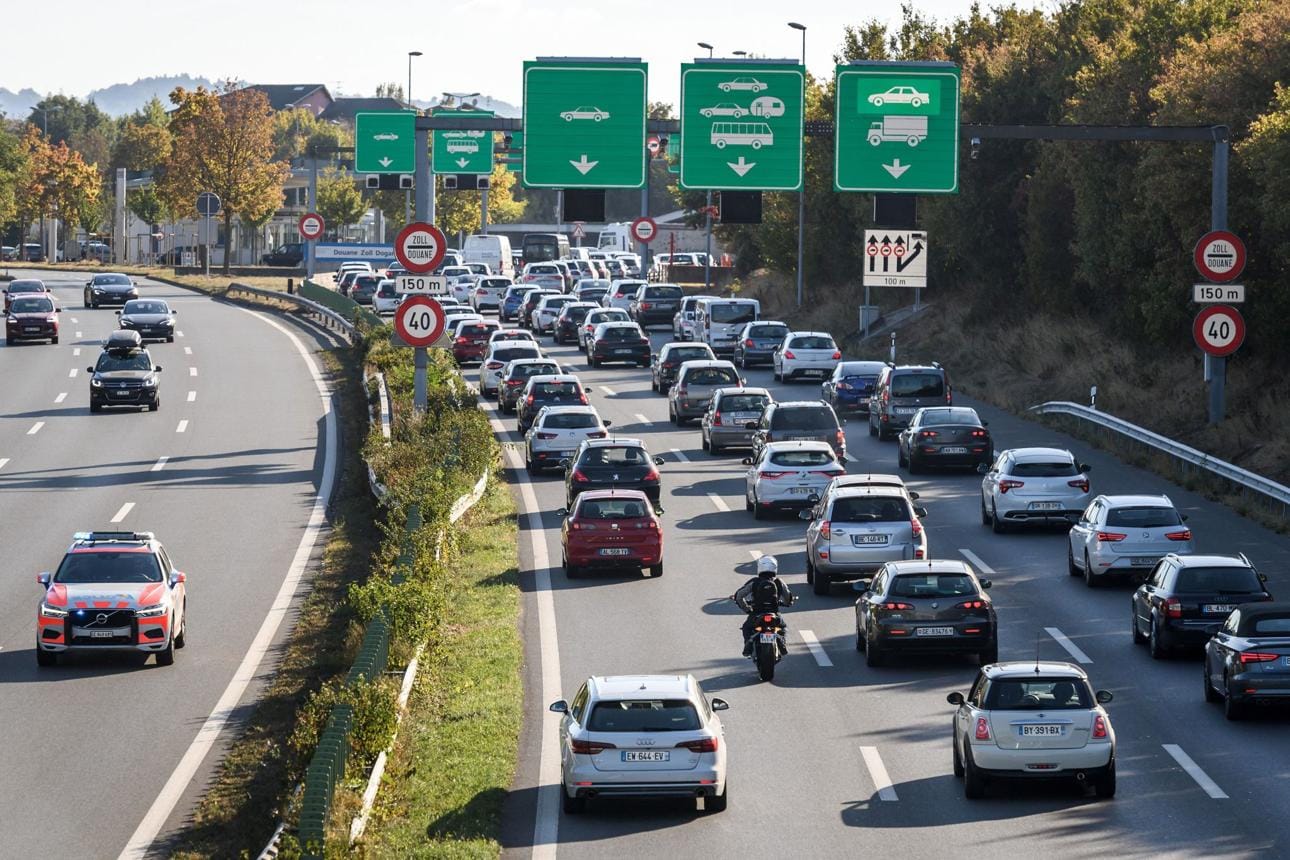
In response to these risks, Geneva will also tighten border controls during the summit period. Between June 12 and June 18, only seven of the canton’s 35 border crossings will remain open to regulate movement and strengthen security monitoring.

Authorities have cited lessons learned from the 2003 G8 summit in Evian, when protests led to significant damage on the Swiss side of the border.

The coordinated Swiss-French security strategy highlights the importance of cross-border cooperation during major international political events held in the Lake Geneva region.

Swiss Army Conducts Helicopter Shooting Training in France.

The Swiss Armed Forces has begun a specialised helicopter shooting exercise in France as part of efforts to strengthen defence capabilities and improve international military cooperation.

According to the Swiss Army, the training exercise is taking place from May 15 to May 22, 2026, in Solenzara, France. A Cougar military helicopter is being used for the operation, with soldiers practising live firing at moving targets while airborne.

The exercise focuses on improving operational procedures and tactical coordination during complex aerial combat situations. Shooting from helicopters is considered highly challenging because helicopters operate as unstable moving platforms while wind conditions continuously change during flight.

Military officials stated that the training follows strict safety regulations and can only be conducted in specially approved zones with clearly defined security areas. Due to Switzerland’s geographical limitations and restricted airspace, similar advanced exercises are difficult to organise within the country.

The Swiss government decided in 2024 to increase international military cooperation in order to modernise defence readiness and overcome domestic operational limitations. Training abroad allows Swiss forces to gain practical experience and learn from international defence partners.

The army also noted that these joint exercises improve interoperability between allied armed forces and help prepare soldiers for realistic operational environments. Defence experts say such international cooperation has become increasingly important as European nations focus more heavily on security and military preparedness.

The training exercise reflects Switzerland’s broader efforts to strengthen national defence capabilities amid changing geopolitical and security conditions across Europe.

Europe’s AI Defence Revolution Gains Momentum

European defence forces are rapidly accelerating the integration of artificial intelligence into military systems, marking a major shift from experimental use to operational deployment across the continent.

According to defence analysts speaking to Euronews, countries including Germany, France, Ukraine, and the United Kingdom are leading Europe’s push to integrate AI into modern warfare systems.

One of the most significant recent developments is the “Brave Germany” programme, launched by Germany and Ukraine, which aims to deploy approximately 5,000 joint AI-enabled medium-range strike drones. The initiative reflects growing collaboration between European states on advanced defence technologies.

Experts say Europe’s militaries have already used artificial intelligence for years in logistics, human resources, and equipment maintenance. However, recent developments show a shift toward integrating AI into core operational and tactical decision-making systems.

Stockholm International Peace Research Institute (SIPRI) researcher Laura Bruun explains that early military AI adoption began around 2015, when the technology became advanced enough to significantly improve operational efficiency.

She notes that even basic AI systems can optimise battlefield logistics and route planning, similar to navigation tools used in everyday applications.

Current AI defence investment in Europe is largely focused on two key areas: semi-autonomous weapon systems and AI-driven decision-support systems that assist commanders in real time.

Analysts say the rapid expansion of military AI raises strategic, ethical, and security questions as countries balance innovation with regulation and international law.

As AI integration deepens, Europe’s defence landscape is expected to continue evolving, with increased collaboration, competition, and investment shaping the next phase of military modernization.

Swiss Court Convicts Businessman for Supplying Sensitive Goods to Russia

Switzerland’s Federal Criminal Court has sentenced a businessman to a suspended prison term after finding him guilty of illegally supplying sensitive materials to Russia in violation of Swiss export control laws.

The court handed the man a 16-month suspended prison sentence for multiple offences under the Swiss Goods Control Act, including attempted illegal exports linked to materials allegedly intended for a programme involving weapons of mass destruction.

According to prosecutors, the businessman worked for a company that distributes laboratory equipment, medical products, and pharmaceutical materials. Over a period of four years, he supplied and offered to supply goods to two individuals connected to the Russian trade mission in Bern.

Investigators stated that products worth around CHF75,000 were successfully exported to Russia, while additional offers totaling approximately CHF934,000 were proposed but never completed due to intervention by Swiss authorities in 2024.

The case highlights Switzerland’s strict regulations on dual-use goods and sensitive technologies that could potentially support military or prohibited weapons programmes.

Swiss authorities have intensified monitoring of exports linked to Russia in recent years, particularly following international sanctions and heightened geopolitical tensions.

The ruling underscores the country’s commitment to enforcing international non-proliferation rules and preventing the transfer of controlled materials that could threaten global security.

Bern Police Launch ‘Super-Recogniser’ Pilot Project to Identify Criminals.

Bern Cantonal Police is launching a pilot project that uses officers with exceptional face-recognition abilities, known as “super-recognisers,” to support criminal investigations.

The initiative follows internal testing within the police force, where around 30 officers were identified as having above-average facial recognition skills. According to a police spokesperson, roughly 10% of participants in the screening demonstrated these enhanced abilities.

Super-recognisers have the rare capacity to accurately remember and identify faces even after brief or indirect encounters. Authorities say this capability can significantly assist in locating violent offenders and improving public safety operations.

The project development was already underway when the Canton of Bern parliament approved a motion from the Centre Party in March calling for the use of super-recognisers to strengthen policing capabilities.

Officials noted that recent public order challenges, including escalated demonstrations in the canton last October, contributed to political support for the initiative.

The Bern Cantonal Police confirmed that detailed planning for the pilot is now complete and implementation is scheduled for the summer. Officers selected for the program will be deployed to support investigations where facial identification is critical.

The pilot reflects a broader trend in European policing strategies that combine human cognitive skills with modern investigative methods to improve identification accuracy and response times.

Authorities will evaluate the effectiveness of the program after its initial rollout before deciding whether to expand it across the canton.

Swiss and French Ministers Meet in Geneva Ahead of G7 Summit

Ignazio Cassis and Jean-Noël Barrot held a high-level bilateral meeting in Geneva on Friday evening to discuss preparations for the upcoming G7 summit in France.

The meeting focused mainly on security coordination, diplomatic cooperation, and organisational planning for the G7 summit scheduled to take place next month in Évian.

Speaking after the discussions, Swiss Foreign Minister Ignazio Cassis described the summit as a significant international event for both Europe and the wider global community.

Cassis stated that Switzerland is proud to support France in organising the summit and ensuring strong regional security cooperation during the event.

He also highlighted the importance of International Geneva in supporting global diplomacy and managing international events during a period marked by geopolitical instability and global tensions.

The upcoming G7 summit is expected to attract major world leaders and international delegations, increasing the need for enhanced security measures across the Lake Geneva region.

Authorities in Switzerland and France have already announced additional border controls and security preparations ahead of the summit.

Recent concerns surrounding protests, cyber threats, and regional security challenges have led both countries to strengthen cooperation between law enforcement and diplomatic agencies.

The bilateral meeting reflects the growing strategic partnership between Switzerland and France on international security and diplomatic matters.

Officials say continued coordination will remain essential in the coming weeks to ensure the successful and secure organisation of the G7 summit.