
Swiss Glacier Snow Levels Critically Low
Glaciers across Switzerland are entering the summer season with significantly below-average snow cover, raising concerns about accelerated melting and long-term water availability.
According to the Swiss Glacier Monitoring Network (GLAMOS), snow cover across key Alpine glaciers is about 25% lower than the decade average, leaving ice masses unusually exposed at the start of the melt season.
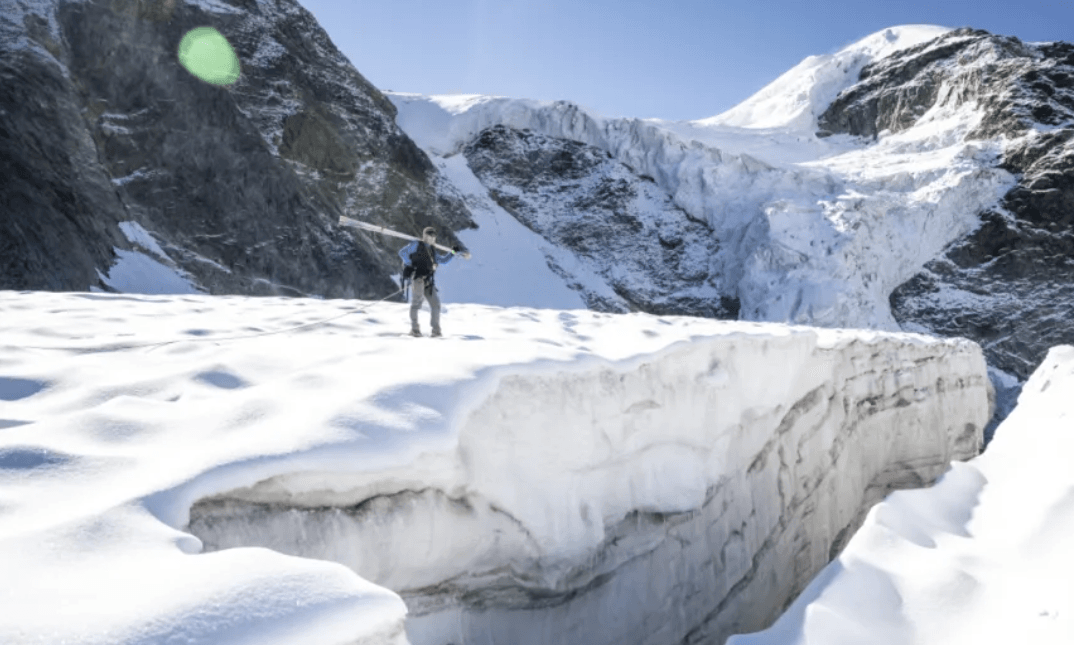
Scientists report that the reduced winter snowfall has weakened the natural protective layer that normally shields glaciers from early summer heat. This layer typically reflects sunlight and slows ice loss, but current measurements show a much thinner snowpack across major glacier regions.
GLAMOS data collected from around 25 monitored glaciers indicates widespread deficits, with some areas experiencing snow shortages of several metres compared to long-term averages. The early onset of melting is already shifting the seasonal balance, causing glaciers to begin losing mass sooner than usual.
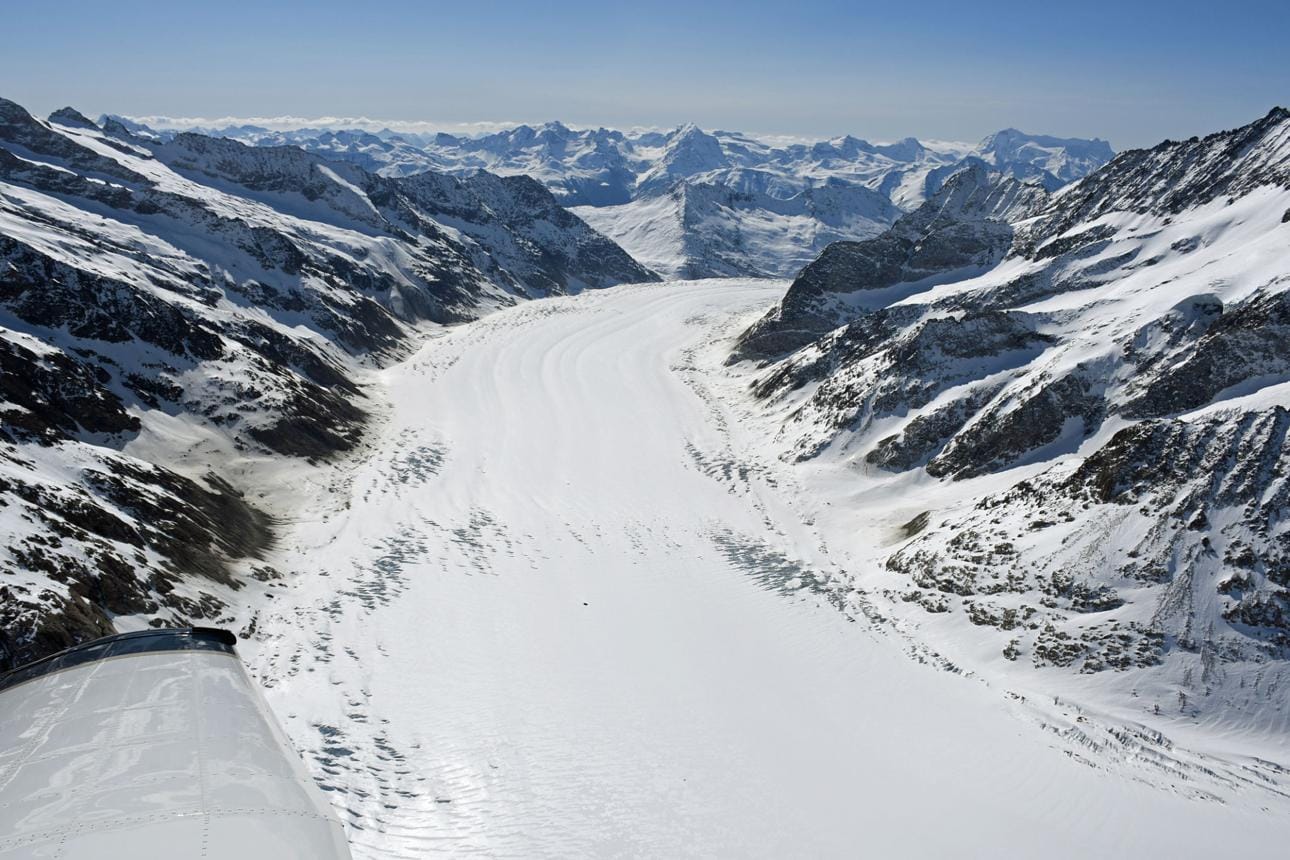
Regional variations are significant. In parts of southeastern Switzerland, including the Engadine region, snow deficits are particularly severe. Even major glacier systems such as the Great Aletsch Glacier and Rhône Glacier are reporting substantial reductions in winter accumulation.
Researchers warn that continued early-season melting could disrupt Switzerland’s role as the “Water Tower of Europe,” as glaciers regulate water flow into major river systems such as the Rhine, Rhône, and Po.
The reduced snow buffer may also impact hydroelectric power generation, agriculture, and downstream water availability across central and western Europe during late summer months.
Climate experts emphasize that while annual variability exists, the consistent pattern of reduced snow accumulation and earlier melt onset reflects a long-term trend linked to changing climate conditions in the Alps.