


Can Dumbphones Replace Smartphones Again?

A growing digital detox movement is encouraging people to abandon smartphones and return to simplified “dumbphones” in search of better mental health and improved focus.

The experiment, called Month Offline (MO), challenged participants in New York to spend an entire month without smartphones. Instead, they used upgraded flip phones created by dumb.co that still support essential services like WhatsApp, Google Maps, Uber, and two-factor authentication apps.

Participants joined the program hoping to reduce screen addiction and reclaim time lost to endless scrolling. Many also wanted to disconnect from social media pressure and constant digital distractions.

Unlike traditional flip phones from the past, these modern dumbphones combine minimal technology with practical everyday tools. Organisers say the goal is not to eliminate technology completely, but to remove unnecessary digital overload.

Danny Hogenkamp says the company developed the idea after noticing how device-free meetings improved creativity and productivity in his workplace following the Covid-19 pandemic.

The movement reflects a wider trend toward “digital minimalism,” where users intentionally reduce smartphone use to improve sleep, concentration, and emotional wellbeing. Studies increasingly connect lower screen time with better quality of life for both adults and children.

Critics question whether companies promoting “offline lifestyles” while selling modified devices truly support complete disconnection. However, supporters argue that balanced technology use is more realistic than fully abandoning digital tools in modern society.

As smartphone fatigue grows worldwide, the dumbphone movement continues gaining attention among younger users seeking healthier relationships with technology.

5 Simple Ways to Overcome Mobile Phone Addiction

In today’s digital world, many people spend a significant amount of time on their smartphones every day. Excessive mobile phone usage can negatively affect work performance, personal relationships, sleep quality, and overall mental health. Experts recommend several simple methods to reduce mobile addiction and create healthier digital habits.

The first step is to monitor screen time regularly. Understanding how many hours are spent on mobile devices each day helps users identify unhealthy patterns and set realistic goals to reduce usage gradually.

The second recommendation is to limit unnecessary notifications. Constant alerts from apps often encourage people to check their phones repeatedly. Disabling non-essential notifications can significantly reduce distractions and improve focus.

Another effective strategy is creating phone-free periods during the day. Experts advise avoiding smartphone use during meals, family time, and before bedtime. Maintaining device-free moments can improve communication, sleep quality, and emotional wellbeing.

Reducing time spent on social media platforms such as Facebook, Instagram, and TikTok is also considered important. Setting daily time limits for these apps can help users avoid endless scrolling habits.

Finally, choosing alternative activities can make a major difference. Reading books, exercising, spending time outdoors, and having direct conversations with friends and family can naturally reduce dependency on smartphones.

Experts say that small lifestyle changes practiced consistently can help people regain control over their digital habits and maintain a healthier balance between online and offline life.

Swiss Fitness Memberships Reach Record High

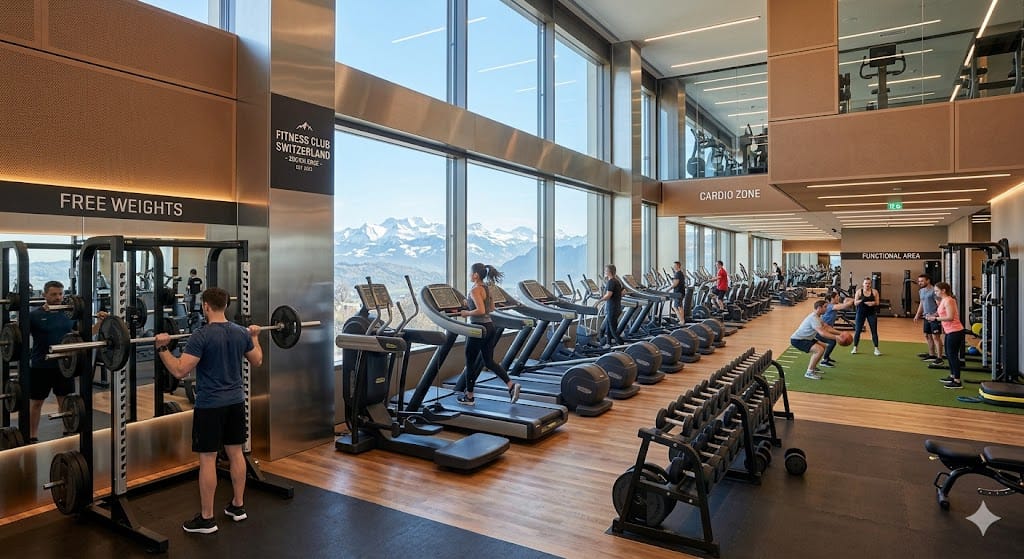
Fitness participation in Switzerland has reached a new record, with gym memberships and industry revenue rising significantly over the past year, according to the latest Key Data Study 2026.

The report shows that around 1.45 million people were registered in fitness centres last year—roughly one-fifth of the adult population. This growth has contributed to a 4.4% increase in industry turnover, bringing total revenue to approximately CHF 1.36 billion.

The data also indicates a steady rise in the number of fitness centres across the country, reflecting growing demand for health and wellness services.

Young adults aged 20 to 29 were the most active group in gym memberships. Industry body Swiss Active linked this trend to a broader “health megatrend,” particularly influencing younger generations who are more focused on fitness, lifestyle, and wellbeing.

Demand has increased for services such as personal training, nutritional guidance, and wellness coaching. However, the study also found a slight decline in participation in digital training programs and group fitness classes.

Experts say the rise in gym participation reflects a stronger national focus on preventive health, physical fitness, and mental wellbeing, especially among younger adults.

The Swiss fitness industry continues to expand as lifestyle changes and health awareness drive more people toward structured exercise routines.