

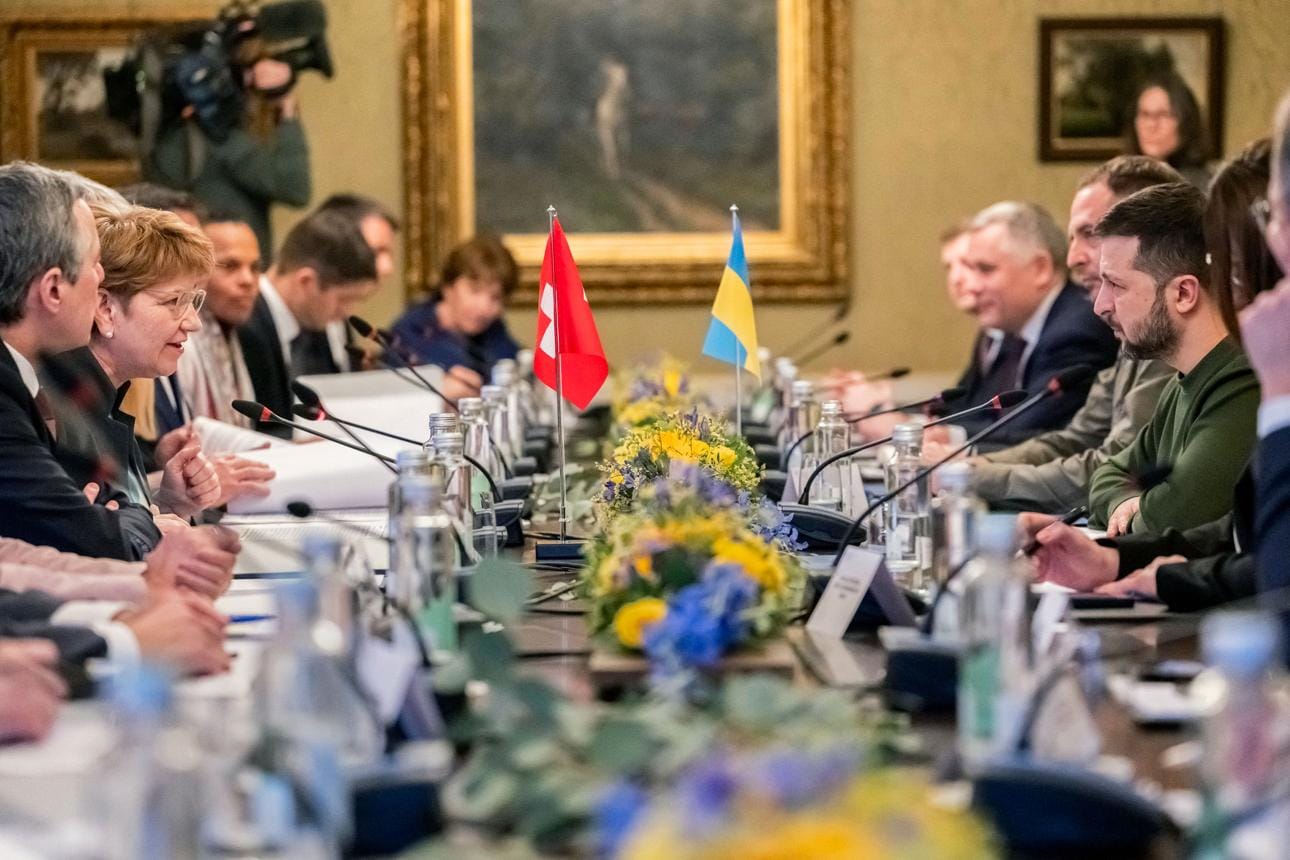
Global Ukrainian Summit Brings Leaders to Bern.

Bern hosted the Global Ukrainian Summit for the first time in Switzerland, bringing together more than 300 representatives of the global Ukrainian community from 50 countries. The three-day event highlighted international cooperation, reconstruction efforts, and the growing role of civil society in supporting Ukraine.

Government officials, diplomats, community leaders, and international partners attended the summit in the Swiss capital. Swiss government delegate for Ukraine, Jacques Gerber, joined discussions focused on strengthening partnerships between Switzerland and Ukraine.

A major theme of the summit was the role of civil society in defending Ukraine’s sovereignty and supporting the country’s long-term recovery. Participants discussed how communities around the world can contribute to rebuilding Ukraine and maintaining international awareness of ongoing challenges.

Ukraine’s Deputy Foreign Minister Mariana Betsa emphasized that Ukrainians living abroad play an important role in shaping the country’s future. She noted that support from global communities continues to strengthen Ukraine’s position on the international stage.

Leaders also highlighted the efforts of the Ukrainian diaspora in mobilizing humanitarian assistance, advocating for international support, and helping maintain global attention on the impact of the war. Delegates agreed that cooperation between governments, organizations, and communities remains essential.

The summit addressed a wide range of topics, including international security, economic reconstruction, youth engagement, cultural diplomacy, and the future role of Ukrainians living abroad. Participants exchanged ideas on how global partnerships can contribute to long-term stability and development.

Officials stressed that security remains a key requirement for the return of millions of displaced Ukrainians. Ukrainian representatives explained that long-term strategies are already being developed to support future resettlement and national recovery efforts.

The event also highlighted the importance of international coordination, including economic measures, legal accountability, and continued diplomatic support. Organizers described Switzerland as an increasingly important platform for dialogue, cooperation, and long-term partnerships with Ukraine.

The successful summit in Bern demonstrated the growing importance of international collaboration and showcased Switzerland’s role in hosting global discussions on peace, reconstruction, and humanitarian cooperation.
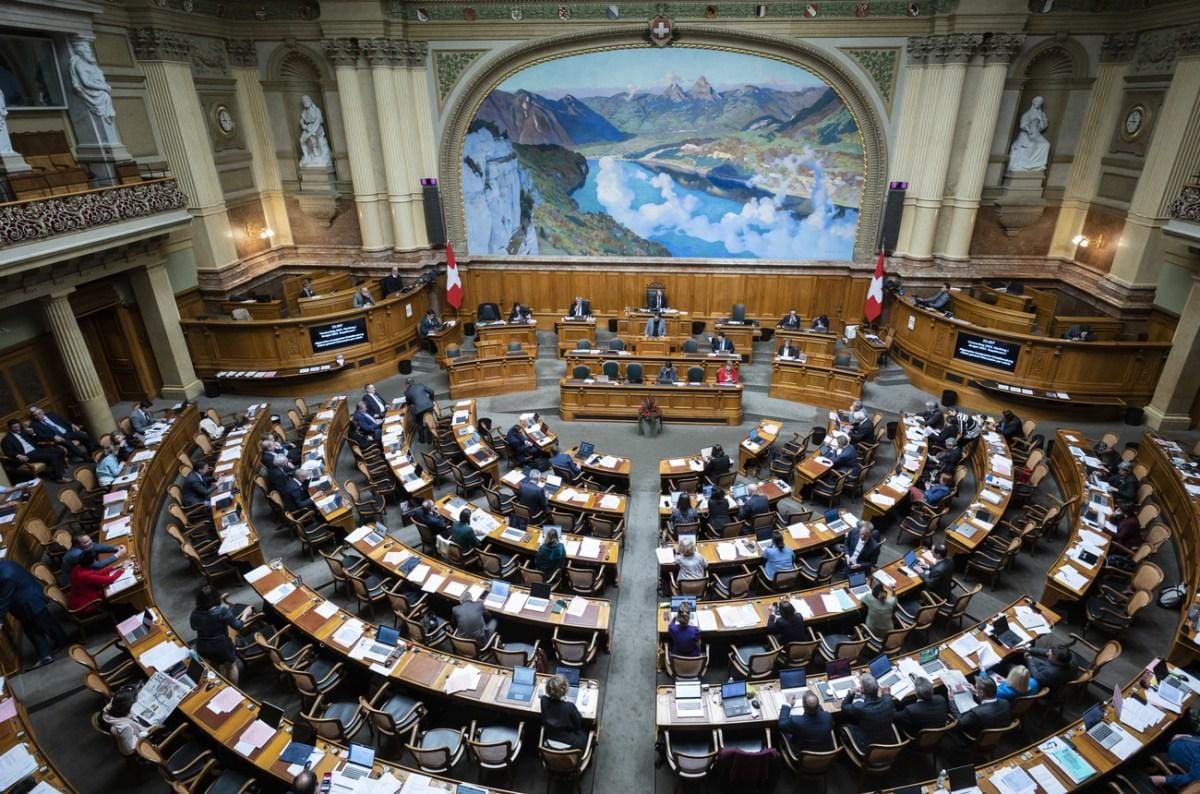
Swiss Immigration Vote Sparks Nationwide Debate Ahead of Referendum

A major political debate is gaining momentum in Switzerland as the country prepares for a crucial national referendum on immigration. The proposal, widely known as “No to 10 Million Switzerland,” aims to limit the country’s population growth by introducing stricter immigration controls. The referendum is scheduled to take place on June 14 and has already attracted nationwide attention unlike any recent public vote in the country.

The proposal was introduced by the Swiss People’s Party, a political group known for its strong stance against large-scale immigration. Supporters of the initiative argue that rapid population growth is increasing pressure on housing, transportation, healthcare, and public infrastructure across Switzerland. They believe tighter immigration policies are necessary to protect the country’s long-term stability and quality of life.

However, strong opposition to the proposal is also growing across the country. Business leaders, economists, and several political groups warn that reducing immigration could create serious labor shortages in key sectors. Industries including healthcare, construction, hospitality, and technology heavily depend on foreign workers to maintain daily operations and economic growth.

Critics of the proposal argue that immigration plays a vital role in strengthening the Swiss economy. They say limiting the number of immigrants could slow economic development, reduce workforce availability, and negatively impact Switzerland’s international competitiveness. Many experts also point out that skilled migrants contribute significantly to innovation, productivity, and tax revenue.

As the referendum date approaches, both supporters and opponents are spending heavily on nationwide campaigns to influence voters. Political advertisements, public debates, social media campaigns, and television discussions have intensified in recent weeks, turning the immigration referendum into one of the most talked-about political issues in Switzerland this year.

The outcome of the vote could shape the future of immigration policy in Switzerland and influence debates across Europe. With public opinion sharply divided, the referendum is expected to become a defining political moment for the country.

Tamil Doctor Joins Swiss Military Leadership in Historic Appointment

A Tamil doctor in Switzerland has achieved a major milestone by joining the leadership of the Swiss military medical system. Abiram Chandrelegar has been appointed Vice President of the Swiss Armed Forces Medical Association, marking a proud moment for the global Tamil diaspora.

Born in Geneva, Lieutenant Abiram Chandrelegar earned this position through dedication, expertise, and consistent service within the Swiss Armed Forces. His appointment highlights the increasing recognition of diverse professionals in Switzerland’s national institutions.

The ASMD, established in 2025, plays a crucial role in strengthening the medical division of the Swiss military. Alongside him, David M. V. Kremer has been appointed as President of the association.

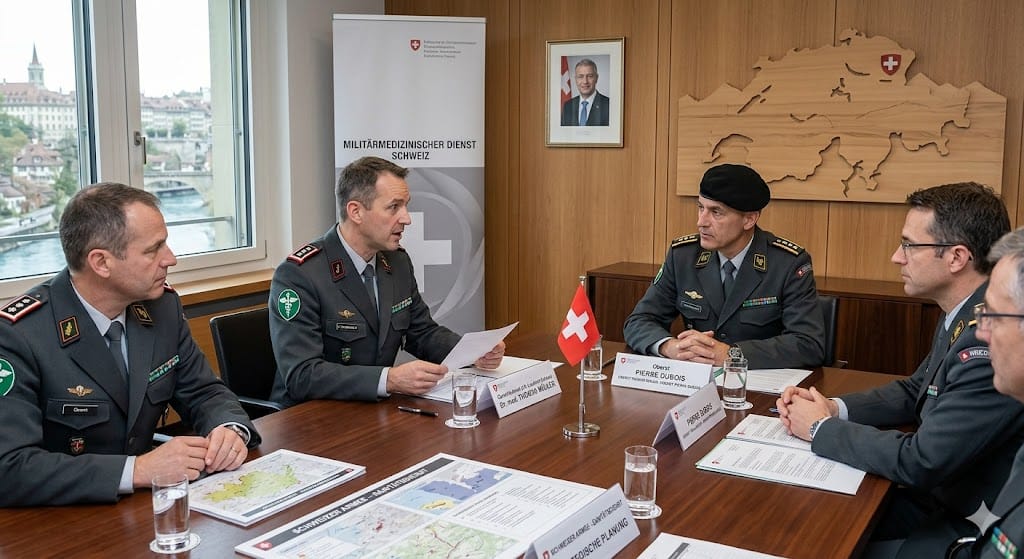
A high-level meeting was recently held in Zug, where the new leadership engaged with senior military officials to discuss global security challenges and the evolving role of military healthcare services.

The meeting included key figures such as Martin Pfister and Thomas Süssli, underlining the importance of strategic medical planning within Switzerland’s defense system.