
Middle East War Could Indirectly Affect Switzerland.
If a major conflict or war in the Middle East, particularly involving Iran, escalates further, Switzerland could be affected indirectly rather than through direct security threats. Due to its neutral position and geographic location in central Europe, the country is not expected to face immediate military risks. However, global economic and political ripple effects could still influence daily life in Switzerland.
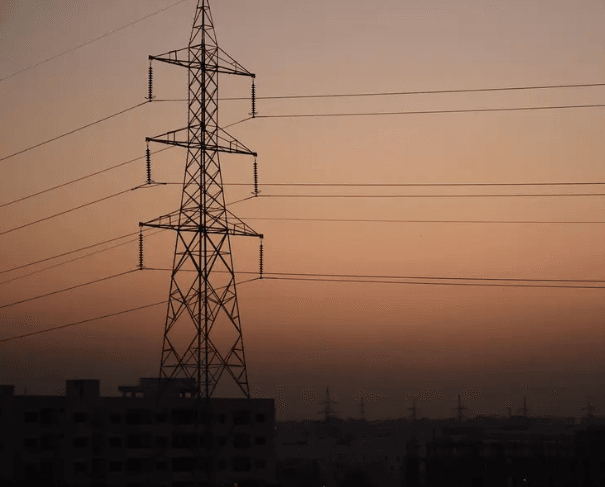
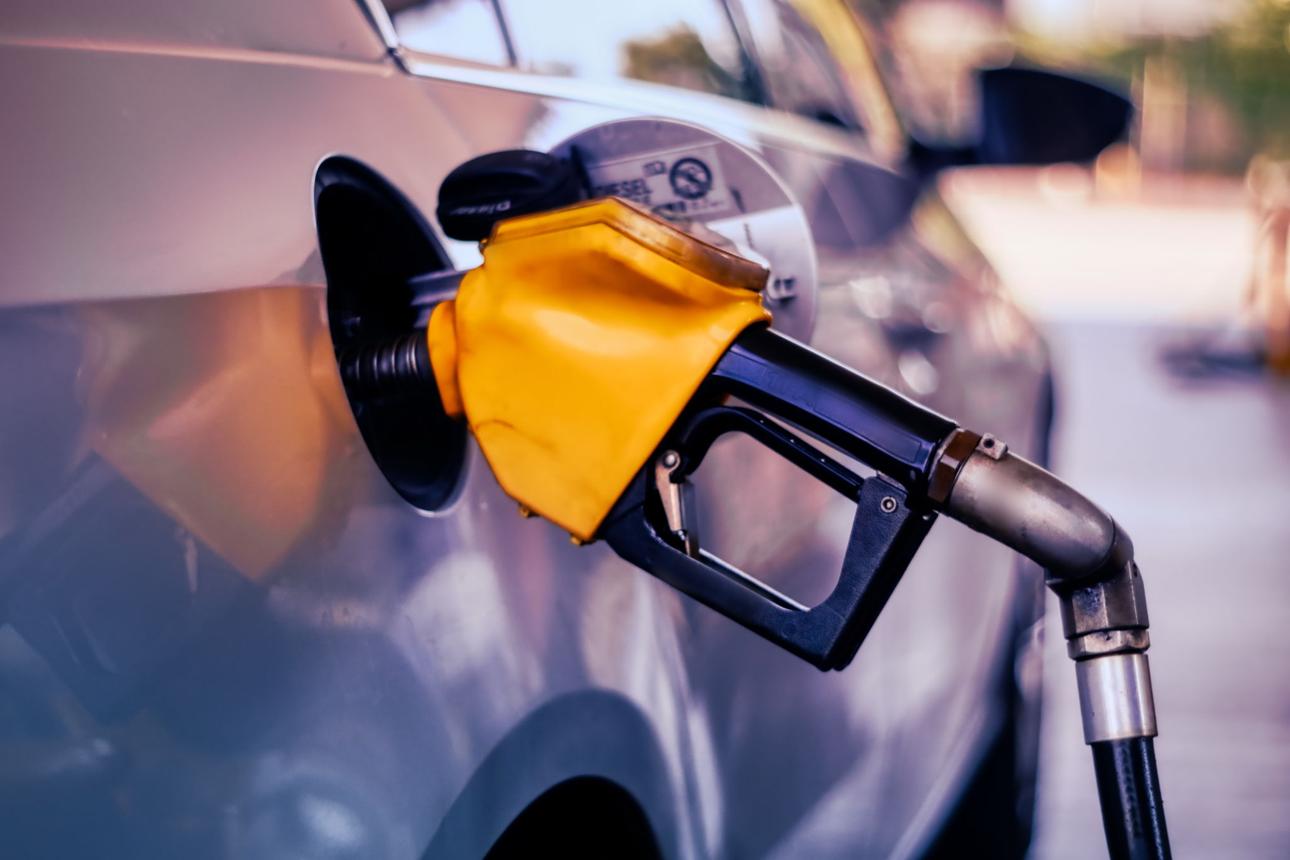
One of the most immediate impacts would likely be on energy prices. A large portion of global oil and gas supplies is linked to the Middle East. If tensions rise, global energy markets often react quickly, leading to higher fuel prices. This could affect petrol, diesel, and even air travel costs in Switzerland.
Higher energy prices typically contribute to inflation. As transportation and production costs increase, the prices of food, goods, and essential services may also rise. This can gradually affect household budgets across the country.
Financial markets may also experience volatility. Switzerland’s banking and investment sectors are closely connected to global markets, meaning uncertainty can impact stock prices, investments, and corporate performance. Export-oriented industries could also experience slower growth if global demand weakens.
There may also be broader security and migration-related effects across Europe. Increased instability in the Middle East can lead to higher refugee flows and stricter border monitoring across European countries, including Switzerland.
Despite these indirect risks, Switzerland’s neutrality significantly reduces the likelihood of any direct military involvement. The country focuses on diplomacy, stability, and economic resilience, which helps limit immediate threats to the population.
Overall, while everyday life in Switzerland is unlikely to be directly disrupted by a Middle East conflict, global economic connections mean that energy prices, inflation, and financial stability could still be affected depending on how the situation develops internationally.