Sperm Quality in Swiss Recruits Remains Stable, Study Shows.

A new scientific study has found that sperm quality among young Swiss men has remained stable over recent years, contrasting with global reports of declining male fertility indicators.

The research was conducted by the University of Zurich and the Zurich University Hospital and published in the journal New Microbes and New Infections. It compared data from 194 Swiss army recruits examined in 2021 with findings from 2,523 young men tested between 2005 and 2017.

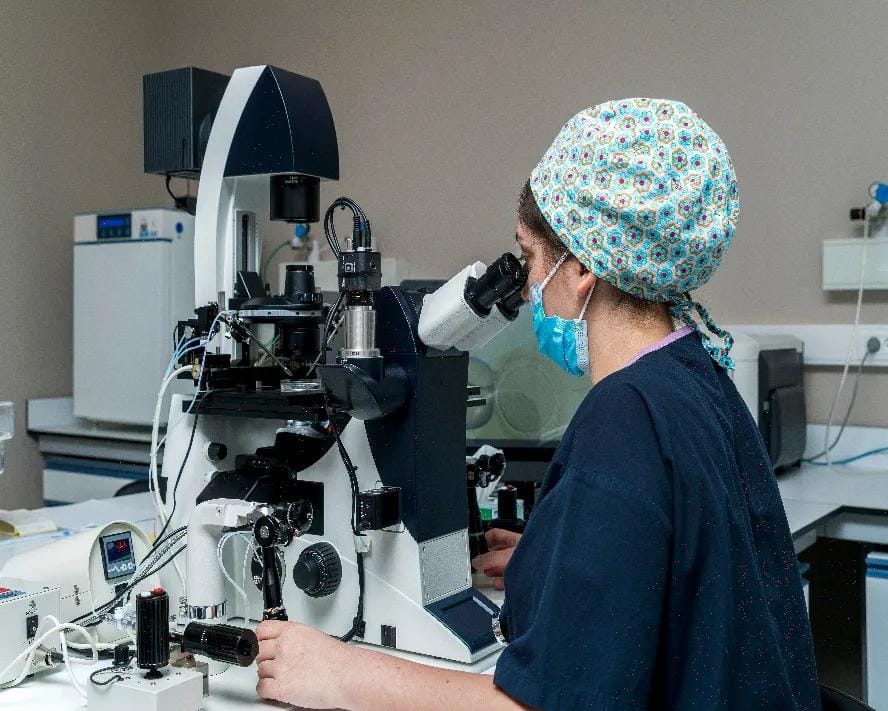
Researchers evaluated key indicators of reproductive health, including semen volume, total sperm count, sperm concentration, and sperm motility. The results showed that these measurements have remained relatively consistent over time, suggesting no further decline in sperm quality among the study groups.

According to the study, 41% of men tested in 2021 had at least one sperm parameter below World Health Organisation reference standards. In the earlier dataset, this figure was significantly higher at 62%, indicating an apparent improvement.

However, researchers caution that the results should be interpreted carefully. They note that differences in participant selection may have influenced the findings, meaning the apparent stability or improvement could partly reflect sampling bias rather than a true population-wide trend.

Despite these limitations, the study provides important insight into reproductive health trends in Switzerland and contributes to the ongoing global discussion about potential changes in male fertility. Scientists emphasize the need for further long-term research to confirm whether sperm quality trends are truly stable.

Swiss and Belgian Doctors Launch Charity for Burn Victims After Crans-Montana Tragedy.

Five months after the devastating Crans-Montana bar fire that claimed 41 lives and injured more than 100 people, Swiss and Belgian medical professionals have launched a new charity initiative aimed at supporting burn victims and advancing burn treatment research.

The organization, known as Initiative Phoenix, brings together a team of experienced surgeons and specialists from Switzerland and Belgium. The charity seeks to improve care for people suffering from severe burn injuries while promoting medical innovation and international collaboration among healthcare professionals.

Belgian plastic surgeon Dr. Johann Wary, who lives near the site of the tragedy and works at a nearby clinic, has been appointed president of the association. He explained that the project was inspired by the profound impact the disaster had on local communities and healthcare professionals involved in treating victims.

The association’s vice-president is former Michelin-starred chef Didier de Courten, who said the tragedy deeply affected those connected to the hospitality sector. He emphasized the importance of supporting initiatives that help victims and their families rebuild their lives.

Initiative Phoenix is supported by a scientific committee comprising leading Swiss and Belgian surgeons, including specialists from Lausanne University Hospital (CHUV). The committee aims to encourage research, share expertise, and develop new treatment approaches for patients with severe burn injuries.

All medical experts involved in the project are volunteering their services. The association plans to provide guidance and support to victims and their families without financial interest. It also hopes to raise funds for research projects, scholarships for young plastic surgeons, and medical treatments not fully covered by insurance.

In addition, Initiative Phoenix plans to organize an annual international scientific symposium in Crans-Montana focused on burn injury treatment and recovery. The first conference could take place in early 2027.

The launch of Initiative Phoenix represents a significant step toward improving long-term support for burn victims while strengthening international cooperation in medical research and patient care.

Association for Burn Victims Founded After Crans-Montana Fire.

A new organisation called Initiative Phoenix has been founded in Switzerland to support victims of the devastating Crans-Montana fire disaster, which killed 41 people and left 115 injured.

The association was created five months after the tragedy and aims to improve medical care, rehabilitation, and long-term support for burn victims. It focuses on promoting medical innovation in burn treatment and strengthening cooperation between international specialists.

Initiative Phoenix also plans to develop practical therapeutic guidelines for victims and their families. These recommendations will be created through collaboration between doctors and experts, allowing affected individuals to access structured medical and psychological support.

The organisation will further support humanitarian, scientific, and social initiatives related to severe accident recovery. A key goal is to improve coordination between medical institutions treating serious burn injuries across Switzerland and abroad.

The project was initiated by Belgian plastic surgeon Johann Wary, who resides in Crans-Montana. He is supported by a medical committee consisting of six Swiss and Belgian doctors, including specialists from CHUV Lausanne, one of Switzerland’s leading university hospitals.

The initiative reflects growing efforts to provide long-term care and structured recovery pathways for victims of large-scale disasters.

Swiss Scientists Develop New Gene Clock.

An international research team with Swiss participation has developed advanced “gene clocks” capable of measuring biological age and predicting lifespan in real time. The breakthrough study could transform future ageing research and health monitoring.

Scientists analysed more than 11,000 tissue samples collected from mice, rats, macaques, and humans. Researchers discovered that molecular ageing patterns inside the transcriptome remain remarkably similar across species and cell types.

The study reveals that ageing activates genes linked to inflammation, cell damage, and programmed cell death. At the same time, genes responsible for tissue repair, wound healing, and regeneration become less active as the body grows older.

Using this data, researchers created highly dynamic transcriptome clocks that can measure biological ageing more accurately. To validate the technology for humans, scientists tested the system using data from over 50,000 participants in the UK Biobank.

Experts say the new gene clocks perform similarly to modern epigenetic ageing clocks already used in scientific research. However, transcriptome clocks offer a major advantage because they respond quickly to changes happening inside cells in real time.

Researchers believe this technology could help scientists evaluate the effectiveness of anti-ageing treatments, diets, and medicines much faster than current methods. The discovery may open new opportunities in personalised healthcare and longevity research.

The study involved ETH Zurich researcher Adrian Molière and was led by Harvard Medical School scientist Vadim Gladyshev.

Geneva Scientists Advance Diabetes Cure.

Scientists at the University of Geneva have announced a major breakthrough that could pave the way toward an insulin-free future for patients with type 1 diabetes.

Researchers from University of Geneva and Geneva University Hospitals have developed an innovative hydrogel called Amniogel, which has shown promising results in preclinical tests on mice.

The study, led by Professor Ekaterine Berishvili, focuses on improving the survival and function of insulin-producing cells after transplantation into the body. Traditional pancreatic islet transplants often face challenges such as immune rejection, inflammation, and poor blood supply, especially when placed in the liver.

Amniogel, derived from human amniotic membrane, helps create a supportive microenvironment for transplanted cells. It promotes the formation of a microvascular network before transplantation, allowing better integration with the host’s bloodstream.

Researchers say this “protective environment” enables the transplanted cells to function effectively and maintain normal blood glucose levels.

In experiments involving diabetic mice, small grafts using the hydrogel maintained stable blood sugar levels for at least 100 days without the need for external insulin injections.

This marks a significant step forward in the development of a bioartificial pancreas, a long-term goal in diabetes research aimed at reducing or eliminating the need for daily insulin therapy.

The next phase of research will focus on scaling up the technology, increasing graft size and quantity, and preparing for potential human clinical trials.

Beyond diabetes treatment, scientists believe the hydrogel platform could be adapted for other types of cell-based therapies, potentially opening new possibilities in regenerative medicine.