
Bern Remains the Biggest Winner in Switzerland’s Financial Equalisation System

Switzerland’s financial equalisation system will continue to redistribute billions of francs between cantons in 2027, ensuring balanced development across the country. According to new calculations by the Federal Finance Administration, approximately CHF 4.6 billion will be transferred from wealthier cantons to those with fewer financial resources.

Although the total amount is lower than the previous year by around CHF 1.8 billion, the system remains a key pillar of Swiss federal solidarity. The mechanism aims to reduce financial disparities and help all cantons provide comparable public services.

Once again, Bern will be the largest beneficiary of the scheme. The canton is expected to receive approximately CHF 1.71 billion in net compensation payments during 2027, maintaining its position as the biggest recipient of support.

Other cantons benefiting significantly from the redistribution include Valais, which is expected to receive CHF 897 million, followed by Aargau with CHF 709 million and Fribourg with CHF 593 million. Additional beneficiaries include Neuchâtel, Jura, and Vaud.

On the contributor side, Zug and Geneva remain Switzerland’s largest financial supporters. Zug is expected to contribute approximately CHF 529 million, while Geneva will provide around CHF 497 million. Other contributing cantons include Zurich, Schwyz, Basel City, Nidwalden, Schaffhausen, and Appenzell Innerrhoden.

The Swiss equalisation system reflects the country’s commitment to economic balance and cooperation among cantons. By sharing financial resources, Switzerland seeks to maintain high-quality public services and economic stability throughout the nation, regardless of regional wealth differences.

As economic conditions evolve, the equalisation framework continues to play a vital role in strengthening national cohesion and supporting less financially advantaged regions.
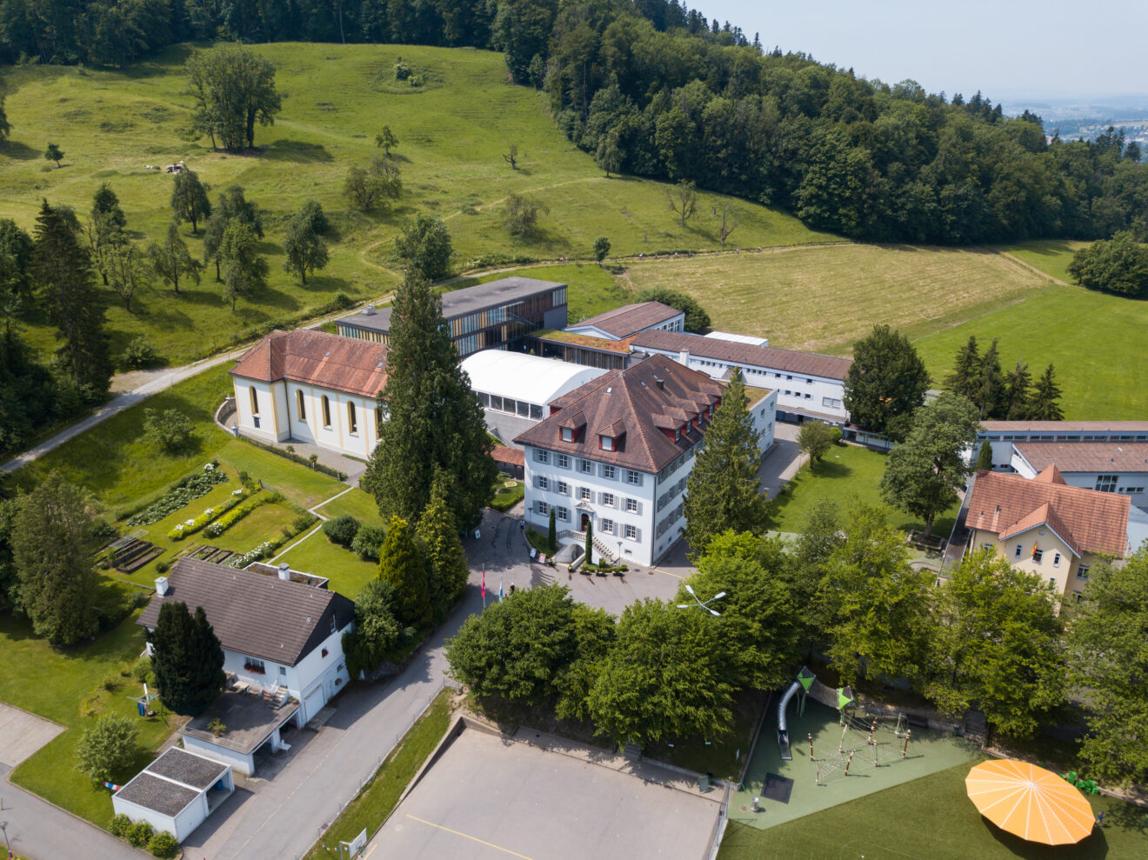

Swiss Boarding School Evacuated After Threat.

A boarding school in Zug, central Switzerland, was evacuated on Saturday after authorities received a written threat. Police and emergency services quickly responded to the incident, moving students and staff to safety while conducting a thorough security operation.

The threat was reported shortly after 4:00 PM, prompting Swiss police to deploy emergency teams to the area. Officers immediately secured the location, established a safety perimeter, and evacuated the affected buildings as a precautionary measure.

Around 30 students and caretakers were present at the school when the threat was received. Emergency personnel safely relocated everyone to a secure location, where they remained under supervision during the investigation.

Police carried out a detailed search of the school premises to identify any potentially dangerous or suspicious objects. After several hours of inspections, authorities confirmed that no suspicious items were found anywhere on the property.

The operation concluded at approximately 8:00 PM when emergency services declared the area safe. Students and staff were then allowed to return to the boarding school without incident.

Swiss police emphasized that there was never any danger to the wider public. Authorities acted swiftly to ensure the safety of everyone involved while maintaining security throughout the operation.

Investigators are now working to determine who was responsible for the threat and what motives may have been behind it. The case remains under active investigation, and officials have not yet released further details.

The incident highlights the rapid response procedures used by Swiss emergency services when potential threats are reported at educational institutions. Authorities continue to encourage the public to report suspicious activities to help maintain public safety.

Zug Tuning Car Raid: Police Seize Modified Vehicles

Police in the Canton of Zug, Switzerland, carried out a large-scale enforcement operation during a scheduled tuning car meet at Stierenmarkt, taking strict action against modified and non-compliant vehicles.

The event, which attracted car enthusiasts from multiple Swiss regions, was monitored by officers from the Kantonspolizei Zug in coordination with specialists from the Swiss road traffic authority. Authorities inspected around 30 vehicles to ensure compliance with Swiss road safety laws.

During the inspection, officials identified several serious violations. Four vehicles were immediately removed from circulation due to illegally modified exhaust systems that exceeded permitted noise and emission limits.

In addition, five high-performance sports cars were confiscated after suspicions of unauthorized ECU software tuning. These modifications are believed to have altered engine performance beyond legal Swiss standards.

Authorities also identified three more vehicles with general technical defects that made them unfit for road use. These cars were also taken off the road for further inspection.

Swiss Rent Shock: Moving Homes Could Raise Costs by Up to 50%

A new study reveals that tenants in Switzerland could face sharp rent increases when moving to a new home, with some regions seeing hikes of up to 50%.

According to research by Wüest Partner, rents for new contracts rose by around 17% between 2016 and 2025. In contrast, existing rental agreements increased by only 5% during the same period.

This growing gap means tenants who change homes often pay significantly higher rent than those who stay. As a result, many residents hesitate to move, even when their current housing no longer meets their needs.

The study highlights major regional variations:

  • Geneva: Over 50% higher rents in new contracts
  • Zug: Around 38% increase
  • Zurich: About 20% rise

These differences show how location plays a key role in rental affordability.

Impact on Tenants and Future Risks

The trend creates financial pressure, especially for middle-income households. Many tenants now avoid moving to escape higher costs.

If this situation continues, analysts warn that the rental market could become increasingly imbalanced, making housing less accessible for many people.