Swiss Firms Cited in Oxfam Report on Rising Corporate Inequality

Several major Swiss multinational companies have been named in a new Oxfam report that examines how large European corporations contribute to global economic inequality. The report claims that many firms prioritize shareholder returns and executive compensation over fair wages, social equality, and environmental sustainability.

The study covers the 100 largest European companies and highlights that, between 2022 and 2024, these firms distributed around 70% of their profits to shareholders on average. In some cases, companies even paid out more to shareholders than they earned in profit, raising concerns about long-term economic balance.

Swiss companies such as Zurich Insurance, Swiss Re, and Glencore are specifically mentioned in the report. Oxfam highlights Zurich Insurance as an example, noting that the company consistently increased dividend payouts over recent years, even during periods of profit decline.

In 2022, Zurich Insurance raised its dividend per share despite an 11.5% drop in profit. In the following years, as profits recovered and grew significantly, shareholder payouts also increased steadily, reaching CHF28 per share by 2024.

Swiss Re and Glencore are also cited for maintaining strong shareholder returns even during challenging financial periods. Glencore, despite reporting a loss of $1.6 billion in 2024, still proposed dividend payments and share buyback programs. Swiss Re also continued to increase shareholder rewards despite earlier profit declines.

Oxfam has called for stricter rules to limit dividend payouts until companies ensure fair wages across their entire supply chains and adopt stronger climate strategies. The organization argues that corporate responsibility must go beyond profit distribution to include social and environmental obligations.

The report also examines gender equality in corporate leadership. It finds that women’s representation in management remains low across major companies, rising only slightly from 25% in 2022 to 27% in 2024. However, Swiss companies Roche and Zurich achieved 50% female representation at top leadership levels.

On pay equality, companies such as Nestlé and Novartis were highlighted for showing a negative gender pay gap, which suggests relatively favorable conditions for female employees compared to industry norms.

Environmental performance remains a major concern. According to Oxfam, only a small number of companies have made strong commitments to carbon neutrality. Roche is among the few firms actively engaging suppliers to reach net-zero targets.

The report also found that only Nestlé managed to reduce emissions across all major categories over the study period. However, 58% of the companies increased their emissions, while only 41% recorded reductions.

The findings have intensified debate across Europe about corporate responsibility, fair wealth distribution, and the role of multinational companies in addressing climate change and social inequality.


Swiss Companies Featured in Oxfam Report on Rising Economic Inequality.

Several leading Swiss multinational corporations have been highlighted in a new Oxfam report examining the role of Europe’s largest companies in widening economic inequality. The report argues that many major corporations continue to prioritize shareholder returns and executive rewards over employee wages, social equality, and environmental sustainability.

According to Oxfam, the 100 largest European companies distributed an average of 70% of their profits to shareholders between 2022 and 2024. The organization claims that this approach contributes to growing wealth disparities while limiting progress toward fairer wages and stronger climate action.

Among the Swiss companies mentioned are Zurich Insurance, Swiss Re, and Glencore. Oxfam notes that some companies rewarded shareholders with amounts exceeding their annual profits.

Zurich Insurance was highlighted as an example of increasing shareholder payouts despite fluctuations in profitability. The insurer raised its dividend payments over several years, even during periods when profits declined. As profitability improved, shareholder rewards continued to increase further.

Swiss Re and Glencore were also cited for providing significant shareholder returns. Oxfam noted that Glencore continued to propose dividend payments and share buyback programs despite reporting a financial loss in 2024. Similarly, Swiss Re increased shareholder rewards during a period when profits were significantly reduced.

The report calls for stricter limits on shareholder distributions until companies can ensure fair wages throughout their supply chains and implement stronger climate commitments. Oxfam argues that sustainable business growth should balance investor interests with employee welfare and environmental responsibilities.

The study also examined gender equality within corporate leadership. While female representation in management positions improved slightly across Europe, women still occupied only 27% of leadership roles in 2024. However, Swiss companies Roche and Zurich achieved gender parity at the executive level, with women representing 50% of leadership positions.

On the issue of equal pay, Oxfam highlighted Nestlé and Novartis as examples where compensation structures appear to favor female employees, resulting in a negative gender pay gap.

Environmental performance was another key focus of the report. Oxfam stated that only four of the 100 companies analyzed have established strong carbon neutrality commitments. Roche was recognized for actively involving suppliers in efforts to achieve net-zero emissions.

Nestlé received special recognition for reducing greenhouse gas emissions across all three major reporting categories during the three-year study period. Overall, however, the report found that 58% of the companies increased their emissions, while only 41% achieved reductions.

The findings have reignited debate over corporate responsibility, sustainable finance, and the role major multinational companies play in addressing social and environmental challenges across Europe.

Roche Invests $700M in Cancer Drug Deal.

Swiss pharmaceutical leader Roche has entered a major partnership with California-based Nurix Therapeutics, committing $700 million to support the development of an experimental cancer treatment known as bexobrutideg. The agreement strengthens Roche’s position in the rapidly growing oncology market and highlights its continued focus on innovative cancer therapies.

Bexobrutideg is currently being developed as a treatment for chronic lymphocytic leukemia (CLL), one of the most common forms of blood cancer. The drug is expected to enter its final phase of clinical development later this year, bringing it one step closer to potential regulatory approval.

Researchers are also exploring the therapy’s potential use in treating B-cell lymphomas, as well as applications in neurology and immunology. This broader scope could significantly increase the medicine’s future commercial and medical value.

The collaboration agreement could eventually be worth as much as $2.3 billion if specific development and commercial milestones are achieved. Under the terms of the deal, Roche and Nurix will share profits and losses equally within the United States market.

Outside the United States, Nurix will receive royalty payments ranging from 10% to 20% of Roche’s revenue generated from the treatment. Roche will also assume responsibility for 60% of future development costs associated with the drug.

Industry analysts view the partnership as a strategic investment in a rapidly expanding healthcare sector. Roche estimates that the combined market for chronic lymphocytic leukemia and non-Hodgkin lymphoma treatments could reach approximately $41 billion by 2031. Within that market, therapies targeting Bruton’s tyrosine kinase are expected to account for nearly $19 billion.

The agreement demonstrates Roche’s commitment to advancing next-generation cancer treatments and expanding its oncology portfolio. If successful, bexobrutideg could provide new treatment options for patients while strengthening Roche’s leadership position in the global pharmaceutical industry.

As demand for innovative cancer therapies continues to grow worldwide, partnerships between major pharmaceutical companies and biotechnology firms are becoming increasingly important in accelerating medical breakthroughs and improving patient outcomes.

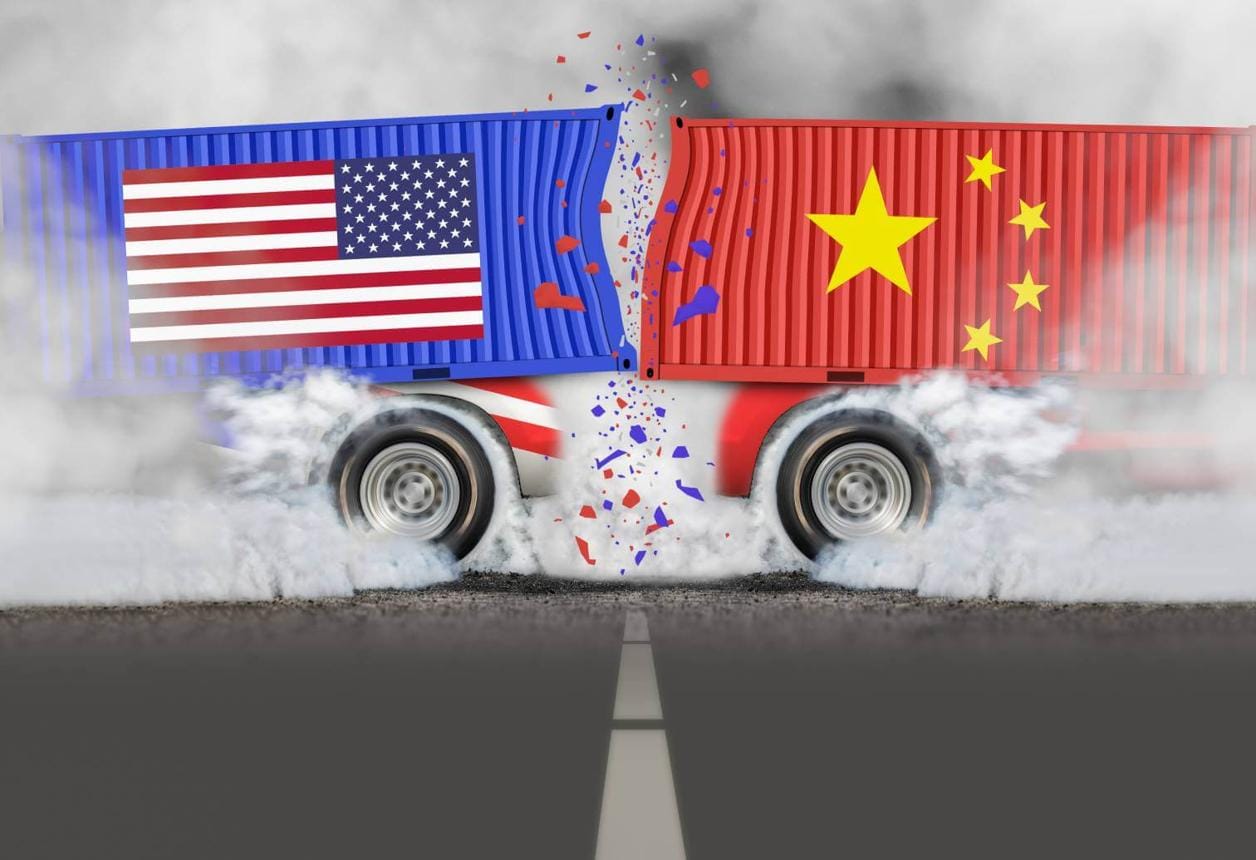
Roche Criticizes US and China Protectionism, Calls Tariff Policy “Blackmail”.

Roche Chair Severin Schwan has strongly criticized rising protectionist trade policies in the United States and China, describing US tariff strategies as a form of “blackmail” during remarks at the Swiss Economic Forum in Interlaken.

Schwan warned that the world’s two largest pharmaceutical markets are increasingly using their economic dominance to force companies to shift value creation within their borders. He said this trend is significantly disrupting the global structure of the pharmaceutical industry.

According to Schwan, both the United States and China are pursuing policies that prioritize domestic production and investment, creating pressure on international pharmaceutical firms to adapt their supply chains and operational strategies.

The comments come after Roche, alongside other major pharmaceutical companies including Novartis, reached an agreement with the US government in late 2025. The deal includes price reductions for certain medicines produced by Roche subsidiary Genentech, in exchange for a temporary exemption from US pharmaceutical tariffs.

Roche has also committed to large-scale investment in the United States, reportedly totaling around $50 billion, as part of efforts to maintain market access and regulatory stability.

However, Schwan argued that such arrangements are not genuine partnerships but rather one-sided pressures imposed by powerful markets. He stated that companies are effectively forced into compliance under the “law of the strongest.”

In response to ongoing uncertainty, Roche has increased short-term exports to the United States while accelerating long-term plans to restructure its global supply chains. The company aims to reduce its dependence on politically sensitive markets, although Schwan acknowledged that such shifts could have negative consequences for other countries, including Switzerland.

The remarks highlight growing tensions between global pharmaceutical firms and major economic powers as trade policy becomes increasingly intertwined with industrial strategy.

Switzerland Ranks 3rd Globally in R&D Intensity

Switzerland continues to strengthen its position as a global innovation hub, with major companies ranking among the world’s top investors in research and development (R&D), according to a new EY study published on Tuesday.

The analysis of the world’s 500 largest corporate R&D spenders shows that Swiss firms achieved the third-highest research intensity globally in 2025, measured by the ratio of R&D spending to revenue. Only companies in the United States and the Netherlands ranked higher.

Swiss corporations recorded an average R&D intensity of 8.4%, significantly above the European average of 6.7%, although still below the United States, which leads with 9.2%.

In total, Swiss companies invested approximately €34 billion (CHF 31.2 billion) in innovation last year, placing Switzerland sixth worldwide in total R&D expenditure.

The study highlights the strong contribution of Basel-based pharmaceutical giants. Roche remains one of the world’s leading investors in innovation, spending €14.3 billion on R&D. Novartis also plays a key role, investing €9.9 billion and ranking among the top global companies.

According to EY analysts, medicines continue to be the most research-intensive industry worldwide, reflecting the importance of pharmaceutical innovation in Switzerland’s economy.

However, the report also highlights a growing gap between Europe and the United States. While American companies increased R&D spending by 12% in 2025, European firms saw only a 5% increase, with relatively stagnant revenue growth.

At the global level, technology giants dominate absolute R&D spending. Companies such as Amazon, Alphabet (Google), and Meta (Facebook) lead the rankings, with Amazon alone investing more than €96 billion, largely driven by artificial intelligence development.

EY concludes that global companies are prioritising innovation more than ever, with R&D budgets growing faster than overall revenues. This trend reinforces the importance of research investment in maintaining long-term competitiveness.

Roche Acquires AI Specialist PathAI in Major Healthcare Deal.

Swiss pharmaceutical giant Roche has announced the acquisition of American artificial intelligence company PathAI as part of its strategy to strengthen AI-powered healthcare and digital pathology solutions.

The deal is valued at $750 million, with additional milestone payments that could increase the total value by up to $300 million.

Through the acquisition, Roche aims to expand its leadership in AI-based diagnostic technologies and accelerate the development of personalized medicine.

PathAI specializes in artificial intelligence systems used in pathology and medical diagnostics. Its AI-powered Image Management System (IMS) helps laboratories improve efficiency, analyze medical images faster, and support clinical decision-making.

Roche stated that combining PathAI’s technology with Roche’s diagnostic expertise will help speed up the development of new therapies, improve laboratory operations, and support the discovery of new biomarkers and advanced diagnostic tools.

The two companies already began collaborating in 2021, with the partnership expanding further in 2024 before the acquisition announcement.

Roche expects the transaction to be finalized during the second half of 2026, pending approval from regulatory and competition authorities.

After completion, PathAI will be integrated into Roche’s diagnostics division, strengthening the company’s position in the growing field of AI-driven healthcare innovation.

The move highlights the increasing importance of artificial intelligence in global healthcare, where pharmaceutical companies are investing heavily in digital diagnostics, precision medicine, and automated laboratory technologies.