
Swiss Authorities Raise Heatwave Alert to Highest Level in Several Regions

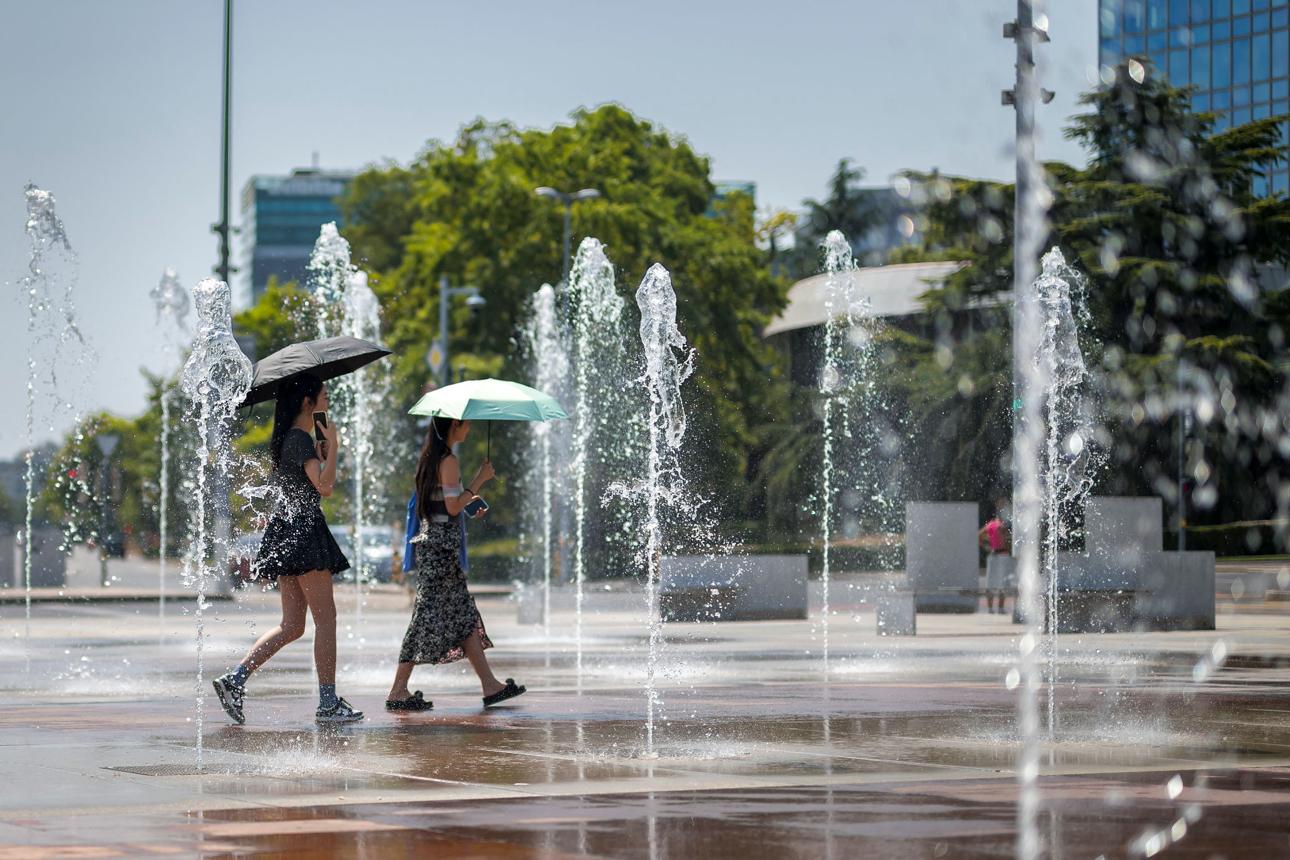
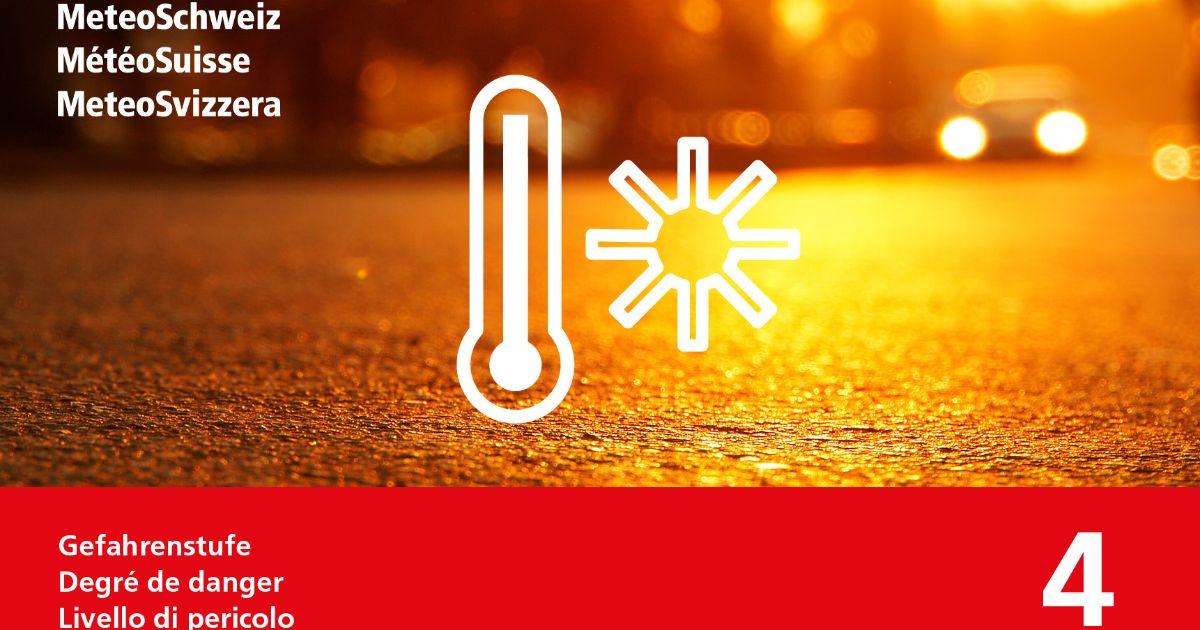
Several regions across Switzerland have raised their heatwave warning to the highest risk level as temperatures continue to soar above 30°C. Swiss weather authorities have issued urgent alerts for parts of western and northwestern Switzerland, warning residents of potential health risks linked to prolonged extreme heat. According to MeteoSwiss, the areas around Lake Neuchâtel, Lake Biel, Lake Murten, the Lake Geneva region, and central Valais are now under a Level 4 heatwave warning. The alert came into effect on Monday and is expected to remain in place until Saturday evening.

The heatwave is already affecting several parts of the country. On Monday afternoon, temperatures reached:

  • Delémont: 33°C
  • Sion: 32.1°C
  • Geneva: 31.3°C
  • Neuchâtel: 31°C

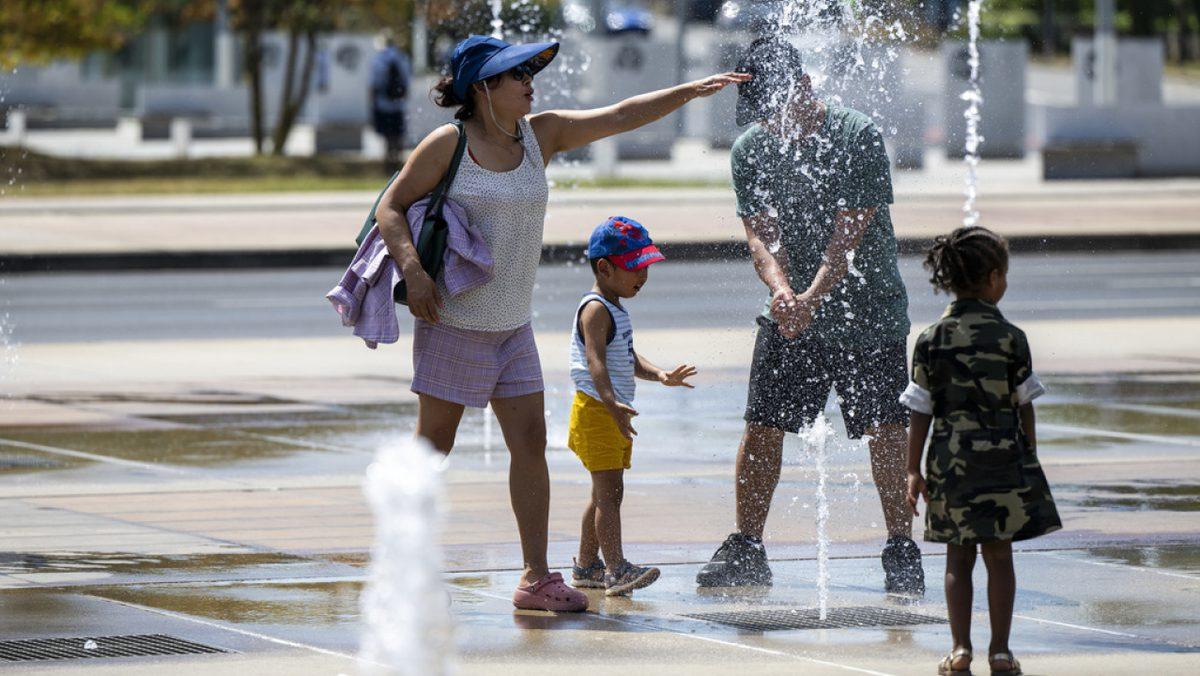
Meteorologists warn that temperatures will remain exceptionally high over the coming days, with little cooling expected during nighttime hours. MeteoSwiss states that a Level 4 alert indicates a significant health risk. Temperatures are expected to remain elevated for at least three consecutive days and nights, increasing the likelihood of dehydration, exhaustion, circulatory problems, and heat-related illnesses. Health officials are advising residents, especially older adults, children, and vulnerable individuals, to stay hydrated, avoid direct sunlight during peak hours, and reduce strenuous outdoor activities.

As classrooms across Switzerland experience rising temperatures, the Union of Teachers in French-speaking Switzerland (SER) has called for a nationwide strategy to address extreme heat in schools. The organization says prolonged heat affects learning conditions and student wellbeing. Teachers are urging authorities to introduce long-term solutions rather than temporary measures.

The teachers’ union is proposing several improvements, including:

  • Installation of external sunshades
  • Increased green spaces around schools
  • Better classroom ventilation systems
  • Climate-adapted school infrastructure

Education representatives argue that heatwaves are becoming more frequent and schools must be prepared for future extreme weather events.

The latest heatwave highlights the growing impact of extreme weather across Europe. Scientists have repeatedly warned that climate change is increasing the frequency and intensity of heatwaves, placing greater pressure on public health systems, schools, and infrastructure. Swiss authorities continue to monitor conditions closely and may issue further warnings if temperatures continue to rise.
Swiss Heatwave Alert Raised to Level 4

Switzerland has raised its heatwave warning to one of the highest alert levels as extreme temperatures continue to affect several regions across the country. According to MeteoSwiss, areas surrounding Lake Neuchâtel, Lake Biel, Lake Murten, Central Valais, and the Lake Geneva region have now been placed under a Level 4 heatwave alert.

The affected areas include Estavayer in the canton of Fribourg, Nidau and Ins in the canton of Bern, Plaine de l’Orbe and Cudrefin in the canton of Vaud, as well as the Lake Geneva region and Central Valais. These regions join northwestern Switzerland, including the Basel area and the Delémont Valley, which are already under the same high-level warning.

MeteoSwiss stated that a Level 4 alert indicates a prolonged period of extreme heat lasting at least three consecutive days, with temperatures remaining unusually high even during nighttime hours. The lack of cooling overnight increases the health risks associated with the heatwave.

Health officials warn that the current conditions could lead to circulation problems, dehydration, heat exhaustion, and significant physical discomfort, particularly among elderly people, children, and individuals with existing medical conditions.

Residents are advised to stay hydrated, avoid unnecessary outdoor activities during peak afternoon hours, seek shaded or air-conditioned environments whenever possible, and regularly check on vulnerable family members and neighbours. Swiss authorities continue to monitor the situation closely as the heatwave affects multiple cantons across the country.

Teenager Dies After Devastating Zurich Storm

A tragic incident has shaken Zurich after a 16-year-old girl died from injuries sustained during a powerful storm that swept across the city on Friday evening.

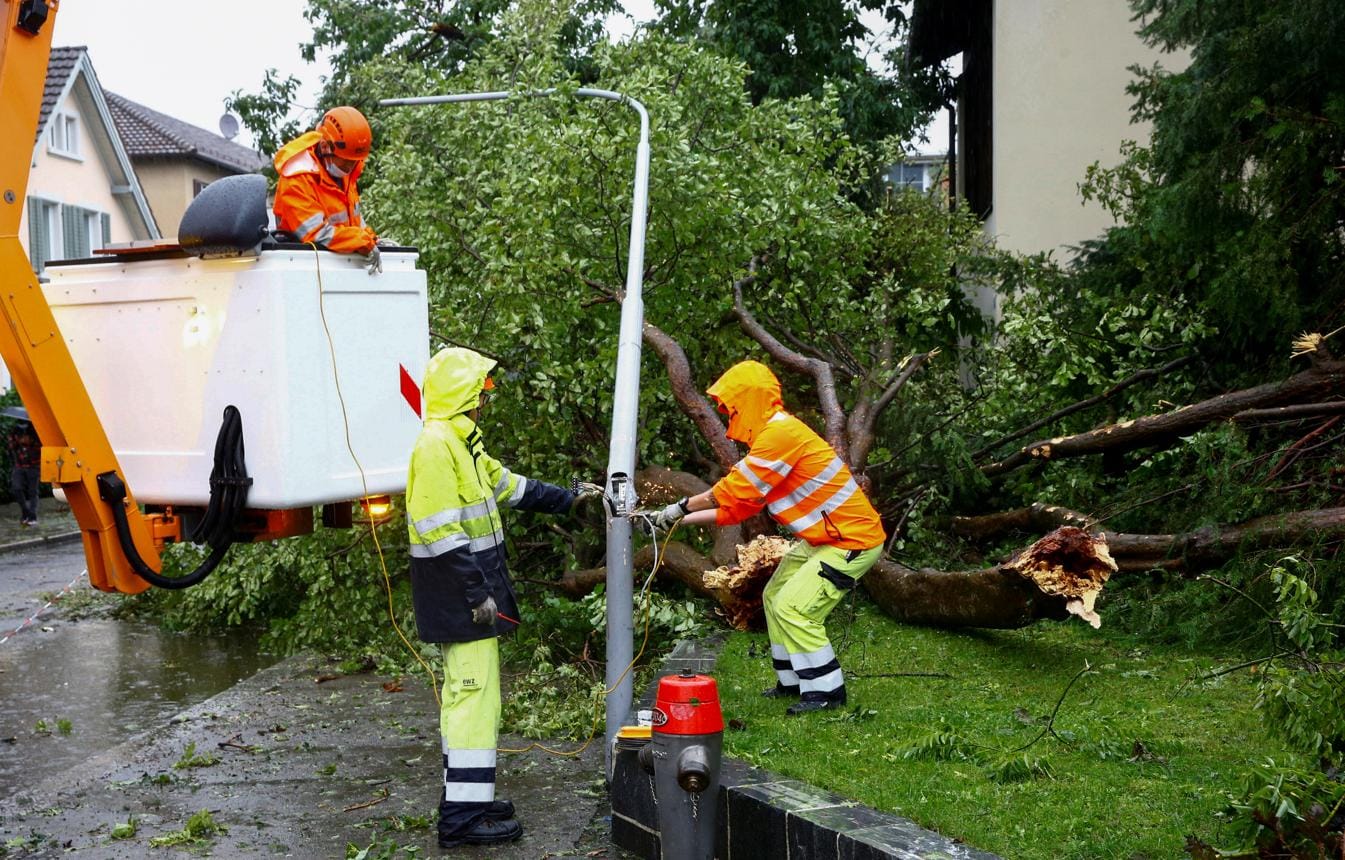
The teenager was critically injured when a falling tree branch struck her during the severe weather. Emergency responders rushed her to hospital, where doctors fought to save her life. However, Zurich’s Protection and Rescue Service later confirmed that she had passed away from her injuries.

Authorities have launched an investigation into the exact circumstances surrounding the accident. Zurich City Police, the Zurich Institute of Forensic Medicine, and the public prosecutor’s office are working together to determine the cause of death and establish all relevant details.

The fatal incident occurred as intense thunderstorms moved across large parts of Switzerland. One particularly severe storm travelled from Urdorf toward Winterthur at around 6:00 p.m. and remained over Zurich for nearly two hours, bringing strong winds, heavy rain, and dangerous conditions. Emergency services faced a challenging night as the storm caused widespread disruption throughout the city. Zurich’s Protection and Rescue Service responded to approximately 270 emergency incidents linked to the extreme weather conditions.

Ambulance teams were dispatched to around 50 separate emergencies, assisting injured residents and addressing storm-related hazards. Officials confirmed that the storm resulted in one fatality and several additional injuries across the city.

Weather experts have warned that severe thunderstorms can develop rapidly during Switzerland’s summer season, creating risks from falling branches, flying debris, flash flooding, and strong wind gusts.

Local authorities continue to urge residents to monitor weather alerts, avoid parks and wooded areas during storms, and seek shelter immediately when severe weather warnings are issued.

Heatwave Brings Tropical Nights Across Switzerland

Switzerland is currently experiencing a strong heatwave, with several regions reporting tropical nights where temperatures did not fall below 20°C. The unusually warm conditions are affecting many parts of the country, according to weather authorities.

In Basel, temperatures remained as high as 23.2°C overnight, while in St. Gallen it was already 24.5°C early in the morning, according to data from MeteoSwiss and Meteonews. These readings indicate persistent warmth even during nighttime hours.

Weather forecasts show that daytime temperatures are expected to exceed 30°C across much of Switzerland on Friday. In the coming week, meteorologists warn that temperatures could rise above 35°C in some regions, intensifying the ongoing heatwave.

Authorities have also raised concerns about the increasing risk of forest fires due to the combination of high temperatures and a lack of rainfall. Parts of the canton of Valais are currently under a high fire danger alert at level 4 out of 5.

Climate experts have noted that heatwaves of this intensity are becoming more frequent across Europe, raising long-term concerns about climate change and its impact on weather patterns in Switzerland.

Residents are being advised to stay hydrated, avoid prolonged exposure to direct sunlight during peak hours, and take necessary precautions to protect vulnerable groups such as the elderly and children.

Drought Conditions Continue Across Switzerland Despite Recent Rain

Switzerland continues to face persistent drought conditions even after recent rainfall, with water levels in many rivers and lakes remaining critically low across the Swiss Plateau.

According to hydrologist Manuela Brunner from the Institute for Snow and Avalanche Research (SLF), the recent precipitation has had only a limited impact. She described the rainfall as “a drop in the ocean,” highlighting the ongoing severity of the situation.

Water Levels Remain Below Average

Measurements show that water levels in several rivers and lakes on the Swiss Plateau have reached unusually low values, in some cases approaching record lows for this time of year.

Conditions in Alpine regions are slightly better compared to the lowlands, but even there, river flows remain below long-term seasonal averages.

Dry Spring and Low Snowpack Behind the Crisis

Experts point to the extremely dry months of April and May as the main reason for the ongoing drought. In addition, Switzerland experienced an unusually thin snowpack in the Alps during the winter season.

Normally, this period marks the peak of Switzerland’s flood season, when melting snow and heavy rainfall significantly increase river and lake levels. This year, however, the expected seasonal water surge has been significantly weakened.

In the Dischma Valley near Davos in eastern Switzerland, snow cover is reported to be roughly half of the long-term average, further contributing to reduced water runoff into rivers.

Environmental Concerns Growing

The continued low water levels raise concerns about agriculture, ecosystems, and water supply in affected regions. Experts warn that prolonged dry conditions could have wider impacts if the situation does not improve in the coming weeks.

Hydrologists continue to monitor the situation closely as Switzerland moves deeper into the summer season, when water demand typically increases.

Authorities and researchers stress that climate variability and changing precipitation patterns are increasingly influencing Switzerland’s water systems, making long-term monitoring and adaptation essential.

Switzerland Records Fourth Hottest May Since 1864 Amid Severe Dry Conditions

Switzerland is set to record its fourth hottest May since weather records began in 1864, according to the national meteorological service MeteoSwiss. The country is also experiencing unusually dry conditions across many regions.

Temperature Above Average

Meteorological data shows that temperatures in May 2026 have been approximately 1.8°C above the long-term average. The nationwide average daily temperature has reached 10.7°C so far this month.

Early rainfall at the beginning of May was not sufficient to compensate for a significant precipitation deficit that has developed since March.

Severe Rainfall Deficit

Rainfall levels across Switzerland have dropped sharply, with only around 56% of the average precipitation recorded nationally. In some regions, rainfall has fallen to just 40% of normal levels.

Canton Graubünden and the Engadine region have been particularly affected, receiving less than half of their typical rainfall.

Comparison With Historic Droughts

Experts note that current conditions resemble historic drought years such as 1944 and 1976. The ongoing spring season is also expected to rank among the driest since modern records began in 1901.

Government Weather Alert

The Swiss government has issued a Level 2 drought alert, currently affecting the Alps and eastern Plateau regions. Authorities classify this as a mild drought, with no immediate improvement expected in the short term.

Early Heatwave Conditions

Switzerland has already experienced early heatwave conditions, with temperatures exceeding 30°C in several regions. In Ticino and parts north of the Alps, temperatures have climbed above 34°C.

In Valais, the temperature reached 34.2°C in Sion, marking one of the earliest intense heat events of the season.

Impact on High Altitudes

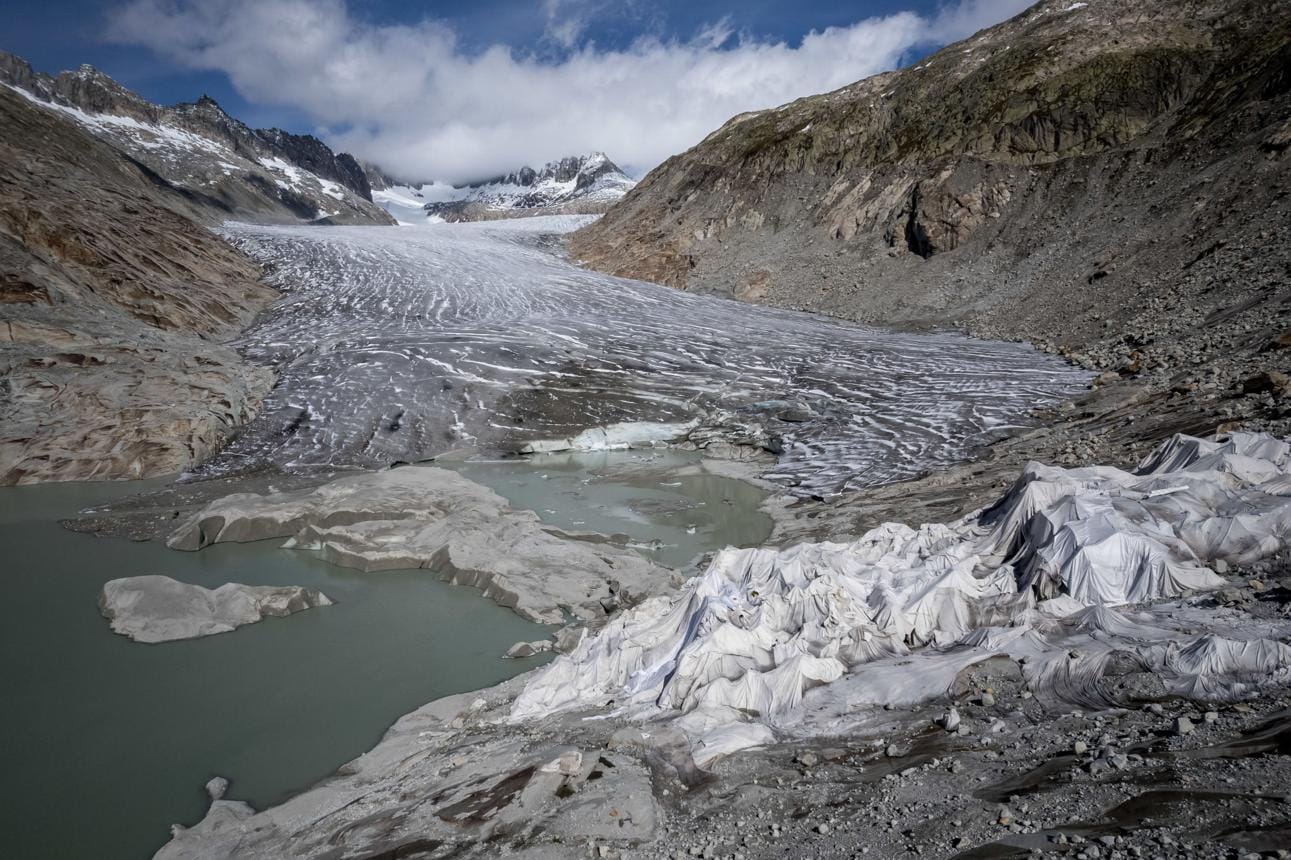
Even high mountain regions have been affected. The 0°C isotherm rose to 4,328 metres above sea level during Whitsun weekend, making it one of the highest recorded levels for May.

Climate Change Influence

Meteorologists highlight that climate change is influencing seasonal patterns in Switzerland. Heatwaves are occurring earlier, lasting longer, and affecting higher altitudes with increasing intensity.

The Federal Office of Meteorology and Climatology warns that such extreme conditions are becoming more frequent across the Alpine region.