Switzerland Marks 30 Years in Francophonie with Renewed Commitment.

Switzerland has reaffirmed its commitment to the International Organisation of La Francophonie as the country marks 30 years of membership in the global French-speaking community.

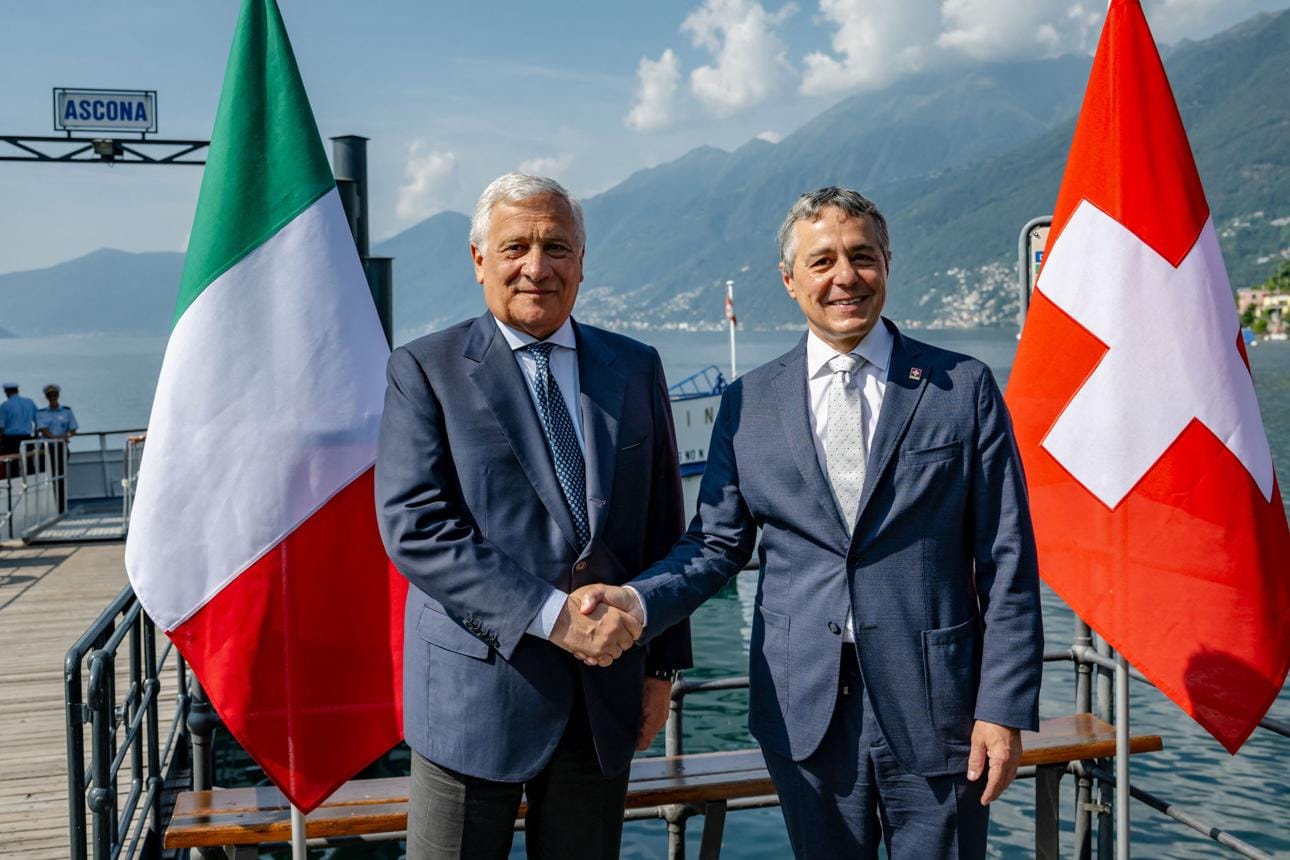
Foreign Minister Ignazio Cassis and Culture Minister Elisabeth Baume-Schneider met with Louise Mushikiwabo, Secretary-General of the Francophonie, in Bern on Thursday to celebrate the milestone and discuss the organisation’s future role.

During the discussions, Swiss officials emphasized the importance of maintaining a Francophonie that remains effective, relevant, and beneficial to its 90 member states and governments. They highlighted the organisation’s role as a platform for dialogue, cultural exchange, and international cooperation.

Speaking at the event, Baume-Schneider described the Francophonie as a privileged space for dialogue and influence. She noted that Switzerland contributes its unique experience in federalism, multilingual coexistence, mediation, and consensus-building, strengthening the organisation’s diplomatic value.

She also underlined that the French language serves as a bridge between cultures and continents, supporting mutual understanding and cooperation across diverse societies.

Since joining the organisation in 1996, Switzerland has viewed the Francophonie as an important forum for promoting democracy, peace, and human rights through linguistic diversity and shared cultural values.

For 2026, Switzerland’s contribution to the Francophonie amounts to CHF 4.1 million, making it the third-largest financial contributor after France and Canada, according to official figures.

The Observatory of the French Language reports that approximately 396 million people worldwide now speak French, highlighting the continued global relevance of the language.

The anniversary reinforces Switzerland’s role as a multilingual nation actively engaged in international cultural diplomacy and global dialogue.

Swiss Regulator Finds Gaps in Banks’ Money Laundering Risk Analysis.

Switzerland’s financial regulator FINMA has found that while banks and other financial institutions have strengthened their anti-money laundering (AML) measures, significant weaknesses remain in how they assess and manage risk.

In a report published on Thursday, FINMA stated that Swiss banks, asset managers, and other financial institutions are still not consistently applying robust risk analysis frameworks. The regulator emphasized that institutions must make better use of existing tools to identify and monitor high-risk financial activity.

Following a review process launched after investigations in 2023, FINMA examined the risk assessments of more than 30 banks and conducted additional supervisory checks across the financial sector. The findings revealed recurring shortcomings in how risks are recorded and evaluated.

According to FINMA, some institutions failed to document risks in sufficient detail, while internal control exceptions were applied too broadly. In addition, warning indicators designed to detect suspicious activity were often too weak or not clearly defined, increasing the chance that problematic client relationships could go unnoticed.

The regulator highlighted particular concerns around politically exposed persons (PEPs), complex corporate structures, and the growing use of crypto-related financial services. These areas, FINMA warned, require enhanced scrutiny due to their higher exposure to money laundering risks.

Although Switzerland’s financial sector has made progress in strengthening compliance systems, FINMA stressed that further improvements are necessary to ensure effective risk detection and prevention. The authority called on institutions to tighten internal controls and improve the quality of their monitoring processes.

The report reinforces Switzerland’s ongoing efforts to maintain the integrity of its banking system while adapting to increasingly complex global financial risks.

Swiss Army Mobilises 4,000 Soldiers for G7 Summit Security Near Evian.

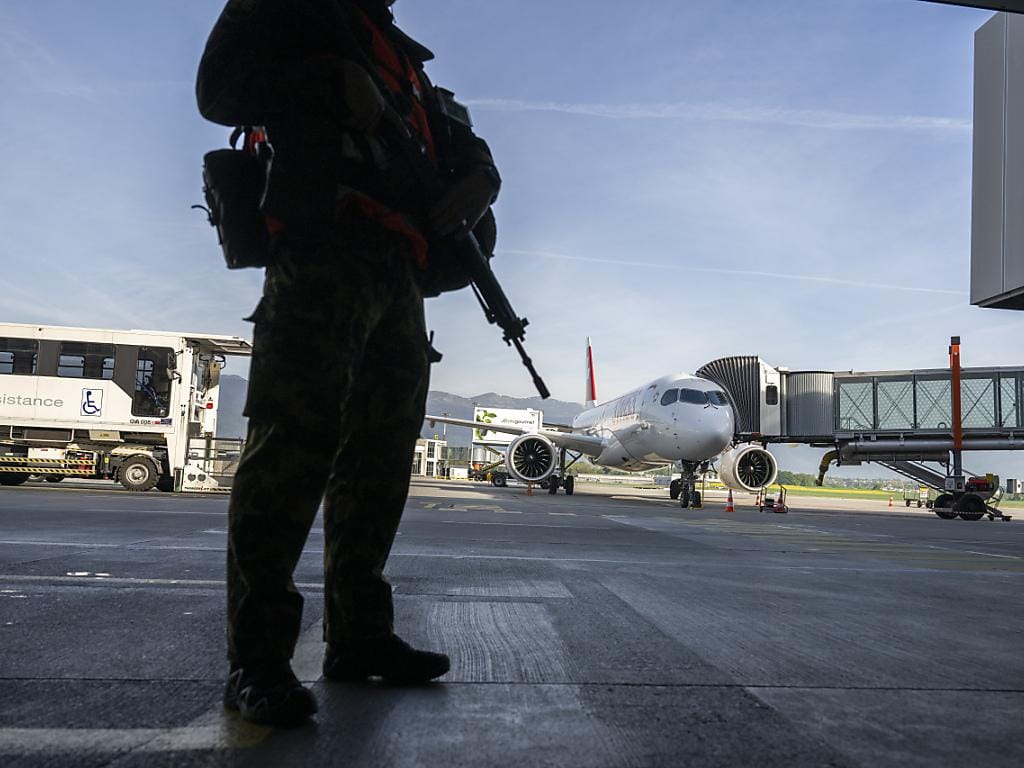
Switzerland will deploy nearly 4,000 soldiers to support security operations for the upcoming G7 Summit taking place in neighbouring France near Evian from June 12 to 17.

The Swiss Defence Ministry confirmed that military personnel will assist cantonal authorities in Geneva, Vaud, and Valais to strengthen security across the border region. The main objective is to support civilian police forces, allowing them to focus on maintaining public order during the high-profile international event.

Key security responsibilities will include the protection of sensitive infrastructure such as Geneva International Airport, as well as assistance with border security operations. The Swiss Air Force will also reinforce air policing, with temporary airspace restrictions in place from June 10 to 18.

Authorities expect many international delegates to arrive via Geneva Airport before traveling across Lake Geneva to Evian. As part of the operation, Swiss forces will monitor key transport routes, the lake area, and surrounding regions.

The army will also contribute cyber defence capabilities, drone countermeasures, and protection against nuclear, biological, and chemical threats. However, Swiss military forces will not be involved in maintaining public order, which remains the responsibility of cantonal police.

All 1,500 police officers in Geneva will be deployed, supported by reinforcements from other cantons. Specialized equipment, including high-capacity water cannons from Germany, will also be made available to assist crowd control if necessary.

The large-scale security operation follows a request from regional authorities, as the cantons of Geneva, Vaud, and Valais prepare for increased pressure during the summit period. Swiss President Guy Parmelin has noted that discussions are ongoing regarding whether France will contribute to the significant security costs incurred by Switzerland.

At the same time, tensions have emerged over planned protests. The “No to G7” coalition has criticized restrictions imposed by Geneva authorities on demonstration routes and conditions, calling them overly restrictive. While a march has been authorized for the right bank of Geneva on June 14, requests for a protest village in Parc des Bastions were rejected.

Organizers have expressed concern over policing measures and fear potential clashes, recalling violent protests during the 2003 G8 summit in the region. Despite disagreements, the coalition has confirmed it will proceed with the demonstration, stating its intention to show international solidarity and opposition to global leaders.

The G7 security operation marks one of the largest coordinated Swiss support efforts in recent years, highlighting the country’s strategic role in safeguarding major international events held just across its border.

Yodelling Singer Nadja Räss Awarded Swiss Grand Prix for Music 2026.

Swiss yodelling singer Nadja Räss has been awarded the 2026 Swiss Grand Prix for Music, receiving one of the country’s most prestigious cultural honours along with a prize of CHF 100,000.

The Federal Office of Culture announced the award on Thursday, recognizing Räss as one of the most influential voices in Swiss yodelling and traditional folk music. At 47 years old, the singer from the canton of Schwyz has played a key role in preserving and promoting Switzerland’s alpine musical heritage.

Räss has also worked as a cultural mediator and was instrumental in supporting the inclusion of yodelling on UNESCO’s list of intangible cultural heritage last December. The jury highlighted her contribution to elevating traditional Swiss folk music on an international level.

She becomes the first folk musician ever to receive the Swiss Grand Prix for Music, marking a significant milestone for traditional music genres in Switzerland’s contemporary cultural scene.

Alongside the Grand Prix winner, ten other musicians, collectives, and institutions were also honoured this year. Among them were Geneva-based artist Flèche Love and Neuchâtel musician Louis Schild, reflecting the diversity of Switzerland’s modern music landscape.

The jury for the 2026 awards was chaired by Ticino musician and journalist Gian-Andrea Costa. The Swiss Music Awards ceremony is scheduled to take place in Lausanne on September 19.

The recognition of Nadja Räss highlights the growing appreciation for traditional Swiss music and its evolving role in the country’s cultural identity.

Swiss Parliament Rejects Return to Joint Taxation of Married Couples.

The Swiss Senate has rejected a proposal aimed at reintroducing joint taxation for married couples, following a closely contested vote that ended 24 to 21 in opposition.

The initiative, put forward by the Centre Party, sought to challenge the outcome of a nationwide referendum held in March, where Swiss voters supported a shift toward individual taxation by a 54.2% majority. That decision marked a major change in Switzerland’s tax system, ending the joint taxation model that has been in place since 1984.

Supporters of the Centre Party initiative argued that the current individual taxation system could disadvantage single-income households within marriages. They proposed an alternative model allowing couples to choose between joint or individual taxation, with tax authorities automatically applying the more favorable option.

The proposal also included a transitional framework giving parliament up to three years to implement a practical system. If no solution was reached within that timeframe, authorities would apply the alternative calculation method by default.

However, a majority in the Senate opposed the initiative, arguing that it would create unnecessary administrative complexity and significantly increase bureaucratic costs. Lawmakers also emphasized the importance of respecting the outcome of the recent popular vote, which clearly supported individual taxation.

Critics of the proposal, including members of the centre-right Radical-Liberal Party, stated that the system would be more expensive and difficult to administer compared to the newly approved tax model.

The rejection in the Senate follows a similar decision in the House of Representatives, reinforcing Switzerland’s move toward a fully individual taxation system for spouses.

Cocaine Consumption Continues to Increase Across Switzerland, Study Finds.

Cocaine use continues to rise in Switzerland, particularly among men and young adults aged between 18 and 34, according to a new analysis by the non-profit organization Addiction Switzerland.

The report shows that cocaine is now the second most commonly used illegal drug in the country after cannabis. Based on the Swiss Health Survey 2022, approximately 1% of the population reported using cocaine within the past 12 months. However, researchers warn that actual usage levels may be higher, as wastewater analysis and other data sources suggest broader consumption across society.

Addiction Switzerland reports that cocaine use is no longer limited to specific social groups. Instead, it has spread across different sections of the population, including individuals who are socially integrated, well educated, and employed. The organization notes that while many users consume the drug occasionally, a significant group engages in regular or intensive use, increasing the risk of serious health and social consequences.

The study also highlights workplace-related consumption, where cocaine is sometimes used to enhance performance, alertness, or confidence. Sectors such as hospitality, construction, and the arts and entertainment industries are particularly affected. High work pressure, irregular schedules, and job insecurity are identified as key contributing factors.

Experts warn that the shift from occasional to problematic use often happens gradually. Many individuals only seek help once they experience significant personal, professional, or social difficulties. Addiction Switzerland emphasizes the importance of early prevention measures and increased awareness to address the growing public health concern.

The findings underline a broader trend of rising stimulant use in Switzerland and call for strengthened prevention, education, and support systems to reduce long-term harm.

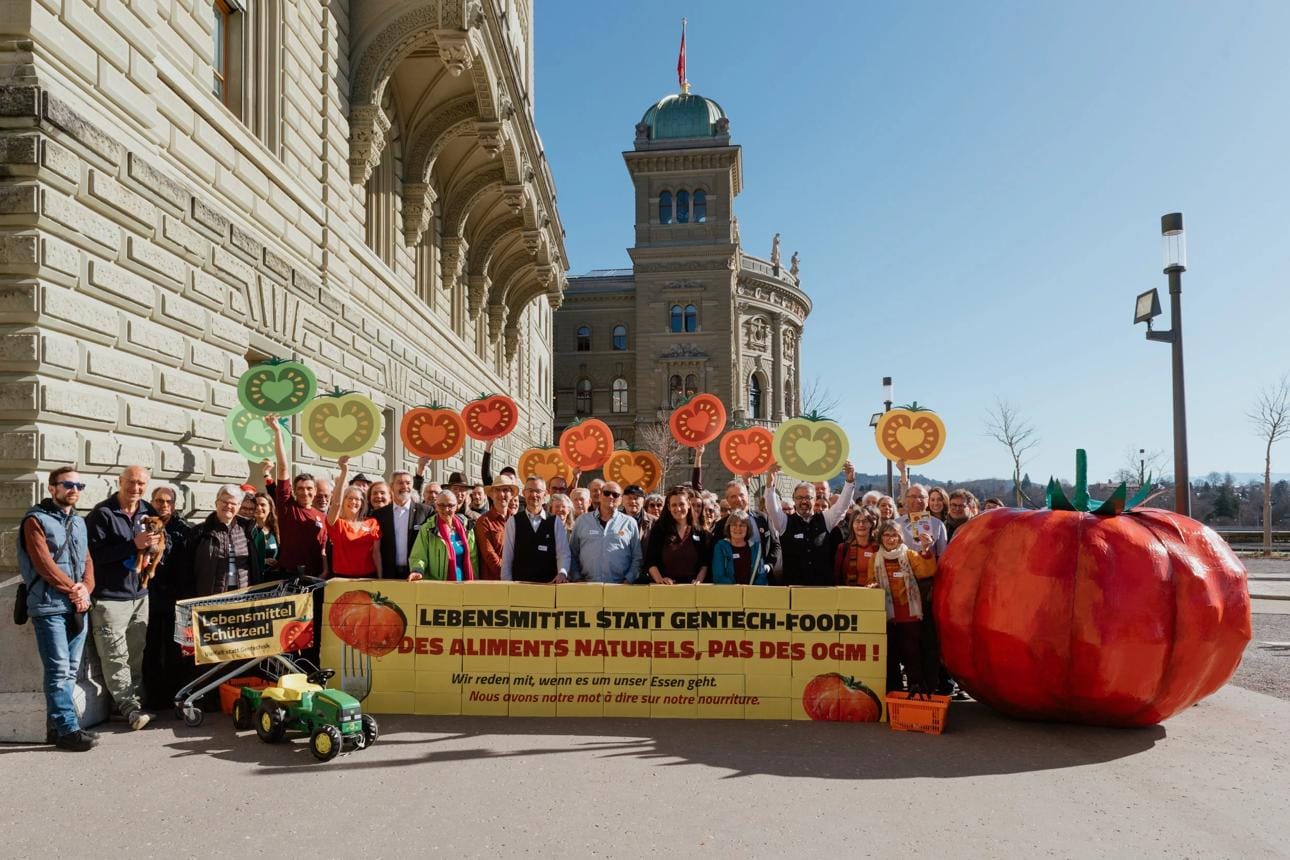
Swiss GMO-Free Food Initiative Files Complaint Over Missing Signatures.

The association behind Switzerland’s GMO-free food initiative has announced plans to file a criminal complaint against unknown persons after claiming that at least 5,000 signatures went missing during an official recount process.

According to the Association for GMO-free Food, signatures that were previously validated by local municipalities were not found during a recount conducted by the Federal Chancellery. The group says it based its findings on a survey of around 240 municipalities and believes the actual number of missing signatures could be even higher.

The missing signatures are considered crucial for the initiative to reach the required threshold of 100,000 valid signatures needed to trigger a national vote. The association argues that if the disputed signatures were included, the initiative would likely have qualified for a popular referendum on extending control over genetically modified organisms beyond the current moratorium, which is set to expire in 2030.

Due to the narrow margin in the initial verification process, a recount of signatures was ordered at the end of March. Swiss authorities typically conduct additional checks when initiatives fall within a close range of 95,000 to 101,000 valid signatures to ensure accuracy and transparency.

The Federal Chancellery has stated that multiple departments were involved in the recount process as part of standard procedure. However, the GMO-free food association is demanding a full investigation to determine what happened to the missing signatures and to ensure public trust in the initiative system.

The dispute highlights ongoing tensions around Switzerland’s direct democracy system, where citizen initiatives play a key role in shaping national policy. Authorities have not yet commented on the allegations in detail, and the case is expected to attract further legal and political attention.

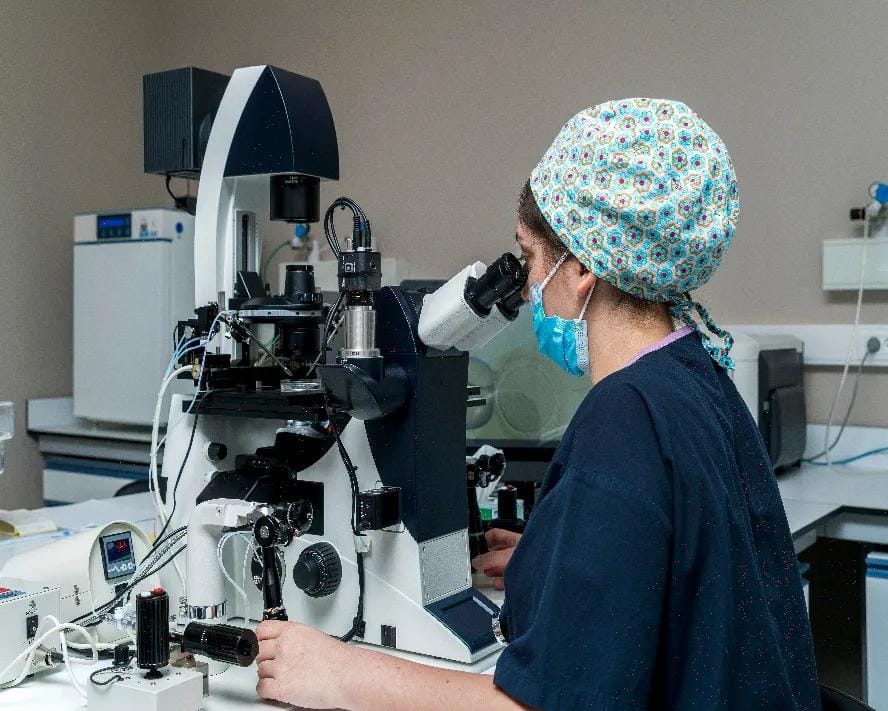
Sperm Quality in Swiss Recruits Remains Stable, Study Shows.

A new scientific study has found that sperm quality among young Swiss men has remained stable over recent years, contrasting with global reports of declining male fertility indicators.

The research was conducted by the University of Zurich and the Zurich University Hospital and published in the journal New Microbes and New Infections. It compared data from 194 Swiss army recruits examined in 2021 with findings from 2,523 young men tested between 2005 and 2017.

Researchers evaluated key indicators of reproductive health, including semen volume, total sperm count, sperm concentration, and sperm motility. The results showed that these measurements have remained relatively consistent over time, suggesting no further decline in sperm quality among the study groups.

According to the study, 41% of men tested in 2021 had at least one sperm parameter below World Health Organisation reference standards. In the earlier dataset, this figure was significantly higher at 62%, indicating an apparent improvement.

However, researchers caution that the results should be interpreted carefully. They note that differences in participant selection may have influenced the findings, meaning the apparent stability or improvement could partly reflect sampling bias rather than a true population-wide trend.

Despite these limitations, the study provides important insight into reproductive health trends in Switzerland and contributes to the ongoing global discussion about potential changes in male fertility. Scientists emphasize the need for further long-term research to confirm whether sperm quality trends are truly stable.

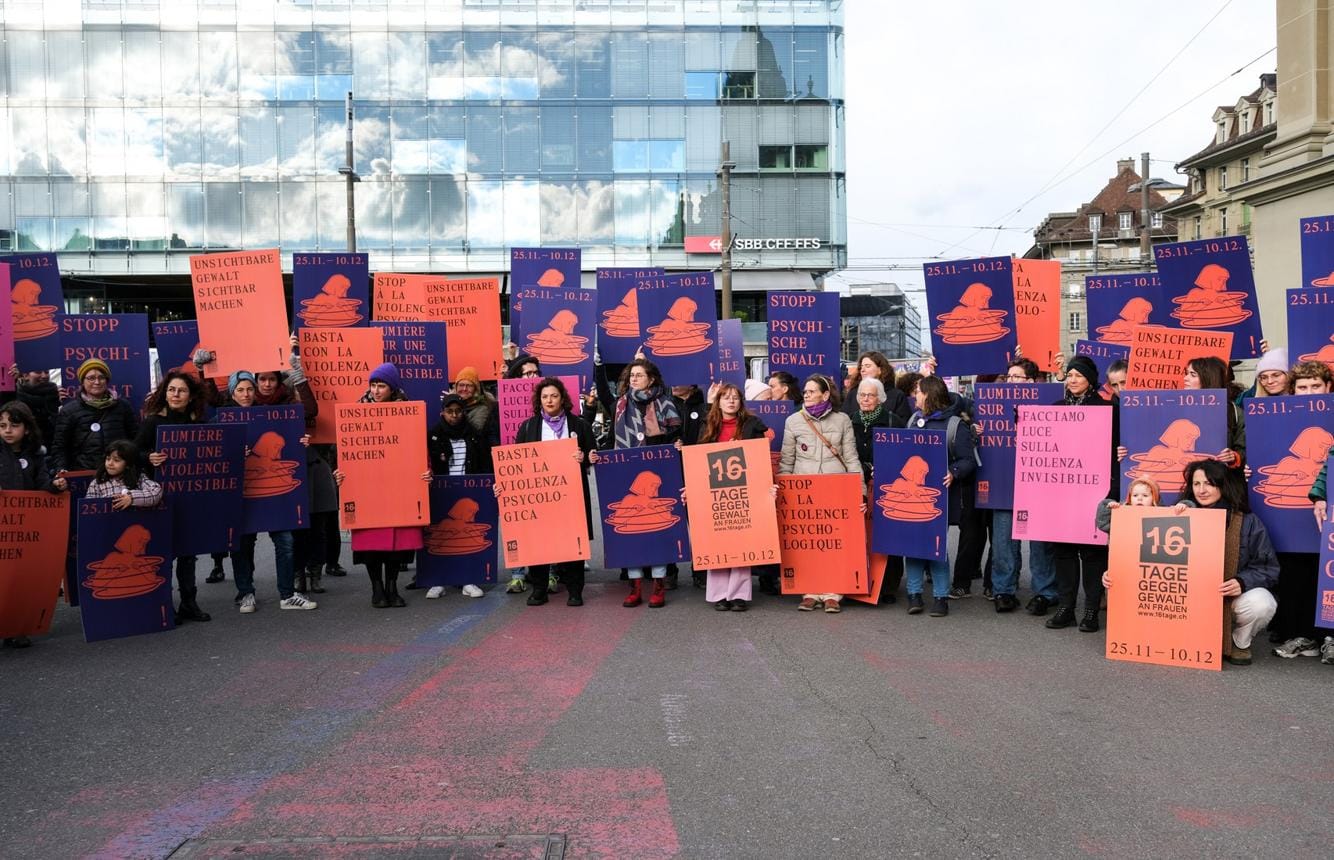
Bern Parliament Approves Feminicide Category in Crime Statistics.

The parliament of the Swiss canton of Bern has approved a proposal to include feminicide as a separate category in official crime statistics, marking a significant step in how violence against women is recorded in Switzerland.

The motion was passed on Wednesday evening with a clear majority of 117 votes to 30. It was introduced by Green Party member Manuel C. Widmer and supported by politicians from multiple parties, including the Social Democrats and some members of the centre-right Radical-Liberals.

Supporters of the measure argue that violence against women is often underreported or treated as a private matter, leading to gaps in official data. By introducing feminicide as a distinct category, they aim to improve transparency and better understand the scale and nature of gender-based killings.

Under the definition proposed in the motion, feminicide refers to the killing of women or girls in the context of patriarchal gender-based violence. Advocates say that clear statistical recognition is essential for developing effective prevention policies and improving victim protection.

However, the decision has also sparked political debate. Members of the Swiss People’s Party (SVP) have criticized the term feminicide, describing it as a politically charged concept that should not be included in official state statistics.

The cantonal government had previously expressed conditional support for the idea, stating that a standardized national definition is necessary before implementation. Authorities also noted that discussions are already underway at the federal level to harmonize data collection on violent crime.

The decision in Bern is seen as part of a broader European trend to improve the documentation of gender-based violence and strengthen policy responses to protect women and girls.

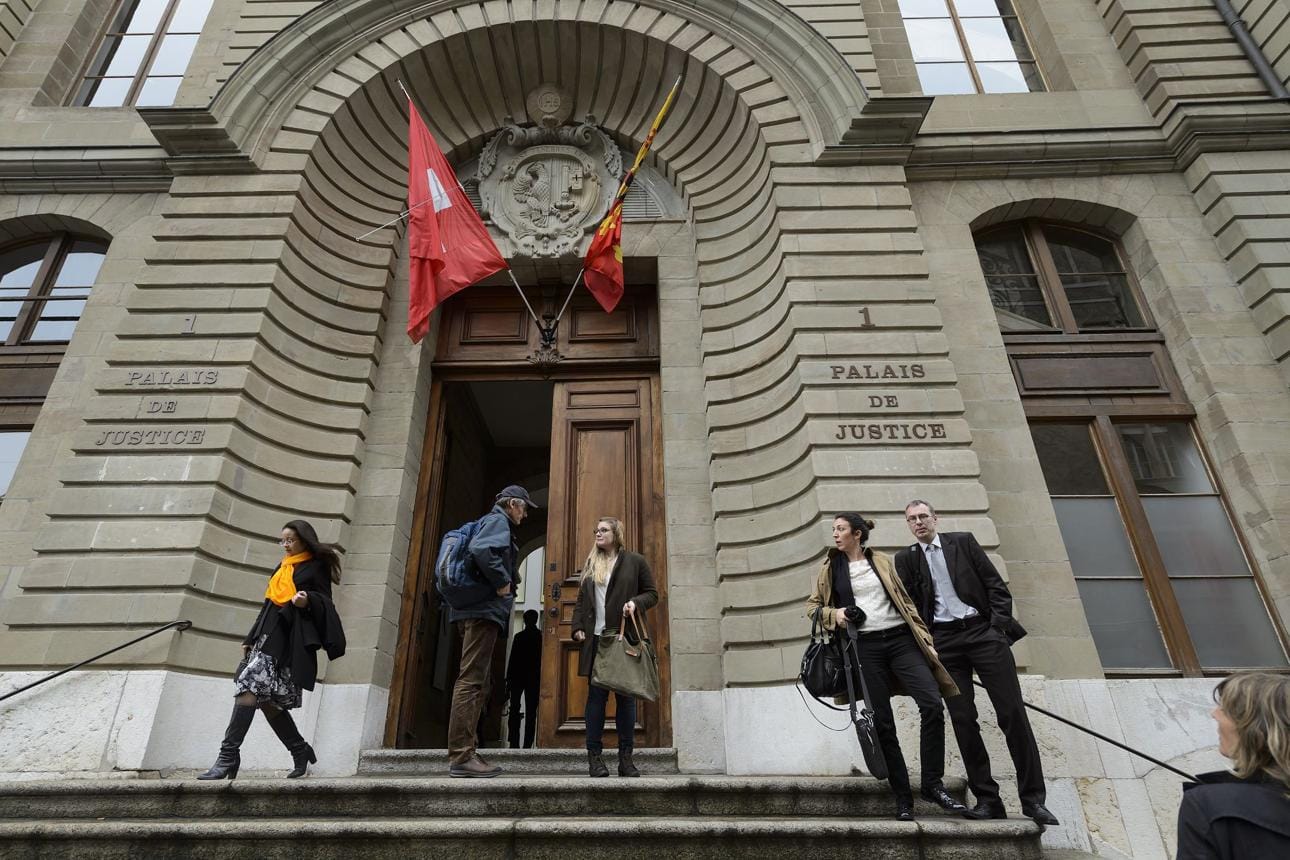
Geneva Court Rejects ‘No G7’ Coalition Challenges.

The “No G7” coalition has suffered a legal setback after Geneva’s courts rejected its challenges against decisions taken by the cantonal government regarding planned demonstrations linked to the upcoming G7 summit.

On Wednesday, Geneva authorities confirmed that the courts dismissed claims that the cantonal government had denied justice. The rulings also upheld the government’s decision to limit a planned protest to the right bank of the city.

Carole-Anne Kast, a member of Geneva’s cantonal government, welcomed the verdict and stated that the court had supported the authorities’ position. According to Kast, judges confirmed that the government had made a clear and lawful decision when it refused permission for a protest village to be established in Parc des Bastions.

The coalition had also challenged an order issued two weeks earlier that restricted the demonstration area. However, the Administrative Chamber of the Court of Justice rejected the request to suspend the measure while the case was being reviewed.

As a result, the restrictions imposed by the cantonal authorities remain in force. Organizers of the demonstration will be required to comply with the designated protest area and the conditions set by local officials.

The ruling comes as Swiss authorities continue preparations for the G7 summit, with security and public order remaining key priorities. Officials have emphasized the importance of balancing the right to peaceful protest with the need to ensure safety during high-profile international events.

The court decision marks an important development in Geneva’s preparations for the summit and clarifies the legal framework governing demonstrations during the event.