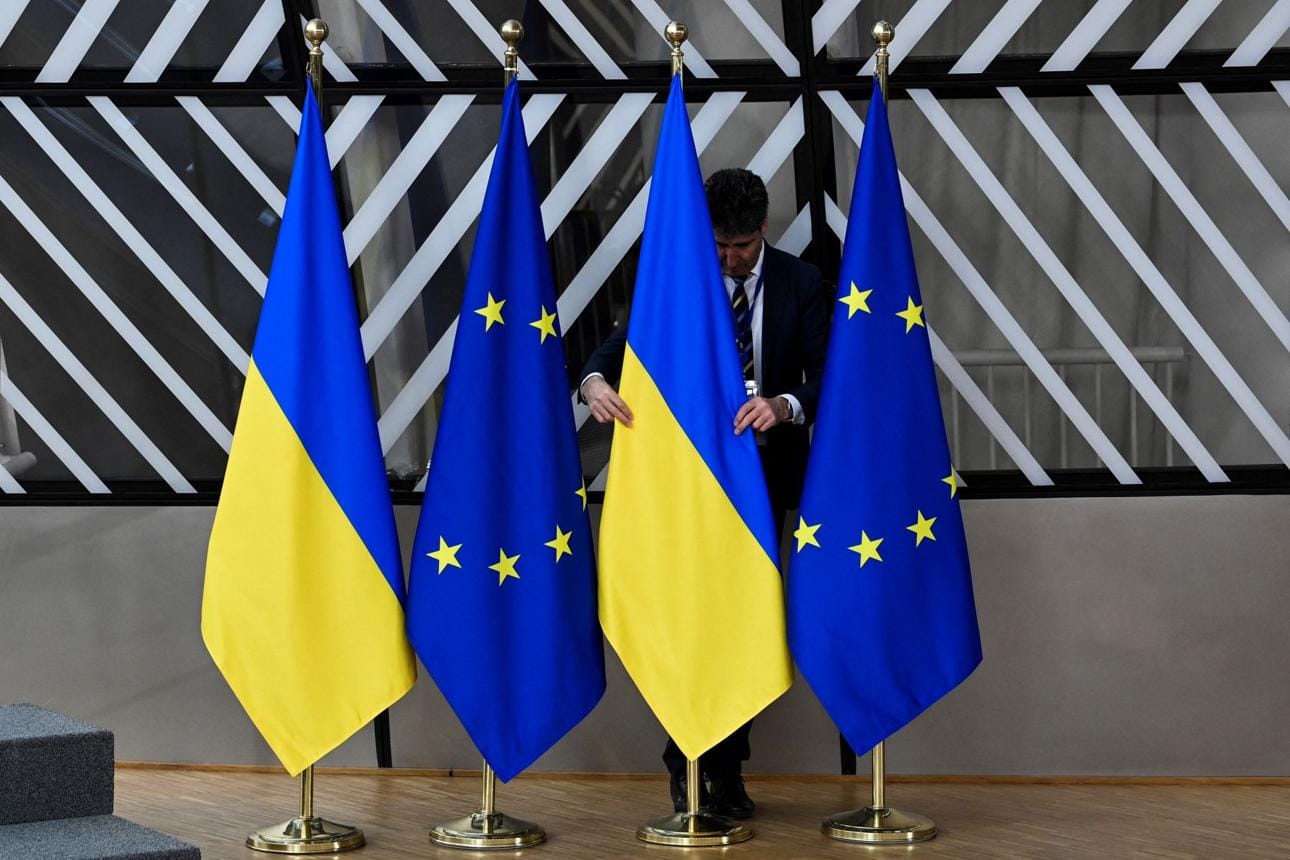
Global Ukrainian Summit Brings Leaders to Bern.

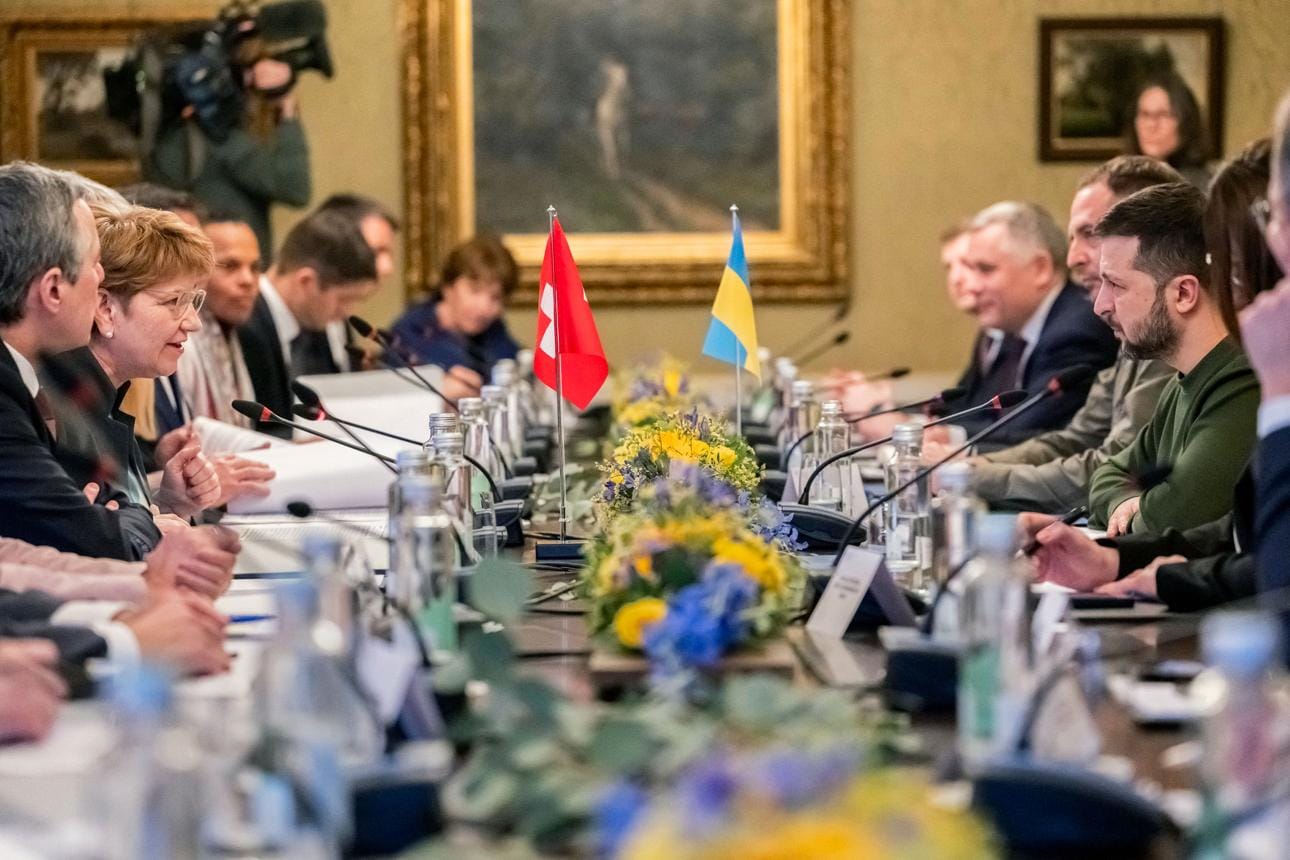
Bern hosted the Global Ukrainian Summit for the first time in Switzerland, bringing together more than 300 representatives of the global Ukrainian community from 50 countries. The three-day event highlighted international cooperation, reconstruction efforts, and the growing role of civil society in supporting Ukraine.

Government officials, diplomats, community leaders, and international partners attended the summit in the Swiss capital. Swiss government delegate for Ukraine, Jacques Gerber, joined discussions focused on strengthening partnerships between Switzerland and Ukraine.

A major theme of the summit was the role of civil society in defending Ukraine’s sovereignty and supporting the country’s long-term recovery. Participants discussed how communities around the world can contribute to rebuilding Ukraine and maintaining international awareness of ongoing challenges.

Ukraine’s Deputy Foreign Minister Mariana Betsa emphasized that Ukrainians living abroad play an important role in shaping the country’s future. She noted that support from global communities continues to strengthen Ukraine’s position on the international stage.

Leaders also highlighted the efforts of the Ukrainian diaspora in mobilizing humanitarian assistance, advocating for international support, and helping maintain global attention on the impact of the war. Delegates agreed that cooperation between governments, organizations, and communities remains essential.

The summit addressed a wide range of topics, including international security, economic reconstruction, youth engagement, cultural diplomacy, and the future role of Ukrainians living abroad. Participants exchanged ideas on how global partnerships can contribute to long-term stability and development.

Officials stressed that security remains a key requirement for the return of millions of displaced Ukrainians. Ukrainian representatives explained that long-term strategies are already being developed to support future resettlement and national recovery efforts.

The event also highlighted the importance of international coordination, including economic measures, legal accountability, and continued diplomatic support. Organizers described Switzerland as an increasingly important platform for dialogue, cooperation, and long-term partnerships with Ukraine.

The successful summit in Bern demonstrated the growing importance of international collaboration and showcased Switzerland’s role in hosting global discussions on peace, reconstruction, and humanitarian cooperation.
Switzerland Opens Ukraine Reconstruction to Private Companies.

Switzerland has approved a new bilateral agreement that will allow private companies to participate in the reconstruction of Ukraine, marking a significant shift in its development cooperation approach.

Both chambers of the Swiss Parliament supported the agreement, which was originally signed in July 2025. The decision enables Swiss companies— including those not currently operating in Ukraine— to take part in rebuilding infrastructure in the war-affected country.

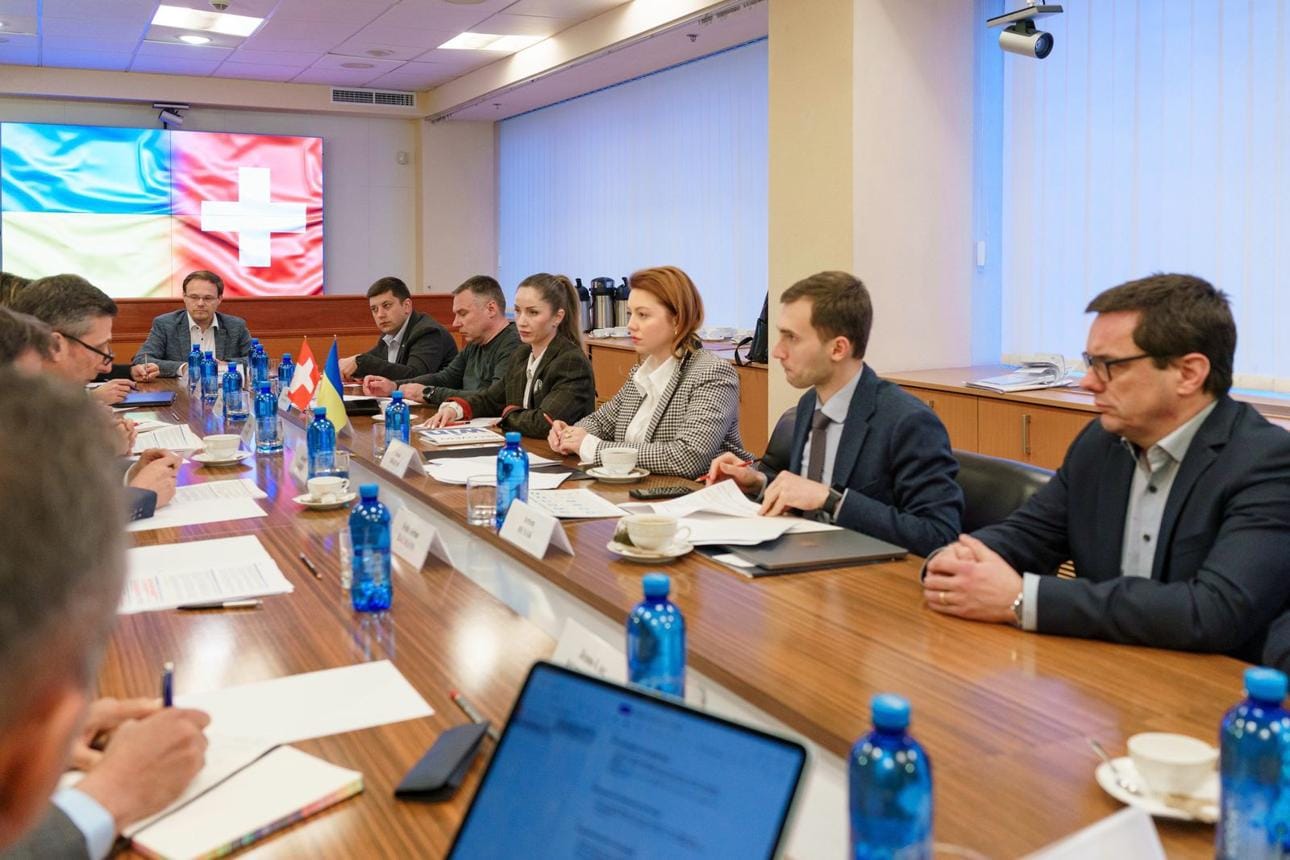
Under the new system, reconstruction projects will be managed through official tenders organised by Swiss authorities, based on requests from Ukrainian institutions. This ensures that projects are coordinated transparently while expanding opportunities for Swiss businesses in international development work.

The government noted that this form of “tied aid,” which links development assistance with domestic economic participation, required a legal basis because it does not fully align with existing Swiss development cooperation law.

Authorities also highlighted that financial risks, including corruption concerns, are reduced because funds will not be transferred directly to Ukrainian state bodies. Instead, payments will go directly to Swiss companies delivering approved projects.

The initiative reflects Switzerland’s broader effort to combine humanitarian support with economic engagement while contributing to Ukraine’s long-term reconstruction and stability.

Swiss Cantons Oppose Converting Asylum Status Into Work Permits

Several Swiss cantons have opposed a federal proposal that would allow asylum seekers with temporary protection status to convert their residency into work permits after five years.

The Conference of Cantonal Directors of Social Affairs of Central Switzerland warned that the policy could place significant financial pressure on cantons and municipalities across Switzerland.

The debate mainly concerns refugees holding Switzerland’s temporary protection status S, many of whom arrived from Ukraine following the ongoing conflict. Cantonal authorities argue that status S was originally designed as a short-term humanitarian measure rather than a pathway to permanent residence.

According to the cantons, automatically converting S permits into B residence permits after five years would fundamentally change the purpose of the protection system. Officials stated that such a move would transform a temporary protection mechanism into a long-term immigration model.

The cantons also criticized the federal government’s financial approach. Under the proposal, Bern plans to reduce or stop federal financial support after five years, while local governments would continue covering social welfare and integration costs.

Regional leaders are now demanding greater authority over social assistance policies and adjustments to federal regulations to ensure that cantons are not left carrying the long-term financial burden alone.

The Conference of Cantonal Directors of Social Affairs of Central Switzerland includes the cantons of Lucerne, Uri, Schwyz, Nidwalden, Obwalden, and Zug.

The issue is expected to remain politically sensitive as Switzerland continues balancing refugee protection policies with economic and social integration challenges.

Swiss Study Shows Wars Can Alter Groundwater and Water Systems

A new Swiss academic study has revealed that armed conflicts can significantly alter underground water systems and groundwater dynamics, reshaping how water resources behave in war-affected regions.

Research conducted at the University of Neuchâtel shows that large-scale population displacement and abandoned agricultural activity can directly influence groundwater recharge patterns.

Doctoral researcher Saeed Mhanna observed unexpected changes in an underground water system in a Syrian river basin, using satellite-based InSAR technology to study areas that are otherwise inaccessible due to ongoing conflict.

The findings suggest that when populations are forced to leave farmland during war, the cessation of irrigation allows groundwater levels to partially recover. In some locations, the soil surface even rose by up to 4 cm per year due to changes in underground pressure.

The study highlights how the invisible nature of aquifers makes wartime water assessment extremely difficult, especially when field access is restricted. Satellite data and indirect measurement techniques were therefore combined to analyze changes in water storage and recharge.

Beyond Syria, the research also examined the impact of the Kakhovka dam collapse in Ukraine in 2023. The study found that the destruction of the dam drastically disrupted the regional hydrological system along the Dnieper River.

Researchers estimate that the volume of water lost to the Black Sea after the dam’s collapse was roughly equivalent to the capacity of Lake Geneva, though with a significant margin of uncertainty.

The study demonstrates that modern satellite monitoring can play a crucial role in identifying damaged water infrastructure, tracking groundwater depletion, and detecting unexpected water recovery in conflict zones.

Experts say these insights could help governments and aid organizations prioritize emergency repairs, protect critical water infrastructure such as wells and pipelines, and improve humanitarian response in war-affected regions.

The research highlights the growing importance of space-based environmental monitoring in understanding how human conflicts reshape natural water systems over time.

Switzerland Backs Special Tribunal to Prosecute Aggression Against Ukraine

Switzerland has joined 35 other countries and the European Union in supporting the creation of a Special Tribunal for the Crime of Aggression against Ukraine.

The announcement was made during a meeting of foreign ministers organised by the Council of Europe in Chișinău.

Council of Europe Secretary General Alain Berset described the initiative as a decisive step toward establishing accountability for the attack on Ukraine. He said the tribunal represents “justice and hope” and stressed that political commitments must now be transformed into practical action through financing and operational support.

Swiss Foreign Minister Ignazio Cassis confirmed that Switzerland intends to support the tribunal, pending approval from the Swiss parliament.

According to Cassis, Switzerland fully supports the Council of Europe’s action plan for Ukraine and aims to send a clear international signal against impunity. He also highlighted Switzerland’s participation in the Register of Damages and the international framework designed to support compensation mechanisms related to the war.

The tribunal’s role will focus specifically on investigating and prosecuting individuals considered primarily responsible for the crime of aggression against Ukraine. It aims to complement the work of the International Criminal Court, which currently investigates war crimes, crimes against humanity, and genocide but lacks jurisdiction over the crime of aggression in this case.

The new court would become the first special tribunal established under the authority of the Council of Europe. Russia was expelled from the organisation following the outbreak of the war in Ukraine in 2022.

For the tribunal to become operational, support from at least 16 countries is required. Supporters say the initiative strengthens international law and reinforces efforts to pursue accountability for acts of aggression during armed conflict.

Europe’s AI Defence Revolution Gains Momentum

European defence forces are rapidly accelerating the integration of artificial intelligence into military systems, marking a major shift from experimental use to operational deployment across the continent.

According to defence analysts speaking to Euronews, countries including Germany, France, Ukraine, and the United Kingdom are leading Europe’s push to integrate AI into modern warfare systems.

One of the most significant recent developments is the “Brave Germany” programme, launched by Germany and Ukraine, which aims to deploy approximately 5,000 joint AI-enabled medium-range strike drones. The initiative reflects growing collaboration between European states on advanced defence technologies.

Experts say Europe’s militaries have already used artificial intelligence for years in logistics, human resources, and equipment maintenance. However, recent developments show a shift toward integrating AI into core operational and tactical decision-making systems.

Stockholm International Peace Research Institute (SIPRI) researcher Laura Bruun explains that early military AI adoption began around 2015, when the technology became advanced enough to significantly improve operational efficiency.

She notes that even basic AI systems can optimise battlefield logistics and route planning, similar to navigation tools used in everyday applications.

Current AI defence investment in Europe is largely focused on two key areas: semi-autonomous weapon systems and AI-driven decision-support systems that assist commanders in real time.

Analysts say the rapid expansion of military AI raises strategic, ethical, and security questions as countries balance innovation with regulation and international law.

As AI integration deepens, Europe’s defence landscape is expected to continue evolving, with increased collaboration, competition, and investment shaping the next phase of military modernization.

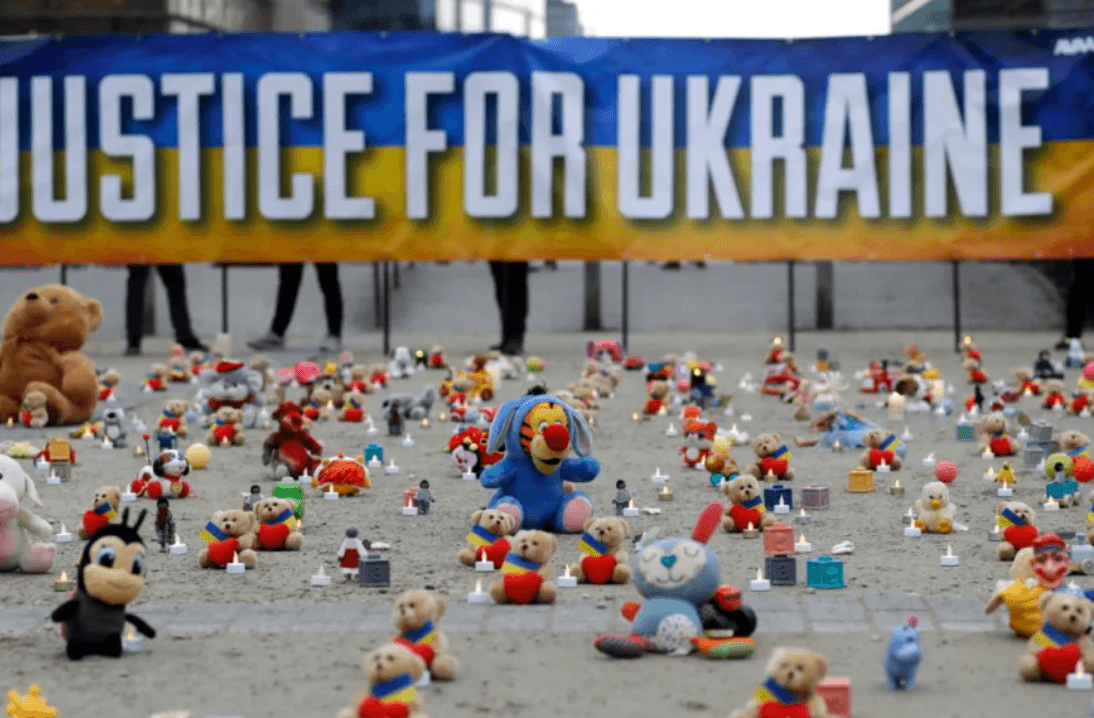
Switzerland Joins International Coalition to Return Ukrainian Children

Switzerland has officially joined the international coalition working to return Ukrainian children allegedly deported or forcibly relocated by Russia during the ongoing war in Ukraine.

Swiss authorities confirmed that the country has formally informed Ukraine and Canada about its decision to become a full member of the coalition. Until now, Switzerland had participated only as an observer in coalition meetings.

The international coalition was created by Canada and Ukraine in February 2024 and currently includes 47 countries and international organizations. The latest meeting of the coalition took place in Brussels, where Switzerland was represented by Ambassador Rita Adam.

According to coalition data, more than 20,000 reports of possible deportations and forced relocations of Ukrainian children by Russia have been documented since the start of the conflict. So far, 2,133 children have reportedly been returned to Ukraine from deportation, forced relocation, or territories under temporary occupation.

Swiss officials stated that joining the coalition fulfills a mandate approved by the Swiss parliament. Human rights organizations and international leaders continue to call for stronger international cooperation to protect children affected by war and support efforts to reunite families.

The move highlights Switzerland’s growing diplomatic involvement in humanitarian initiatives linked to the Ukraine conflict and international child protection efforts.

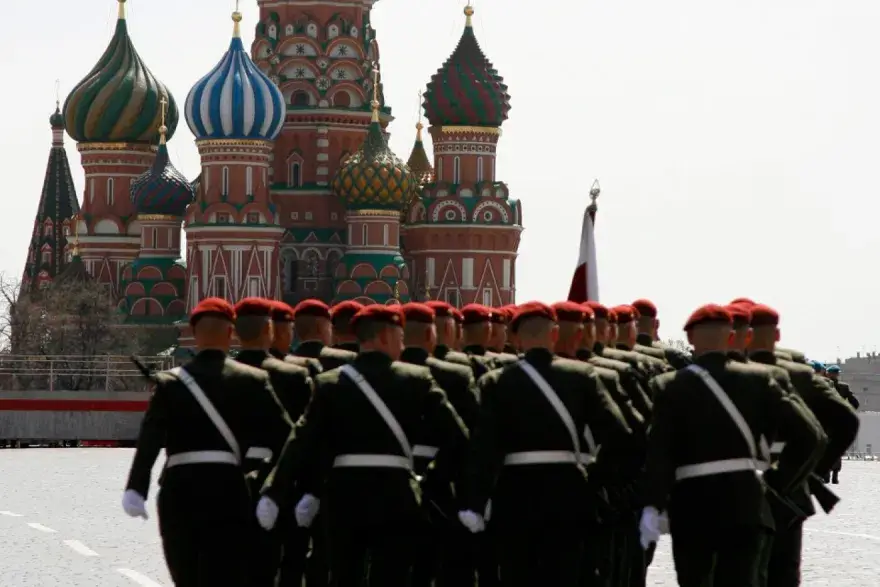
Russian Exiles Warn of Kremlin Victory Day Propaganda in Switzerland.

Russian exile groups in Switzerland have warned that upcoming Victory Day events linked to Russia may be used to spread Kremlin propaganda and political influence across Europe.

The concerns focus on “Immortal Regiment” rallies scheduled to take place in Geneva and Basel during Russia’s Victory Day commemorations.

According to the exile organization Russia of the Future – Switzerland, the original remembrance movement has been transformed into a political tool connected to Russian state messaging.

The group stated that what initially began as a civil society initiative to honor relatives who died during the Second World War has now been “completely appropriated by the Kremlin.”

Exiled activists argue that the events are increasingly being used to justify Russia’s actions in Ukraine and promote narratives aligned with Russian state ideology.

The association further warned that some participants often display symbols such as the St George’s Ribbon, which critics say has become associated with Russian military aggression and the war in Ukraine.

The debate highlights growing concerns across Europe regarding foreign influence operations, political symbolism, and propaganda activities linked to geopolitical conflicts.

Switzerland has faced increasing scrutiny in recent years over misinformation campaigns, cyber threats, and international political influence activities connected to the ongoing tensions between Russia and Western nations.

Authorities have not announced any bans on the planned gatherings, but security and political discussions surrounding such events continue to intensify throughout Europe.

Iran Claims Dubai Strike, Ukraine Firmly Denies Attack.

Iranian media recently reported that a Ukrainian air defense warehouse in Dubai was destroyed in a targeted strike. The claim quickly gained attention as it suggested a direct escalation involving Ukraine in the Middle East.

However, Ukraine strongly rejected the allegation. Ukrainian Foreign Ministry spokesperson Heorhii Tykhyi dismissed the report and called it false information. He stated that Iran continues to spread misleading narratives and compared its actions to similar tactics used by Russia.

According to Tykhyi, Ukraine has no such military infrastructure in Dubai, and no attack of this nature has occurred. He emphasized that Ukraine officially denies the claim and warned against believing unverified reports circulating online.

IRGC Statement Raises Regional Concerns

The claim originated from Iran’s Islamic Revolutionary Guard Corps (IRGC), specifically the Khatam al-Anbiya headquarters. The group stated that it targeted locations allegedly linked to U.S. military personnel and accused Ukraine of supporting American operations in the region.

Iranian sources claimed that a drone defense storage facility operated by Ukraine in Dubai was destroyed during the operation. This statement raised serious concerns about potential regional escalation and geopolitical tensions.

Zelensky’s UAE Visit Adds Strategic Context

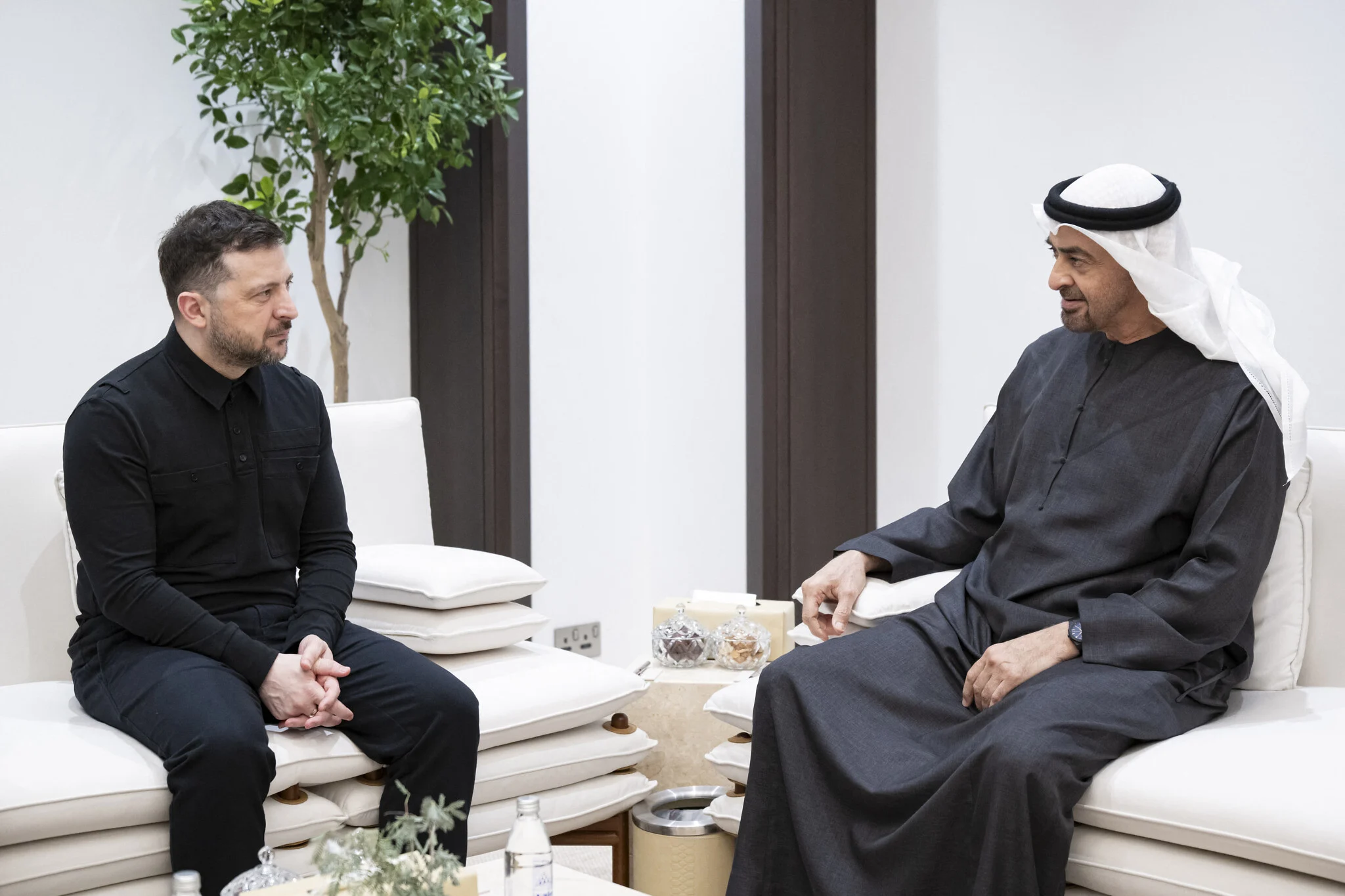
At the same time, Ukrainian President Volodymyr Zelenskyy was visiting the United Arab Emirates. During his visit, he focused on strengthening security cooperation and building stronger diplomatic ties with Gulf nations.

The timing of Iran’s claim has drawn attention, as analysts believe it could influence regional narratives and diplomatic engagements. Despite the controversy, Ukraine continues to prioritize international partnerships and stability.

Rising Tensions in Global Politics

This situation highlights growing tensions in the Middle East and the broader international arena. Conflicting claims, misinformation, and strategic messaging continue to shape global political discourse.

Experts warn that such narratives could increase uncertainty and escalate diplomatic tensions if not addressed with verified information and transparency.