

Swiss Patients Return Home After Treatment Abroad

Following the major fire disaster at the “Le Constellation” bar in Crans-Montana, all Swiss patients who were treated abroad have now safely returned home, according to the Federal Office for Civil Protection.

The blaze, which occurred on New Year’s Eve, resulted in 41 deaths and 115 injuries. In total, 38 injured individuals were transferred to specialised burn units across Europe, including clinics in Belgium, Germany, France, and Italy. Among them, 22 were Swiss residents.

The Federal Office for Civil Protection (FOCP) confirmed that a specialised coordination body, known as the Medical Board, managed the international repatriation process and ensured patients received appropriate care abroad before returning to Switzerland.

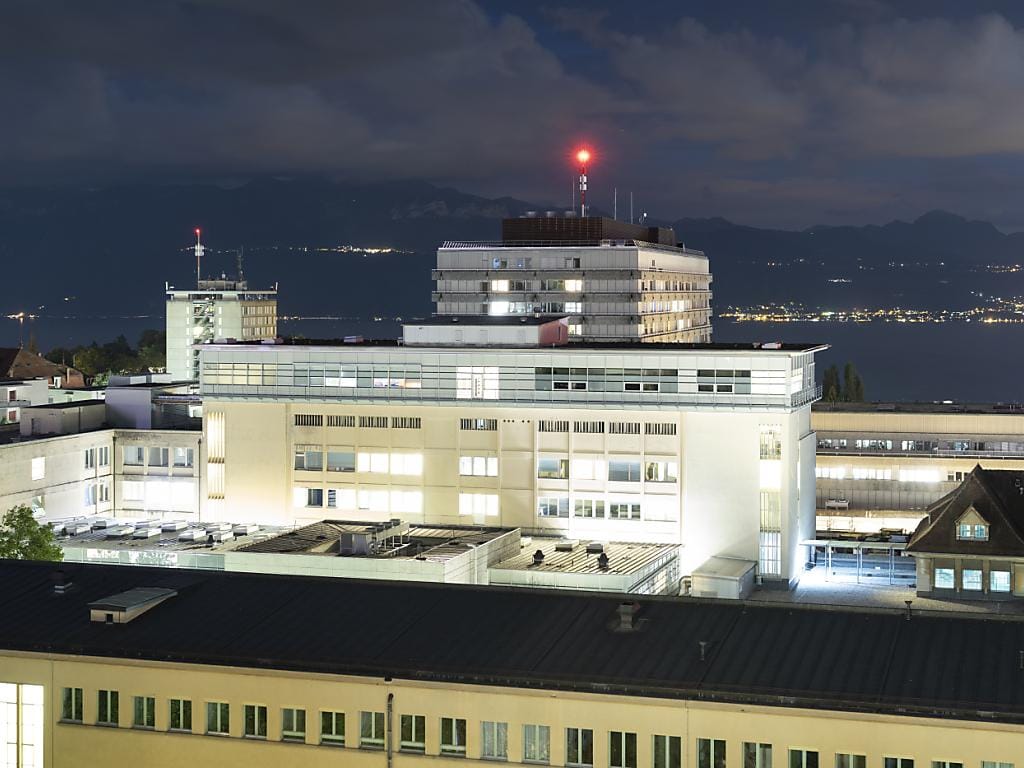
Most patients have now been transferred to hospitals in western Switzerland as well as the SUVA Clinic Sion for continued treatment close to their homes. Some critically injured patients are still being treated in intensive care units at the Lausanne University Hospital (CHUV) and the University Hospital Zurich (USZ).

Authorities reported that European cooperation played a crucial role in managing the disaster response. Under the Union Civil Protection Mechanism, 24 countries offered medical support, specialist burn units, and emergency transport services to assist Switzerland during the crisis.

Swiss officials emphasized that managing mass casualty events involving severe burn injuries requires strong international collaboration. However, Switzerland is not yet part of the EU’s civil protection mechanism, although preparations are underway for possible future participation.

The Federal Office for Civil Protection stated that ongoing cooperation between hospitals across Switzerland helped stabilize patients and also allowed additional burn victims from other incidents to receive treatment.

Authorities confirmed that recovery efforts are still ongoing, but the return of Swiss patients marks a significant milestone in the post-disaster response.
Zurich Hospital CEO Praises Whistleblower in Heart Surgery Scandal

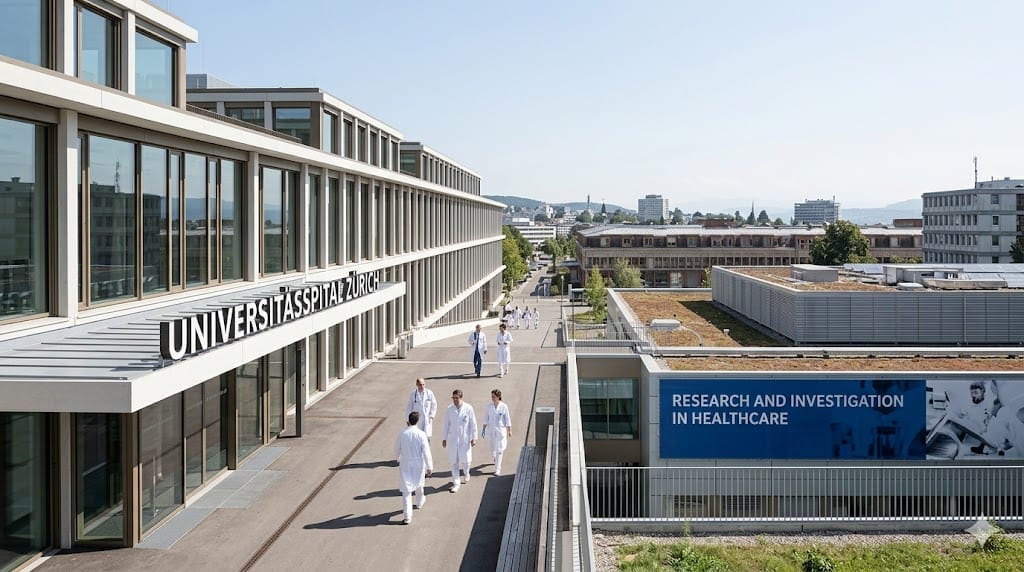
University Hospital Zurich CEO Monika Jänicke has publicly thanked the whistleblower who exposed serious irregularities within the hospital’s heart surgery clinic.

In an interview published by SonntagsZeitung, Jänicke praised the former heart surgeon who first raised concerns about patient safety and alleged misconduct at the clinic.

She stated that the whistleblower deserved “respect” for bringing attention to the problems and repeatedly pushing for investigations into the controversial practices.

The case centers around major failures uncovered at the hospital’s cardiac surgery department between 2016 and 2020.

An independent investigation found that the clinic recorded an unusually high mortality rate during that period, with an estimated 68 to 74 additional deaths above statistically expected levels among approximately 4,500 surgeries.

Jänicke declined to directly comment on the dismissal of the whistleblower, noting that the events occurred before she became CEO in 2023.

However, she confirmed that questions regarding possible compensation and accountability will form part of the hospital’s ongoing review process.

The scandal has largely focused on Francesco Maisano, the former head of the Zurich heart surgery clinic who left the hospital in 2020.

Investigators examined the use of the controversial Cardioband device, which was developed by a company in which Maisano reportedly held financial interests.

Authorities are currently investigating whether the use of the device contributed to the excess number of patient deaths identified in the report.

The scandal has triggered widespread debate in Switzerland over medical oversight, hospital governance, patient safety, and whistleblower protection within the healthcare system.

University Hospital Zurich stated that reforms have since been introduced to strengthen compliance measures, improve transparency, and restore trust in the hospital’s cardiac surgery department.

Zurich Hospital Admits Fatal Heart Surgery Failures.

The University Hospital Zurich has confirmed serious medical failures in its cardiac surgery department, following an independent investigation covering the years 2016 to 2020.

The report reveals that between 68 and 74 excess patient deaths may have occurred during this period. Authorities have also identified 11 particularly concerning deaths and 13 cases involving improper use of medical devices, which have been reported to the public prosecutor for further investigation.

Investigators are now examining whether criminal offences were committed, as concerns grow over systemic failures in hospital management and oversight.

According to the findings, the root cause of the issues lies in a major governance breakdown. Former leadership, including cardiac surgery head Francesco Maisano, was appointed in 2014 without sufficient review of qualifications and potential conflicts of interest.

The report also highlights that hospital management at the time failed in its supervisory responsibilities, ignoring warning signs that could have prevented the crisis.

In response to the investigation, three long-standing members of the hospital board have resigned, stating the need for organizational renewal and accountability.

The University Hospital Zurich has issued a formal apology to affected patients and their families and has established a dedicated counselling service to support them.

Despite the scandal, the hospital stated that its cardiac surgery department has since improved under new leadership, with mortality rates returning to normal levels.

To prevent future incidents, the hospital is introducing stricter compliance rules, a conflict-of-interest register, and a whistleblowing system designed to improve transparency and patient safety.