Swiss-Built Smile Satellite Successfully Launches Into Space

The Smile satellite has successfully launched into space, marking a major achievement for Swiss and international space research.

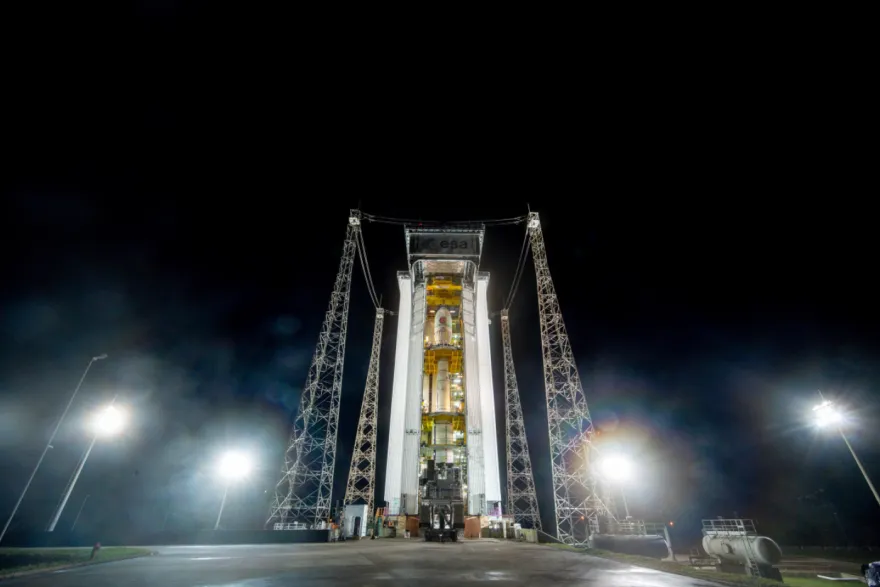
A Vega-C rocket carried the satellite to an altitude of more than 700 kilometres above Earth before the spacecraft safely separated and deployed its solar panels. Scientists confirmed the mission’s successful start shortly after launch.

Researchers from the University of Applied Sciences and Arts Northwestern Switzerland played a key role in developing important components for the mission. Project leader Säm Krucker described the launch as an exciting milestone and said the satellite will now begin collecting scientific data over the next three years.

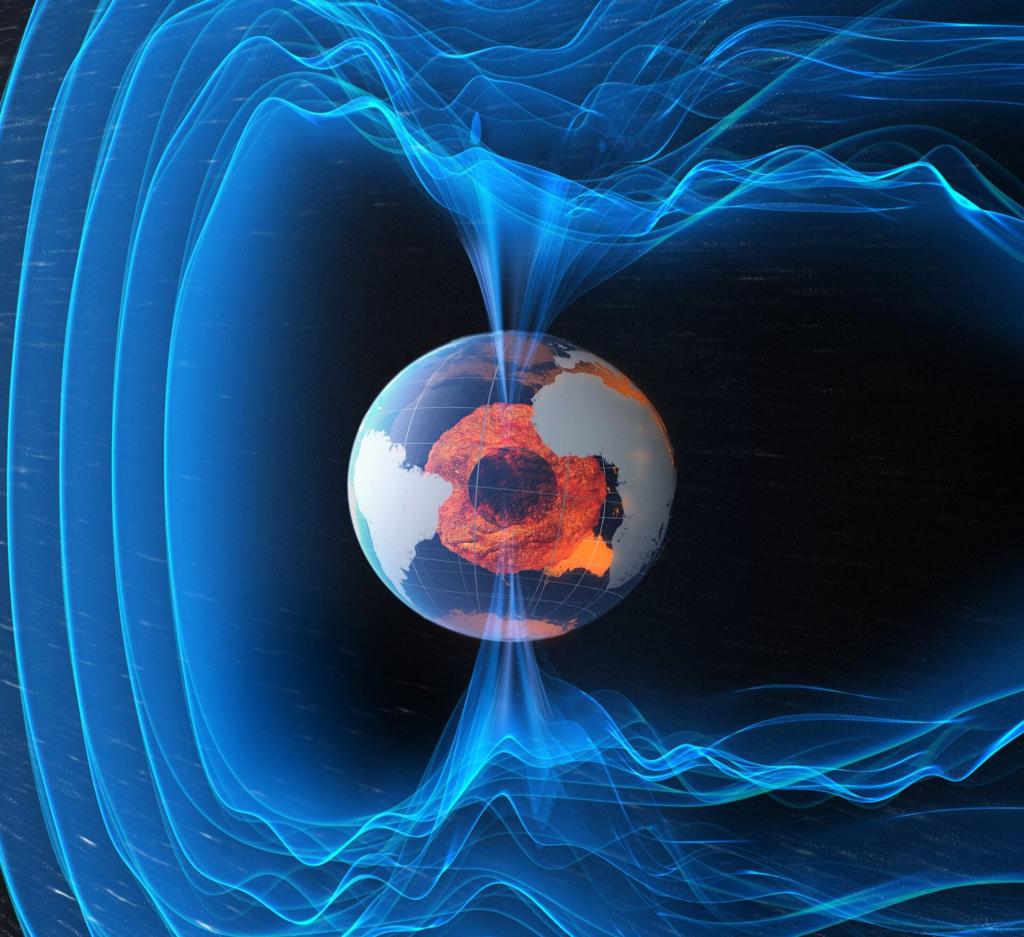
The Smile mission is a joint project between European and Chinese space agencies. Its primary goal is to better understand space weather and the interaction between solar winds and Earth’s magnetic field.

Space weather is caused by charged particles released from the Sun during solar storms. When these particles collide with Earth’s magnetic field, they can create auroras while also disrupting satellites, navigation systems, communications, and even power grids.

Swiss researchers developed and tested a cooling system for the satellite’s telescope and also contributed advanced software algorithms designed to improve image quality captured by the onboard wide-angle camera.

Swiss technology also supported the rocket itself. Beyond Gravity manufactured the rocket’s protective nose cone, which shielded the satellite during launch.

The successful mission highlights Switzerland’s growing role in global aerospace innovation and scientific space exploration.

‘Smile’ Space Weather Satellite Launches With Swiss Technology Onboard

The international Smile space mission is preparing for launch with important technology developed in Switzerland playing a key role in the satellite’s success.

The Smile satellite — short for Solar wind Magnetosphere Ionosphere Link Explorer — is scheduled to launch on May 19 at 05:52 Swiss time. The mission aims to improve scientific understanding of solar storms and space weather that can affect satellites, navigation systems, and even power grids on Earth.

The project is a collaboration between European and Chinese space agencies and includes contributions from Swiss researchers and technology companies.

According to André Csillaghy from the University of Applied Sciences Northwestern Switzerland (FHNW), the launch is both exciting and stressful for the engineering teams involved.

Swiss researchers developed crucial software systems and a key cooling component for the satellite’s advanced X-ray telescope. Without this technology, the telescope would not function properly in the harsh conditions of space.

The Swiss cooling system, known as the “Rocket Science radiator,” was designed and tested at FHNW in Windisch. Its purpose is to keep the telescope detectors at extremely low temperatures of around -110°C, allowing the instruments to operate accurately.

The satellite’s mission is focused on studying interactions between solar winds and Earth’s magnetic field. Charged particles from the sun travel toward Earth at extremely high speeds and interact with the planet’s protective magnetosphere.

Scientists hope Smile will provide valuable new data about space weather, which can disrupt communication systems, satellites, GPS networks, and electricity infrastructure during strong solar storms.

The spacecraft carries four major scientific instruments, including an X-ray camera, ultraviolet camera, ion spectrometer, and magnetometer. One of the mission’s biggest goals is to create the first detailed visualisation of Earth’s magnetic field using advanced X-ray imaging technology.

The Swiss engineering team has spent nearly eight years working on the mission together with partners from the Zurich University of Applied Sciences, KOEGL Space, and Space Acoustics.

Experts say the Smile mission highlights Switzerland’s growing importance in international aerospace research and advanced scientific technology development.

Swiss President Criticises EU Steel Tariffs as Harmful

Swiss President Guy Parmelin has strongly criticised new steel tariffs approved by the European Union, calling the measures “counterproductive” and harmful to European supply chains.

Speaking to Swiss public broadcaster SRF, Parmelin said he had already warned European Commission President Ursula von der Leyen that the tariffs could become an “own goal” for Europe.

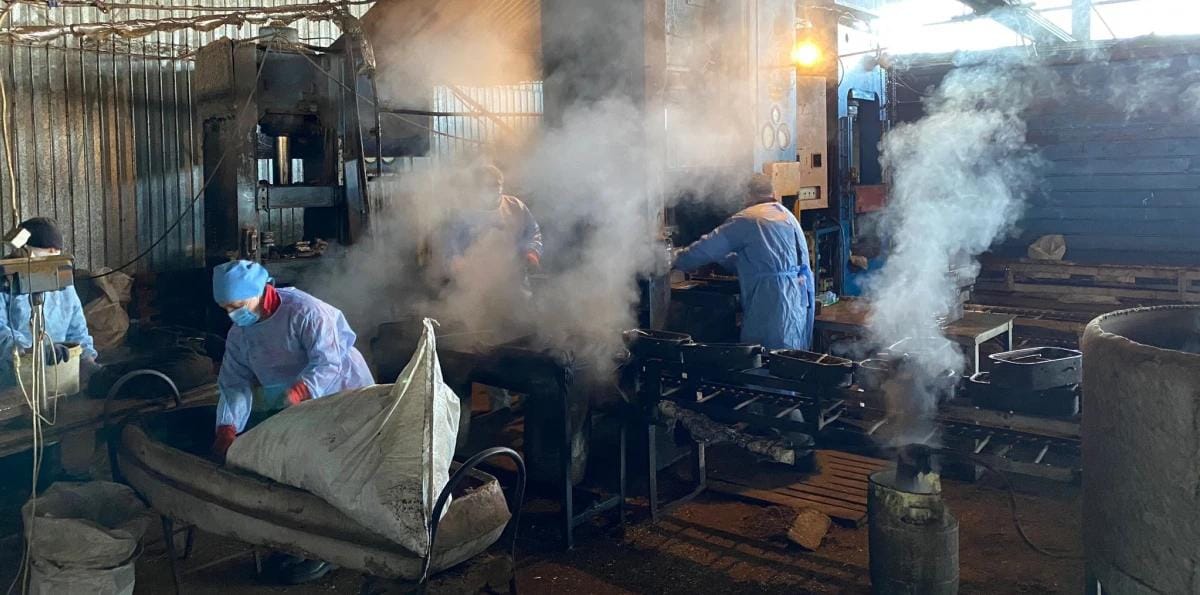
The EU plans to introduce stricter protections for its steel sector starting July 1, including a major reduction in duty-free steel import quotas. Swiss steel producers are expected to be affected by the changes despite Switzerland’s close economic integration with European manufacturing industries.

Parmelin argued that Switzerland plays a crucial role in European industrial supply chains, particularly in sectors such as aerospace and advanced manufacturing. He warned that restricting Swiss steel imports could negatively impact European companies that depend on Swiss materials and components.

The Swiss government and the European Commission are now expected to negotiate updated import quotas through the framework of the World Trade Organization.

The Swiss president also expressed frustration over new EU rules concerning unemployment benefits for cross-border workers. Under the proposed regulation, unemployed cross-border workers would receive benefits from the country where they last worked instead of their country of residence.

According to Switzerland’s State Secretariat for Economic Affairs (SECO), the change could cost Switzerland up to CHF900 million annually. Parmelin described the move as unhelpful and said he was surprised that the EU had raised several sensitive issues while Switzerland and the EU were still discussing broader agreements on bilateral relations.

At the same time, Switzerland’s trade discussions with the United States are also facing difficulties. Parmelin noted that uncertainty surrounding a recent US Supreme Court decision on presidential tariff powers has complicated negotiations between Bern and Washington.

Swiss officials are still awaiting a formal response from the US regarding Switzerland’s trade proposals. Analysts say the situation highlights the increasing pressure facing Switzerland as it navigates complex trade relationships with both the EU and the United States.