

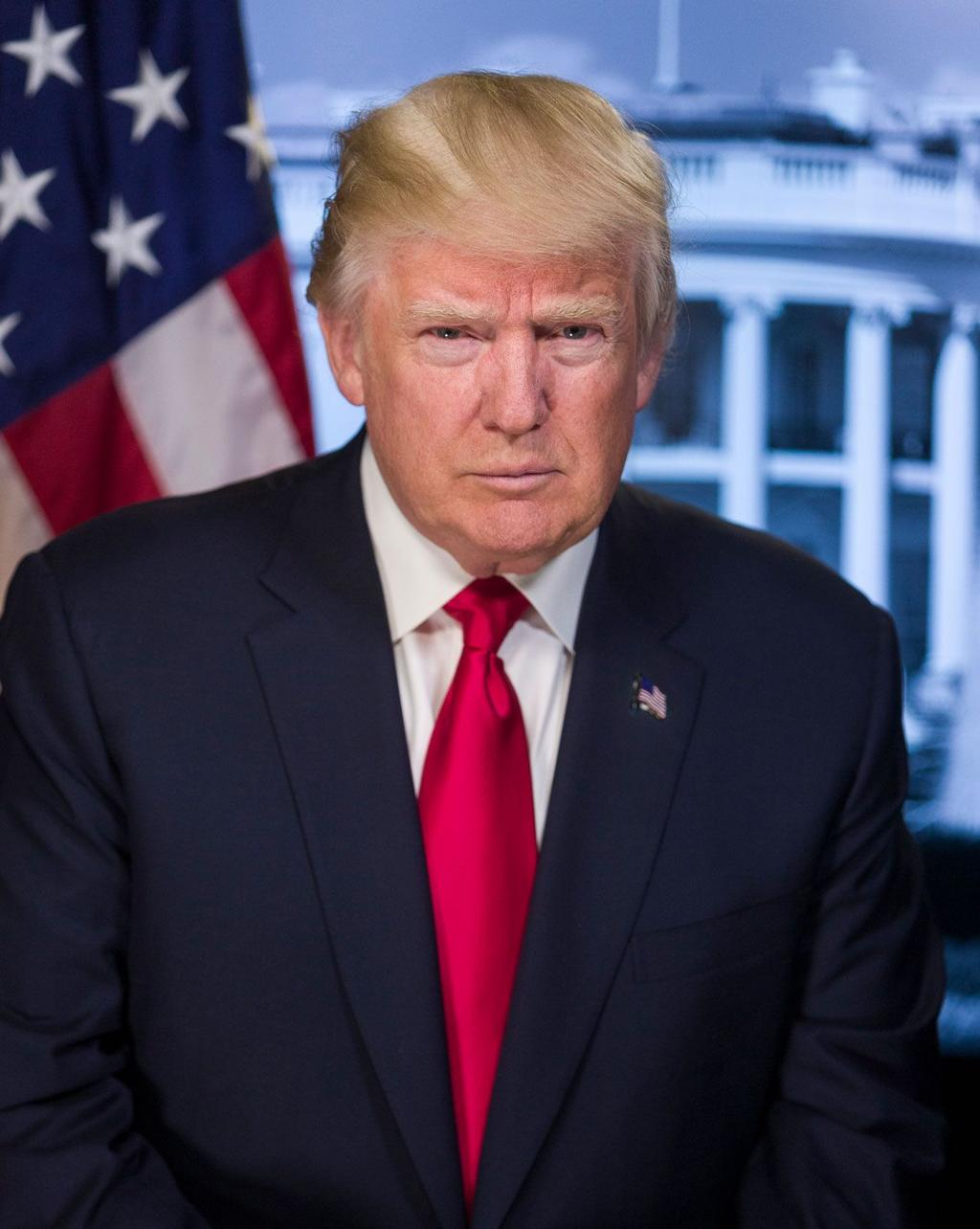
Swiss Public Opinion Turns More Negative Toward Donald Trump.

Public opinion in Switzerland toward US President Donald Trump has become increasingly negative, according to a new survey. The findings indicate a clear shift in how Swiss citizens perceive both Trump and the United States.

The survey, conducted in May by the European Council on Foreign Relations (ECFR) in cooperation with Switzerland’s Federal Department of Foreign Affairs (FDFA), shows that 41% of respondents now view Donald Trump as either an “enemy” (26%) or a “rival” (15%).

While 45% of the population still consider the United States an ally or partner, this figure has declined from 53% just six months earlier, indicating a noticeable drop in confidence in US relations.

Among the twelve European countries included in the study, Switzerland recorded the highest level of hostility toward Trump, reflecting growing concerns about US political direction and global influence.

Respondents cited several reasons for this shift in opinion, including Trump’s tariff policies and his repeated criticism of the current international order. These factors have contributed to a more skeptical view of US leadership in global affairs.

The survey also highlights declining trust in the United States as a security partner. Around three-quarters of respondents do not believe the US would provide military assistance to Switzerland in the event of an attack. In contrast, two-thirds believe European Union countries would step in to support Switzerland if necessary.

Public attitudes toward US defense equipment have also changed significantly. About 73% of respondents oppose Switzerland purchasing American weapons, while only 15% support such acquisitions.

Despite this skepticism, the survey shows strong support for increasing cooperation with European defense industries. A majority of respondents believe that Switzerland will increasingly rely on European military equipment in the future.

Overall, the findings reflect a broader shift in Swiss public sentiment, with growing caution toward US foreign policy and increasing alignment with European security perspectives.
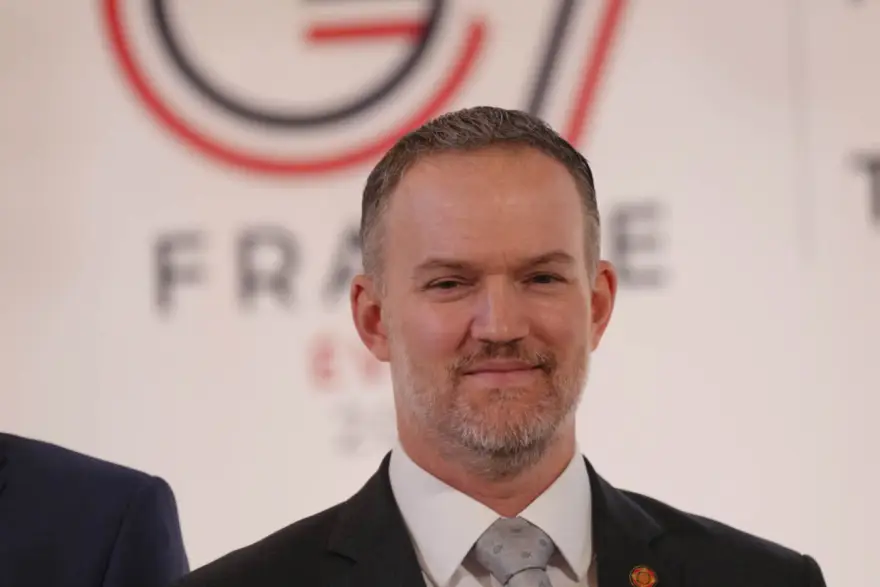
US Proposes New Tariffs on Swiss Goods Over Forced Labour Concerns

The United States has announced plans to impose new tariffs of 12.5% on Swiss imports linked to allegations of goods produced using forced labour, escalating trade tensions between the two countries.

The move is part of a broader trade policy initiative under the US administration, which targets around 60 trading partners, including Switzerland. The US argues that affected countries have not done enough to prevent imports of products linked to forced labour practices.

According to a report from the US Trade Representative, Switzerland is among 54 economies that allegedly lack a clear legal ban on such imports. As a result, Washington is considering additional tariffs on 45 of these countries, including Switzerland.

However, certain products such as semiconductors, coffee, beef, and fruit would be excluded from the proposed tariff measures.

Other countries facing similar or lower tariff proposals include the European Union, Canada, the United Kingdom, Mexico, Indonesia, Pakistan, and several Asian and Latin American nations.

The proposal is still under review, but it signals increased pressure on Switzerland’s export-driven economy, particularly in sectors linked to global supply chains.

Swiss authorities have not yet issued an official response, but the issue is expected to be discussed further in upcoming trade negotiations.

Iran Leadership Crisis Claims After Trump Statement.

Former U.S. President Donald Trump claimed that Iran’s senior leadership structure has been severely weakened following recent military developments and internal uncertainty. He stated that the country may currently lack an effective operational supreme leadership framework.

Iran earlier announced that Ali Khamenei was killed in a missile strike on February 28. Following the announcement, officials reportedly appointed his son Mojtaba Khamenei as the new supreme leader. However, Mojtaba has not appeared publicly since the announcement, and only written statements attributed to him have surfaced.

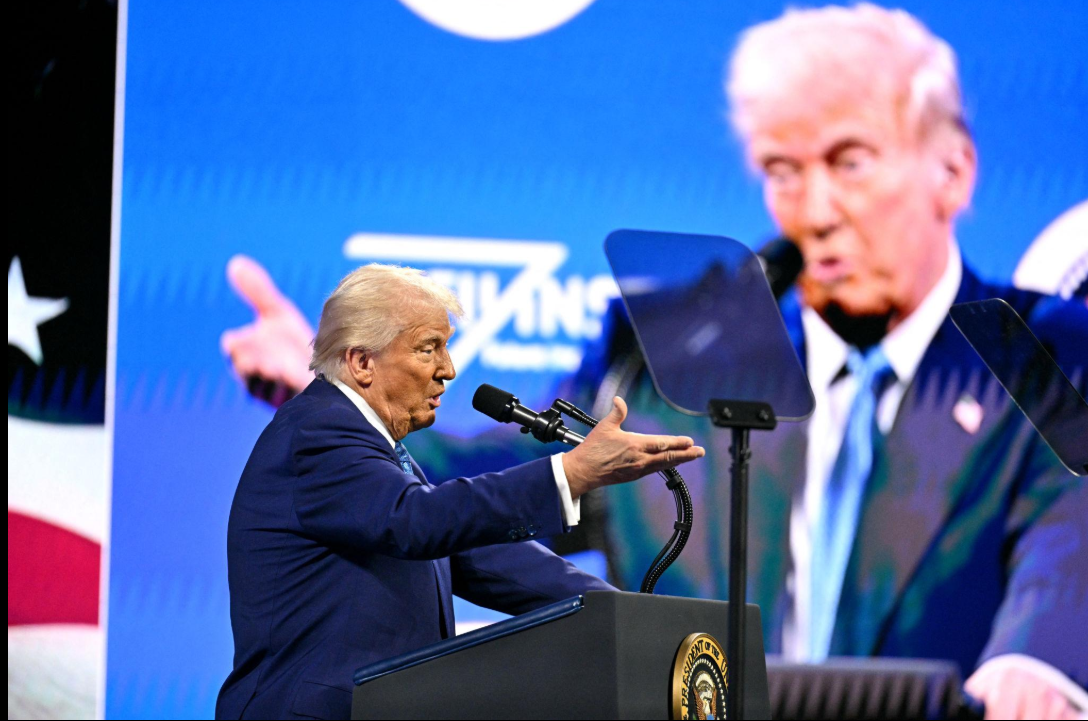
Speaking at the Future Investment Initiative Priority Summit in Miami, Trump said Iran’s entire senior leadership council may have been “eliminated or seriously weakened.” He also suggested that Mojtaba Khamenei could be dead or critically injured, noting that no confirmed public appearances have been recorded.

Trump further claimed that U.S. military operations significantly reduced Iran’s command structure and strategic capabilities. According to his remarks, these developments may have left the country without an active central leadership authority.

However, independent confirmation of these claims remains limited. Analysts continue monitoring developments inside Iran as uncertainty surrounding its leadership structure persists.