Swiss Scientists Discover New Target for Treating Blindness.

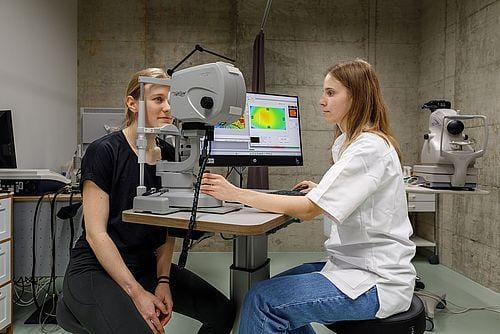
Researchers led by the University of Fribourg in Switzerland have identified a promising new biological target that could lead to improved treatments for age-related macular degeneration (AMD), one of the leading causes of blindness worldwide.

The study focuses on restoring the eye’s natural cellular recycling system, which plays a critical role in maintaining retinal health. Scientists believe that failure in this system is a key driver of vision loss as people age.

AMD primarily damages photoreceptors and retinal pigment epithelial cells, which are essential for clear central vision. When these cells deteriorate, patients gradually lose the ability to see fine details, significantly affecting daily life.

The Swiss research team, led by experts in cellular biology, investigated a process known as chaperone-mediated autophagy (CMA). This system normally helps cells remove damaged proteins and maintain internal balance, but it becomes less effective with age.

According to the findings, CMA activity is crucial for retinal health, and its breakdown may directly contribute to the development of AMD. By identifying this mechanism, researchers have uncovered a potential “control point” for future therapies.

The study also explored an experimental molecule known as CA77.1, which was designed to reactivate the cell’s waste-clearing system. In laboratory models, activation of this pathway reduced inflammation and slowed cellular degeneration linked to vision loss.

Tests on cells derived from AMD patients showed improved cellular stability when the recycling mechanism was strengthened. Scientists say this suggests a new direction in treatment strategies that focus on restoring natural cell function rather than only managing symptoms.

Age-related macular degeneration affects millions globally, with risk increasing significantly after the age of 50. In older populations, the disease becomes a major cause of irreversible central vision loss, creating an urgent need for innovative therapies.

Researchers believe that targeting cellular aging mechanisms could open the door to future treatments that preserve or even restore vision. While the findings are still in early stages, they represent a significant step forward in ophthalmology research.

Switzerland continues to strengthen its position as a leading hub for medical and life sciences innovation, with this study offering new hope for addressing age-related blindness in the future.

AI-Designed Vaccine Successfully Tested in Human Trial.

Scientists at the University of Cambridge have successfully completed early human trials of a new artificial intelligence-designed vaccine called pEVAC-PS, marking a major breakthrough in medical technology and infectious disease prevention.

The vaccine was developed using advanced AI systems that analyzed global genomic data to identify shared characteristics across multiple viruses. This approach allowed researchers to design a broad-spectrum antigen capable of targeting a wide range of coronavirus-related strains.

Unlike traditional vaccines, pEVAC-PS was administered using a microfluid jet-like delivery device that injects the vaccine into the skin without a conventional needle. Researchers say this method could improve precision and patient comfort in future immunizations.

The clinical trial involved 39 healthy volunteers aged between 18 and 50. Participants were recruited from medical research centers in Southampton and Cambridge, where they received different dosage levels ranging from 0.2 mg to 1.2 mg.

The results showed that the vaccine was well tolerated, with no significant adverse side effects reported during the initial trial phase. Scientists confirmed that the study demonstrated both safety and early immune response potential.

The AI system behind the vaccine was trained to identify a common antigen structure shared among Sarbeco coronavirus family members, including SARS-CoV-2, SARS, and other related bat-origin coronaviruses. This could allow the vaccine to provide broader protection against future emerging variants.

Researchers believe this approach could revolutionize vaccine development by enabling faster design of treatments for viruses such as influenza, Ebola, and other high-risk pathogens.

Experts involved in the study say AI-driven vaccine design may significantly shorten development time and improve global preparedness for future pandemics.

Switzerland Allocates CHF3 Million to Fight Ebola Outbreak.

Switzerland has announced emergency financial support worth CHF3 million to help combat the growing Ebola outbreak affecting the Democratic Republic of the Congo and neighbouring regions. The funding aims to strengthen healthcare response efforts, disease prevention, and emergency medical support in affected communities.

The Swiss government confirmed that the funding will be provided through the Swiss Agency for Development and Cooperation using emergency humanitarian aid resources. Officials stated that more than CHF2 million will be directed to the World Health Organization to support emergency medical coordination, laboratory assistance, and expert deployment in outbreak zones.

An additional CHF500,000 will support maternal and child healthcare programmes operating in South and North Kivu, regions heavily affected by ongoing health and humanitarian crises. Around CHF400,000 will also be allocated to infectious disease prevention and control projects in Ituri and North Kivu provinces.

Swiss authorities emphasized the importance of rapid international cooperation in containing Ebola outbreaks before they spread further across vulnerable regions. The funding will help improve emergency response systems, medical infrastructure, and disease monitoring capabilities.

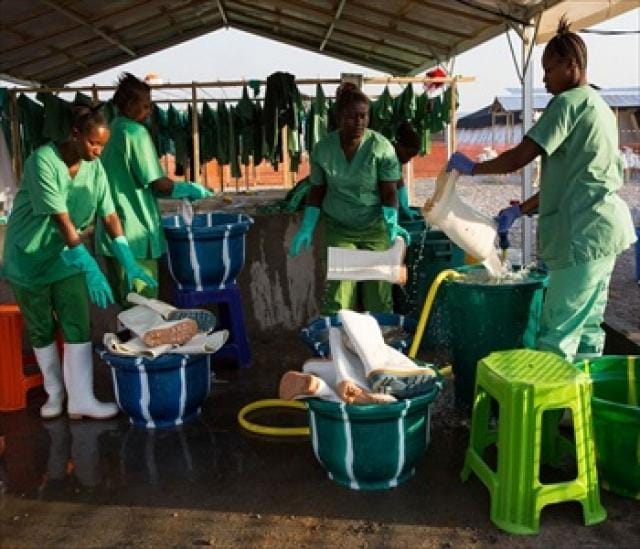
Meanwhile, Swiss Solidarity has separately pledged CHF1.2 million from its humanitarian relief fund to support Ebola containment efforts in Congo and surrounding countries. The organisation plans to assist with isolation and treatment centres, virus testing, contact tracing, hygiene kits, and protective medical equipment.

The humanitarian support will also fund community awareness programmes and safe burial practices aimed at reducing infection risks. Health experts say prevention campaigns are essential because Ebola spreads rapidly through direct contact with infected individuals and contaminated materials.

Switzerland’s contribution reflects growing international concern over the Ebola outbreak and the need for coordinated global action to prevent a wider public health emergency.

WHO Warns Ebola Outbreak Is Spreading Rapidly in DRC.

The World Health Organization has issued a strong warning that the Ebola outbreak in the Democratic Republic of Congo is spreading rapidly, with a growing number of suspected cases and deaths reported across affected regions.

According to WHO Director-General Tedros Adhanom Ghebreyesus, nearly 750 suspected cases and 177 suspected deaths have been recorded so far, while 82 infections have been laboratory confirmed. He stated that the situation in the DRC is “much more serious” than initially understood.

The outbreak continues to raise international concern as health authorities struggle to contain the spread in conflict-affected areas. Violence and insecurity in eastern Democratic Republic of the Congo are significantly hampering response efforts, making it difficult for medical teams to reach affected communities.

In neighboring Uganda, officials report a more stable situation, with only two confirmed cases and one death so far.

Global attention has also increased after reports that an American citizen tested positive for Ebola, while another high-risk contact was transferred to the Czech Republic for monitoring and treatment.

The International Federation of Red Cross and Red Crescent Societies (IFRC) stated that while the outbreak could still be contained, the coming days will be critical in determining whether it can be controlled or escalates further.

Health experts continue to emphasize the importance of rapid response, contact tracing, and safe medical support to prevent further spread of the virus.