Apple Confirms Possible iPhone Price Increase Amid Chip Cost Surge

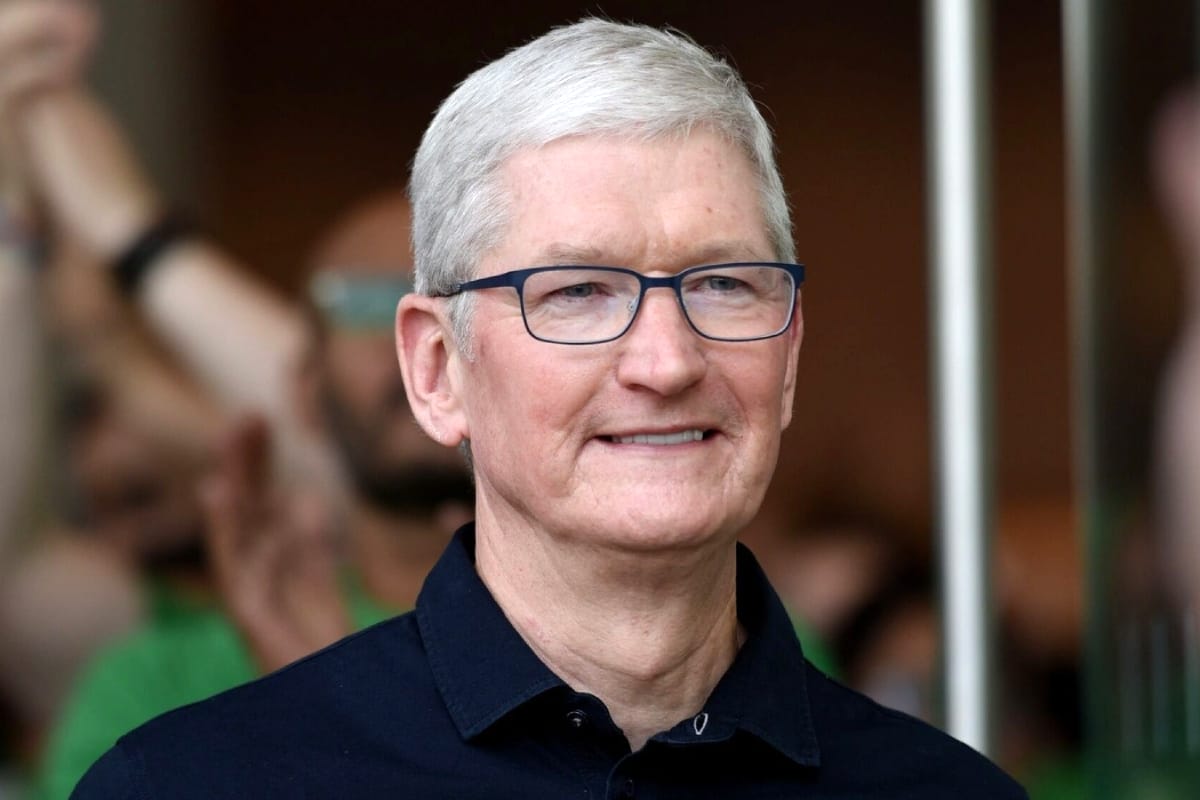
Apple CEO Tim Cook has confirmed that rising memory chip prices may lead to an increase in Apple product prices, including iPhones and Mac devices. He stated that the situation is “unavoidable” due to global market conditions.

The price of memory chips has nearly doubled in recent months, mainly driven by the rapid growth of Artificial Intelligence (AI) technologies, which have significantly increased demand for advanced semiconductor components.

As a result, Apple’s production costs have risen sharply, especially for devices like iPhones and MacBooks that depend heavily on high-performance chips.

Although Apple has not officially confirmed price changes for the upcoming iPhone 18, analysts predict that new models could be around $150 more expensive than the iPhone 17 series.

At the same time, U.S. political discussions continue around boosting domestic chip manufacturing. Former President Donald Trump stated that Apple may collaborate with Intel to strengthen semiconductor production within the United States, which could reduce long-term dependency on foreign supply chains.

Another key factor affecting chip production is helium gas, which plays an important role in semiconductor manufacturing. Recent geopolitical tensions, including conflicts involving Iran, have disrupted helium supply chains, further pushing prices upward.

Experts also warn that global smartphone prices could increase by up to 20% in 2026, as supply chain pressures continue. Major companies such as Samsung, Sony, and Nintendo have already raised prices on several products.

This trend indicates a broader shift in the global technology market, where rising production costs are becoming the new normal.
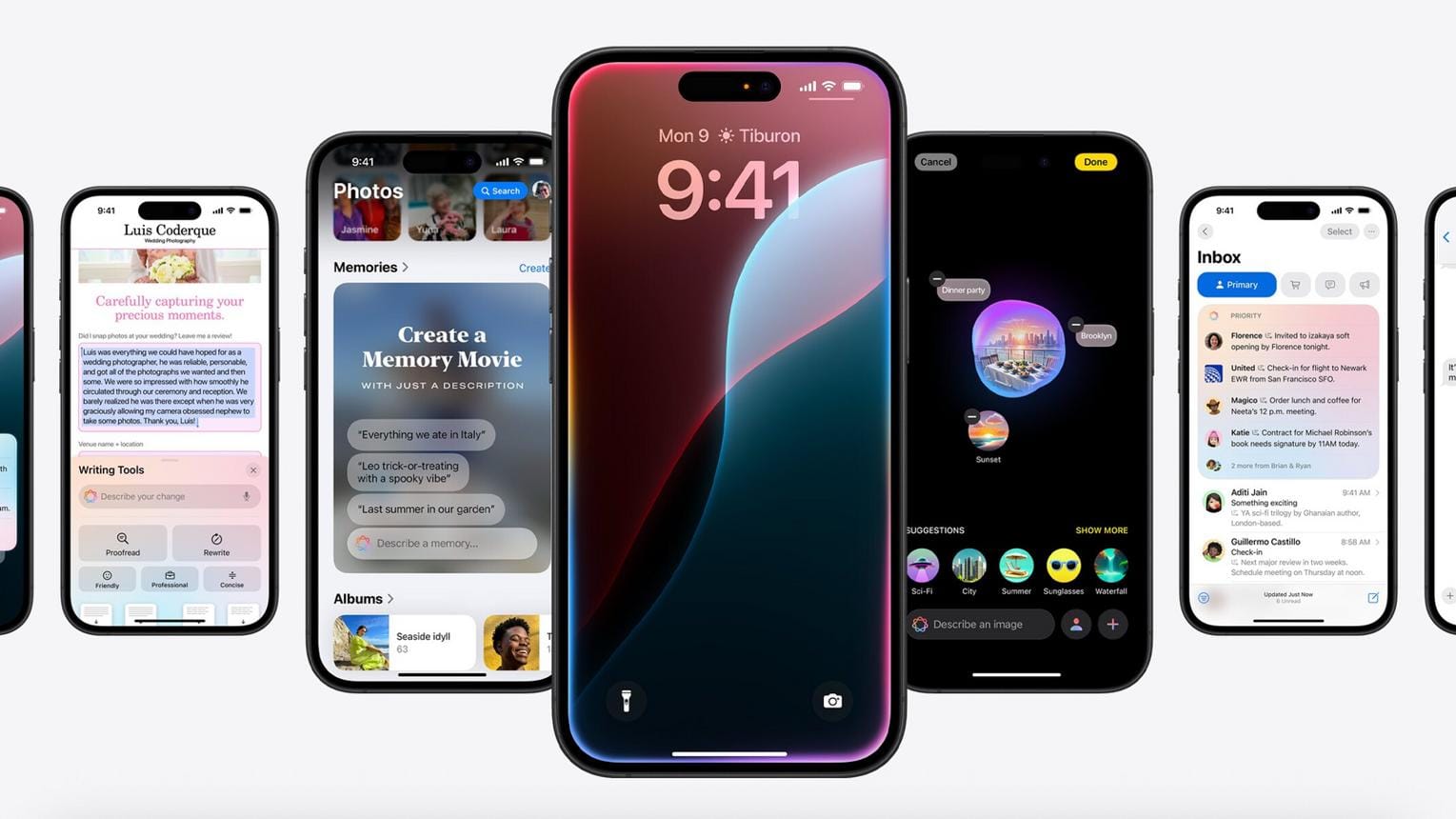
Siri AI Coming to Switzerland.

Swiss iPhone and iPad users are set to receive access to Apple’s latest Siri AI technology later this year, giving them an advantage over users in European Union countries where the feature remains unavailable.

Apple has confirmed that Switzerland is not affected by the restrictions currently preventing the launch of Siri AI across the 27 member states of the European Union. According to an Apple spokesperson, the limitations apply only to EU countries, allowing Swiss users to enjoy the new artificial intelligence features once they become available.

The enhanced Siri AI assistant will initially launch as a beta version and will be available to Swiss users whose devices are set to English. Apple has also announced plans to expand support to additional languages in the near future.

However, not all Apple devices will be compatible with the new AI-powered assistant. Users will need one of Apple’s latest devices to access Siri AI. Supported smartphones include the iPhone 15 Pro, iPhone 15 Pro Max, and newer models. For iPad users, compatibility begins with the iPad mini featuring the A17 Pro chip and iPads powered by the M1 chip or later.

The development places Switzerland in a favorable position compared to many neighboring EU countries. Apple has delayed the rollout of Siri AI within the European Union due to regulatory requirements from the European Commission, which seeks greater openness and interoperability for AI assistants from competing providers on Apple devices.

As artificial intelligence becomes an increasingly important part of everyday technology, Swiss Apple users will soon be among the first in Europe to experience Apple’s next-generation AI assistant. The move highlights Switzerland’s unique position outside the European Union while remaining closely connected to the European technology market.

Siri’s Massive AI Evolution: Apple Teams Up with Google and NVIDIA.

Apple is preparing a major upgrade to its Siri voice assistant by integrating advanced artificial intelligence technologies from Google and NVIDIA, according to industry reports.

The company is expected to use Google’s Gemini AI models alongside NVIDIA’s Blackwell B200 chips to power the next generation of Siri, marking one of the biggest transformations of Apple’s voice assistant since its launch.

The new Siri is reportedly being designed as a fully AI-driven assistant with significantly improved natural language understanding, reasoning ability, and task automation features. Apple aims to unveil the upgraded version at its Worldwide Developers Conference (WWDC) 2026.

NVIDIA’s Blackwell B200 GPUs are specifically designed for large-scale AI processing and training. Apple is said to be leveraging these high-performance chips through Google Cloud infrastructure to handle complex Siri AI computations.

To strengthen user privacy, the system will also use NVIDIA’s “Confidential Compute” technology, which encrypts data during processing. This approach ensures that sensitive information remains protected even while being processed on AI hardware.

Apple’s existing Private Cloud Compute framework is also expected to play a key role, although the exact integration model between Apple’s own systems and external cloud infrastructure has not yet been fully clarified.

If implemented as planned, this collaboration between Apple, Google, and NVIDIA could transform Siri into a more powerful AI assistant capable of competing with modern generative AI systems in the market.

The move highlights Apple’s broader strategy to enhance its AI ecosystem while maintaining its strong focus on privacy and secure computing.

iPhone 18 Series Price Leak: Apple May Keep Pro Prices Stable

The upcoming flagship lineup from Apple Inc., the iPhone 18 series, is expected to launch around September 2026, and early leaks suggest that Apple may follow a stable pricing strategy for its premium models.

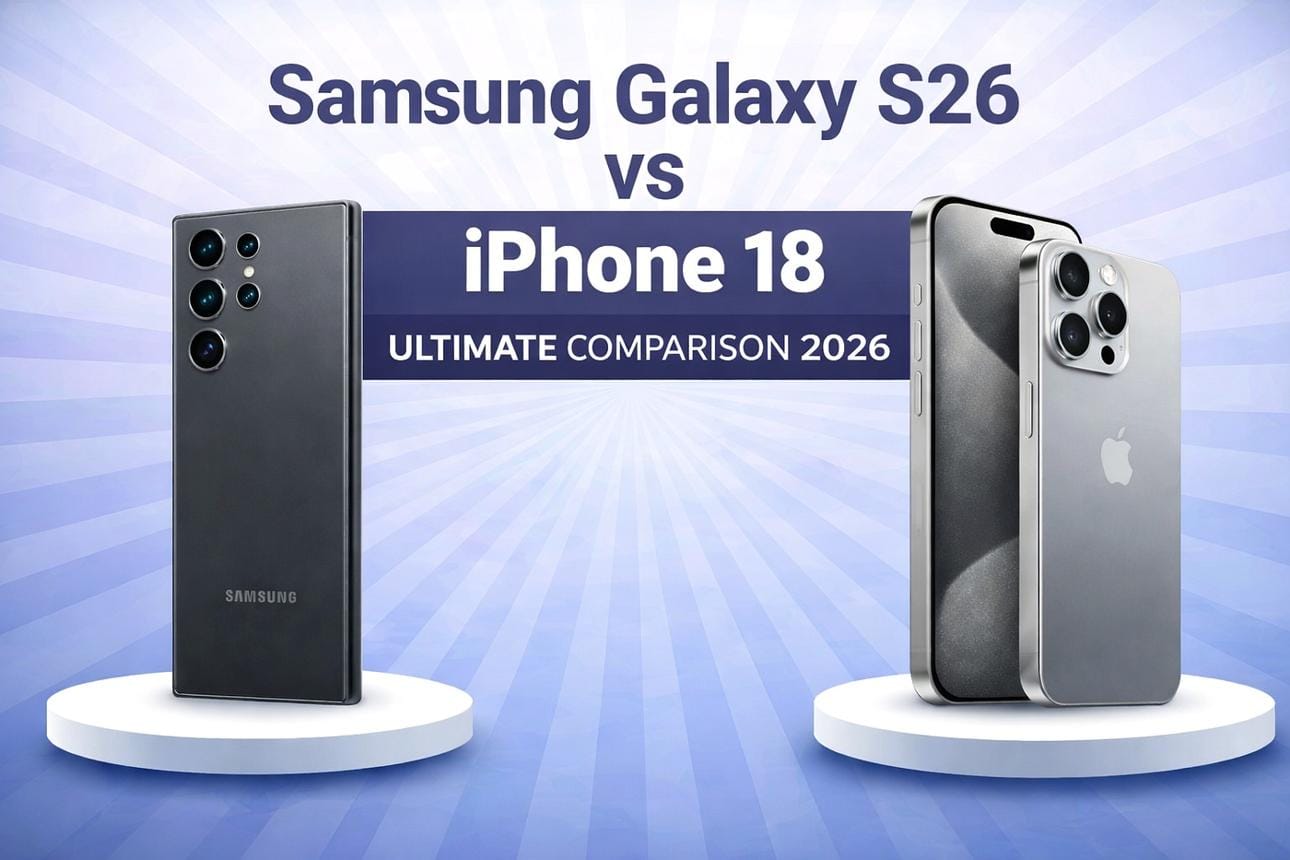
According to industry reports, Apple could maintain the price of its high-end models despite increasing competition in the premium smartphone market. The iPhone 18 Pro Max is expected to follow a similar pricing strategy seen in rival flagship devices from Samsung, particularly the Galaxy S26 series.

Initial estimates suggest that the iPhone 18 Pro may start at around $1,099, while the iPhone 18 Pro Max could be priced at approximately $1,199 in global markets. This indicates that Apple may avoid significant price hikes for its top-tier models.

Experts believe this strategy is aimed at strengthening Apple’s dominance in the premium smartphone segment while responding to increasing demand for advanced features such as improved photography, AI-powered performance, and long-term device durability.

Interestingly, Samsung has also reportedly followed a mixed pricing strategy in its Galaxy S26 lineup, keeping the Ultra model price stable while slightly increasing the prices of base and Plus variants in select markets.

If these reports are accurate, both Apple and Samsung appear to be focusing on balancing profitability with customer retention in a highly competitive flagship smartphone market.

Apple and Intel Sign Major Semiconductor Deal as Shares Surge.

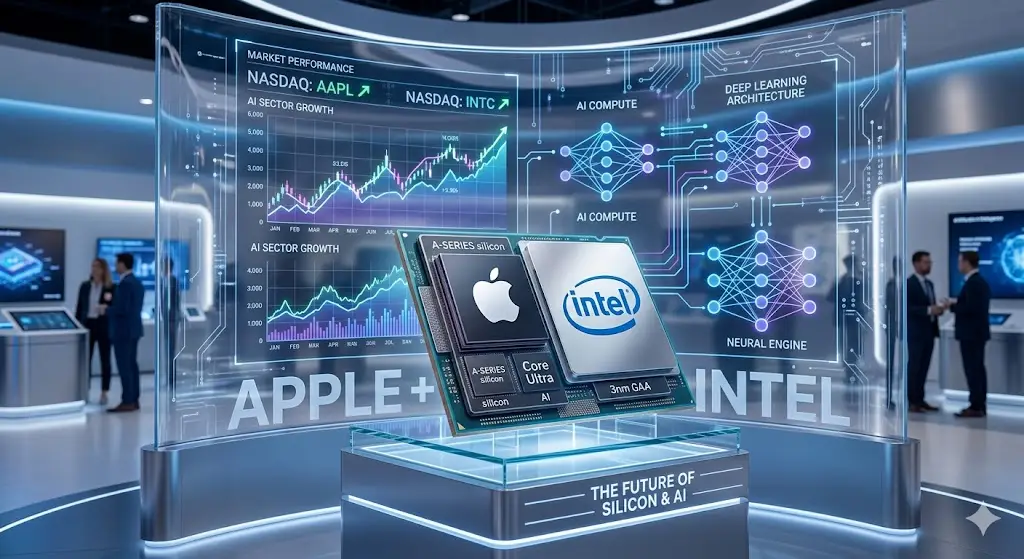
Apple Inc. and Intel Corporation have reportedly signed a major preliminary agreement that could reshape the global semiconductor industry.

According to reports from The Wall Street Journal, discussions between the two technology giants had continued for more than a year before both sides finalized a structured framework agreement.

The exact Intel technologies and semiconductor products that will be integrated into future Apple devices remain confidential. However, industry analysts believe the partnership could significantly influence future chip manufacturing strategies and hardware development.

The agreement has already triggered strong reactions in the financial markets. Investors responded positively to the news, driving a sharp increase in stock prices for both companies.

Intel shares surged by 18.26%, reaching approximately $129.64, while Apple shares rose by 1.59% to around $292.00.

The deal also signals a strategic shift for Apple, which has previously maintained semiconductor partnerships with companies including Samsung.

Market experts say the new collaboration may help Intel strengthen its position in the global semiconductor market while allowing Apple to diversify its supply chain and chip development capabilities.

The semiconductor industry continues to play a critical role in artificial intelligence, mobile devices, cloud computing, and advanced consumer electronics, making partnerships between major technology firms increasingly important.

Investors and analysts are now closely watching future announcements to determine how the partnership will impact upcoming Apple products and the broader global chip industry.

OpenAI Plans AI Smartphone to Challenge Apple and Samsung

Artificial intelligence leader OpenAI is reportedly planning to develop a new generation of AI-powered smartphone that could challenge industry giants like Apple and Samsung.

The upcoming device is expected to move away from traditional app-based interfaces and instead operate using an AI-agent-driven system. This means users will no longer need to open individual apps; instead, they can directly interact with an AI assistant to perform tasks such as messaging, searching, scheduling, and more.

AI-Centric Smartphone Concept

The phone will function as a fully integrated AI device, where intelligent assistants handle most user actions in real time. This marks a major shift from conventional smartphone ecosystems that rely heavily on standalone applications.

To support this vision, OpenAI is collaborating with major semiconductor companies such as MediaTek and Qualcomm to develop AI-optimized chipsets designed for advanced machine learning performance.

Manufacturing Partnership

For large-scale production, OpenAI is partnering with Luxshare, a well-known manufacturer that also produces components for Apple devices. This partnership is expected to give OpenAI strong production capabilities and global supply chain access.

A New Era of Smartphones

If successful, the AI smartphone could redefine how users interact with mobile devices, shifting the industry toward fully AI-driven digital ecosystems and posing a serious challenge to current smartphone leaders.

OpenAI #AIPhone #Apple #Samsung #Technology #Innovation #Smartphone #BreakingNews