Swiss Government Covers Security Costs for Donald Trump Jr.’s Zurich Visit

The Swiss federal government has confirmed that it covered the security costs associated with Donald Trump Jr.’s private visit to Zurich in early June, although officials have declined to reveal the exact amount spent on the operation.

Donald Trump Jr., the son of US President Donald Trump, attended a private business gathering held at the historic Zunfthaus zur Saffran in Zurich. The closed-door event brought together around 70 guests from the worlds of business and politics and was followed by a private dinner.

The meeting was organized by the Davos Lodge networking platform and attracted significant attention due to the extensive police presence deployed around the venue.

Large Security Operation in Zurich

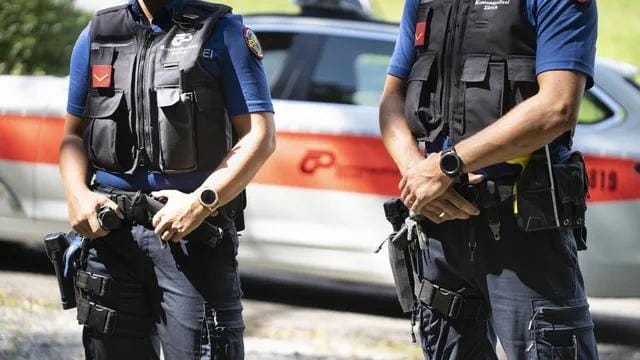
According to Zurich City Police, the entire cost of the security operation was charged to the Federal Office of Police (Fedpol). Authorities confirmed that the city police acted under instructions from Fedpol and served as the operational force responsible for implementing the security measures.

The scale of the police deployment has raised public questions about who should bear the costs of protecting high-profile visitors attending private events in Switzerland.

Who Pays for Security?

Fedpol explained that, in principle, private organizers are generally responsible for covering security costs when they invite individuals who require special protection.

However, exceptions can be made when an event is considered to have significant importance for Switzerland’s international relations or economic interests. In such cases, cantonal authorities may apply for reimbursement from the federal government.

Officials did not clarify under which specific criteria the Zurich event qualified for federal funding.

Cost Remains Confidential

Neither Fedpol nor Zurich City Police have disclosed the total cost of the operation. Authorities stated that releasing detailed figures could reveal sensitive information about security planning and operational procedures.

As a result, the exact amount paid by Swiss taxpayers for the security arrangements remains unknown.

Political and Public Interest

The visit has sparked debate over public funding for security at private events involving internationally prominent figures. Supporters argue that ensuring safety for high-profile guests is necessary, while critics question whether public resources should be used for privately organized meetings.

The issue is likely to continue attracting attention as Switzerland balances security obligations, public transparency, and the hosting of influential international visitors.
Swiss Government Ministers Spent More Time in the Air During 2025

Members of the Swiss government increased their use of aircraft and helicopters in 2025, recording significantly more flight hours than the previous year.

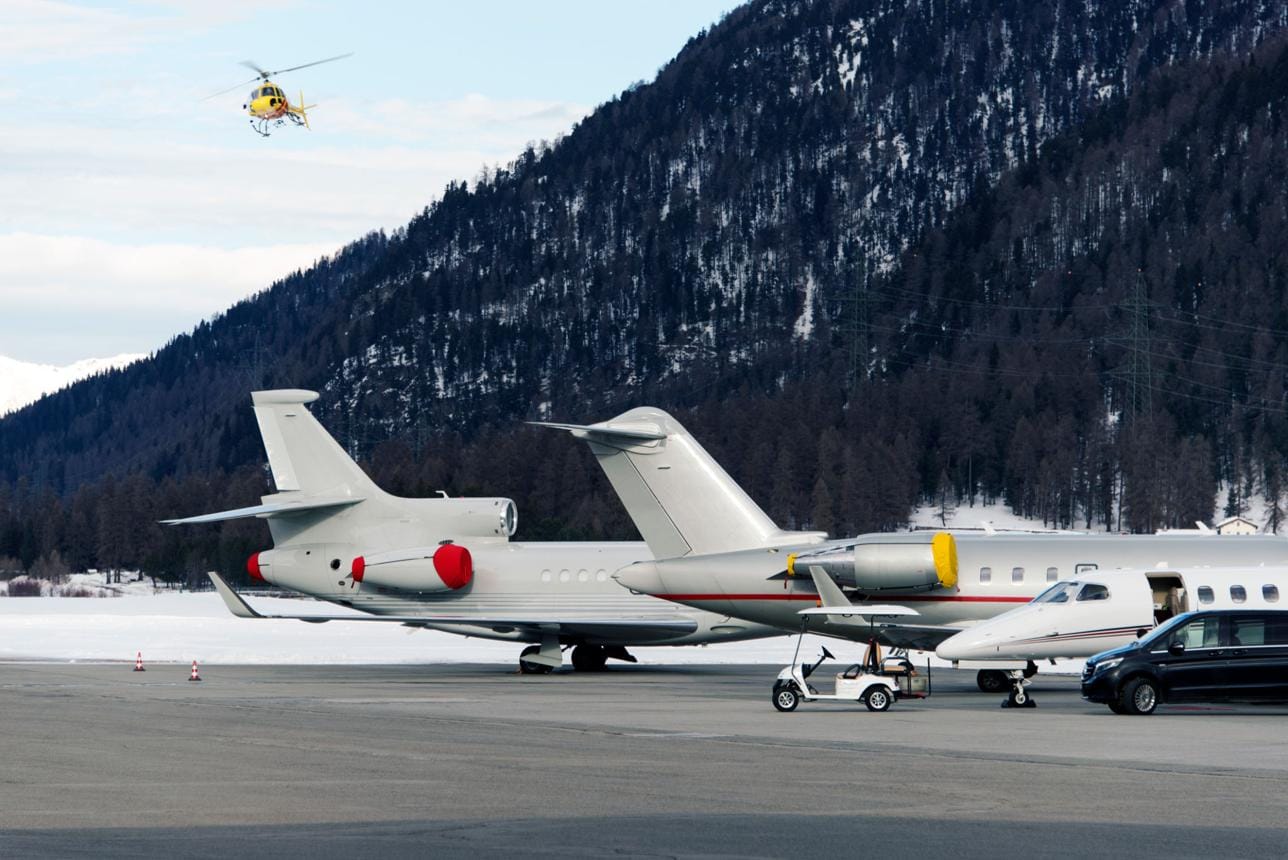
According to figures released by the Federal Air Transport Service, the seven members of the Federal Council accumulated a total of 704 flight hours during 2025. This represents an increase of 104 hours compared with 2024, when government ministers spent approximately 600 hours in the air.

The latest data shows that flight activity rose by around 17.5% year-on-year. Of the total flight time recorded in 2025, approximately 39 hours were classified as empty flights.

Most official journeys were completed using airplanes, while helicopter operations accounted for less than 14% of total flight hours. Helicopter usage increased only slightly compared with the previous year.

Foreign Minister Ignazio Cassis recorded the highest number of flight hours among government members. He spent approximately 212 hours travelling by air as part of his diplomatic responsibilities, which require frequent international visits and meetings with foreign leaders.

Economics Minister Guy Parmelin ranked second, with more than 146 hours of official air travel throughout the year.

Finance Minister Karin Keller-Sutter came third with 128 flight hours. During 2025, she also served as Switzerland’s rotating president, a role that involved additional international engagements and official duties.

The increase in flight activity comes despite ongoing discussions in Switzerland regarding sustainable travel and efforts to reduce environmental impacts associated with official government transport.

Swiss authorities continue to balance the need for international diplomacy, economic cooperation, and governmental responsibilities with broader environmental and sustainability goals.

The figures highlight the significant travel demands placed on senior Swiss officials, particularly those responsible for foreign affairs, economic relations, and international representation.

Switzerland Protects National Language Learning.

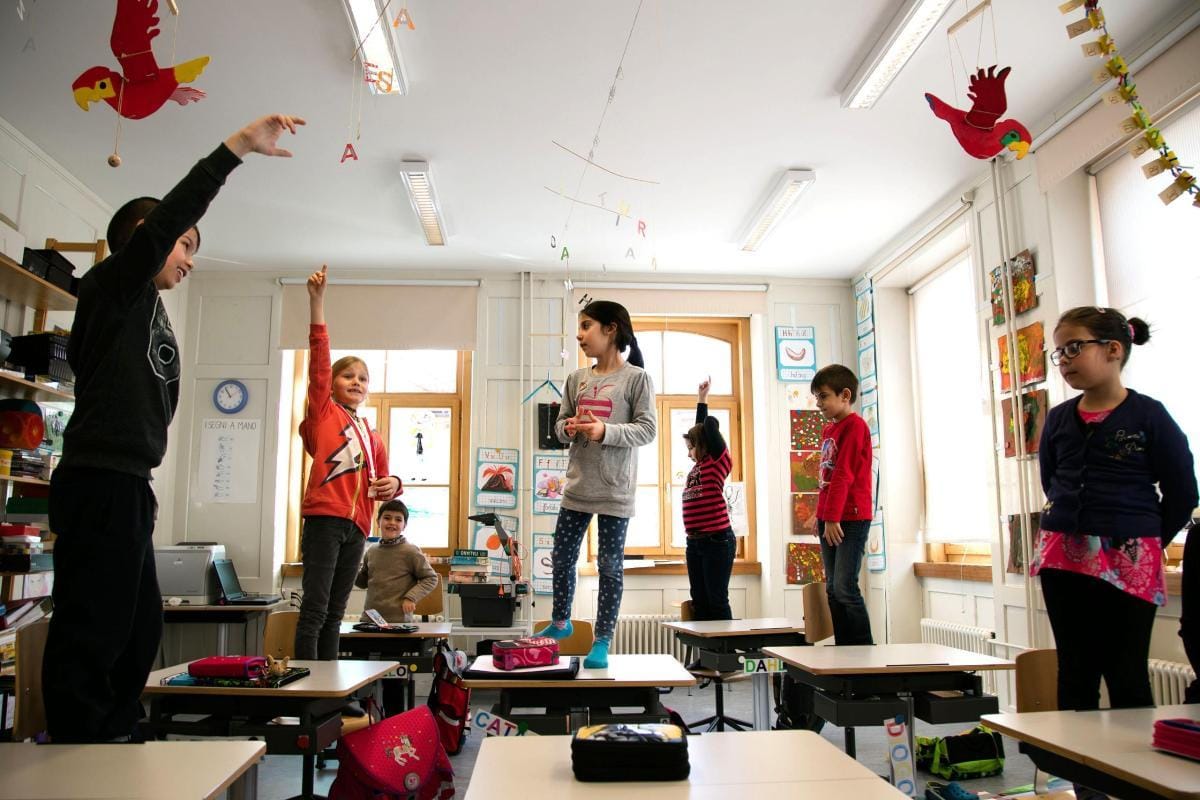
The Swiss government wants to ensure that all primary school pupils continue learning a second national language as part of compulsory education. The move comes in response to proposals in some German-speaking cantons to reduce or remove early French lessons from school timetables.

On Friday, the government launched a public consultation on amendments to the Language Act. The proposed changes would give federal authorities the power to enforce the teaching of a second national language if necessary.

According to the government, maintaining national language education is essential for Switzerland’s unity and cultural identity. Officials emphasized that the status of national languages in compulsory education is a matter of national importance.

Two options have been presented during the consultation process. The first option would require all primary school pupils to study two foreign languages: a second national language and English. This model follows the Harmos Agreement, which has already been adopted by 15 of Switzerland’s 26 cantons.

The second option offers greater flexibility to cantons. Under this proposal, pupils would still be required to learn a second national language, but it could be taught at any stage from primary school through the end of compulsory education.

The debate has intensified following discussions in parts of German-speaking Switzerland about reducing the role of French in primary education. Supporters of national language teaching argue that learning French, German, Italian, or Romansh helps strengthen national cohesion and mutual understanding between linguistic regions.

Education experts also point out that multilingualism remains one of Switzerland’s defining characteristics and a key advantage for future generations in an increasingly interconnected world.

The consultation period will remain open until October 5, after which the government will evaluate feedback before deciding on the next steps.

If approved, the legislative changes would reinforce Switzerland’s commitment to multilingual education and help preserve the country’s unique linguistic diversity for future generations.

Swiss SEM to Cut 108 Jobs as Asylum Applications Decline.

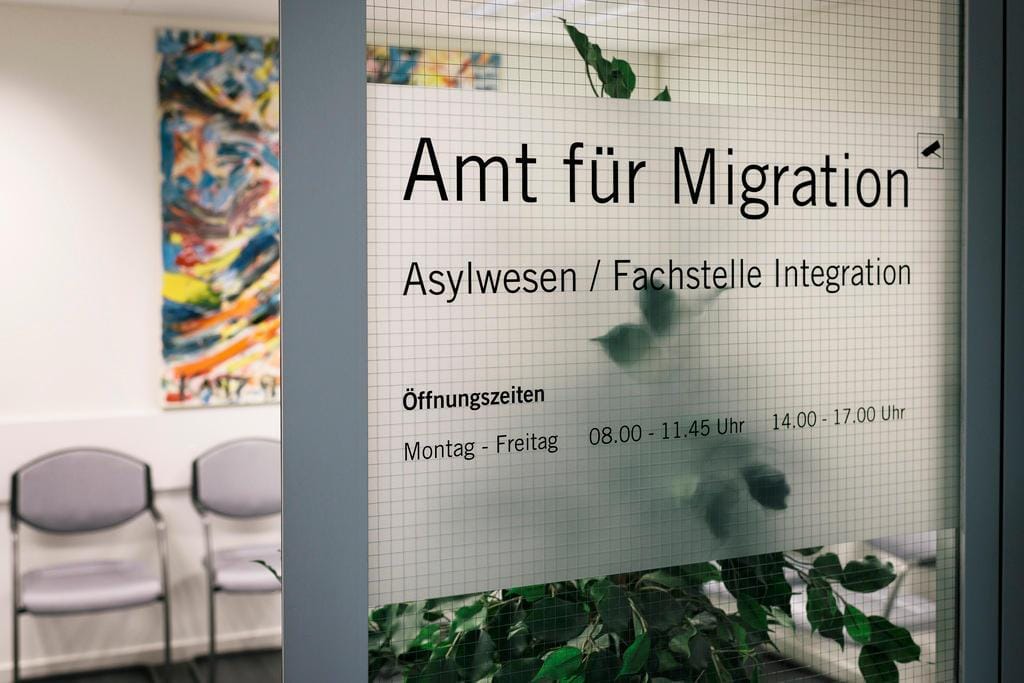
Switzerland’s State Secretariat for Migration (SEM) has announced plans to reduce its workforce by 108 positions as asylum applications continue to decline across the country. The move reflects changing migration trends and ongoing government efforts to manage public spending efficiently.

According to the SEM, most of the positions being eliminated were temporary roles that were originally created to help process a backlog of asylum applications. With pending cases falling significantly in recent years, the agency says these additional resources are no longer required.

The federal government’s cost-saving measures will also result in the removal of several permanent positions. Officials stated that the reductions will affect different departments within the migration authority and are part of a broader effort to control spending across federal institutions.

Employees affected by the restructuring are expected to receive official notification during June. The planned reductions will take effect at the beginning of 2027. Despite the cuts, the SEM will continue to employ around 1,280 full-time staff members.

The agency had already reduced its workforce by 83 positions at the start of 2026. Authorities explained that staffing levels within the asylum sector are directly linked to the number of applications received each year.

Switzerland recorded fewer asylum applications during 2025, and officials expect application numbers to remain lower throughout 2026 compared with the higher levels seen between 2022 and 2024. As a result, the demand for additional processing staff has decreased.

The SEM also reported strong progress in handling pending asylum cases. By the end of March, unresolved applications had fallen by 45%, leaving approximately 8,600 cases still awaiting decisions. The reduction highlights the agency’s efforts to improve processing efficiency and shorten waiting times.

The latest workforce adjustment signals a significant shift in Switzerland’s migration administration as authorities adapt to lower asylum demand while maintaining essential services and operational efficiency.

Geneva Prepares Special Security Measures Ahead of G7 Summit in Evian

Authorities in Switzerland are preparing extensive security measures ahead of the upcoming G7 Summit scheduled to take place in Evian, France, near the Swiss border.

The Geneva Public Prosecutor’s Office has announced a large-scale operational plan to handle potential incidents during the summit, which will run from June 15 to June 17 on the French side of Lake Geneva.

Geneva public prosecutor Olivier Jornot said authorities are preparing for the “most dangerous scenario,” including possible mass arrests linked to protests or security incidents.

To manage the expected pressure, the prosecutor’s office plans to double or even triple its usual staffing levels during the summit period. Up to six prosecutors per day will reportedly be placed on standby to handle urgent legal procedures.

Officials also confirmed that routine hearings involving detainees will be significantly reduced during the summit in order to prioritize emergency response and security-related cases.

Security planning has identified two main risk areas. The first involves potential threats against heads of state and delegations, which falls under federal-level Swiss security responsibility. The second concerns civil disturbances, including protests, vandalism, and property damage, which will be handled by Geneva authorities.

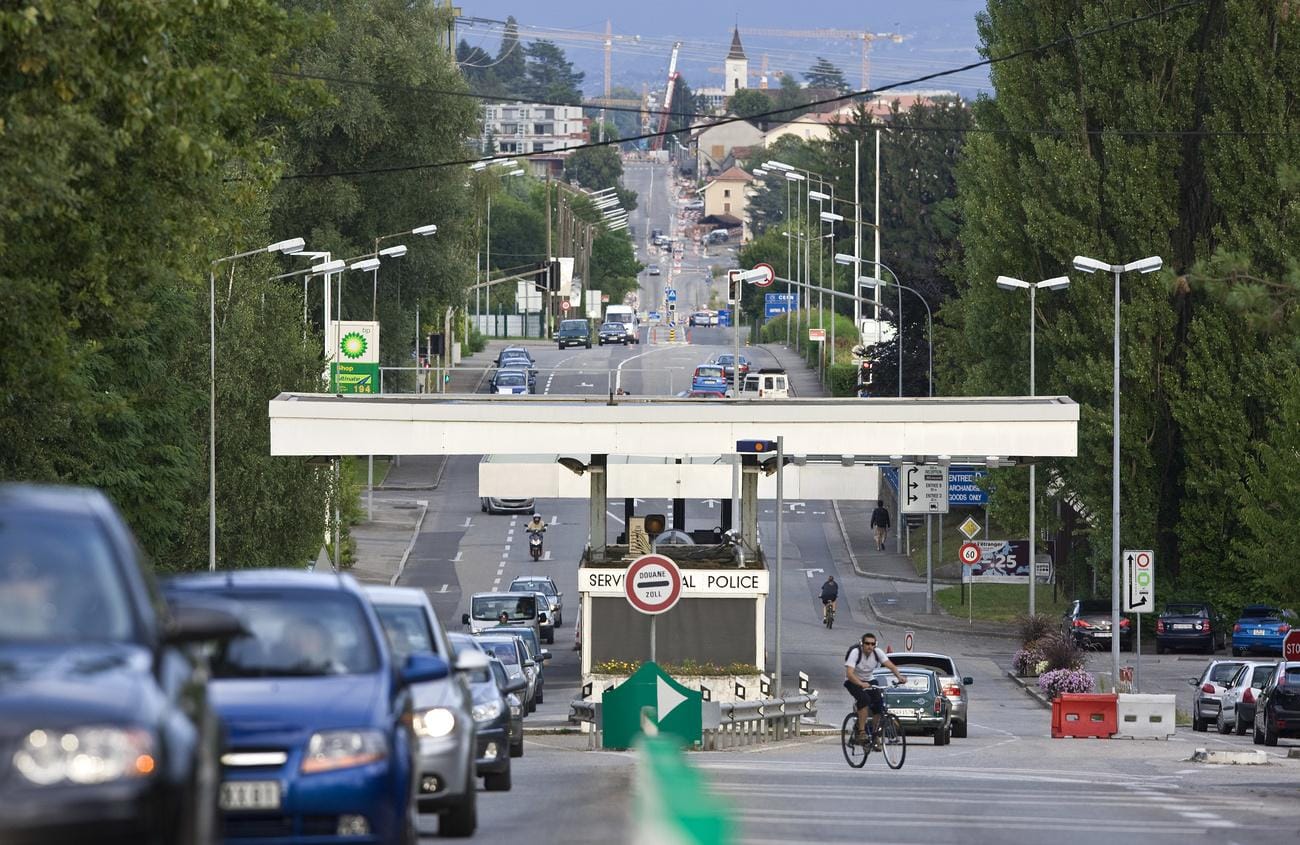
In response to these risks, Geneva will also tighten border controls during the summit period. Between June 12 and June 18, only seven of the canton’s 35 border crossings will remain open to regulate movement and strengthen security monitoring.

Authorities have cited lessons learned from the 2003 G8 summit in Evian, when protests led to significant damage on the Swiss side of the border.

The coordinated Swiss-French security strategy highlights the importance of cross-border cooperation during major international political events held in the Lake Geneva region.