Swiss Wolf Packs Rise to 43 in 2025.

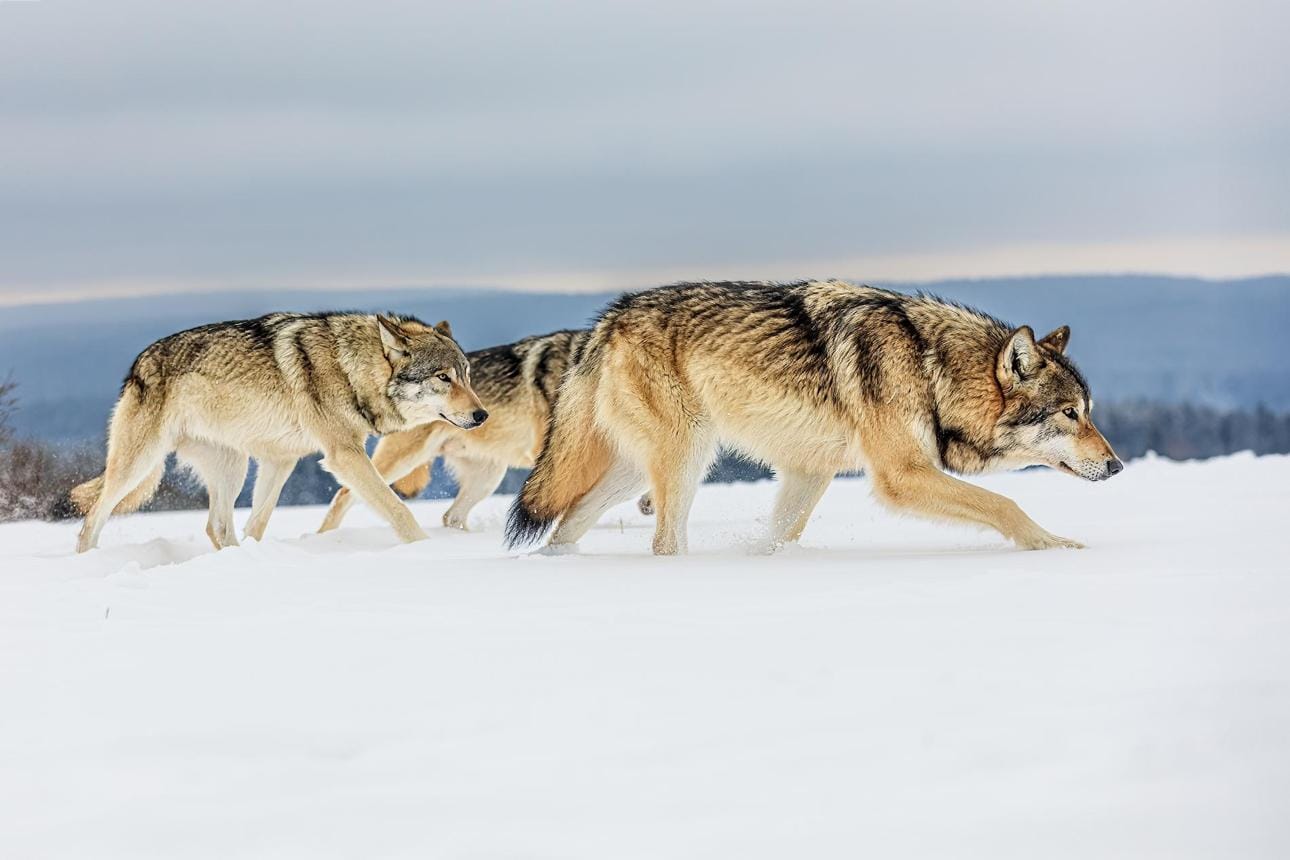
Switzerland’s wolf population continued its steady expansion in 2025, with wildlife experts confirming the presence of 43 wolf packs across the country. The latest findings, released by the Kora Foundation, highlight the ongoing recovery of one of Europe’s most closely monitored wildlife species.

According to the annual report, researchers identified approximately 350 wolves living in Switzerland during the year. The increase reflects the species’ continued spread into new regions and its successful establishment in several cantons.

A significant milestone was recorded in the canton of Obwalden, where a wolf pack was confirmed for the first time. Another newly established pack was documented in the canton of Neuchâtel, further demonstrating the growing geographic range of wolves within Switzerland.

Researchers also made an important scientific discovery in the canton of Bern. For the first time, a pregnant female wolf from the Central European wolf population was officially recorded in Switzerland. Until now, the vast majority of wolves found in the country have originated from the Alpine wolf population.

Another notable development occurred in the canton of Valais. Wildlife experts documented double reproduction within a single wolf pack for the first time. Two female wolves successfully reproduced during the same breeding season, a rare event that provides valuable insight into wolf behavior and population dynamics.

The growing wolf population continues to attract attention from conservationists, farmers, and policymakers. Supporters view the increase as a success for biodiversity and wildlife conservation, while others raise concerns about the impact on livestock and rural communities.

The Kora Foundation’s findings provide important data for future wildlife management decisions. As wolf numbers continue to rise, authorities are expected to balance conservation goals with measures designed to protect agriculture and maintain coexistence between wildlife and local communities.

The latest report confirms that wolves are becoming an increasingly established part of Switzerland’s natural landscape, marking another significant chapter in the country’s wildlife conservation efforts.

Swiss Insect Species Show Mixed Recovery.

Researchers from several Swiss institutions analyzed records of 811 insect species collected between 1930 and 2021. The study, published in the journal Nature Ecology and Evolution, provides one of the most comprehensive pictures of long-term insect population trends in Switzerland.

The findings show that deadwood beetles have experienced a strong recovery after decades of decline. Their numbers dropped steadily until around 1960 but later stabilized and have now returned to levels similar to those recorded in 1930. Scientists attribute this recovery to improved forest management practices, increased biodiversity protection, and the availability of more deadwood habitats.

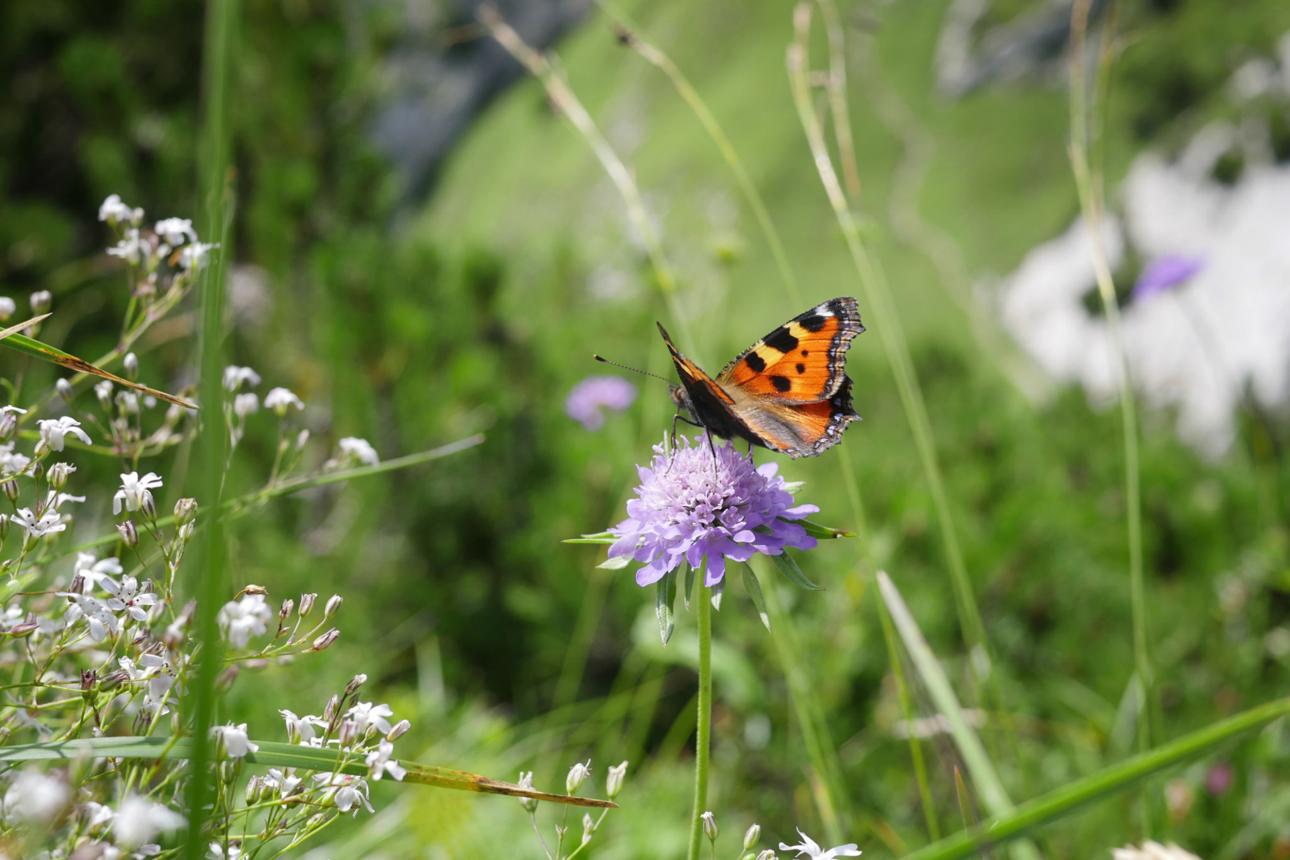
Butterflies, however, tell a very different story. Their diversity declined sharply until the 1980s and has failed to recover. Today, Switzerland has approximately 12% fewer butterfly species than it did in 1930. The decline is especially severe in the Central Plateau region, where butterfly diversity has fallen by nearly 29%.

Researchers point to agricultural intensification between 1950 and 1980 as a major factor behind these losses. The widespread use of fertilizers and pesticides, combined with landscape simplification, significantly reduced natural habitats for many insect species.

Climate change has also played a role. Rising temperatures have benefited certain warmth-loving species, particularly deadwood beetles, allowing them to expand their range. Major storms such as Vivian in 1990 and Lothar in 1999 also created large amounts of deadwood, providing valuable habitats for beetle populations.

The study highlights that environmental protection measures introduced since the 1990s have produced positive results, particularly in forest ecosystems. However, researchers warn that stronger and more targeted conservation efforts are still needed to protect vulnerable species such as butterflies.

Experts believe that preserving biodiversity remains essential for maintaining healthy ecosystems, pollination services, and Switzerland’s natural heritage. The findings serve as both a success story for conservation and a reminder that many species still require urgent protection.

Swiss Lakes Hit Record High Temperatures in May.

Switzerland’s lakes are experiencing unprecedented warmth, with many recording their highest-ever temperatures for the month of May. According to recent reports, 26 of the country’s 32 largest lakes have reached record surface temperatures, highlighting the growing impact of warmer weather and climate change.

Several well-known lakes, including Lake Zurich, Lake Geneva, Lake Maggiore, Lake Lucerne, and Lake Brienz, have all recorded unusually high temperatures. On Saturday, many lakes exceeded 20°C, a level typically associated with warmer summer periods rather than late spring.

Lake Murten recorded the highest temperature at 24.6°C, followed by Lake Geneva at 23.6°C. Lake Zurich reached 22.4°C, while Lake Maggiore measured 21.8°C. Lake Lucerne and Lake Biel also exceeded seasonal averages, both recording temperatures of 20.3°C.

Scientists warn that warmer lake water can create environmental and health challenges. Higher temperatures encourage the growth of blue-green algae, bacteria, and cercaria, commonly known as duck fleas. These microscopic larvae can trigger allergic skin reactions and severe itching in swimmers.

Researchers from the Swiss Federal Institute of Aquatic Science and Technology (Eawag) believe that duck fleas could become more widespread in Swiss lakes during future summers as water temperatures continue to rise.

The warming trend also threatens aquatic wildlife. Cold-water fish species such as trout and char require oxygen-rich environments to survive. Experts explain that prolonged water temperatures above 20°C can become dangerous for these species, affecting their growth, health, and survival rates.

Climate specialists warn that rising lake temperatures are placing increasing pressure on freshwater ecosystems across Switzerland. As extreme weather patterns become more frequent, scientists are closely monitoring lake conditions and their impact on biodiversity.

The record-breaking temperatures serve as another reminder of the environmental challenges linked to a warming climate and the need for continued conservation efforts to protect Switzerland’s natural resources.

Otter Returns to Switzerland After Decades of Absence.

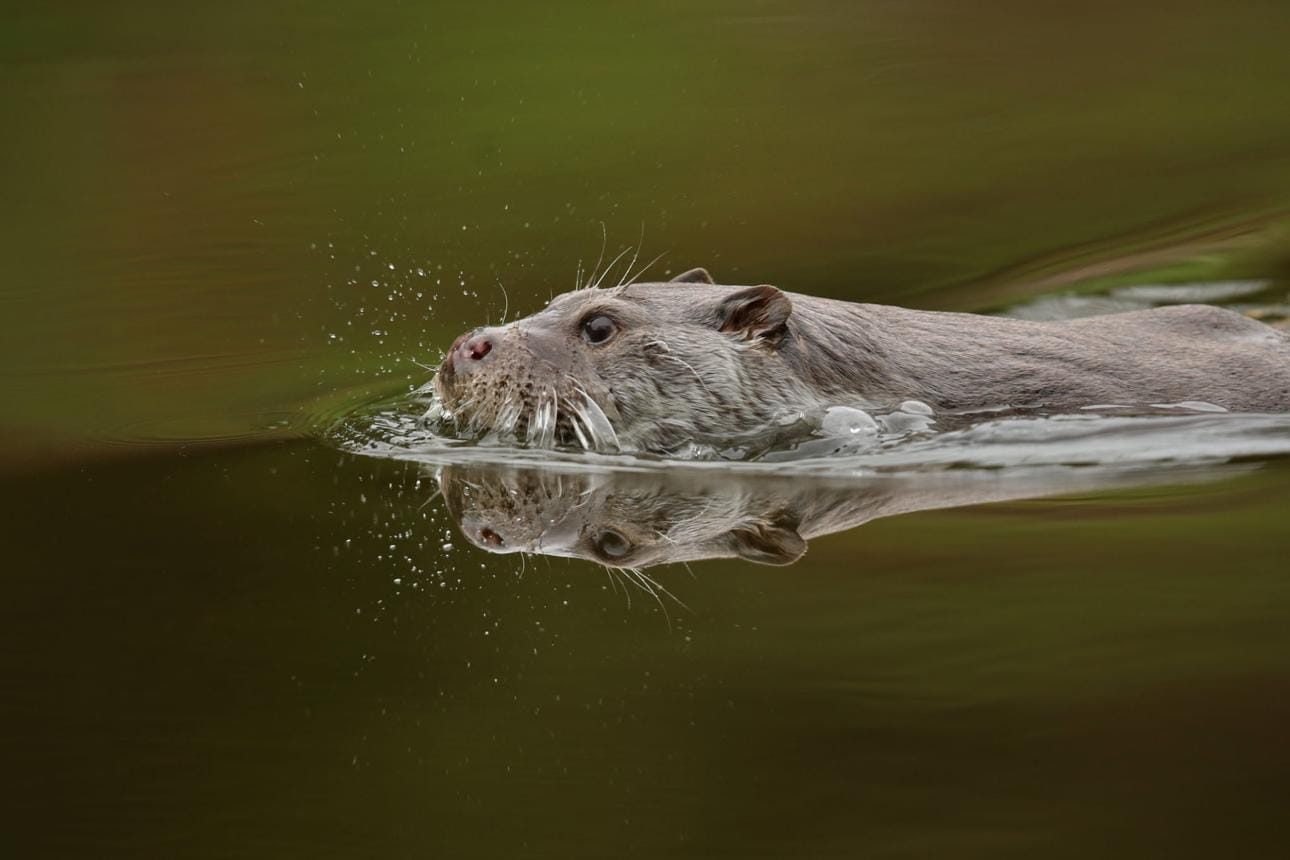
The otter has returned to Switzerland after disappearing for decades, marking a significant milestone for wildlife conservation efforts. However, environmental organisations warn that its long-term survival depends heavily on continued river restoration and habitat protection across the country.

According to conservation groups Pro Natura and Pro Lutra, multiple otter sightings were recorded in January 2026 across different regions of Switzerland, suggesting a slow but steady natural return of the species.

One of the most notable sightings occurred on January 11 in Selzach in the canton of Solothurn, where snow tracks along the River Aare confirmed otter presence for the first time in 91 years. Another sighting followed on January 15 when a wildlife camera captured an otter swimming in the Linth Canal in the canton of Glarus.

Additional reports of otters, including juvenile individuals, have also emerged from several Swiss cantons such as Graubünden, Bern, St Gallen, Ticino, Lucerne, and Zurich, indicating a wider regional presence.

The species disappeared from Switzerland in the late 20th century, with the last confirmed sighting recorded in 1989 at Lake Neuchâtel. Experts attribute its extinction to hunting, river modification, and water pollution, despite legal protections introduced in 1952 and environmental bans implemented in the 1980s.

Conservationists explain that otters have been able to naturally recolonise Switzerland by travelling through river networks connected to the Danube basin via Austria’s Inn region. This ecological corridor has allowed the species to gradually expand back into Swiss waterways.

However, experts warn that the otter’s survival is still uncertain. The species depends heavily on healthy fish populations, yet studies show that two out of three fish species in Switzerland are currently threatened. Environmental groups stress that river renaturation must be expanded significantly to support aquatic biodiversity.

Authorities currently restore less than half of the 50 kilometres of river habitat required annually by law, raising concerns about long-term ecological balance. Without stronger action, conservationists fear that the otter’s return could remain fragile.

World Otter Day, celebrated on the last Wednesday of May, is used globally to raise awareness about otter conservation. In Switzerland, events are also held on May 27, including educational activities at Muzoo La Chaux-de-Fonds and online webinars focusing on otter species and habitat protection.

Hoverfly Named Switzerland’s Species of the Year 2026.

A newly identified insect species, the hoverfly Monoceromyia ndidiae, has been named Switzerland’s “Species of the Year 2026” by the Swiss Systematics Society. The announcement highlights the growing importance of citizen science in modern biological research and species discovery.

The hoverfly belongs to a family of insects known for their striking yellow-orange coloration, which often mimics wasps. This natural camouflage helps protect them from predators, even though hoverflies are completely harmless and cannot sting or bite humans.

The discovery began unexpectedly in the Dominican Republic when nature enthusiasts uploaded insect photographs to the citizen science platform iNaturalist. One particular image caught the attention of an entomologist who noticed unusual physical features that did not match any known species.

After further analysis and collaboration with international experts, researchers confirmed that the insect represented a previously unknown species. The finding was later verified and formally recognized, marking a significant contribution to biodiversity science.

Scientists from the Swiss Systematics Society emphasized that this discovery demonstrates how public participation can play a crucial role in scientific research. By sharing wildlife observations online, non-experts can help identify rare or unknown species that might otherwise go unnoticed.

The case of Monoceromyia ndidiae also highlights how global collaboration between scientists and citizen observers can accelerate discoveries in taxonomy and ecology. Researchers believe that many more undiscovered species may already exist in public photo databases waiting to be identified.

This recognition as Species of the Year 2026 celebrates both the insect itself and the global community that helped bring it to scientific attention.

Blackcap Becomes Switzerland’s Most Common Bird, Overtaking Chaffinch

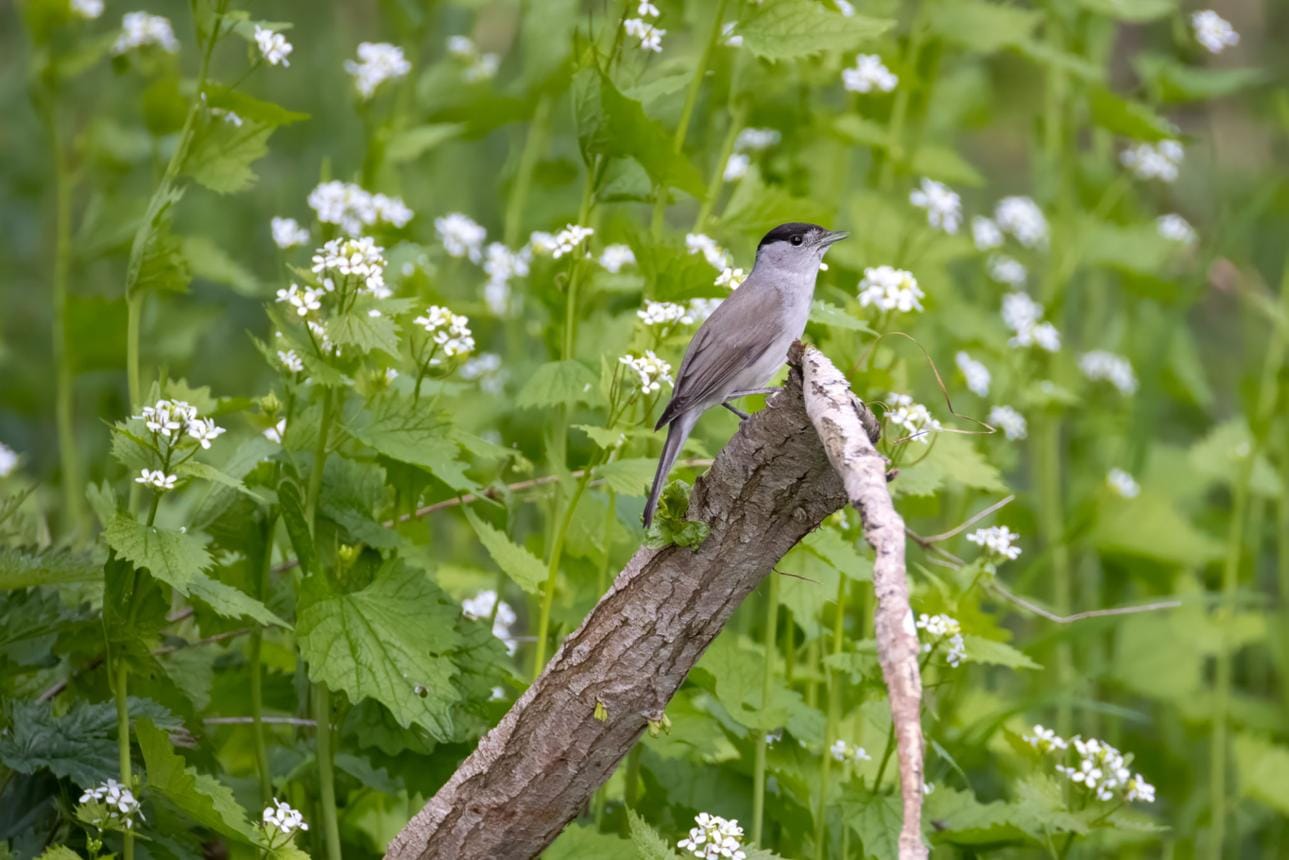
The blackcap has become the most common bird species in Switzerland, overtaking the chaffinch, according to the 2025 bird monitoring programme by the Swiss Ornithological Institute.

Researchers report that there are now nearly one million breeding pairs of blackcaps across the country. The species has expanded significantly, benefiting from forest growth at higher altitudes and changing environmental conditions.

The study also suggests that more birds are choosing to remain in Europe during winter instead of migrating south, which has contributed to the blackcap’s population increase.

At the same time, chaffinch numbers have declined. Scientists say the reasons for this decrease remain unclear, describing it as puzzling due to the lack of identifiable causes.

Other common species such as sparrows and blackbirds continue to rank among the top ten most widespread birds in Switzerland. However, urban species like the street pigeon do not appear in the top 50.

The monitoring programme involved around 300 staff members from the Swiss Ornithological Institute, who dedicated more than 3,000 hours to collecting data on breeding bird populations across the country.

Experts say the findings highlight how climate change, habitat shifts, and migration behavior are reshaping Switzerland’s bird populations.

Swiss Citizens Launch Constitutional Initiative to Protect Pollinating Insects.

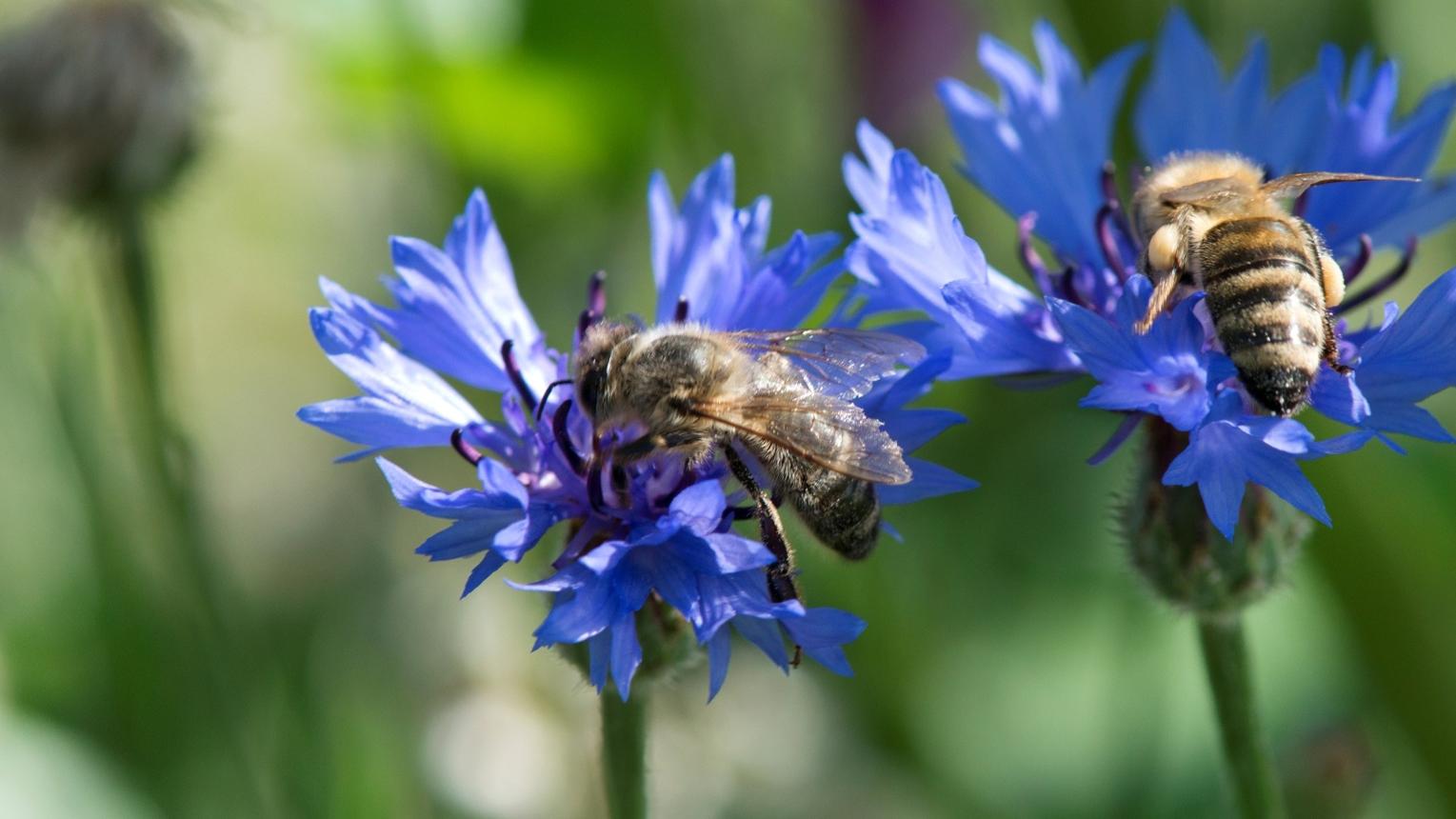
A citizen-led committee in Switzerland has launched a popular initiative aimed at strengthening legal protection for bees and other pollinating insects by embedding it directly into the national constitution.

The initiative, titled “In favour of ensuring the pollination of cultivated and wild plants by insects (bee initiative),” was officially published in the Federal Gazette on Tuesday. It brings together beekeepers, environmental supporters, and members of parliament.

The proposal calls on both the federal government and cantonal authorities to take responsibility for ensuring effective pollination of crops and wild plants. It also demands that authorities allocate sufficient resources and establish clear national guidelines to protect pollinating insect populations.

If successful, the initiative must collect at least 100,000 valid signatures by November 19, 2027, to trigger a nationwide referendum.

Supporters argue that pollinating insects are essential for food production and biodiversity, as they play a critical role in maintaining ecosystems and agricultural yields. Without them, many plant species and crops would face serious decline.

The initiative reflects growing public concern over environmental degradation, pesticide use, and habitat loss, all of which have contributed to declining bee populations in recent years.

If approved by voters, the proposal would make pollinator protection a constitutional duty, significantly strengthening Switzerland’s environmental policy framework.

Switzerland Launches Nationwide Campaign Against Invasive Japanese Beetle

Federal Office for Agriculture has launched a nationwide awareness campaign to stop the spread of the invasive Japanese Beetle, a destructive pest threatening Switzerland’s environment, agriculture, and biodiversity.

Swiss authorities are urging travelers returning from Ticino, parts of Valais and Graubünden, as well as northern regions of Italy, to carefully inspect vehicles, luggage, and equipment for the beetles before entering other parts of the country.

Experts warn that the Japanese beetle poses a major threat to more than 400 plant species. The invasive insect damages crops, flowers, fruit trees, lawns, and grasslands by attacking both leaves and root systems. Swiss agricultural officials say the pest could seriously impact farming and dairy production if it spreads further across the country.

The entire canton of Ticino has already been classified as an infested area. Authorities also detected infestations in parts of Valais, Graubünden, and even major northern cities such as Basel and Zurich during 2025.

Scientists say the beetles spread rapidly by attaching themselves to vehicles, freight shipments, and travel luggage, allowing them to move much faster than through natural migration alone.

Swiss authorities have now shifted their strategy from eradication to containment in heavily affected southern regions. Monitoring systems, insect traps, and inspection campaigns are being expanded to slow the beetle’s spread north of the Alps.

The Federal Office for Agriculture is asking the public to immediately report any suspected sightings to cantonal plant protection services. Travelers are also advised to capture and safely dispose of the insects if found.

Environmental experts say public cooperation will play a crucial role in protecting Switzerland’s ecosystems, agriculture, and green landscapes from one of Europe’s fastest-growing invasive species threats.