
Deepfakes and Sextortion Increasing Among Swiss Youngsters

Swiss child protection organizations are raising concerns over a sharp increase in deepfake abuse, sextortion, and other forms of digital sexual violence targeting young people across the country.

According to the online reporting platform clickandstop.ch, incidents involving artificial intelligence-generated deepfakes and online exploitation are becoming more common, creating new risks for children and teenagers in the digital age.

Child Protection Switzerland has called for urgent action to better protect minors from the growing misuse of artificial intelligence and online technologies. The organization warns that digital sexual violence is affecting an increasing number of young people and requires stronger prevention measures.

The clickandstop.ch platform was developed in cooperation with the Guido Fluri Foundation and the Swiss Federal Office of Police (fedpol). It serves as Switzerland’s main national reporting center for illegal online content and child protection concerns.

Since 2022, the platform has received reports involving 9,697 web addresses containing child sexual abuse material. Authorities and child protection experts say these figures highlight the scale of the challenge facing Switzerland and other countries.

Beyond reporting illegal content, clickandstop.ch also provides support services for victims and concerned individuals. Users can access guidance through anonymous reporting tools, telephone support, and online chat services designed to offer advice and prevention information.

Experts warn that deepfake technology is becoming increasingly sophisticated. Criminals can use artificial intelligence to create fake images, videos, or audio recordings that appear real, making it easier to manipulate, blackmail, or exploit victims online.

Sextortion, a form of online blackmail involving intimate images or videos, has also become a growing concern. Young people are particularly vulnerable because of their extensive use of social media and digital communication platforms.

Child protection advocates are urging parents, schools, technology companies, and policymakers to work together to improve digital literacy, strengthen online safety measures, and educate young people about the risks associated with AI-generated content.

As artificial intelligence continues to evolve, Swiss authorities and child welfare organizations emphasize that protecting children online must remain a top priority. Increased awareness, early intervention, and stronger safeguards will be essential in combating digital sexual violence and online exploitation.
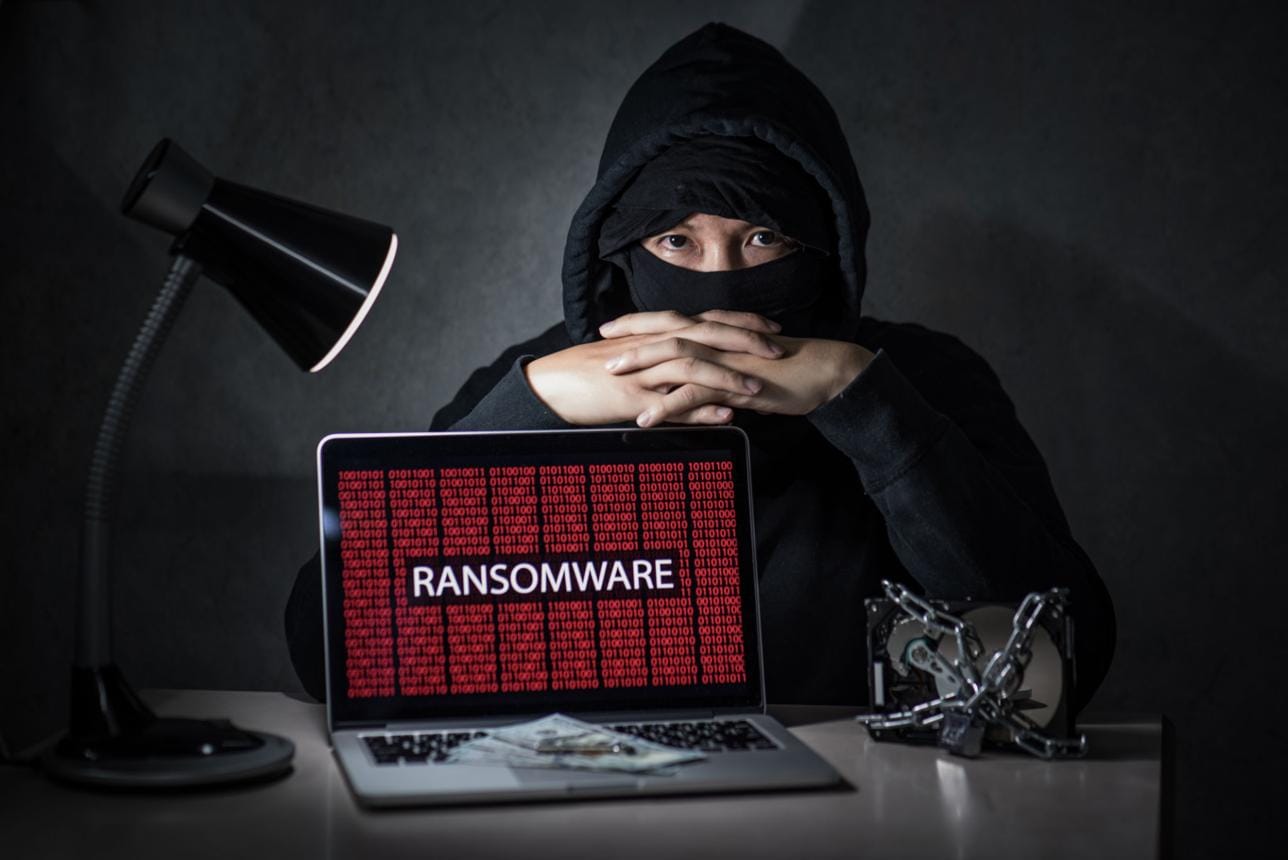

RUAG Pays Ransom After Cyberattack.

Swiss defence company RUAG has confirmed that it paid a ransom to hackers following a cyberattack on its US subsidiary. The incident has sparked debate about cybersecurity strategies and the risks of negotiating with cybercriminals.

According to RUAG Board Chairman Jürg Rötheli, the company paid what he described as a “small amount” after the hacker group Akira infiltrated systems at the company’s US subsidiary in late 2025. The hackers reportedly stole sensitive data and threatened to publish it unless their demands were met.

Rötheli stated that the payment enabled the company to recover all of the stolen data. However, he declined to reveal the exact amount that was transferred to the cybercriminals.

The decision has attracted attention because it goes against the recommendations of Switzerland’s Federal Office for Cybersecurity (FOCBS). The agency generally advises organizations not to pay ransom demands, arguing that such payments can encourage further cyberattacks and help finance criminal operations.

Cybersecurity experts frequently warn that paying hackers does not guarantee long-term protection and may make organizations more attractive targets in the future. Nevertheless, some companies choose to pay when they believe critical business operations or sensitive information are at risk.

The attack on RUAG highlights the growing threat posed by ransomware groups, which increasingly target government agencies, defence contractors, and major corporations worldwide. These cybercriminal networks often use stolen data as leverage to pressure victims into making payments.

As cyber threats continue to evolve, the case is expected to fuel discussions in Switzerland about cybersecurity preparedness, risk management, and the appropriate response to ransomware attacks. The incident also underscores the importance of strengthening digital defences across critical industries and national security sectors.

Swiss Banking Fraud Cases Increase in 2025, Ombudsman Reports.

Financial fraud cases have increased in Switzerland in 2025, according to the Swiss Banking Ombudsman, with online banking and card payment scams driving most complaints.

The Swiss Banking Ombudsman handled 2,575 cases last year, marking a 4% increase compared with the previous year, as reported by Ombudsman Andreas Barfuss during a press conference.

Fraud-related complaints rose significantly to 316 cases in 2025, up from 270 in 2024. Officials said phishing attacks and digital payment fraud remain the most common issues affecting customers.

Regionally, 55% of complaints came from German-speaking Switzerland, while 23% originated from abroad. French-speaking Switzerland accounted for 19%, and Italian-speaking regions remained stable at 3%.

The report noted that in 90% of cases, the disputed amount was below CHF 100,000, indicating that most incidents involve relatively moderate financial losses.

Authorities emphasized that banks are not generally legally required to reimburse victims of such fraud cases. However, each complaint is assessed individually based on the circumstances and evidence provided.

Experts warn that the rise in digital fraud reflects growing cybersecurity risks as more banking services move online, highlighting the importance of stronger user awareness and preventive security measures.

79-Year-Old Man Loses CHF 40,000 in Romance Scam

A 79-year-old retired man in Winterthur has lost more than CHF 40,000 after becoming the victim of a suspected romance scam, according to local police.

The Stadtpolizei Winterthur confirmed the arrest of two suspects linked to the case. Investigators say the victim became acquainted earlier this year with two women from Romania, who later visited him at his home.

Authorities stated that the relationship quickly developed into an emotionally close and romantic connection. During this period, the suspects allegedly requested financial support by claiming to face urgent personal problems, including housing debt, medical expenses for a family member, and notary fees.

Over several meetings, the elderly victim reportedly transferred or handed over more than CHF 40,000 to the individuals involved.

The man later became suspicious and filed a complaint with Winterthur police, prompting a detailed investigation.

On April 24, police arrested a 29-year-old woman with German-Romanian dual citizenship and a 36-year-old Turkish man while they allegedly attempted to collect an additional CHF 6,500 from the victim.

Both suspects are currently under investigation for repeated fraud offences and have been handed over to prosecutors.