
ETH Zurich Safely Removes Hazardous Chemical.

A major safety operation at ETH Zurich concluded successfully after specialists removed and transported a highly hazardous chemical substance from a former research facility. The operation was completed without any incidents, allowing evacuated residents to return to their homes later the same day.

Authorities temporarily evacuated nearly 270 residents living near the affected area as a precautionary measure. The evacuation was part of a carefully coordinated plan designed to ensure public safety while experts handled the dangerous material.

The substance involved was a gas cylinder containing chlorine trifluoride, a chemical widely recognized as one of the most hazardous compounds used in scientific research. Specialists transferred the cylinder into a specially designed recovery container before transporting it away for secure handling and disposal.

The operation began on Sunday morning and involved close coordination between ETH Zurich, emergency services, and Zurich cantonal police. Safety measures remained in place for several hours while teams completed the transfer process inside a secure laboratory environment.

Following the successful completion of the operation, authorities lifted evacuation orders and temporary traffic restrictions. Residents were allowed to return to their homes after officials confirmed that the area was safe.

Police reported that the entire operation proceeded according to plan and that all activities were carried out under strict safety protocols. No injuries, leaks, or unexpected incidents occurred during the removal process.

According to ETH Zurich, chlorine trifluoride was previously used in geological research to analyze rock samples. The chemical is highly toxic and can ignite rapidly when exposed to certain materials, making specialized handling procedures essential.

The successful operation highlights Switzerland’s strong emergency preparedness and commitment to public safety when dealing with hazardous scientific materials. Officials praised the cooperation between emergency responders, researchers, and local residents throughout the process.
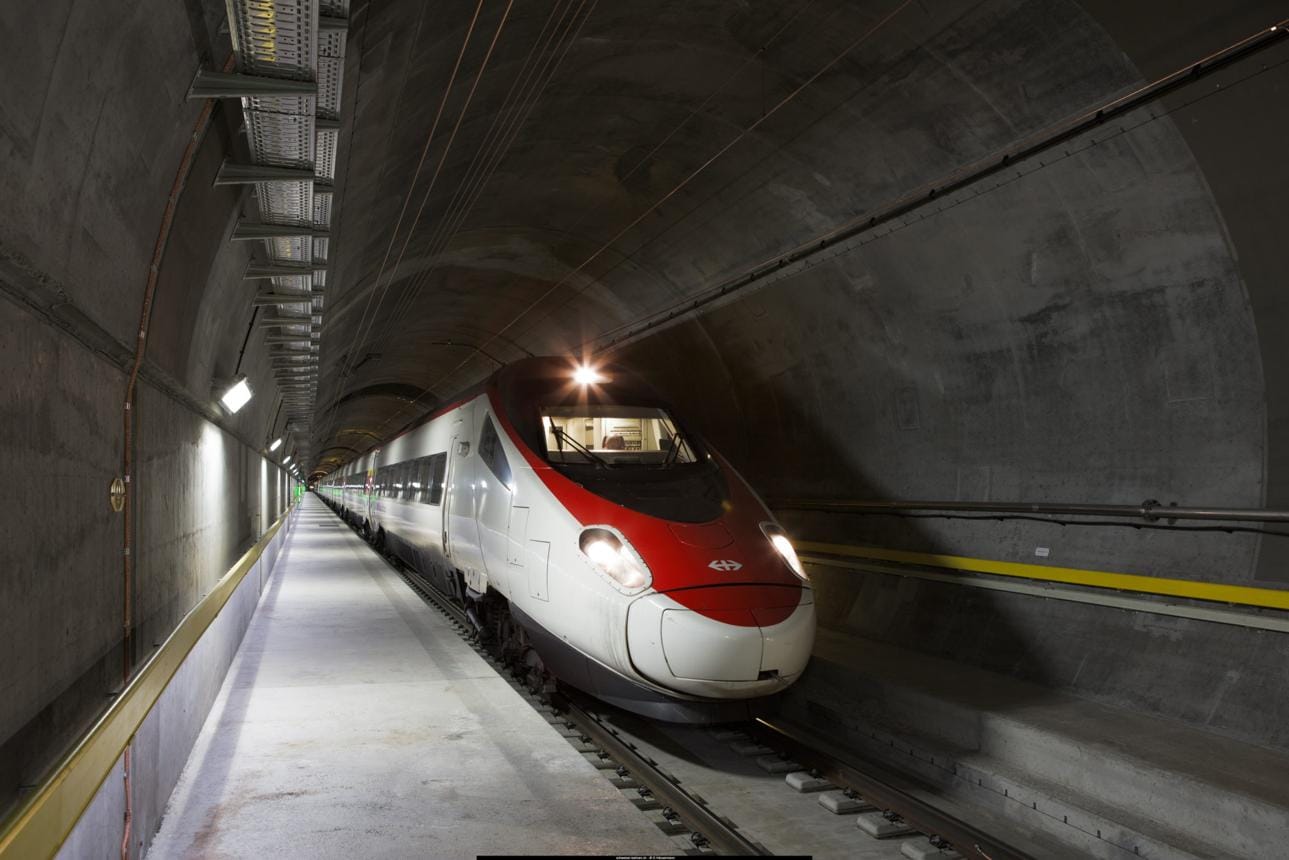

Gotthard Rail Tunnel Upgrade Costs Rise.

Renovation work at Switzerland’s Gotthard Base Tunnel could become significantly more expensive due to delays in replacing the tunnel’s aging radio communication system.

According to reports, the upgrade project has encountered major setbacks linked to technical and organisational problems involving external suppliers, as well as the difficulty of accessing sections of the tunnel for maintenance work.

The communication system plays a vital role in tunnel operations. It allows train drivers to communicate with control centres and other trains while also enabling passengers to access mobile phone and internet services deep inside the Gotthard mountain corridor.

The system was originally scheduled for replacement during planned maintenance work between 2024 and 2026. However, the project has fallen behind schedule, raising concerns about additional infrastructure costs.

As a result of the delays, Swiss Federal Railways (SBB) must reportedly extend existing operational contracts for at least two more years, with a possibility of extending them further up to six years.

The maximum projected additional cost is expected to exceed CHF4.6 million, although railway officials noted that some operational expenses would have been necessary regardless of the delays.

Reports also suggest that authorities are considering abandoning the current replacement project entirely as an alternative solution.

The Gotthard Base Tunnel is one of the world’s most important rail infrastructure projects and serves as a key transport corridor linking northern and southern Europe through Switzerland.

Zurich Riots Leave Police Officer Injured.

A police officer was slightly injured during overnight unrest in Zurich after officers came under attack from a large group during a disturbance that escalated into violent clashes.

According to Swiss police, officers responded to reports of excessive noise shortly after 2:30am on Sunday. When a patrol arrived at the scene, individuals in the crowd allegedly threw bottles and stones at the police officers.

The situation quickly intensified, forcing officers to temporarily withdraw and request reinforcements. Authorities later used rubber bullets and pepper sprays in an effort to regain control of the area.

Additional police units deployed water cannons and police dogs to disperse and contain the rioters as tensions continued to rise.

During the confrontation, one police officer was struck by an object and sustained minor injuries. A police vehicle was also damaged during the unrest.

Officials stated that the crowd eventually dispersed after police intervention restored order.

The incident has renewed concerns about public safety and violent disturbances during large gatherings in Swiss urban areas, especially during weekend nightlife hours.

Authorities have not yet released information regarding arrests or possible criminal charges linked to the incident.

WHO Warns Ebola Outbreak Is Spreading Rapidly in DRC.

The World Health Organization has issued a strong warning that the Ebola outbreak in the Democratic Republic of Congo is spreading rapidly, with a growing number of suspected cases and deaths reported across affected regions.

According to WHO Director-General Tedros Adhanom Ghebreyesus, nearly 750 suspected cases and 177 suspected deaths have been recorded so far, while 82 infections have been laboratory confirmed. He stated that the situation in the DRC is “much more serious” than initially understood.

The outbreak continues to raise international concern as health authorities struggle to contain the spread in conflict-affected areas. Violence and insecurity in eastern Democratic Republic of the Congo are significantly hampering response efforts, making it difficult for medical teams to reach affected communities.

In neighboring Uganda, officials report a more stable situation, with only two confirmed cases and one death so far.

Global attention has also increased after reports that an American citizen tested positive for Ebola, while another high-risk contact was transferred to the Czech Republic for monitoring and treatment.

The International Federation of Red Cross and Red Crescent Societies (IFRC) stated that while the outbreak could still be contained, the coming days will be critical in determining whether it can be controlled or escalates further.

Health experts continue to emphasize the importance of rapid response, contact tracing, and safe medical support to prevent further spread of the virus.