St. Gallen Launches Large-Scale Cannabis Research Project

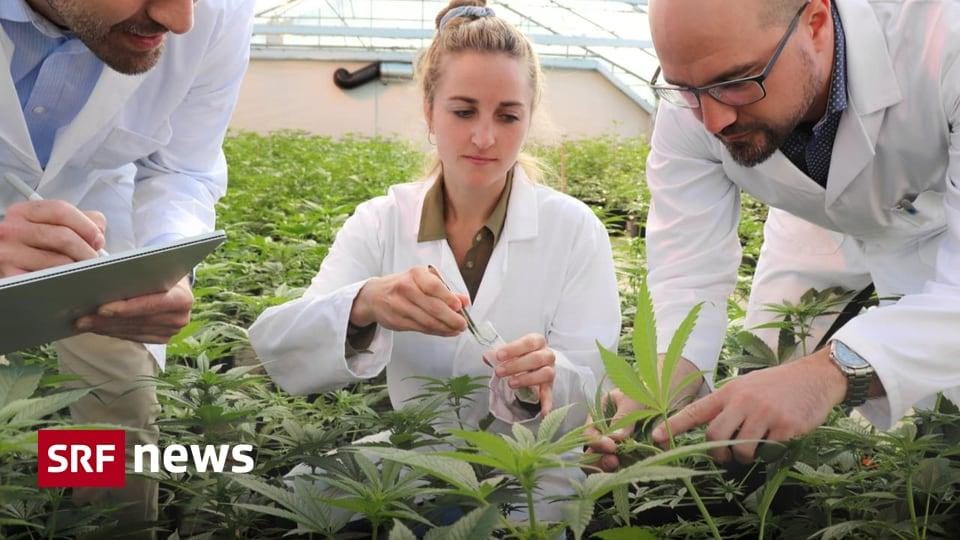
The canton of St. Gallen has launched one of Switzerland’s largest cannabis research projects, allowing approximately 3,300 participants to legally purchase cannabis over the next five years. The initiative forms part of a nationwide effort to better understand the effects of regulated cannabis use and future policy options.

The study was officially presented by the Swiss Cannabis Research association and will be conducted in partnership with the University of Zurich and the KOF Economic Institute at ETH Zurich.

Researchers say the project aims to create a strong scientific foundation for evaluating the potential regulation of recreational cannabis in Switzerland. By studying consumer behaviour under controlled conditions, experts hope to provide policymakers with reliable data for future decisions.

A key objective of the study is to examine how regulated access to cannabis affects users, public health, and broader social trends. Researchers will also investigate whether legal access can reduce reliance on the illegal cannabis market.

According to the project organisers, the study will analyse the consequences and dynamics of a regulated cannabis system while gathering evidence on effective strategies to combat black-market sales.

The Federal Office of Public Health (FOPH) has approved the project, highlighting Switzerland’s growing interest in evidence-based approaches to cannabis policy. Similar pilot programmes have already been introduced in other parts of the country, including the canton of Zurich.

Supporters argue that such research is essential for understanding the real-world impacts of cannabis regulation before any nationwide legislative changes are considered. They believe the findings could help shape future public health and drug policy decisions.

Critics, however, continue to express concerns about the long-term health effects of cannabis use and the potential social implications of broader legalisation. The study is expected to provide valuable data that can inform both sides of the debate.

As Switzerland continues to explore new approaches to cannabis regulation, the St. Gallen project represents another significant step in the country’s effort to develop science-based policies that balance public health, safety, and consumer behaviour.
Switzerland Approves Expansion of Kosovo Peacekeeping Mission

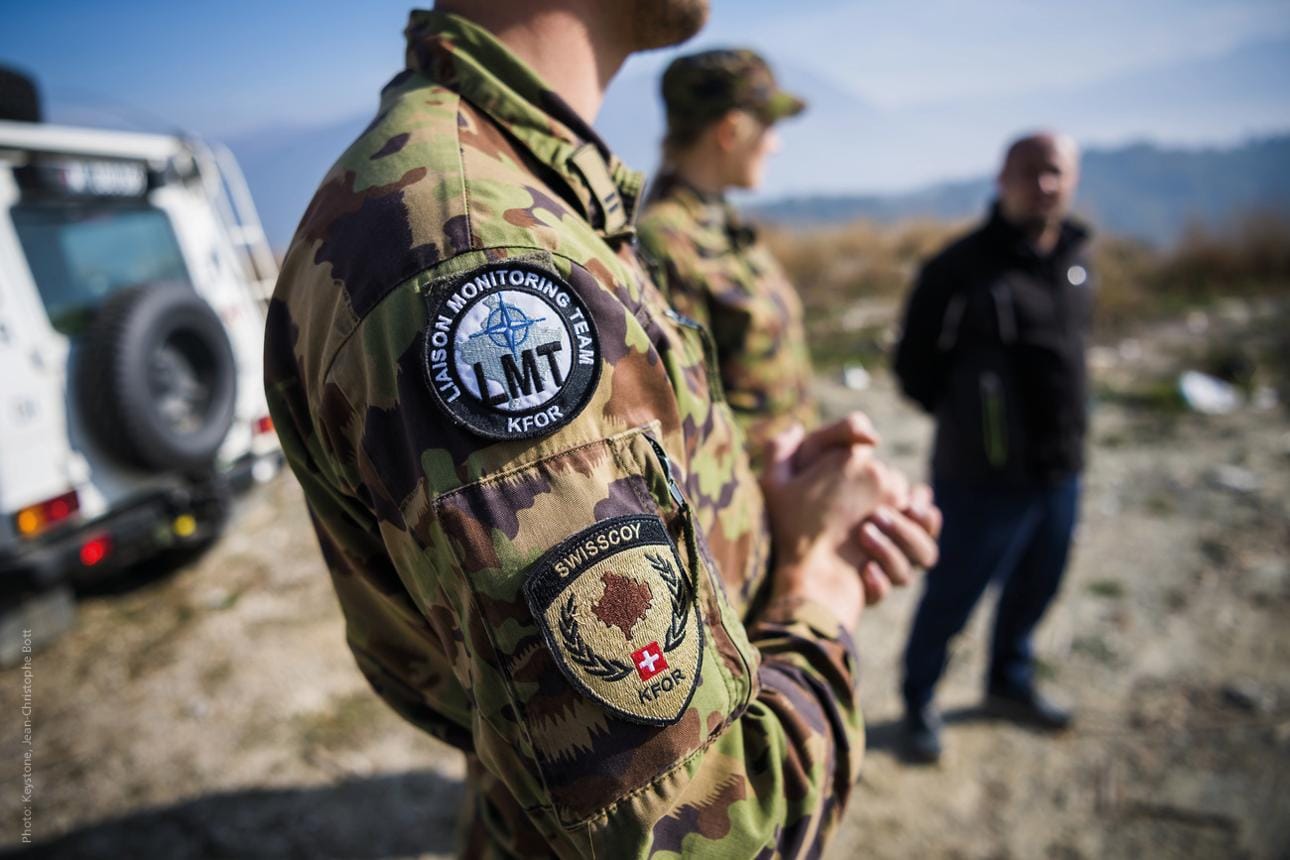
Switzerland has approved an increase in the number of troops that can be deployed to its peacekeeping mission in Kosovo, reinforcing the country’s long-standing commitment to stability and security in the Western Balkans.

Following approval by the House of Representatives, the Swiss Senate has now also given its support to the measure. The decision allows the Swiss government to increase the size of the Swisscoy contingent from a maximum of 215 personnel to up to 300 military personnel if required.

Under the new arrangement, the Federal Council will have the authority to deploy an additional contingent of up to 85 soldiers for an indefinite period. Lawmakers agreed that the move would provide greater flexibility in responding to changing security conditions in the region.

The decision follows parliament’s recent vote to extend Switzerland’s participation in the Kosovo peacekeeping mission until 2029. The extension was opposed by the Swiss People’s Party (SVP), which argued that Switzerland should end its military involvement in Kosovo. However, a majority of lawmakers in both parliamentary chambers supported maintaining the mission.

Supporters of the deployment emphasized that stability in Kosovo remains important for Switzerland’s national interests. They argued that unrest in the Western Balkans could lead to increased migration pressures and broader security challenges across Europe, including Switzerland.

The decision was influenced by continuing tensions between the Serbian minority communities in northern Kosovo and the government in Pristina. Swiss lawmakers concluded that maintaining a peacekeeping presence contributes to regional stability and helps prevent future escalation.

Military experts also note that participation in international missions provides valuable operational experience for Swiss armed forces. Working alongside international partners under real-world conditions strengthens cooperation and readiness capabilities.

Switzerland has participated in the NATO-led Kosovo Force (KFOR) through its Swisscoy contingent since October 1999. The mission remains the Swiss Army’s largest overseas deployment and has become a significant component of Switzerland’s international peace-support activities.

Meanwhile, NATO recently announced plans to reduce the overall size of its KFOR mission next year. The peacekeeping force was previously strengthened following violent incidents in Kosovo during 2023. Currently, approximately 4,600 troops from multiple countries remain deployed as part of the international operation.

The latest parliamentary decision demonstrates Switzerland’s continued commitment to supporting peace, security, and stability in the Western Balkans while contributing to international peacekeeping efforts.

Swiss Voters Show Narrow Support for New EU Agreements

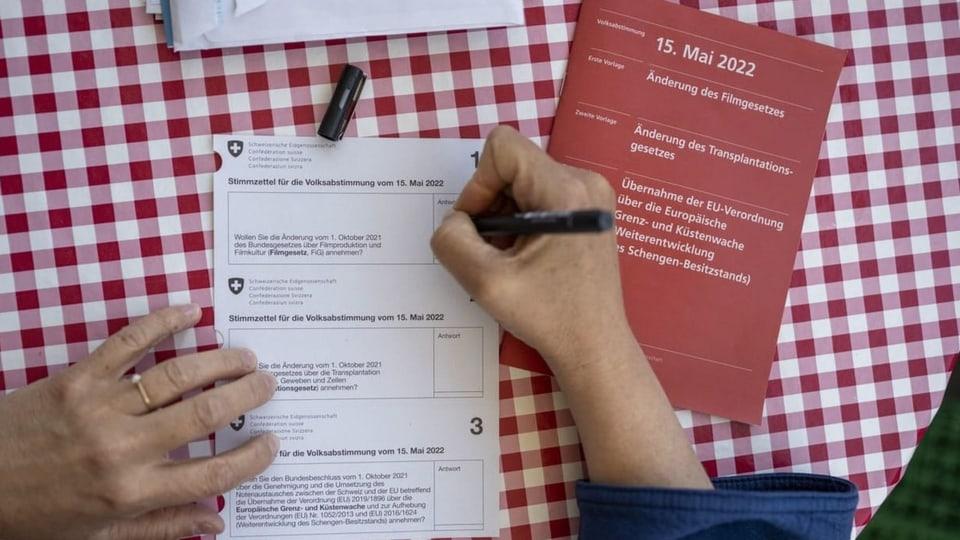
A new opinion poll suggests that Swiss voters are currently leaning slightly in favour of the latest package of bilateral agreements between Switzerland and the European Union. According to a survey conducted by the Leewas Institute, 46% of respondents support the agreements, while 40% oppose them, indicating a closely divided electorate.

The findings, published by 20 Minuten and Tamedia newspapers, highlight the ongoing debate surrounding Switzerland’s future relationship with the European Union. With a national referendum expected in 2027, public opinion is likely to play a crucial role in determining the fate of the agreements.

The survey shows that support for the new accords is strongest among older voters aged 65 and above. Individuals with higher levels of education and those living in urban areas also tend to be more favourable towards closer cooperation with the European Union.

Political affiliation appears to be another significant factor influencing voter attitudes. Supporters of the Green Liberal Party showed the highest level of support at 76%, followed by the Green Party at 71% and the Social Democratic Party at 70%.

In contrast, opposition to the agreements is strongest among people with only compulsory-level education and among residents of rural regions. Rural voters recorded a rejection rate of 43%, reflecting concerns that are often associated with sovereignty, immigration, and national decision-making powers.

The strongest opposition was found among supporters of the Swiss People’s Party (SVP). According to the survey, 79% of SVP supporters rejected the proposed agreements with the European Union, underlining the party’s long-standing scepticism towards deeper EU integration.

Respondents were also divided over the question of whether the agreements should require a double majority for approval. Under such a system, both a majority of voters and a majority of Swiss cantons would need to approve the accords before they could take effect.

Switzerland and the European Union formally signed the new package of agreements in March. The accords are designed to update and strengthen bilateral cooperation in several key areas, including economic relations and regulatory cooperation.

With a referendum expected in 2027, political parties, business groups, and civil society organisations are likely to intensify their campaigns as the debate over Switzerland’s future relationship with the European Union continues.

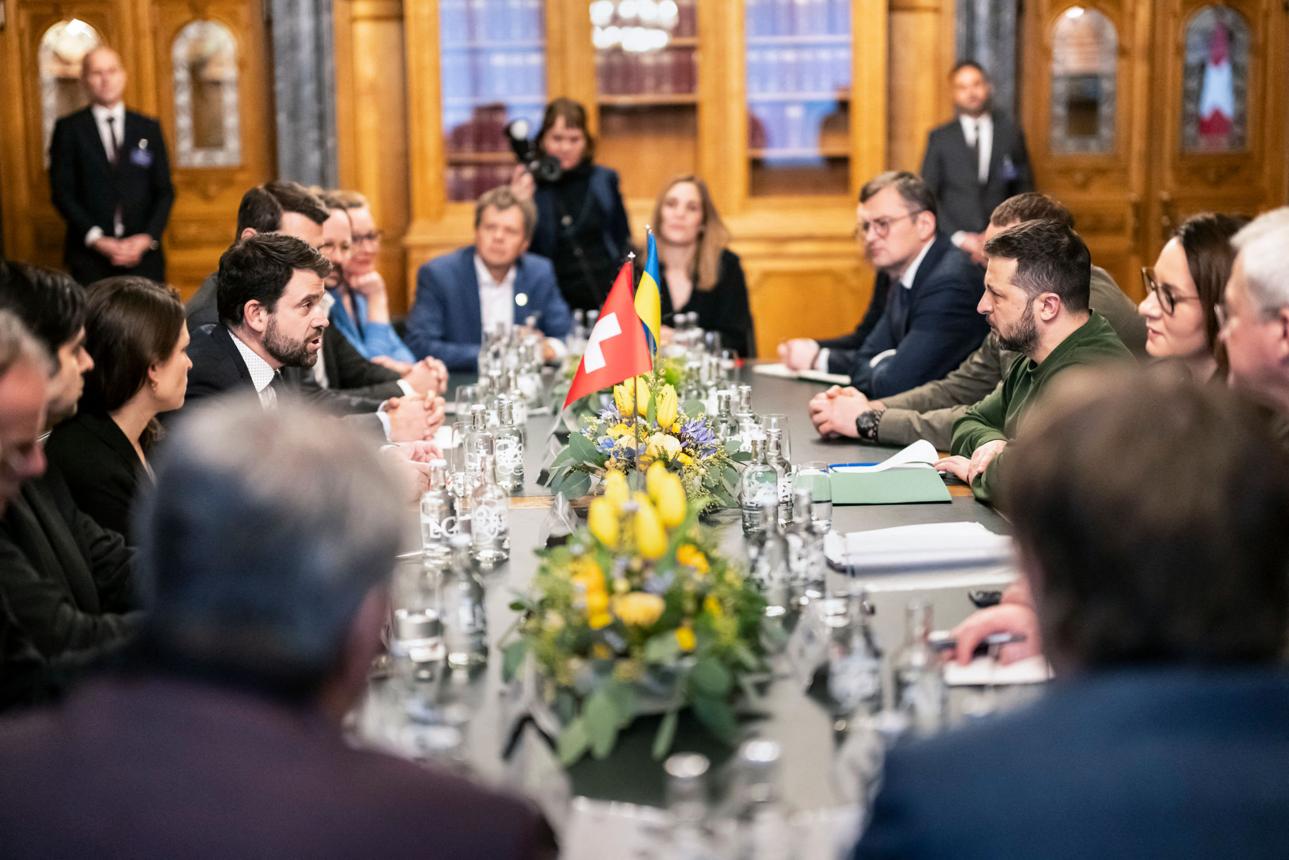
Swiss and Ukrainian Presidents Hold Key Talks in Geneva

Swiss President Guy Parmelin welcomed Ukrainian President Volodymyr Zelensky to Geneva on Monday evening for a high-level bilateral meeting ahead of the G7 Summit. The discussions focused on Switzerland’s diplomatic role in the Ukraine conflict, the reconstruction of Ukraine, and strengthening economic cooperation between the two countries.

The meeting took place at Geneva Airport, where President Parmelin personally greeted President Zelensky. The two leaders exchanged warm remarks before beginning talks on several important international and bilateral issues.

Among the key topics discussed was Switzerland’s continued role in supporting diplomatic efforts related to the conflict between Ukraine and Russia. Switzerland has long been known for its tradition of neutrality and international mediation, making Geneva an important location for diplomatic dialogue.

Another major subject on the agenda was the reconstruction of Ukraine. As the country continues to face significant challenges resulting from the ongoing conflict, international cooperation and investment remain critical for rebuilding infrastructure, public services, and economic stability.

The leaders also discussed the free trade agreement between Switzerland and Ukraine, highlighting the importance of economic partnerships in supporting long-term growth and development.

President Zelensky was accompanied by Ukrainian Foreign Minister Andriy Sybiha and chief negotiator Roustem Oumarov. Switzerland was represented by senior officials, including Gabriel Lüchinger, Head of International Security Affairs at the Swiss Foreign Ministry.

The Ukrainian delegation arrived in Geneva ahead of the G7 Summit taking place in nearby Évian-les-Bains, France. Throughout the day, President Parmelin welcomed several international leaders arriving at Geneva Airport for the summit.

Speaking to journalists, Parmelin emphasized the importance of Geneva as a centre for international diplomacy and dialogue. He noted that the city continues to provide the conditions necessary for constructive discussions between world leaders.

The Swiss president also addressed the violent incidents that occurred during anti-G7 demonstrations in Geneva. Parmelin strongly condemned the unrest, which resulted in property damage, including broken windows, damaged bus shelters, and a vehicle being set on fire. He stated that those responsible would be held accountable under Swiss law.

The Geneva meeting highlights Switzerland’s continuing role in international diplomacy and its commitment to supporting peace, cooperation, and reconstruction efforts on the global stage.