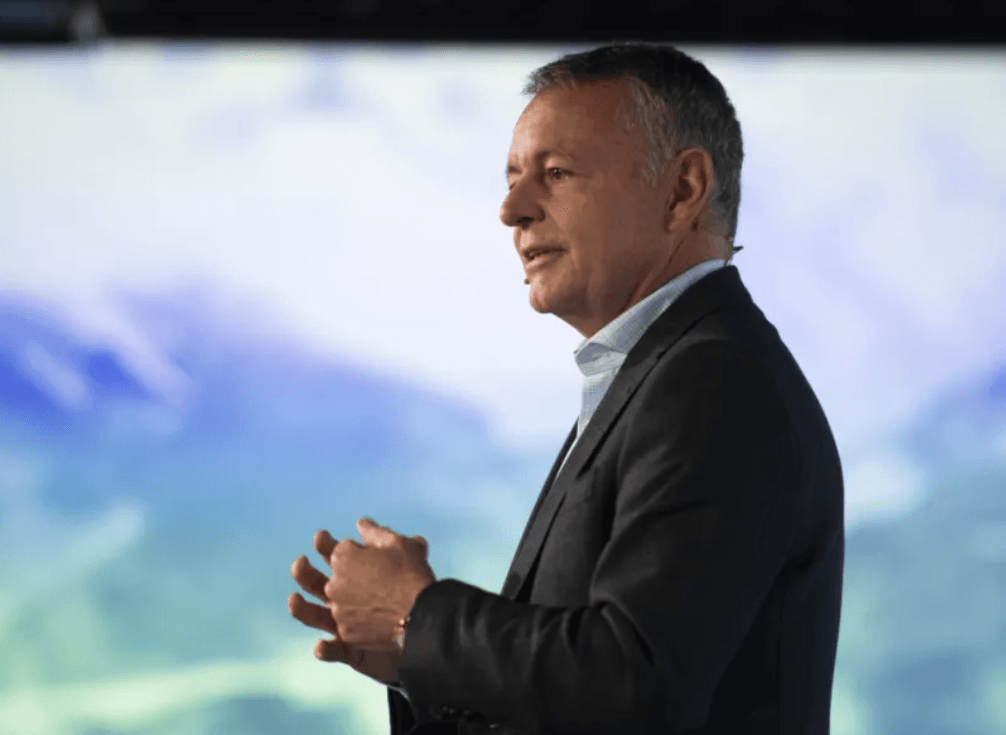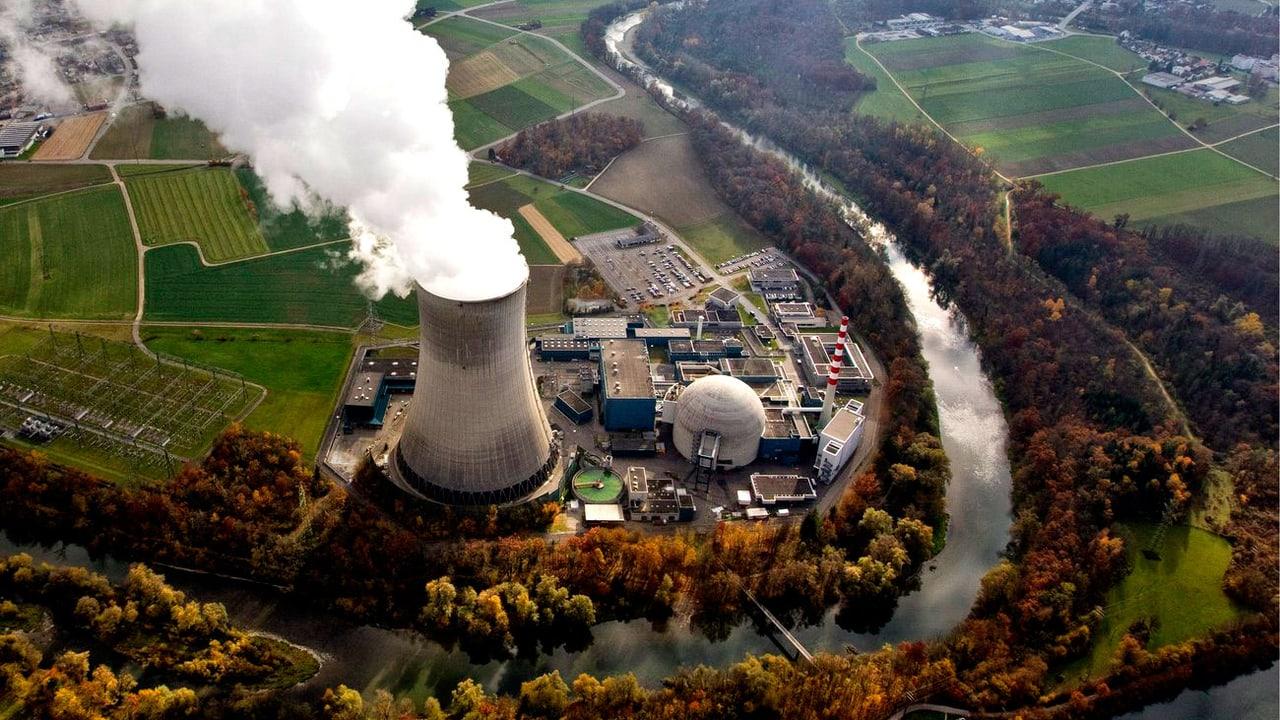
Swiss Support for New Nuclear Plants Surges.

Public opinion in Switzerland is shifting significantly in favor of nuclear energy, with a growing number of citizens viewing it as a reliable solution to future electricity challenges. A recent survey commissioned by the Swiss Association of Electricity Companies (AES) reveals that nearly 60% of respondents support the construction of new nuclear power plants across the country.

The findings highlight increasing concerns about Switzerland’s long-term energy security. As demand for electricity continues to rise, many residents are questioning whether renewable energy sources alone will be sufficient to meet future needs. This has led to renewed interest in nuclear power as part of a balanced national energy strategy.

According to the survey, 79% of participants support keeping existing nuclear power plants in operation as long as they continue to meet safety standards. In addition, 59% favor building next-generation nuclear facilities to strengthen Switzerland’s energy infrastructure and reduce the risk of power shortages.

Energy experts believe public attitudes have changed due to growing awareness of supply risks experienced in recent years. International geopolitical tensions and concerns about global energy markets have also increased public focus on reliable domestic electricity production.

Despite the rising popularity of nuclear energy, renewable energy remains the preferred long-term solution for many Swiss citizens. Solar, wind, and hydropower continue to receive strong public support, with many respondents favoring an energy mix that combines renewables with stable backup generation.

The Swiss Parliament is expected to discuss the future direction of national energy policy, making this an important moment for Switzerland’s long-term energy planning. The debate could influence how the country balances energy security, environmental goals, and economic stability in the years ahead.

As Switzerland evaluates its energy future, nuclear power is once again becoming a central topic of discussion. The latest survey suggests that public opinion is evolving, with more citizens willing to consider nuclear energy as part of the solution to ensure a stable and secure electricity supply.
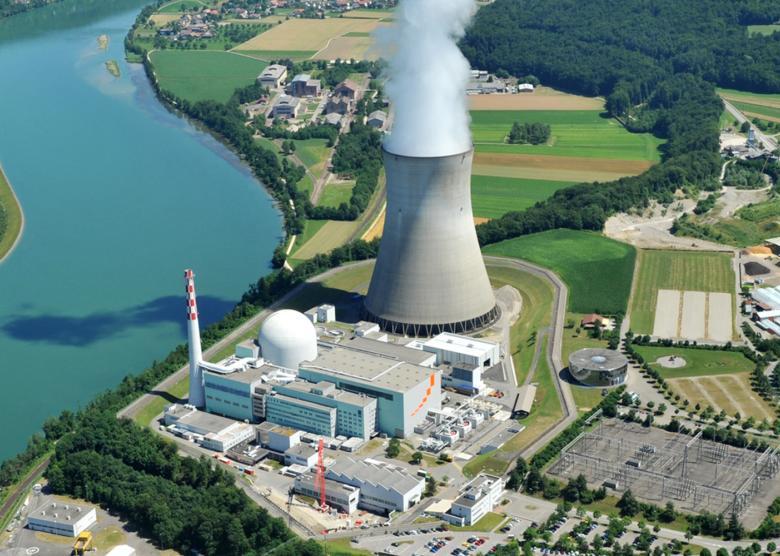
Switzerland’s Clean & Sustainable Electricity System Explained

Switzerland is widely recognized as one of the countries with the cleanest and most stable electricity production systems in the world. Its energy system is built on a strong foundation of renewable and low-carbon sources, making it a global leader in sustainable power generation.

Electricity Mix in Switzerland

Switzerland’s electricity production is mainly divided into three major sources:

  • Hydropower: approximately 55%–60%
  • Nuclear power: approximately 30%–35%
  • Solar energy: rapidly growing and reaching nearly 10%
  • Wind and other sources: very small share

This balanced mix allows Switzerland to maintain a reliable and low-carbon electricity supply.

Hydropower as the Backbone

Hydropower is the most important energy source in Switzerland. The country’s mountainous geography and Alpine rivers provide ideal conditions for hydroelectric dams. These plants generate a large portion of the national electricity demand, especially during the summer months.

Role of Nuclear Energy

Nuclear power also plays a significant role in Switzerland’s energy system. However, after the Fukushima nuclear disaster in 2011, the government decided not to build new nuclear power plants and gradually phase out existing ones. Despite this, nuclear energy still contributes a substantial share of electricity production.

Growth of Solar Energy

In recent years, solar energy has grown rapidly across Switzerland. Rooftop solar installations and renewable energy investments have significantly increased, making solar power an important part of the future energy transition.

Energy Import and Export Balance

Switzerland exports electricity during summer months when hydropower production is high. However, during winter, when demand increases and hydropower output decreases, the country sometimes imports electricity from neighboring European countries.

Environmental Strength of Switzerland

One of Switzerland’s key strengths is its low-carbon electricity system. Most of its electricity comes from renewable or low-emission sources, making it one of the cleanest energy systems in the world.

Future Energy Direction

Due to increasing electricity demand and climate change challenges, Switzerland continues to debate the future role of nuclear energy while expanding renewable sources such as solar and hydropower storage systems.

Switzerland remains a global model for sustainable electricity production and climate-friendly energy policy.

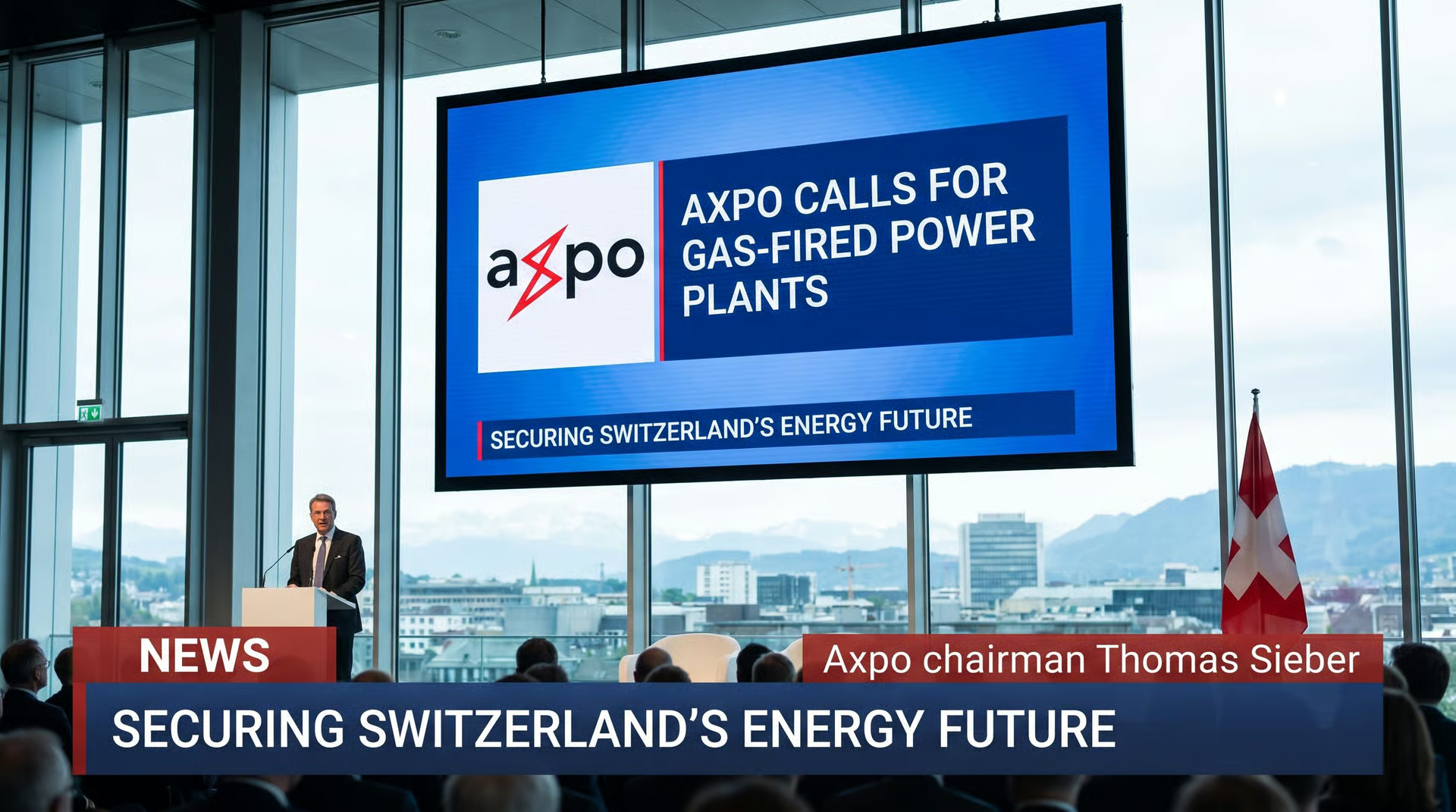
Axpo Urges Gas Power Plants to Secure Switzerland’s Energy Supply.

Axpo, Switzerland’s largest electricity producer, has called for the construction of three to four gas-fired power plants to strengthen the country’s long-term energy security.

Chairman Thomas Sieber says gas plants would provide a fast and flexible solution to balance Switzerland’s electricity grid, especially during winter when demand is high and renewable production drops.

The proposal aims to complement existing hydropower and renewable energy sources in Switzerland. According to Axpo, gas-fired plants can be built much faster than large hydro or nuclear projects and can quickly respond to sudden electricity shortages.

Energy experts warn that Switzerland faces a “winter electricity gap,” where domestic production is not always sufficient to meet demand. This challenge is expected to grow as electricity consumption increases due to electrification and new technologies such as data centers and artificial intelligence systems.

Axpo argues that gas plants could act as a backup system, ensuring stability when solar and wind power are not available. However, the proposal has sparked debate because it conflicts with Switzerland’s long-term climate and decarbonization goals.

The company also stresses the importance of maintaining existing nuclear power plants as part of the country’s energy mix, describing them as a cost-effective and stable source of electricity for the coming decades.

Swiss policymakers now face a difficult balance between energy security, environmental targets, and economic costs as they plan the country’s future power system.

Axpo Proposes Gas Power Plants to Secure Switzerland Electricity Supply

Axpo, one of Switzerland’s leading electricity producers, has proposed the construction of three to four gas-fired power plants to strengthen the country’s energy security.

According to Axpo Chair Thomas Sieber, Switzerland needs a balanced energy strategy that combines hydropower, renewable energy sources, and flexible gas-fired power plants to ensure a stable electricity supply, especially during winter months.

Sieber explained that gas-fired power plants offer a major advantage because they can be built relatively quickly and provide flexibility to support the national grid during peak demand periods. However, he emphasized that legal adjustments and supportive policies will be required to enable their construction.

At the same time, Switzerland continues to rely heavily on nuclear energy as a key part of its electricity system. The continued operation of existing nuclear power plants is considered essential for maintaining supply stability.

Axpo estimates that nuclear plants in Gösgen Nuclear Power Plant and Leibstadt Nuclear Power Plant could continue operating for up to 80 years with proper maintenance and approvals.

A critical decision regarding the future of the Gösgen nuclear plant must be made by 2029. If no extension is approved, it may be disconnected from the grid as originally planned.

Energy experts say Switzerland is focusing on a long-term strategy that balances renewable energy expansion with reliable backup sources to ensure energy security in the coming decades.