Strong Call in Switzerland to Protect Sri Lanka’s Local Farmers Through Higher Import Taxes.

A strong appeal has been made in Switzerland urging the Government of Sri Lanka to take urgent action to protect its local agricultural sector by increasing import taxes on essential food items.

During an official visit by Sri Lankan Prime Minister Harini Amarasuriya, a Sri Lankan expatriate entrepreneur presented a significant proposal focusing on strengthening domestic agriculture and reducing dependency on imports.

The proposal highlighted that essential commodities such as rice, potatoes, big onions, small onions, and dried chillies can be sufficiently produced within Sri Lanka. Therefore, increasing import duties on these goods would help stabilize local market prices and ensure better demand for domestic farmers.

Supporters of the proposal emphasized that restricting unnecessary imports would also help preserve the country’s valuable foreign exchange reserves, reducing pressure on Sri Lanka’s economy.

This viewpoint aligns with concerns previously expressed by several Northern Province representatives, including Members of Parliament who have spoken publicly about controlling rice imports to protect local producers.

However, the expatriate community stressed that such concerns should not remain only as political discussions or media statements. Instead, they urged that the policy should be formally debated in Parliament and enacted as a legally binding framework.

They further stated that only a structured import taxation policy can guarantee long-term protection for farmers, ensuring fair pricing, stable demand, and sustainable agricultural growth in Sri Lanka.
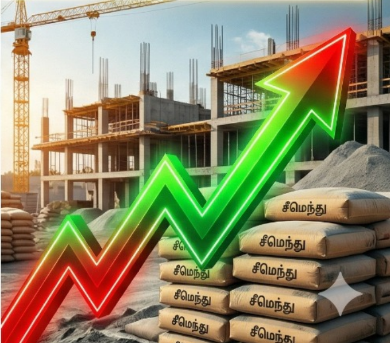
Cement Prices Rise, Adding Burden to Construction Sector in Sri Lanka.

Cement manufacturers in Sri Lanka have raised the price of cement, adding extra costs for builders. A bag of cement now costs between LKR 150 and LKR 175. The price increase is due to higher production costs, said Terlington Paul, the head of the Sri Lanka National Construction Association. This hike comes at a challenging time for the construction industry. Builders and contractors are now facing increased expenses for ongoing projects. The higher costs may slow down construction activity or lead to higher prices for clients.

Industry experts warn that if production costs continue to rise, cement prices could increase further. Contractors are encouraged to adjust budgets and project plans accordingly.The Sri Lanka National Construction Association continues to monitor the situation and works with manufacturers to balance affordability and industry sustainability.

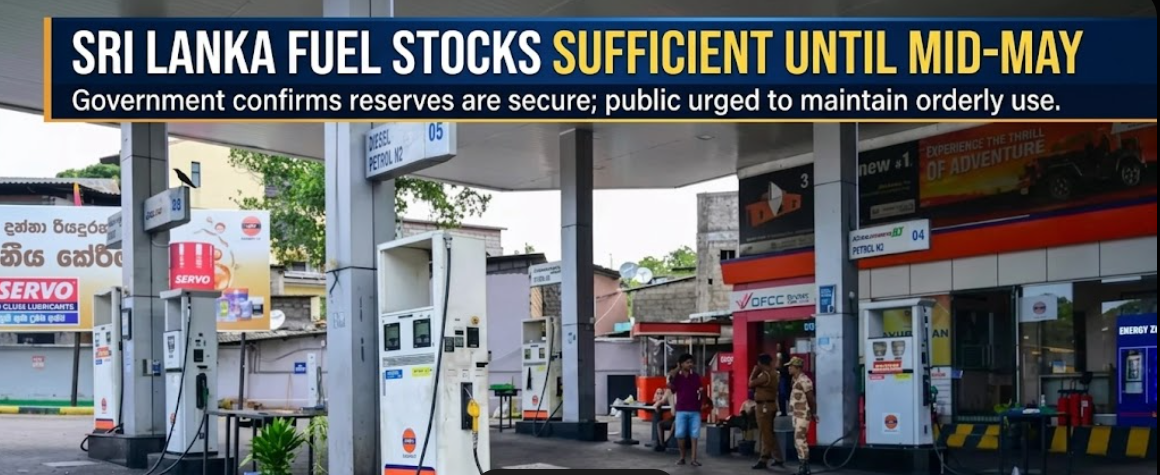
Sri Lanka Fuel Stocks Sufficient Until Mid-May.

Fuel reserves in Sri Lanka are currently sufficient to meet national demand until mid-May 2026, according to Cabinet Spokesperson and Minister Nalinda Jayatissa.

The Minister confirmed that the country’s existing diesel and petrol reserves, combined with already scheduled fuel shipments, are adequate to ensure uninterrupted fuel distribution across the island. This announcement brings reassurance to both consumers and businesses that rely heavily on stable fuel availability for daily operations and transportation.

At present, Sri Lanka holds approximately 134,000 metric tonnes of diesel in reserve. In addition to these existing stocks, an extra 124,000 metric tonnes of diesel are expected to arrive during April 2026. With these confirmed imports, authorities expect the country to comfortably meet fuel demand requirements until at least the second week of May.

Minister Nalinda Jayatissa emphasized that the government continues to closely monitor national fuel consumption trends and import schedules to maintain supply stability. These proactive measures are part of broader efforts to strengthen the country’s energy security strategy and avoid disruptions similar to those experienced during previous economic challenges.

Officials also noted that coordination between energy authorities and import agencies remains active to ensure timely deliveries and efficient fuel distribution throughout the country. This coordinated approach supports transportation services, industrial activity, and essential public services that depend on uninterrupted diesel and petrol supply.

The assurance regarding fuel availability is expected to provide confidence to citizens, businesses, and investors, particularly as Sri Lanka continues its economic stabilization process and infrastructure recovery initiatives.

Energy sector updates like these play a critical role in maintaining public trust and supporting national economic resilience during periods of recovery and development.