

Swiss Study Links Isolation to Rising Mistrust.
A new Swiss-led scientific study has revealed that prolonged isolation and cramped living conditions can significantly increase mistrust, loneliness, and conflict within groups.
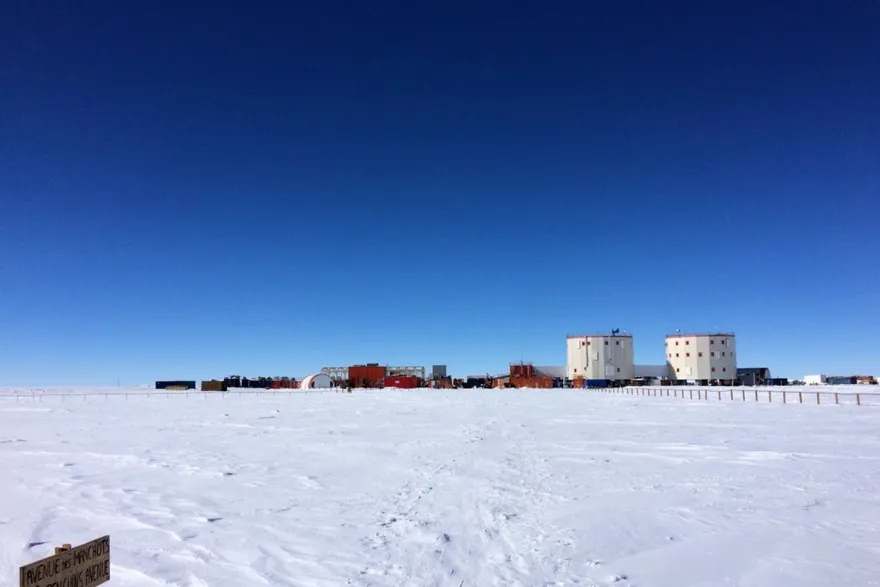
Researchers from University of Bern monitored 12 crew members during a ten-month mission at the Concordia research station in Antarctica. The remote station sits more than 3,000 metres above sea level, where winter temperatures can fall to -80°C.
Scientists collected questionnaire responses and sensor-based interaction data throughout the mission. The findings showed that as isolation continued, participants experienced higher levels of loneliness, paranoia, and interpersonal conflict, while overall team cohesion and perceived performance declined.
Researchers also discovered that increased physical proximity did not strengthen relationships. Instead, spending long periods in confined spaces appeared to increase tension and mistrust among team members.
The study further observed social division along national lines. French and Italian participants increasingly formed separate social groups, raising concerns about polarization within isolated environments.
Lead researcher Sebastian Walther explained that the remoteness of the Concordia station exceeds even that of the International Space Station, making it a valuable environment for studying human behaviour under extreme conditions.
The findings could help organizations better prepare teams working in isolated environments such as space missions, military operations, and industrial research facilities. However, researchers say more studies are needed before creating formal recommendations.
The study was published in the scientific journal PNAS.