

Switzerland Marks 30 Years in Francophonie with Renewed Commitment.

Switzerland has reaffirmed its commitment to the International Organisation of La Francophonie as the country marks 30 years of membership in the global French-speaking community.

Foreign Minister Ignazio Cassis and Culture Minister Elisabeth Baume-Schneider met with Louise Mushikiwabo, Secretary-General of the Francophonie, in Bern on Thursday to celebrate the milestone and discuss the organisation’s future role.

During the discussions, Swiss officials emphasized the importance of maintaining a Francophonie that remains effective, relevant, and beneficial to its 90 member states and governments. They highlighted the organisation’s role as a platform for dialogue, cultural exchange, and international cooperation.

Speaking at the event, Baume-Schneider described the Francophonie as a privileged space for dialogue and influence. She noted that Switzerland contributes its unique experience in federalism, multilingual coexistence, mediation, and consensus-building, strengthening the organisation’s diplomatic value.

She also underlined that the French language serves as a bridge between cultures and continents, supporting mutual understanding and cooperation across diverse societies.

Since joining the organisation in 1996, Switzerland has viewed the Francophonie as an important forum for promoting democracy, peace, and human rights through linguistic diversity and shared cultural values.

For 2026, Switzerland’s contribution to the Francophonie amounts to CHF 4.1 million, making it the third-largest financial contributor after France and Canada, according to official figures.

The Observatory of the French Language reports that approximately 396 million people worldwide now speak French, highlighting the continued global relevance of the language.

The anniversary reinforces Switzerland’s role as a multilingual nation actively engaged in international cultural diplomacy and global dialogue.
Switzerland Raises Concerns Over Italy’s Cross-Border Health Tax Plan.

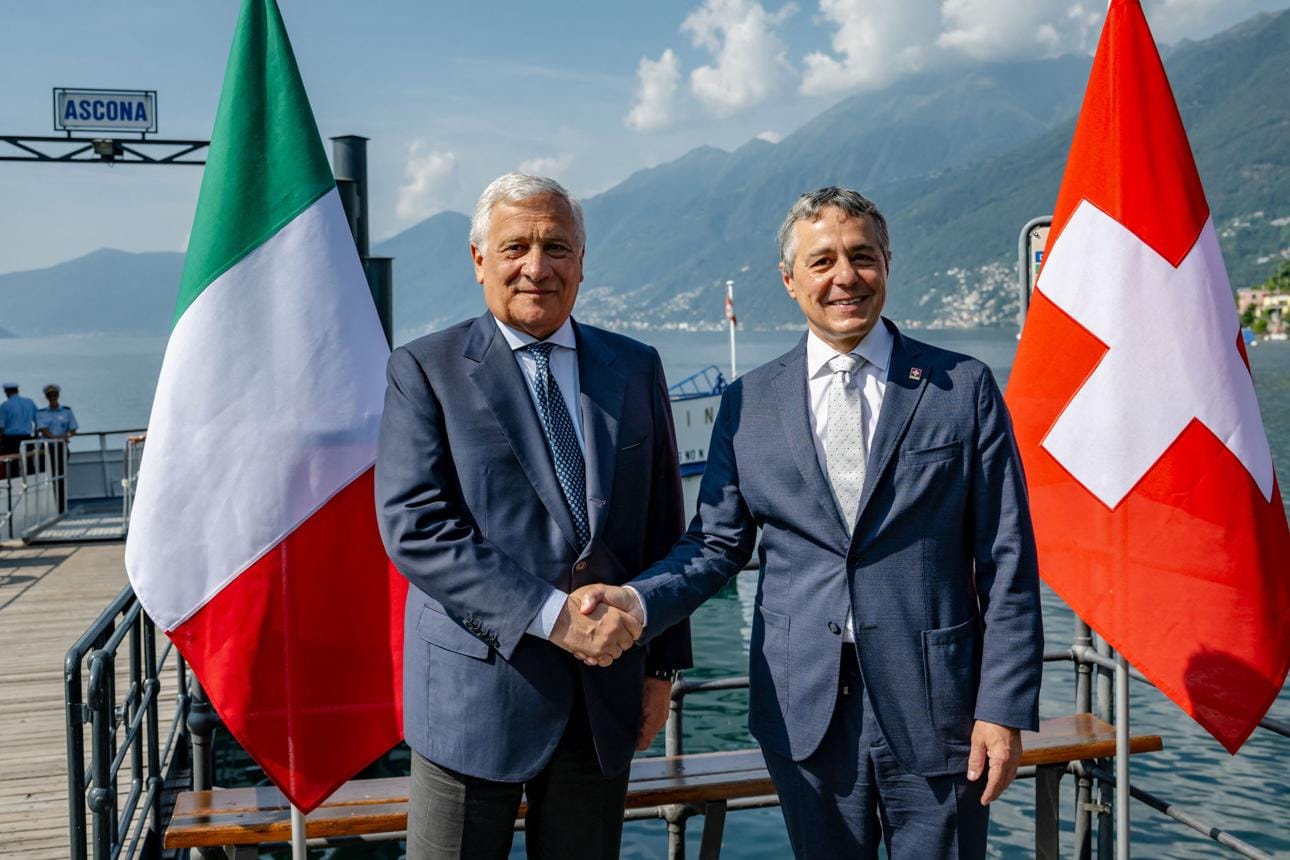
Switzerland has raised serious concerns over Italy’s proposed “health tax” on cross-border workers, a move that could affect thousands of commuters, especially in the border region of Canton of Ticino.

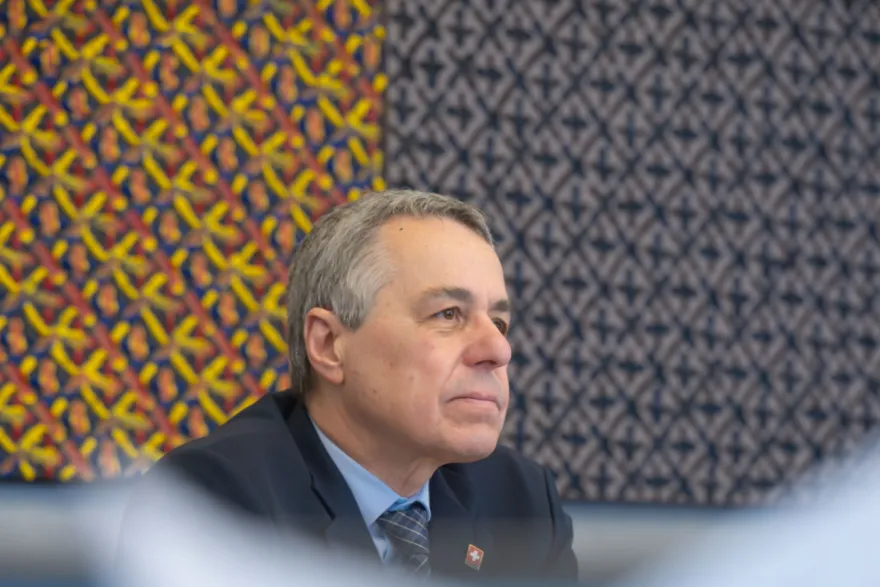
During discussions in Bellinzona, Swiss Foreign Minister Ignazio Cassis emphasized the importance of maintaining strong bilateral relations between Switzerland and Italy. He expressed hope that ongoing dialogue would remain constructive as both countries address sensitive cross-border issues.

The proposed Italian policy would allow border regions to impose a levy of around 3% to 6% on net wages earned in Switzerland by Italian cross-border workers. Swiss authorities warn that this could create economic pressure and disrupt labor mobility between the two countries.

Officials also raised concerns about Italy’s idea of introducing “special economic zones” in border areas. These zones aim to reduce taxes and bureaucracy to encourage businesses to stay in Italy instead of relocating to Switzerland.

In addition, discussions included broader financial topics such as inter-cantonal financial equalization, budget tightening measures, and the promotion of the Italian language in Switzerland. The Ticino government has urged reforms to prevent widening economic gaps between Swiss cantons.

The issue will remain politically sensitive as both nations prepare for the upcoming OSCE Ministerial Council meeting in Lugano, scheduled for December 3–4, where diplomatic cooperation will be further tested.

Switzerland Backs Special Tribunal to Prosecute Aggression Against Ukraine

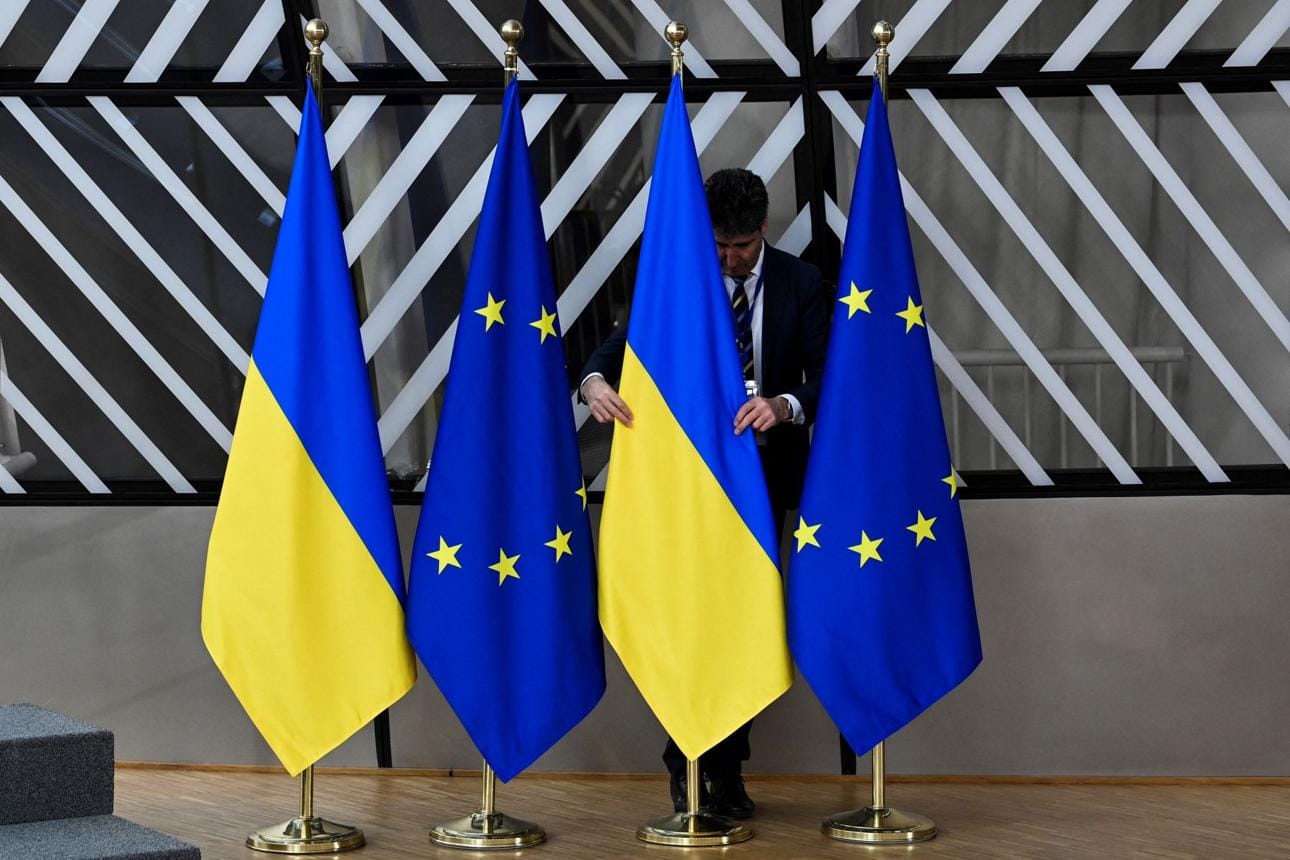
Switzerland has joined 35 other countries and the European Union in supporting the creation of a Special Tribunal for the Crime of Aggression against Ukraine.

The announcement was made during a meeting of foreign ministers organised by the Council of Europe in Chișinău.

Council of Europe Secretary General Alain Berset described the initiative as a decisive step toward establishing accountability for the attack on Ukraine. He said the tribunal represents “justice and hope” and stressed that political commitments must now be transformed into practical action through financing and operational support.

Swiss Foreign Minister Ignazio Cassis confirmed that Switzerland intends to support the tribunal, pending approval from the Swiss parliament.

According to Cassis, Switzerland fully supports the Council of Europe’s action plan for Ukraine and aims to send a clear international signal against impunity. He also highlighted Switzerland’s participation in the Register of Damages and the international framework designed to support compensation mechanisms related to the war.

The tribunal’s role will focus specifically on investigating and prosecuting individuals considered primarily responsible for the crime of aggression against Ukraine. It aims to complement the work of the International Criminal Court, which currently investigates war crimes, crimes against humanity, and genocide but lacks jurisdiction over the crime of aggression in this case.

The new court would become the first special tribunal established under the authority of the Council of Europe. Russia was expelled from the organisation following the outbreak of the war in Ukraine in 2022.

For the tribunal to become operational, support from at least 16 countries is required. Supporters say the initiative strengthens international law and reinforces efforts to pursue accountability for acts of aggression during armed conflict.