Swiss Vote on 10 Million Population Cap Plan.

Swiss voters are set to decide next month on a controversial initiative that proposes capping the country’s population at 10 million, sparking intense debate across the nation.

The proposal, which is widely seen as an anti-immigration measure, has divided public opinion in Switzerland, a country known for its strong economy, high living standards, and reliance on foreign labor.

Supporters argue that limiting population growth is necessary to protect infrastructure, housing availability, and environmental sustainability. They believe rapid population increases are placing pressure on transport systems, public services, and urban development.

Opponents, however, warn that such a cap could severely damage Switzerland’s economy, which depends heavily on skilled foreign workers across industries such as healthcare, technology, and finance. Critics also argue that the initiative could harm Switzerland’s international reputation and labor market stability.

The referendum highlights growing tensions in Swiss politics over immigration, demographic change, and national identity. Similar debates have previously shaped policy discussions within Switzerland, which regularly holds referendums on major national issues.

If approved, the measure could have long-term implications for immigration policy, labor supply, and Switzerland’s economic growth model.

The vote is expected to be closely watched both domestically and internationally, as it reflects broader European debates on migration and population control.
Swiss Ambassador Targets Stronger UN Dialogue.

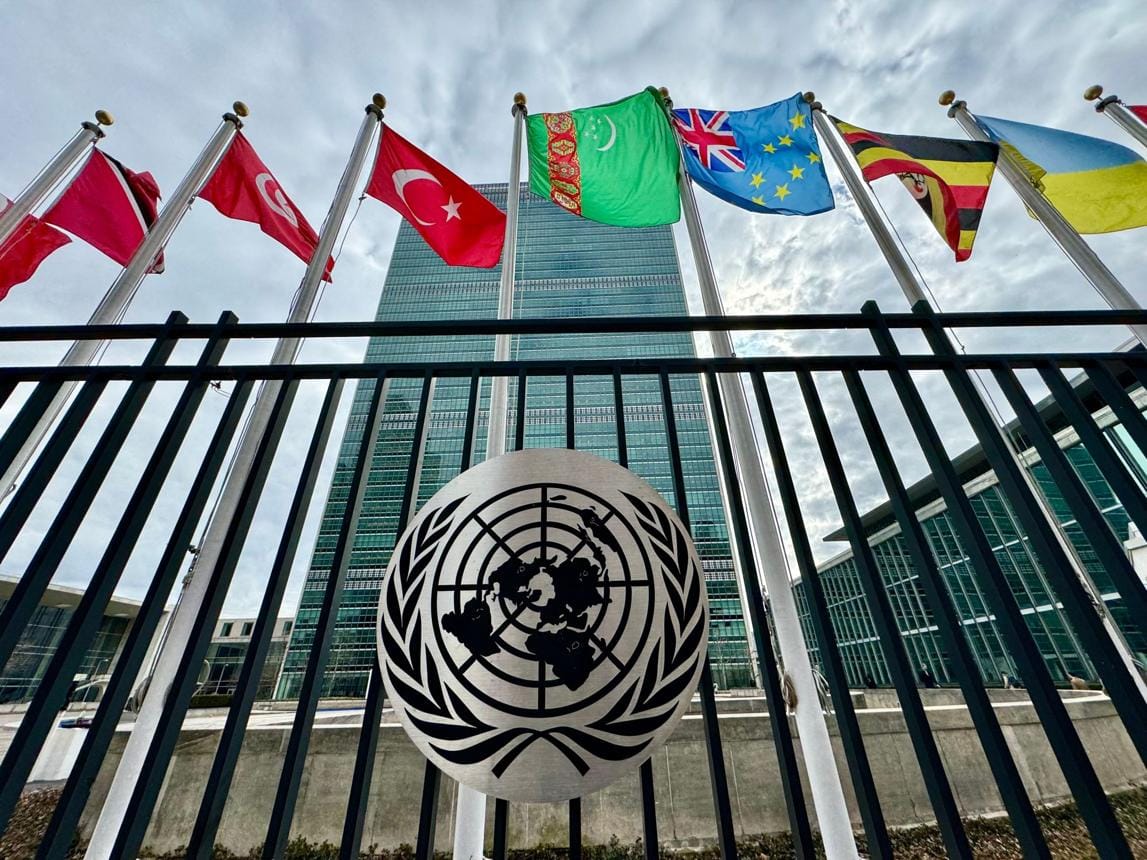
Switzerland’s newly appointed ambassador to the United Nations is calling for a stronger global role for Switzerland and a renewed focus on “International Geneva” as a key hub for diplomacy and multilateral cooperation.

The new ambassador, Frank Grütter, has expressed his intention to bring a distinctly Swiss approach to the United Nations in New York by promoting dialogue, pragmatism, resilience, and innovation in global decision-making.

With over 25 years of diplomatic experience, Grütter is highly familiar with the UN system. He previously served in New York in the early 2000s and later headed the United Nations and International Organisations Division in Bern from 2018 to 2022. He also played a key role in Switzerland’s successful campaign for a non-permanent seat on the UN Security Council.

Grütter officially presented his credentials to UN Secretary-General António Guterres on May 8. During their meeting, discussions focused on Switzerland’s role within the UN system and its position as host to major international organisations in Geneva and Bern.

Switzerland continues to position itself as a global bridge-builder, supporting international law, human rights, and sustainable development through diplomatic engagement and its policy of good offices.

Grütter also emphasized that the UN remains an essential platform for global dialogue despite geopolitical tensions and operational challenges, including financial liquidity pressures caused by delayed or missing contributions from some member states.

However, he also highlighted positive developments, including strong international support for the UN and recent agreements such as the high seas treaty and a global pandemic accord negotiated under the World Health Organization World Health Organization.

He noted that despite financial challenges, many countries are now paying their contributions more consistently, reflecting renewed commitment to the institution.

According to the ambassador, Switzerland’s recent experience on the Security Council continues to strengthen its role within the UN system and supports its broader diplomatic strategy.

Grütter concluded that while global challenges remain significant, it is important to recognize both the difficulties and the progress being made within the international system.

Switzerland Civil Service Rumours Clarified: Zivildienst Still Exists.

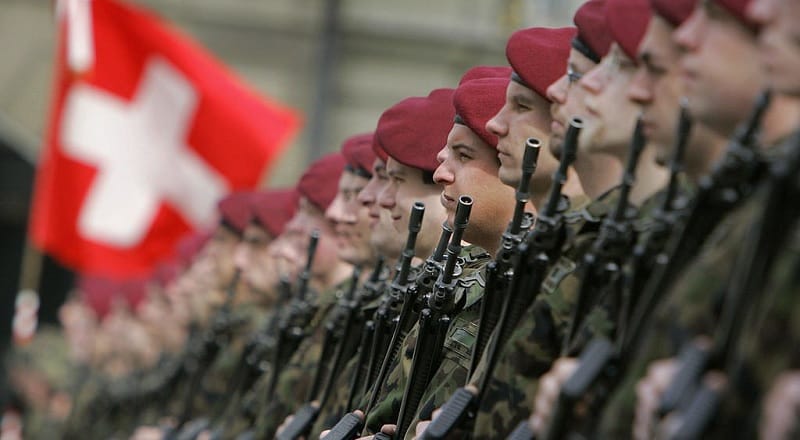
Recent social media claims suggesting that Switzerland has abolished Zivildienst (civilian service) and made military training compulsory for all citizens are inaccurate.

In reality, Switzerland continues to operate a mandatory service system for men, where individuals can choose between military service and alternative civilian service depending on eligibility and conscience-based exemption.

Despite rising political discussions, the core system has not been removed. The Swiss government is currently reviewing certain regulations due to an increasing number of conscripts opting for civilian service instead of military training.

Political movements, including debates involving the Swiss People’s Party (SVP), have pushed for stricter service rules. However, no law has been passed to eliminate civilian service entirely.

Public debates also intensified after campaigns featuring controversial political messaging, including visual protests involving international political figures, which sparked online misinformation.

Authorities have clarified that the current structure still allows two legal pathways:

  • Military service for eligible male citizens
  • Alternative civilian service (Zivildienst) for those who refuse military service on conscientious grounds

However, the government and parliament are gradually tightening rules to prevent misuse of the civilian service system, making it less flexible than before.

Key discussions in 2025–2026 include:

  • Restricting easy transitions from military service to Zivildienst
  • Reducing exemptions in certain professional categories
  • Preventing civilian service from being used as a “shortcut option”

A broader proposal suggesting compulsory public service for both men and women was also discussed in a 2025 referendum but was rejected by voters.

Current Situation (2026)

Switzerland still maintains:

  • Mandatory service for men
  • Option to choose military OR civilian service
  • No complete abolition of Zivildienst

However, policy tightening is expected to continue gradually during 2026.

Cassis Says EU Agreements Are a Strategic Necessity for Switzerland.

Ignazio Cassis has described Switzerland’s relationship with the European Union as a “strategic necessity,” emphasizing the importance of a stable and structured partnership with the EU.

He made the remarks during the general assembly of European Movement Switzerland, where he served as guest of honour on Saturday.

In his speech, Cassis stated that Switzerland’s relationship with the EU goes far beyond technical negotiations and institutional frameworks, calling it a key strategic issue for the country’s future.

He highlighted that Switzerland and its European neighbours are closely connected in areas such as security, economic prosperity, innovation, rule of law, and institutional stability.

Cassis also referred to the recently negotiated package of agreements with Brussels, explaining that it involves mutual concessions from both sides.

He warned that long-term stability in relations with the EU is not guaranteed automatically but must be actively maintained through continuous cooperation.

According to the foreign minister, stable relations with the EU are the result of joint effort and shared responsibility between Switzerland and its European partners.

The speech reflects ongoing Swiss political debate about how the country should manage its relationship with the EU while maintaining sovereignty and economic competitiveness.

Observers say the comments underline the importance Switzerland places on maintaining strong ties with Europe amid global geopolitical and economic uncertainty.

Swiss Government Responds to Epstein Property Questions.

The Switzerland government says it cannot confirm whether late American financier Jeffrey Epstein owned property in Switzerland.

The statement came in response to a parliamentary inquiry submitted following growing attention on Epstein’s alleged Swiss connections revealed in recent months.

In its official response, the Swiss Federal Council stated that it has “no knowledge” of any property purchases made by Epstein in Switzerland. However, authorities also acknowledged that they cannot completely rule out the possibility.

The government explained that oversight of foreign property purchases falls under the responsibility of individual Swiss cantons rather than federal authorities.

Swiss officials remained cautious when responding to additional parliamentary questions related to Epstein’s activities and potential financial links within Switzerland.

Interest in Epstein’s international network intensified after United States authorities released approximately 3.5 million declassified pages connected to investigations involving the convicted sex offender, who died in prison in 2019.

According to multiple media reports, Epstein allegedly financed educational opportunities for several young women in Switzerland and maintained connections with influential figures in international finance.

The revelations have renewed public and political discussions about financial transparency, oversight of international wealth, and Switzerland’s historical links to high-profile global figures.

Swiss authorities have not announced any criminal investigation related to the reported property questions.

The case continues to attract international attention due to Epstein’s extensive network of global contacts and the ongoing release of previously classified information connected to his activities.

Swiss Foreign Minister Urges OSCE to Coordinate on Emerging Technologies.

Swiss Foreign Minister Ignazio Cassis has called on member states of the Organization for Security and Co-operation in Europe to develop a common and proactive approach toward emerging technologies.

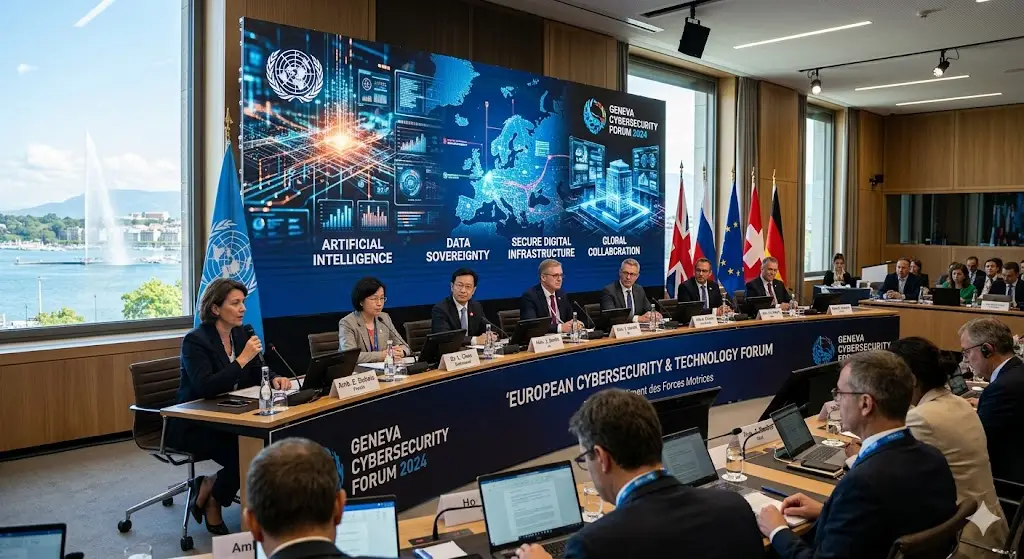
Speaking at a two-day OSCE conference in Geneva, Cassis emphasized the importance of anticipating scientific and technological developments before they create political, social, or security challenges.

“If no one controls them, they will control us,” Cassis warned while referring to rapidly advancing technologies such as artificial intelligence and quantum computing.

The Swiss foreign minister stressed that the greatest danger today is not technological innovation itself, but political delays in responding to technological change.

According to Cassis, if regulations fail to keep pace with innovation, societies may face mistrust, instability, misjudgements, and rising tensions.

He noted that new technologies already influence all major dimensions of the OSCE, including military security, economic competition, civil liberties, and social cohesion.

Conference participants discussed how artificial intelligence, quantum computers, and advanced digital systems could reshape security and cooperation across Europe.

Delegates also explored how technology could help countries manage scarce resources more effectively and support international collaboration.

Switzerland is seeking to strengthen international cooperation on technology governance following initiatives introduced at the United Nations Security Council during Switzerland’s chairmanship in 2024.

Cassis also highlighted the role of a Geneva-based foundation that has worked for years on identifying technological risks and opportunities before they create wider social problems.

He clarified that the goal is not to regulate every technological development, but rather to focus on the most urgent and high-impact challenges facing societies today.

The conference reflects growing international concern over the global impact of artificial intelligence, cyber threats, digital warfare, and emerging technologies on democracy and security.

Italian Ambassador Defends Diplomacy During Crans-Montana Fire Dispute.

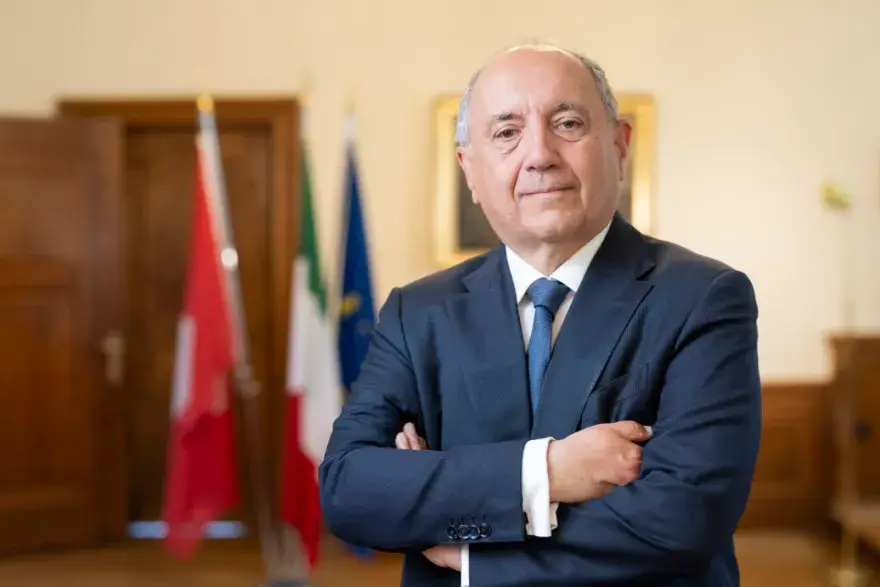
The Italian ambassador to Bern has defended his diplomatic approach after criticism from Swiss Foreign Minister Ignazio Cassis during tensions linked to the deadly Crans-Montana fire tragedy.

Italian ambassador Gian Lorenzo Cornado stated in an interview with the newspaper Neue Zürcher Zeitung that he openly expresses his views as part of his diplomatic style.

“I speak my mind, that’s my style,” Cornado said while responding to criticism surrounding the handling of the bilateral dispute.

The diplomatic disagreement emerged following a fatal New Year’s Eve fire in Crans-Montana that reportedly killed 41 people and injured more than 100 others, including several Italian citizens.

Tensions increased after Italian authorities objected to Swiss hospital invoices being sent to Italian victims and their families following the disaster.

According to Cornado, he acted in line with the expectations of the Italian government and Prime Minister Giorgia Meloni, who requested special attention to the hospital billing issue.

Earlier, Ignazio Cassis criticized the ambassador during an interview with Ticinonews, saying the prolonged public discussions had worsened the situation instead of helping calm relations between the two countries.

Meanwhile, Guy Parmelin assured that similar problems would not happen again and confirmed that Swiss authorities are reviewing legal procedures related to cross-border medical billing.

Cornado later indicated that both sides are now close to reaching a solution and described ongoing discussions as positive.

The incident has drawn wider attention to diplomatic coordination, emergency response procedures, and international healthcare cost management following cross-border tragedies in Europe.

Swiss Minister Says Migrants Boost Economy

A senior Swiss minister has voiced strong support for migration, highlighting its economic benefits ahead of a key national vote in Switzerland.

The debate comes as the Swiss People’s Party pushes a proposal titled “No to 10 Million Switzerland,” which aims to limit the country’s population growth. The initiative seeks to curb immigration and will be put to a public vote on June 14.

Supporters of the proposal argue that rising immigration contributes to housing shortages and places increasing pressure on transport systems and public services.

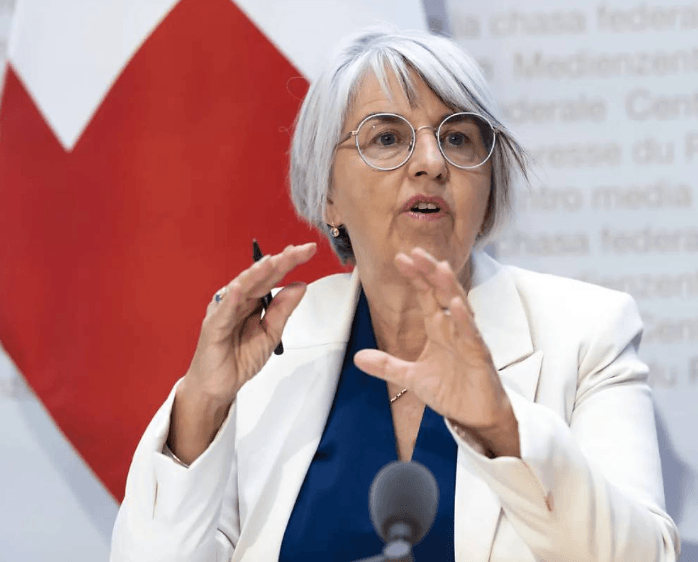
However, Swiss Interior Minister Elisabeth Baume-Schneider has publicly defended migration, emphasizing its positive impact on the national economy. She stated that foreign workers play a vital role in strengthening Switzerland’s financial system.

According to the minister, migrants significantly contribute to the country’s pension system. She noted that foreign workers pay more into the pension scheme than they receive, effectively generating a surplus that supports long-term financial stability.

Her remarks come at a critical moment as voters prepare to decide on one of the most debated migration policies in recent years. The outcome of the referendum could shape Switzerland’s future approach to immigration and economic growth.