

Switzerland Warns Against Bolivia Travel.

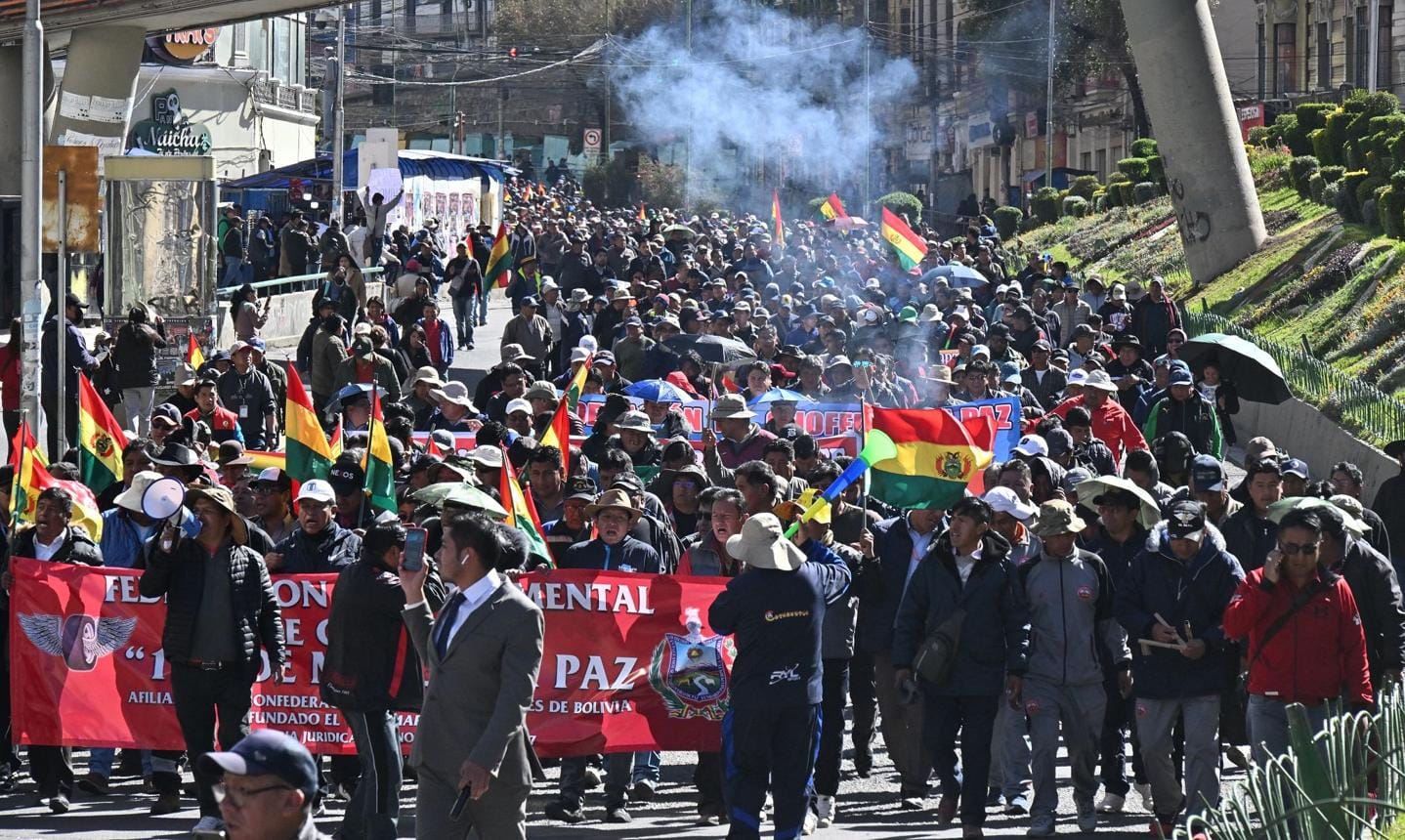
The Swiss Federal Department of Foreign Affairs has updated its travel advisory for Bolivia following violent demonstrations and growing unrest in the country’s capital, La Paz. Swiss authorities now advise citizens to avoid non-essential travel due to the worsening security situation and uncertain developments.

According to the updated advisory, Bolivia has experienced numerous roadblocks and protests since early May. Major access routes to La Paz remain heavily disrupted, affecting transportation and the supply of essential goods including food, fuel, and medical supplies.

Swiss officials warned travellers to avoid demonstrations, crowded public areas, and political gatherings. Authorities also noted that the Swiss embassy may have limited ability to assist stranded citizens attempting to leave affected regions during the unrest.

Violence escalated on Monday when protesters, including miners, farmers, teachers, and supporters of former president Evo Morales, attempted to enter the main government square in La Paz. Local reports stated that demonstrators threw stones and fireworks, set vehicles on fire, and stormed several public buildings.

Police forces reportedly responded with tear gas to control the crowds. According to Bolivia’s ABI news agency, at least 95 people were arrested during the clashes.

Bolivia has faced a severe economic crisis for several years, leading to recurring protests and political tensions across the country. Rising inflation, shortages of essential goods, and public dissatisfaction continue to fuel nationwide unrest.

The latest travel warning highlights growing international concern over the security situation in Bolivia as authorities continue monitoring developments in the South American nation.
Geneva Prepares Special Security Measures Ahead of G7 Summit in Evian

Authorities in Switzerland are preparing extensive security measures ahead of the upcoming G7 Summit scheduled to take place in Evian, France, near the Swiss border.

The Geneva Public Prosecutor’s Office has announced a large-scale operational plan to handle potential incidents during the summit, which will run from June 15 to June 17 on the French side of Lake Geneva.

Geneva public prosecutor Olivier Jornot said authorities are preparing for the “most dangerous scenario,” including possible mass arrests linked to protests or security incidents.

To manage the expected pressure, the prosecutor’s office plans to double or even triple its usual staffing levels during the summit period. Up to six prosecutors per day will reportedly be placed on standby to handle urgent legal procedures.

Officials also confirmed that routine hearings involving detainees will be significantly reduced during the summit in order to prioritize emergency response and security-related cases.

Security planning has identified two main risk areas. The first involves potential threats against heads of state and delegations, which falls under federal-level Swiss security responsibility. The second concerns civil disturbances, including protests, vandalism, and property damage, which will be handled by Geneva authorities.

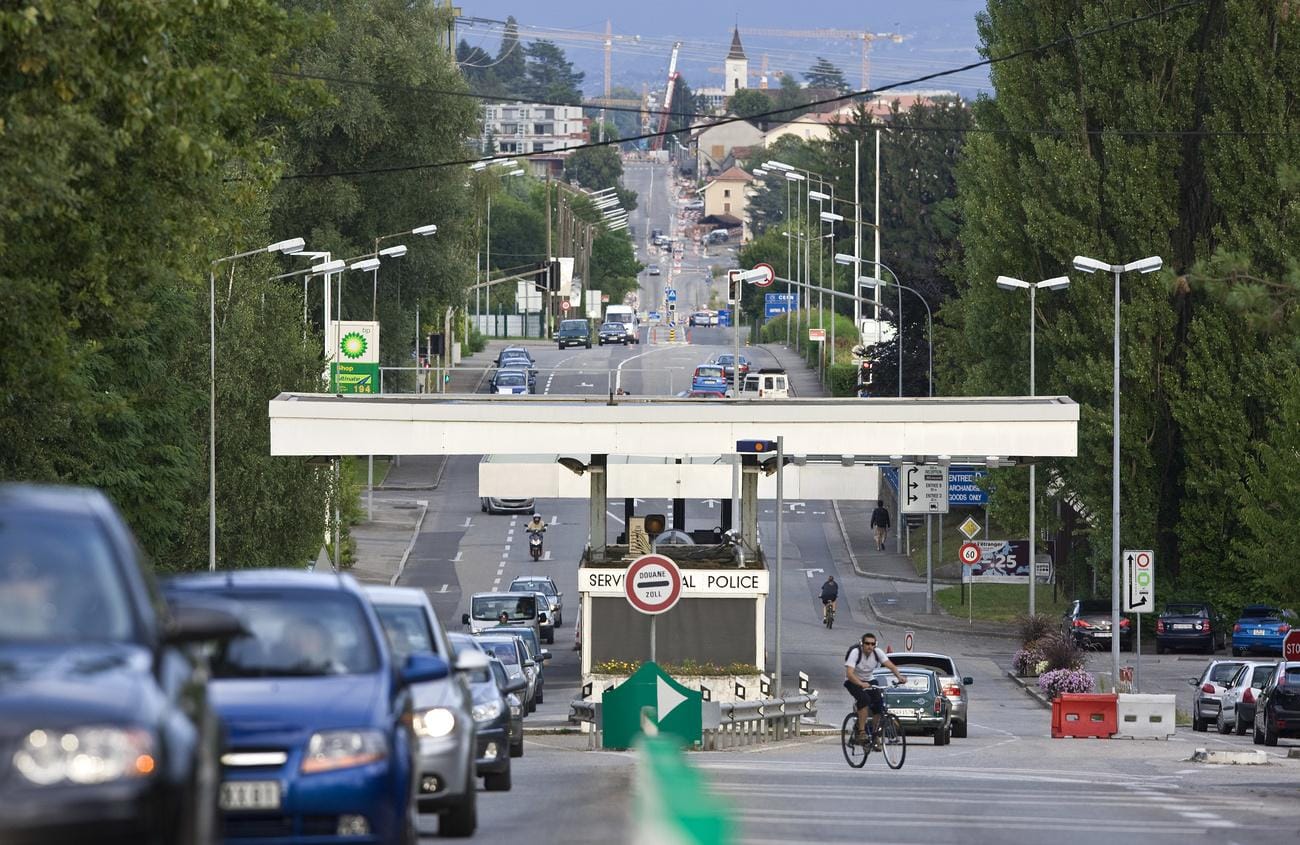
In response to these risks, Geneva will also tighten border controls during the summit period. Between June 12 and June 18, only seven of the canton’s 35 border crossings will remain open to regulate movement and strengthen security monitoring.

Authorities have cited lessons learned from the 2003 G8 summit in Evian, when protests led to significant damage on the Swiss side of the border.

The coordinated Swiss-French security strategy highlights the importance of cross-border cooperation during major international political events held in the Lake Geneva region.