Swiss House Supports Role for Foreigners in Civil Defence

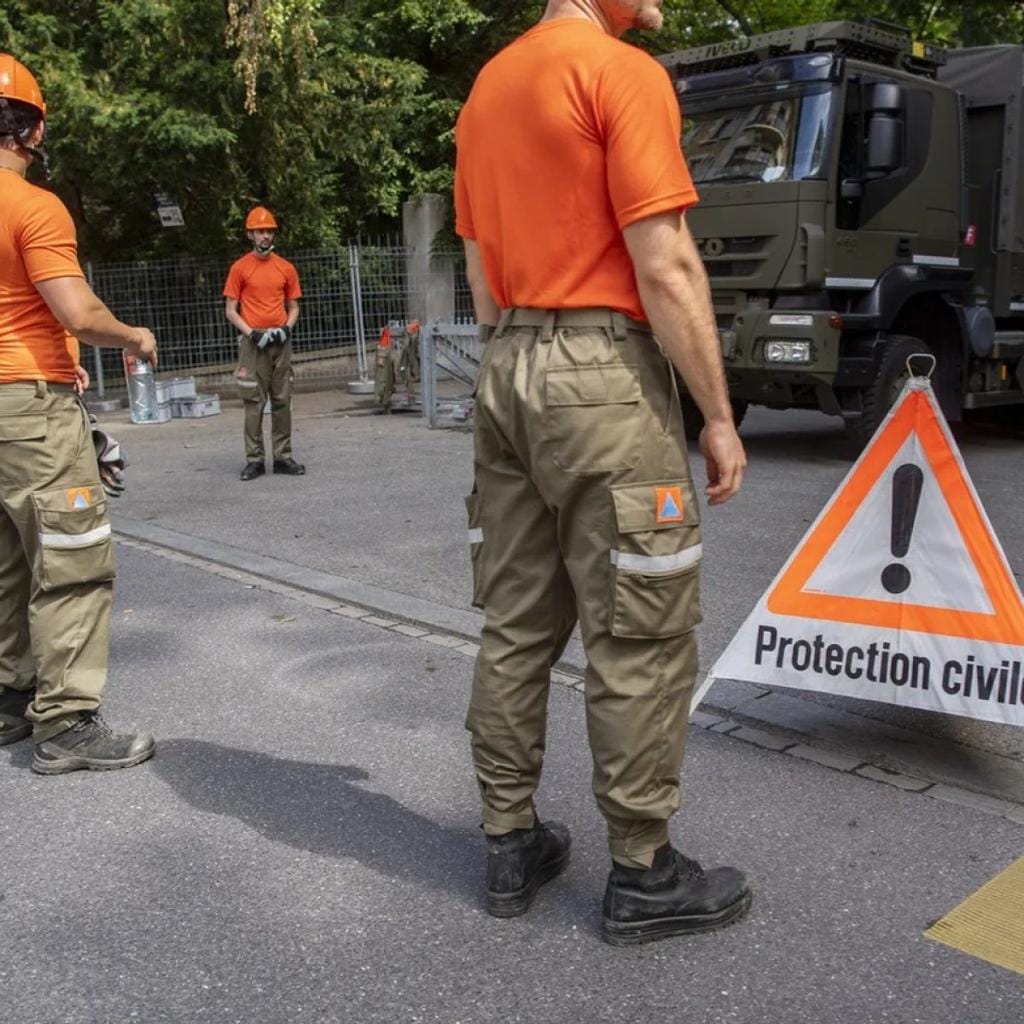
The Swiss House of Representatives has approved a proposal allowing foreign nationals with long-term residence permits to take on civil defence duties in Switzerland.

The motion passed with 120 votes in favour, 66 against, and two abstentions. It will now be forwarded to the Senate for further consideration.

The proposal was introduced by Martin Candinas of the Centre Party, who argued that expanding compulsory service obligations could help address staffing and funding challenges faced by civil defence organisations across the country.

Supporters of the motion also highlighted its potential contribution to social integration. Under the proposal, long-term foreign residents would be able to participate in civil protection duties in the same way as Swiss citizens, strengthening their involvement in public service and community safety.

In several municipalities, foreign residents are already required to take part in compulsory firefighting services, making this proposal an extension of existing local practices to a broader national level.

Proponents say the reform could improve operational capacity in civil defence services, while also reinforcing equality and shared responsibility among residents living in Switzerland.

The Senate will now review the proposal before any final decision is made on its implementation.
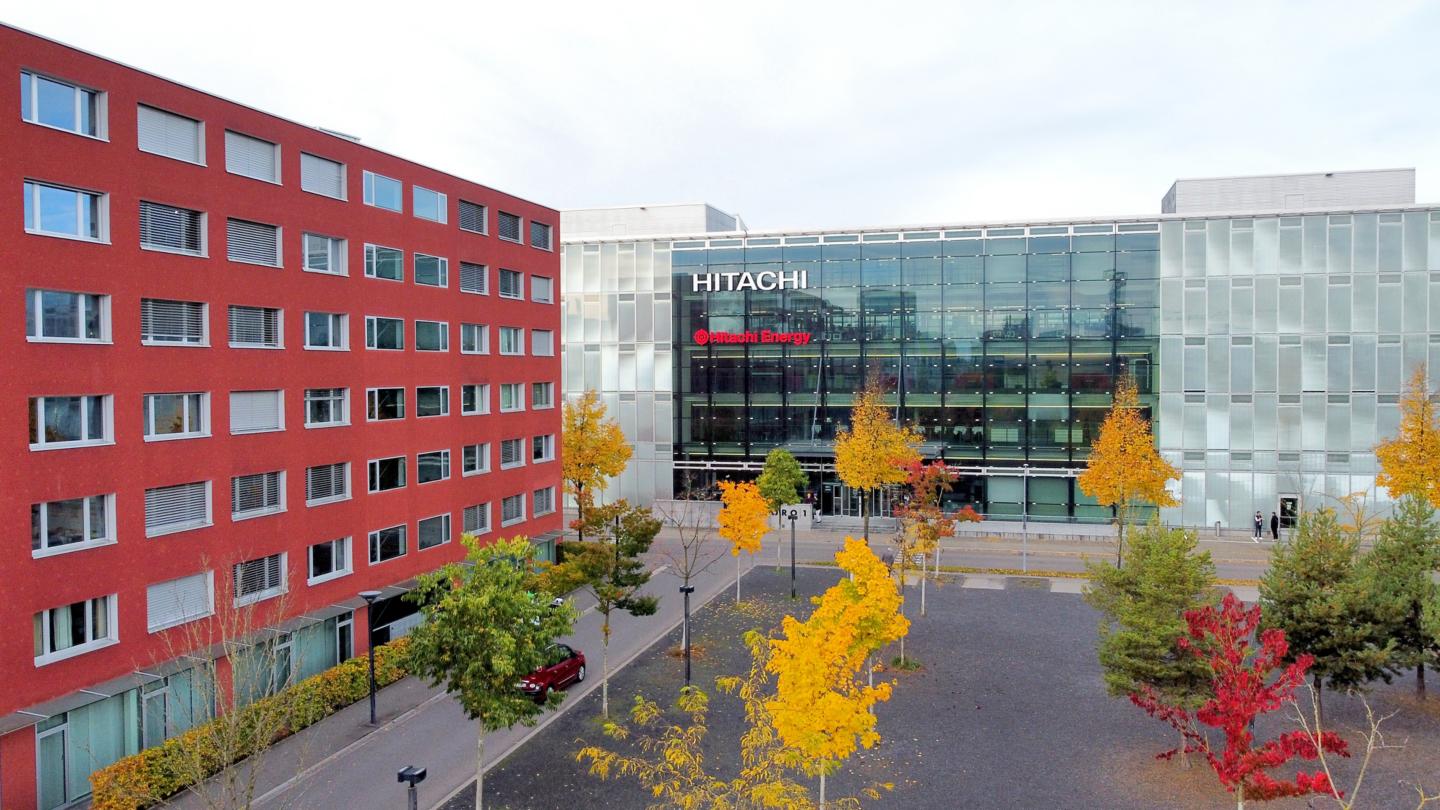
Hitachi Energy to Build New Swiss Headquarters Near Zurich

The technology group Hitachi Energy is set to establish its new Swiss headquarters in Otelfingen, located in the canton of Zurich, marking a significant investment in Switzerland’s industrial and technology sector.

According to a statement from the Otelfingen municipal council, the decision has been warmly welcomed locally, as the project is expected to bring substantial economic benefits to the region.

The new headquarters will be developed on the site of the former Jelmoli distribution centre and surrounding areas, covering approximately 11 hectares of land. The large-scale development highlights Hitachi’s long-term commitment to expanding its operations in Switzerland.

A key feature of the project is the creation of up to 3,000 jobs, which is expected to strengthen the local labor market and attract skilled professionals to the region. This development is seen as a major boost for the Zurich metropolitan area.

The municipality of Wettingen in the canton of Aargau had also competed for the project, hoping to secure the investment and associated tax revenues. However, Hitachi ultimately chose Otelfingen, meaning the economic benefits will now flow into the canton of Zurich instead.

Officials view the project as a strategic win for the region, reinforcing Zurich’s position as a key hub for international technology and energy companies.

The development also reflects Switzerland’s continued attractiveness for global corporations seeking stable infrastructure, skilled labor, and strong economic conditions.

Swiss Festival Season Opens With a Blend of Music Legends and Streaming Stars.

Switzerland’s summer festival season has officially begun, bringing together a wide mix of global music legends and emerging artists shaped by the rise of social media platforms.

From rock icons of past decades to new-generation streaming stars, this year’s festival line-ups reflect a growing divide in musical styles and audiences, spanning genres from rock and punk to hip-hop and French pop.

The season kicks off with Festi’Neuch (June 12–15) and the Greenfield Festival (June 11–13). Festi’Neuch in Neuchâtel is already sold out and features a diverse program combining French-speaking artists and newer digital-era performers. The line-up includes Vanessa Paradis, Feu! Chatterton, Jean-Louis Aubert, alongside rising names such as Adèle Castillon, Miki, and Théa.

One of the most anticipated performances is the Swiss debut of Irish hip-hop group Kneecap. Known for their politically charged lyrics and use of both English and Irish Gaelic, the trio blends cultural identity with themes addressing politics, social issues, and Irish history.

Meanwhile, the Greenfield Festival in Interlaken continues its strong rock and metal tradition. The event features major international acts, including The Offspring, representing 1990s Californian punk rock, alongside Danish band Volbeat.

The Caribana Festival (June 18–21) in Crans-près-Céligny will then continue the summer momentum with a popular lineup of French-speaking artists such as Mika, Louane, M. Pokora, and Kendji Girac.

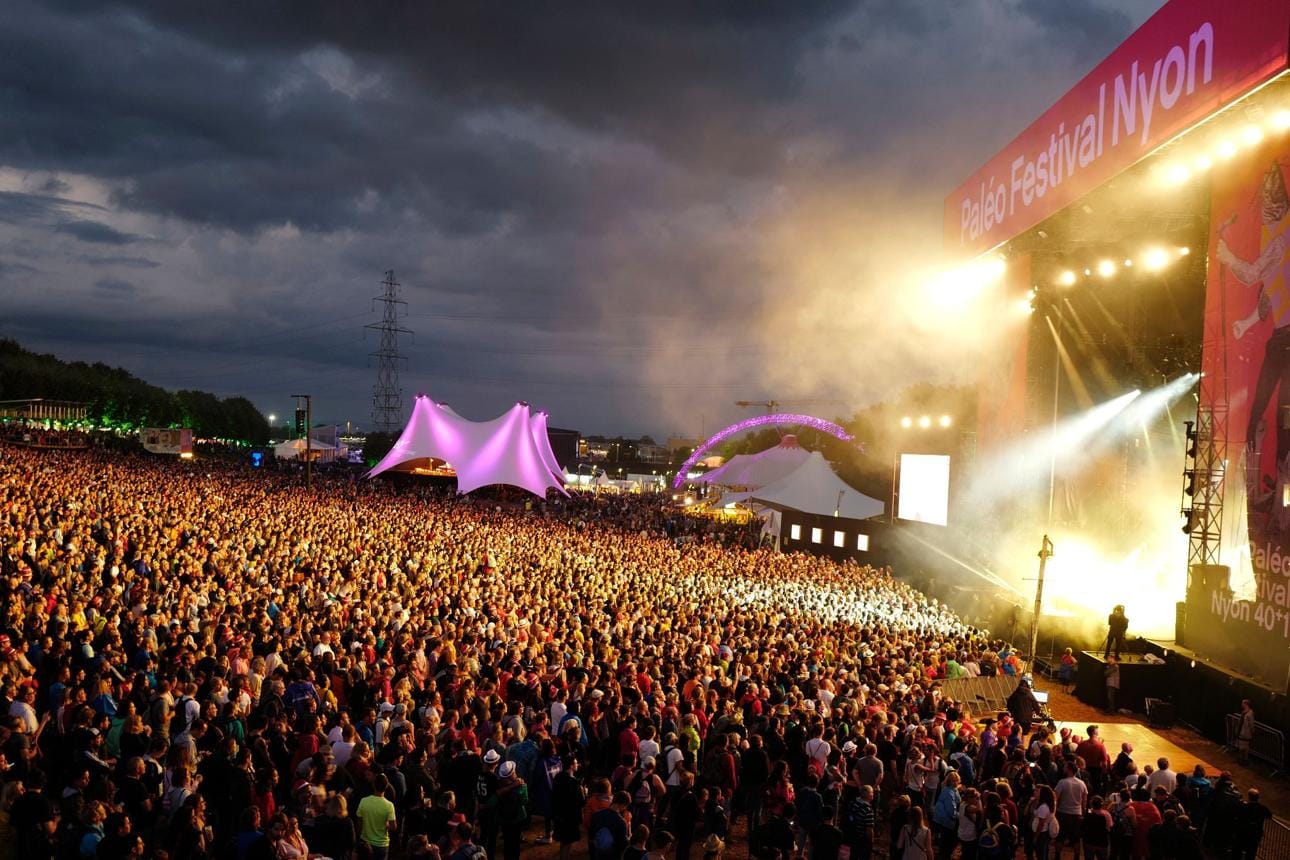
Several performers are set to appear across multiple Swiss festivals this summer. Artists featured at Festi’Neuch, including Vanessa Paradis and Feu! Chatterton, will also take the stage at the Paléo Festival (July 21–26), Switzerland’s largest open-air music event.

Among the rising talents this season is French singer Sam Sauvage, whose distinctive voice and artistic style have quickly gained attention in the French-speaking music scene. After performing at Festi’Neuch, he is expected to appear at Paléo and later at the Docks in Lausanne.

With a mix of established global acts and emerging digital-age artists, Switzerland’s 2026 festival season highlights the evolving landscape of live music culture, where traditional stage legends and viral streaming stars share the same spotlight.

Swiss Parliament Approves Mandatory Electronic Prescriptions.

Switzerland is taking a major step toward digitalising its healthcare system after the Swiss parliament approved new rules making electronic prescriptions and medication plans compulsory.

The Senate passed the amendments to the Therapeutic Products Act on Thursday in an overwhelming vote of 33 to 1, signaling strong political support for the reform. The primary goal of the change is to improve patient safety and reduce medication errors.

Under the new regulation, healthcare professionals will be required to issue prescriptions exclusively in electronic form. This applies not only to prescriptions but also to medication plans used by patients and medical providers.

Authorities believe that the digital system will reduce the risk of incorrect drug dispensing and improve coordination between doctors, pharmacies, and other healthcare professionals. By enabling better information exchange, the system aims to make treatment more efficient and transparent.

Despite the shift to digital prescriptions, patients will still retain flexibility. Individuals will be able to request a printed copy of their electronic medication plan if needed, ensuring accessibility for those less comfortable with digital tools.

The reform is part of Switzerland’s broader effort to modernize its healthcare infrastructure and integrate digital solutions into everyday medical practice. Officials say this transformation is essential for improving efficiency, safety, and long-term system sustainability.

Health authorities also expect that digital prescriptions will help address challenges such as medicine shortages by improving tracking and coordination across the supply chain.

The new system marks a significant milestone in Switzerland’s healthcare digitalisation strategy and is expected to be implemented across the country in the coming years.

Swiss Senate Backs Mixed Funding for 13th Pension

The Swiss Senate has approved a proposal to finance the upcoming 13th payment of the AHV/AVS old-age and survivors’ pension through a combination of employee contributions and value-added tax (VAT).

Under the approved plan, employee contributions will increase by 0.2 percentage points, lower than the previously proposed 0.3 percentage points. VAT will also be raised by 0.4 percentage points, while the reduced VAT rate will remain unchanged at 2.6%.

The proposal marks a compromise between different parliamentary positions. Earlier, the House of Representatives had suggested financing the additional pension payment entirely through VAT increases until 2033. However, this approach was not adopted by the Senate.

The final decision now moves back to the House, which is scheduled to vote on the proposal on June 17. If the House rejects the plan, the 13th AHV pension payment is still expected to be introduced from December, although the funding mechanism would remain unresolved.

The 13th pension initiative was approved by Swiss voters in 2024 as a measure to support retirees facing rising living costs and inflation. The initiative, backed by trade unions and left-leaning political groups, aims to provide an additional monthly pension payment each year, similar to the widely known 13th salary in Switzerland.

Parliament has since been working to determine a sustainable financing model for the reform, balancing social welfare commitments with long-term fiscal stability.

The Senate’s decision represents a significant step forward in implementing the pension reform, but the final outcome will depend on the upcoming parliamentary vote.

Swiss Asset Management Industry Becomes Third Largest in Europe

Switzerland’s asset management industry has reached a new record high in 2025, strengthening its position as the third largest in Europe after the United Kingdom and France.

According to the Asset Management Association Switzerland (AMAS), total assets under administration rose by 8% year-on-year to CHF3.73 trillion (around $4.67 trillion). The growth highlights the continued strength and international relevance of Switzerland’s financial sector.

AMAS director Adrian Schatzmann stated that the industry remains resilient and strategically important for the Swiss financial centre. He emphasized that Switzerland continues to play a key role in global investment flows despite increasing international competition.

A recent study conducted with consulting firm Zeb identifies several key drivers behind the sector’s growth. These include the expansion of private markets, financial innovation, and improved access to international investors.

One notable trend is the increasing role of foreign clients in Switzerland’s asset management industry. According to the report, approximately one-third of all assets under management in the country originate from international investors, underlining Switzerland’s strong global appeal.

Experts suggest that continued innovation and diversification will be essential for maintaining competitiveness in the evolving European financial landscape. The rise of private markets and cross-border investment opportunities is expected to further strengthen Switzerland’s position in the coming years.

With steady growth and strong international participation, Switzerland’s asset management sector continues to solidify its reputation as a leading global financial hub.

Swiss Public Opinion Turns More Negative Toward Donald Trump.

Public opinion in Switzerland toward US President Donald Trump has become increasingly negative, according to a new survey. The findings indicate a clear shift in how Swiss citizens perceive both Trump and the United States.

The survey, conducted in May by the European Council on Foreign Relations (ECFR) in cooperation with Switzerland’s Federal Department of Foreign Affairs (FDFA), shows that 41% of respondents now view Donald Trump as either an “enemy” (26%) or a “rival” (15%).

While 45% of the population still consider the United States an ally or partner, this figure has declined from 53% just six months earlier, indicating a noticeable drop in confidence in US relations.

Among the twelve European countries included in the study, Switzerland recorded the highest level of hostility toward Trump, reflecting growing concerns about US political direction and global influence.

Respondents cited several reasons for this shift in opinion, including Trump’s tariff policies and his repeated criticism of the current international order. These factors have contributed to a more skeptical view of US leadership in global affairs.

The survey also highlights declining trust in the United States as a security partner. Around three-quarters of respondents do not believe the US would provide military assistance to Switzerland in the event of an attack. In contrast, two-thirds believe European Union countries would step in to support Switzerland if necessary.

Public attitudes toward US defense equipment have also changed significantly. About 73% of respondents oppose Switzerland purchasing American weapons, while only 15% support such acquisitions.

Despite this skepticism, the survey shows strong support for increasing cooperation with European defense industries. A majority of respondents believe that Switzerland will increasingly rely on European military equipment in the future.

Overall, the findings reflect a broader shift in Swiss public sentiment, with growing caution toward US foreign policy and increasing alignment with European security perspectives.

Lawyers Seek Harsher Charges in Crans-Montana Bar Fire Case

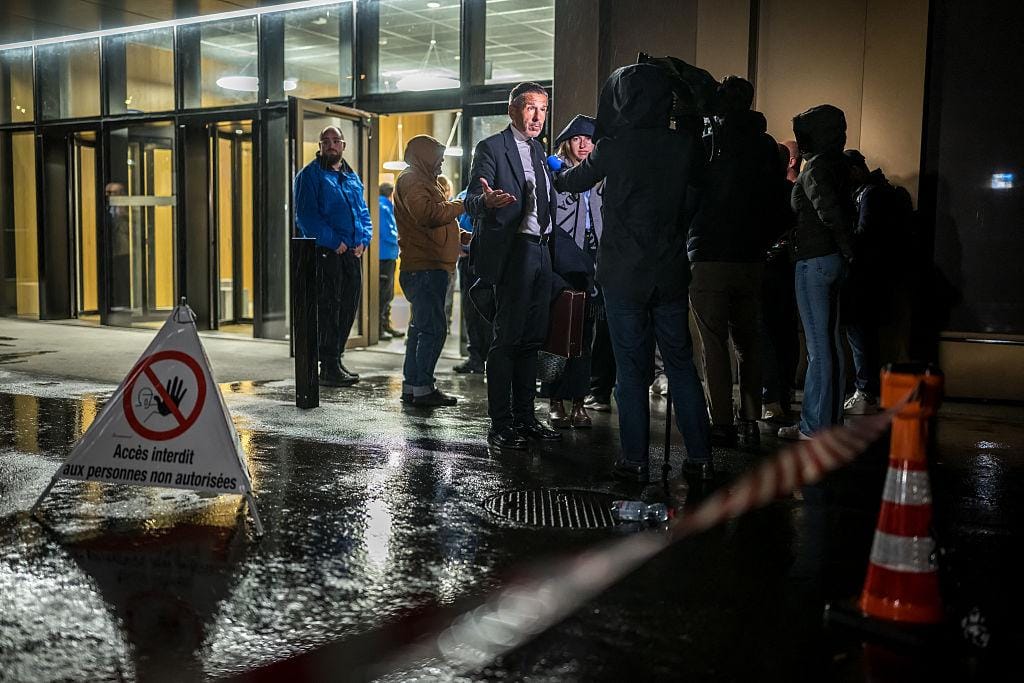
Legal pressure is mounting in Switzerland as two lawyers call for more severe charges in connection with the deadly fire that occurred at a bar in Crans-Montana on January 1.

The lawyers, representing different parties involved in the case, are urging prosecutors to upgrade the charges against the bar owners from negligent manslaughter to murder with eventual intent.

According to Swiss public broadcaster RTS, and confirmed by the Valais cantonal Public Prosecutor’s Office, attorney Sophie Haenni—who represents the waitress accused of starting the fire—and lawyer Ludovic Tirelli, acting for the victims’ families, have both formally written to the Public Prosecutor in recent days.

Their request follows recent statements made by bar owner Jessica Moretti during a hearing before the panel of prosecutors handling the investigation. These statements are linked to earlier WhatsApp exchanges from 2019 involving former employees, which have now become part of the ongoing legal scrutiny.

The case revolves around the deadly fire at the Constellation bar, which has already raised serious questions about responsibility, safety standards, and decision-making within the establishment.

Prosecutors are currently reviewing the request while continuing their investigation into the circumstances surrounding the incident and the chain of events that led to the tragedy.

If the charges are upgraded, the case could take a significantly different legal direction, potentially leading to more severe penalties for those found responsible.

The Crans-Montana fire case remains one of the most closely watched legal proceedings in the Valais region, as families of the victims continue to seek justice and clarity over what happened on that night.

Deepfakes and Sextortion Increasing Among Swiss Youngsters

Swiss child protection organizations are raising concerns over a sharp increase in deepfake abuse, sextortion, and other forms of digital sexual violence targeting young people across the country.

According to the online reporting platform clickandstop.ch, incidents involving artificial intelligence-generated deepfakes and online exploitation are becoming more common, creating new risks for children and teenagers in the digital age.

Child Protection Switzerland has called for urgent action to better protect minors from the growing misuse of artificial intelligence and online technologies. The organization warns that digital sexual violence is affecting an increasing number of young people and requires stronger prevention measures.

The clickandstop.ch platform was developed in cooperation with the Guido Fluri Foundation and the Swiss Federal Office of Police (fedpol). It serves as Switzerland’s main national reporting center for illegal online content and child protection concerns.

Since 2022, the platform has received reports involving 9,697 web addresses containing child sexual abuse material. Authorities and child protection experts say these figures highlight the scale of the challenge facing Switzerland and other countries.

Beyond reporting illegal content, clickandstop.ch also provides support services for victims and concerned individuals. Users can access guidance through anonymous reporting tools, telephone support, and online chat services designed to offer advice and prevention information.

Experts warn that deepfake technology is becoming increasingly sophisticated. Criminals can use artificial intelligence to create fake images, videos, or audio recordings that appear real, making it easier to manipulate, blackmail, or exploit victims online.

Sextortion, a form of online blackmail involving intimate images or videos, has also become a growing concern. Young people are particularly vulnerable because of their extensive use of social media and digital communication platforms.

Child protection advocates are urging parents, schools, technology companies, and policymakers to work together to improve digital literacy, strengthen online safety measures, and educate young people about the risks associated with AI-generated content.

As artificial intelligence continues to evolve, Swiss authorities and child welfare organizations emphasize that protecting children online must remain a top priority. Increased awareness, early intervention, and stronger safeguards will be essential in combating digital sexual violence and online exploitation.

Influential Swiss Intellectual Jean Ziegler Dies at 92

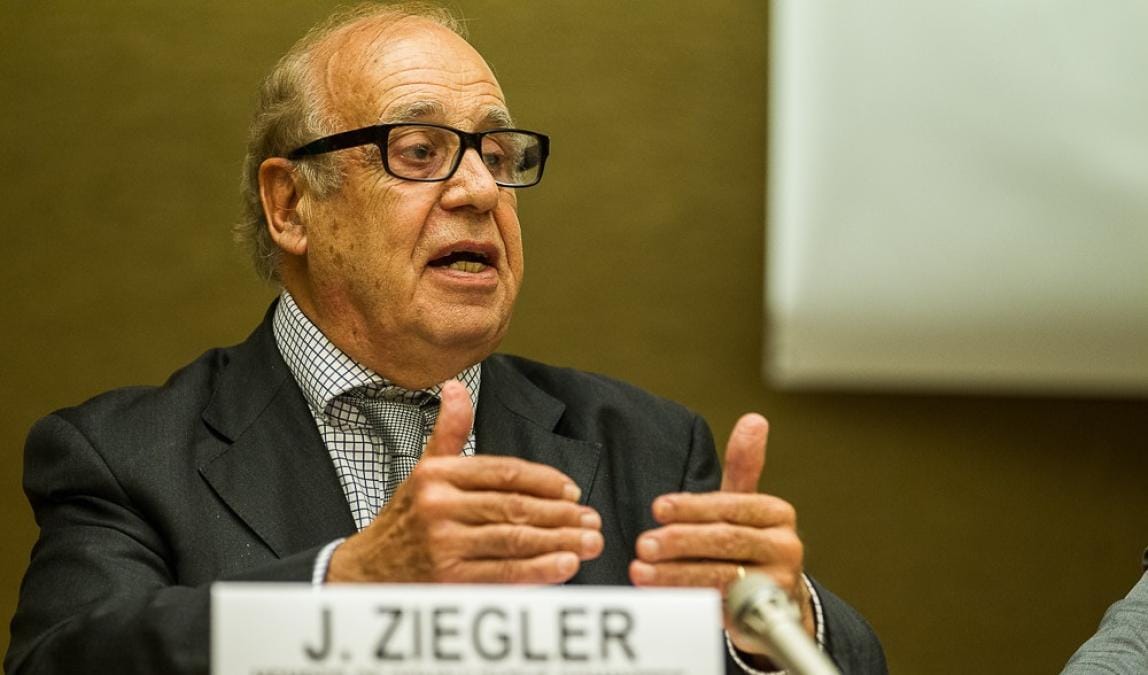
Jean Ziegler, one of Switzerland’s most influential sociologists, authors, and political figures, has died in Geneva at the age of 92. According to his family, the former politician passed away on Wednesday due to complications related to Parkinson’s disease.

For more than five decades, Ziegler played a prominent role in Swiss political and academic life. He became internationally known for his criticism of global inequality, neoliberal economic policies, and the concentration of wealth and power in global institutions.

A committed left-wing thinker, Jean Ziegler spent much of his life advocating for social justice and human rights. His writings and public speeches challenged political and economic systems that he believed contributed to poverty, hunger, and inequality around the world.

Even in his later years, Ziegler remained active in public debate. At the age of 90, he published the book “Where is Hope?”, a work that encouraged resistance against war, famine, injustice, and growing social divisions. The book reflected his lifelong belief that citizens should actively work toward creating a fairer society.

A defining moment in his life came in 1964 when he met revolutionary leader Che Guevara in Geneva. Ziegler later recalled how Guevara advised him not to leave Switzerland to join revolutionary movements abroad, but instead to challenge injustice from within the heart of the system. That encounter shaped his political philosophy and influenced his future career.

Throughout his life, Ziegler remained a controversial figure. Supporters praised him for speaking out against injustice and defending the rights of vulnerable communities. Critics, however, often challenged his political views and strong statements on international affairs.

One of his most debated works was the 1997 book “Switzerland, Gold and the Dead,” in which he criticized the role of Swiss financial institutions during the Second World War. The publication sparked significant public discussion both within Switzerland and internationally.

In 2016, filmmaker Nicolas Wadimoff released a documentary exploring Ziegler’s life and ideas. The film examined both his influence and the controversies that surrounded him, presenting a complex portrait of a man who remained committed to his beliefs throughout his life.

Jean Ziegler leaves behind an extensive body of work, including books, academic contributions, and political activism. His influence on debates surrounding inequality, globalization, and social justice will continue to be discussed long after his passing.

His death marks the end of an era for Swiss intellectual life and for a generation of political thinkers who sought to challenge the established order and inspire social change.