


Switzerland Arbeitslosenkasse (ALK) System Explained – Benefits, Rules & Process

In Switzerland, the Arbeitslosenkasse (ALK) plays a key role in supporting individuals who lose their jobs. It is part of the broader unemployment insurance system known as Arbeitslosenversicherung (ALV), which ensures financial stability during periods of unemployment.

What is ALV (Unemployment Insurance)?

The ALV system is funded through monthly salary deductions from both employees and employers. It provides financial protection for workers who lose their jobs. However, self-employed individuals are generally not covered under this system.

What is RAV (Regional Employment Center)?

The RAV acts as a job placement and support center. It helps unemployed individuals find new jobs, monitors job applications, organizes meetings, and recommends training programs. Job seekers must regularly attend appointments and prove active job search efforts.

What is Arbeitslosenkasse (ALK)?

The ALK is responsible for calculating and paying unemployment benefits (Taggeld). They verify documents, process applications, and ensure monthly payments are made to eligible individuals.

What to Do After Job Loss

Once employment ends, individuals must immediately register with RAV. Delays in registration may reduce benefits.

Required Documents

Applicants must submit:

  • Passport or residence permit
  • Employment termination letter (Kündigung)
  • Employment contracts
  • Salary slips
  • Bank account details
  • AHV number

Job Search Requirements

Unemployed individuals must actively apply for jobs and provide proof. Failure to meet RAV requirements may lead to penalty days (Einstelltage), during which payments can be reduced or suspended.

How Much Support is Paid?

Unemployment benefits usually cover around 70% of the previous salary. In some cases, such as families with children, this can increase up to 80%.

For example, if a person earned CHF 5,000 monthly, they may receive approximately CHF 3,500 to CHF 4,000 as unemployment support.

Eligibility Conditions

To qualify, individuals must:

  • Have worked legally in Switzerland
  • Contribute to ALV insurance
  • Lose job involuntarily
  • Actively search for new employment

Important Responsibilities

Beneficiaries must:

  • Attend all RAV appointments
  • Submit job applications regularly
  • Remain available for work
  • Inform authorities about illness or travel

Payment Delays and Issues

In recent years, some delays have been reported due to system updates (SECO IT system), missing employer documents, or administrative backlogs. Sanctions from RAV can also temporarily affect payments.

Switzerland’s unemployment system is designed to support job seekers while encouraging active reintegration into the workforce.
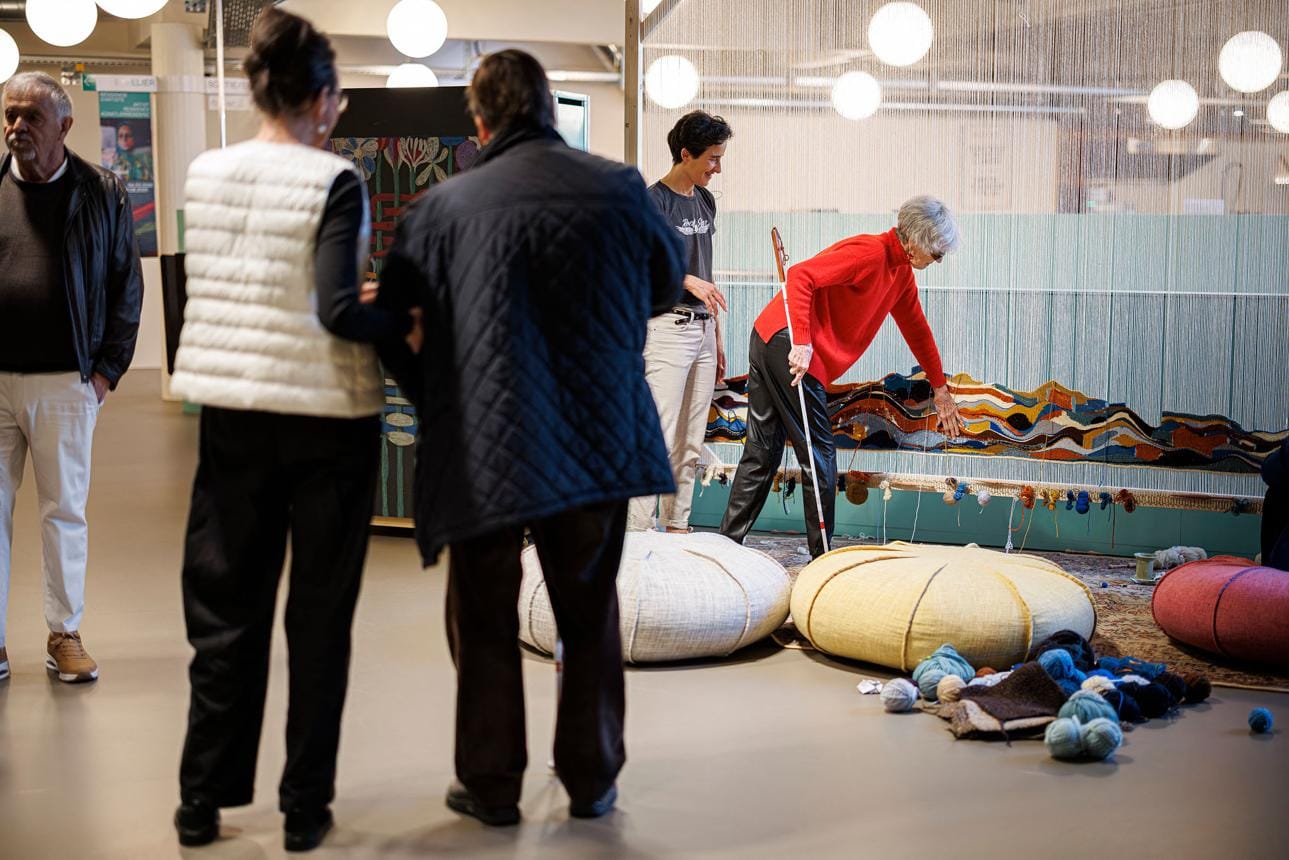

Swiss Cultural Sector Employment Declines in 2025.

The number of people working in Switzerland’s cultural sector declined significantly in 2025, according to new figures published by the Federal Statistical Office.

The report showed that around 282,000 people were employed in cultural professions during the year, representing a decrease of 4.8% compared to 2024. Officials noted that the scale of the decline is similar to the employment drop experienced during the Covid-19 pandemic period between 2019 and 2020.

The decline affected several groups more heavily, particularly male workers, Swiss nationals, and professionals based in French-speaking regions of Switzerland.

The Federal Statistical Office uses a broad definition of the cultural sector. Alongside musicians, performers, and visual artists, the category also includes workers such as graphic designers, museum accountants, and other creative industry professionals.

The report also highlighted concerns about financial well-being among cultural workers. According to survey findings from 2024, people employed in the cultural economy were less satisfied with their income and living conditions compared to the wider Swiss workforce.

More than one quarter of professionals in the cultural sector reported dissatisfaction with their financial situation, while the figure for the general working population was around one fifth.

Experts say the findings underline ongoing challenges facing the arts and creative industries in Switzerland, including economic uncertainty, rising living costs, and unstable income opportunities for freelance and independent workers.

The Federal Statistical Office is expected to release more detailed income-related data for the sector on June 25.

Swiss Air Traffic Controller Skyguide Plans Up

Skyguide has announced plans to reduce its workforce by up to 220 positions by the end of 2027 as part of a major restructuring aimed at improving financial stability and operational efficiency.

The Swiss air traffic control company is responding to rising personnel and systems costs, uncertain revenue forecasts, and increasing European efficiency requirements. Internal complexity has also been cited as a key reason for the planned changes.

The restructuring will be carried out in two phases. Around 90 jobs will be affected between September and November this year, followed by up to 130 additional positions between May and June 2027.

Sites including Geneva-Cointrin and the Dübendorf airfield are expected to be impacted by the cuts, although operational air traffic control roles will remain protected to ensure safety standards are maintained across Switzerland’s airspace.

Skyguide reported total expenditure of CHF 576 million in 2025, including CHF 382 million in personnel costs, highlighting the financial pressure driving the restructuring plan.

The company emphasized that safety and service continuity remain its top priorities. It stated that air traffic operations will continue without disruption throughout the restructuring process.

As part of a formal consultation procedure that began on Tuesday and runs until June 18, Skyguide is working with employee representatives to explore alternatives to job cuts. These include internal transfers, early retirement schemes, reduced external hiring, and limited recruitment.