

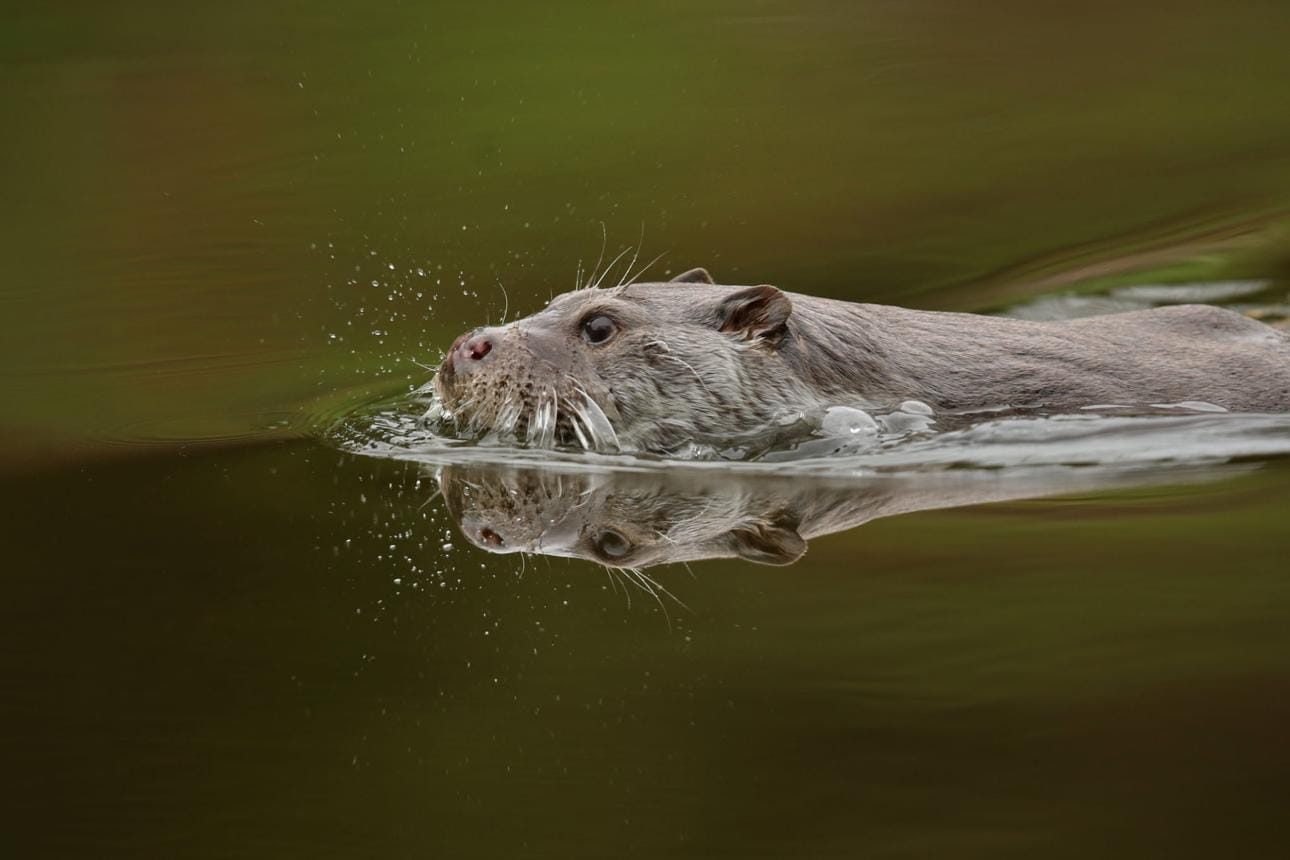

Otter Returns to Switzerland After Decades of Absence.
The otter has returned to Switzerland after disappearing for decades, marking a significant milestone for wildlife conservation efforts. However, environmental organisations warn that its long-term survival depends heavily on continued river restoration and habitat protection across the country.
According to conservation groups Pro Natura and Pro Lutra, multiple otter sightings were recorded in January 2026 across different regions of Switzerland, suggesting a slow but steady natural return of the species.
One of the most notable sightings occurred on January 11 in Selzach in the canton of Solothurn, where snow tracks along the River Aare confirmed otter presence for the first time in 91 years. Another sighting followed on January 15 when a wildlife camera captured an otter swimming in the Linth Canal in the canton of Glarus.
Additional reports of otters, including juvenile individuals, have also emerged from several Swiss cantons such as Graubünden, Bern, St Gallen, Ticino, Lucerne, and Zurich, indicating a wider regional presence.
The species disappeared from Switzerland in the late 20th century, with the last confirmed sighting recorded in 1989 at Lake Neuchâtel. Experts attribute its extinction to hunting, river modification, and water pollution, despite legal protections introduced in 1952 and environmental bans implemented in the 1980s.
Conservationists explain that otters have been able to naturally recolonise Switzerland by travelling through river networks connected to the Danube basin via Austria’s Inn region. This ecological corridor has allowed the species to gradually expand back into Swiss waterways.
However, experts warn that the otter’s survival is still uncertain. The species depends heavily on healthy fish populations, yet studies show that two out of three fish species in Switzerland are currently threatened. Environmental groups stress that river renaturation must be expanded significantly to support aquatic biodiversity.
Authorities currently restore less than half of the 50 kilometres of river habitat required annually by law, raising concerns about long-term ecological balance. Without stronger action, conservationists fear that the otter’s return could remain fragile.
World Otter Day, celebrated on the last Wednesday of May, is used globally to raise awareness about otter conservation. In Switzerland, events are also held on May 27, including educational activities at Muzoo La Chaux-de-Fonds and online webinars focusing on otter species and habitat protection.