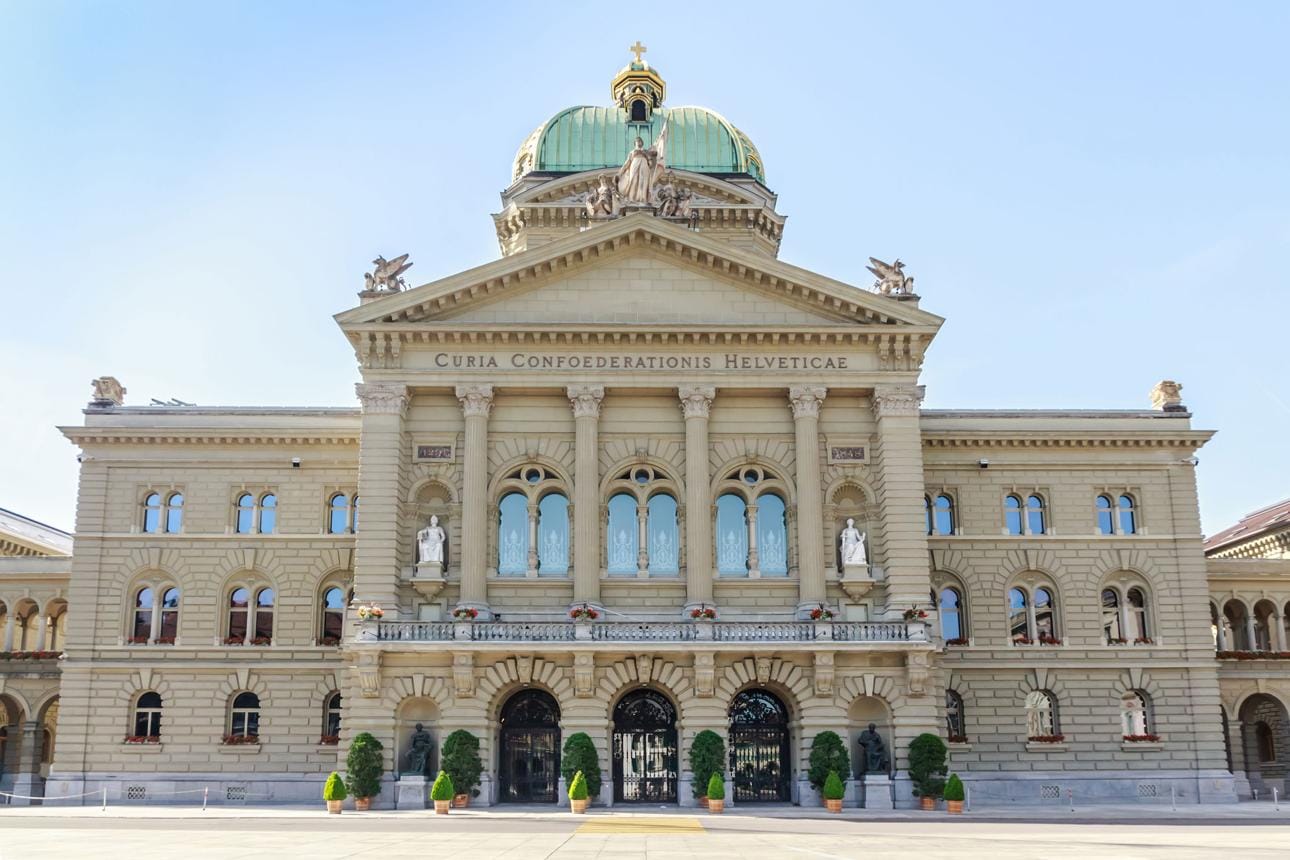

Swiss Senate Backs Deportation Hubs Outside Europe.
Switzerland is considering a major shift in its migration strategy after the Swiss Senate voted in favour of exploring deportation centres outside Europe for rejected asylum seekers. The proposal is designed to strengthen migration management and reduce pressure on the country’s asylum accommodation system.
The concept follows a recent European Union initiative known as “return hubs.” Under this model, asylum seekers whose applications have been rejected would be transferred to dedicated centres located in third countries while awaiting their return to their country of origin. Supporters believe this approach could improve the effectiveness of deportation procedures and strengthen border management policies.
The motion, introduced by Swiss parliamentarian Petra Gössi, received strong backing in the Senate. Advocates argue that Switzerland needs additional tools to ensure that individuals who no longer have the legal right to remain in the country leave in a timely and organised manner. They also believe that closer cooperation with international partners could improve the management of migration challenges.
Supporters say participation in return hub projects could help reduce the burden on Switzerland’s asylum system, particularly as accommodation capacities face increasing pressure. The proposal aligns with broader discussions taking place across Europe regarding migration control and repatriation mechanisms.
However, the plan has also generated criticism. Swiss Justice Minister Beat Jans warned that previous international attempts to establish similar return hubs have produced limited results. He highlighted concerns about legal complexities, finding reliable partner countries and the potential dependence on foreign governments to manage such facilities.
The Swiss government currently prefers a cautious approach and intends to closely monitor developments before making any long-term commitments. While return hubs may eventually complement existing asylum procedures, officials emphasize that they are unlikely to replace Switzerland’s national migration and asylum framework entirely.
The Senate’s decision signals growing political support for tougher migration policies in Switzerland. As discussions continue, the future of return hubs is expected to remain a key issue in Swiss and European migration debates.