

Switzerland Advances Hezbollah Ban as Hamas Restrictions Expand.

Switzerland is moving forward with plans to ban the Lebanese group Hezbollah while also extending its existing ban on Hamas from five years to ten years. The latest measures mark a significant development in Swiss security and counterterrorism policy.

The Swiss government announced on Friday that it has launched a consultation process on a draft law that would officially prohibit Hezbollah activities in Switzerland. The move follows a directive from parliament, which approved motions targeting both Hamas and Hezbollah at the end of 2024.

The consultation period will remain open until October 5, allowing political parties, organizations, and other stakeholders to provide feedback before the legislation moves forward.

Hamas Ban Set for Extension

The ban on Hamas has been in force in Switzerland for the past year. Under the new proposal, the duration of the restriction would be extended from five years to ten years.

Swiss authorities previously justified the Hamas ban by citing the unprecedented terrorist attacks carried out against Israel on October 7, 2023. The government described the measure as an exceptional response to extraordinary circumstances.

Switzerland Balances Security and Neutrality

The Swiss government has repeatedly stated that organization bans should remain rare exceptions. Officials have expressed concerns that creating formal lists of prohibited groups could affect Switzerland’s traditional role as a neutral mediator in international conflicts.

Switzerland has long been known for facilitating dialogue between opposing parties and hosting peace negotiations. According to the government, maintaining that diplomatic role remains an important consideration when introducing such measures.

Parliament Calls for Action Against Hezbollah

Despite reservations about expanding organizational bans, the government stated that it is legally required to implement parliament’s decision regarding Hezbollah.

Lawmakers voted in favor of banning the Lebanese group alongside Hamas, arguing that stronger legal tools are necessary to address security concerns and prevent support activities linked to militant organizations.

The outcome of the consultation process will determine the final structure of the legislation before it is presented for formal approval.

Why This Matters

The proposed Hezbollah ban and extension of the Hamas prohibition reflect Switzerland’s evolving approach to national security while attempting to preserve its international reputation for neutrality and mediation. The decisions could have implications for Swiss foreign policy, security cooperation, and future counterterrorism measures.
Winterthur Stabbing Case: Swiss Probe Digital Evidence.

The Swiss Attorney General’s Office is currently unable to access the electronic devices of a 31-year-old Turkish-Swiss man accused of a knife attack that injured three people in Winterthur, as legal proceedings over data access continue.

Federal prosecutor Stefan Blättler confirmed that the suspect has objected to the search of his laptop and mobile phone. As a result, authorities have submitted an application to the coercive measures court requesting permission to unlock and examine the devices. A decision is still pending.

Blättler explained that investigators are currently unable to review critical digital evidence, including communication records and messages that could reveal the suspect’s contacts before the attack. He emphasized that such information is essential for understanding potential links to other individuals or networks.

According to the prosecutor, electronic devices have become one of the most important sources of evidence in modern criminal investigations. However, legal protections around data “sealing” can delay access. This procedure was originally designed to protect sensitive or unrelated personal data, such as privileged legal correspondence or private information not relevant to investigations.

Blättler noted that while sealing was appropriate in an earlier legal era dominated by paper documents, it has become increasingly challenging in the digital age. He warned that prolonged delays in accessing data could hinder investigations, particularly in urgent cases involving public safety risks.

The federal prosecutor suggested that reforms may be needed to balance privacy protections with investigative urgency. He indicated that authorities may need faster access to seized data in certain cases, while still protecting legally privileged or irrelevant information.

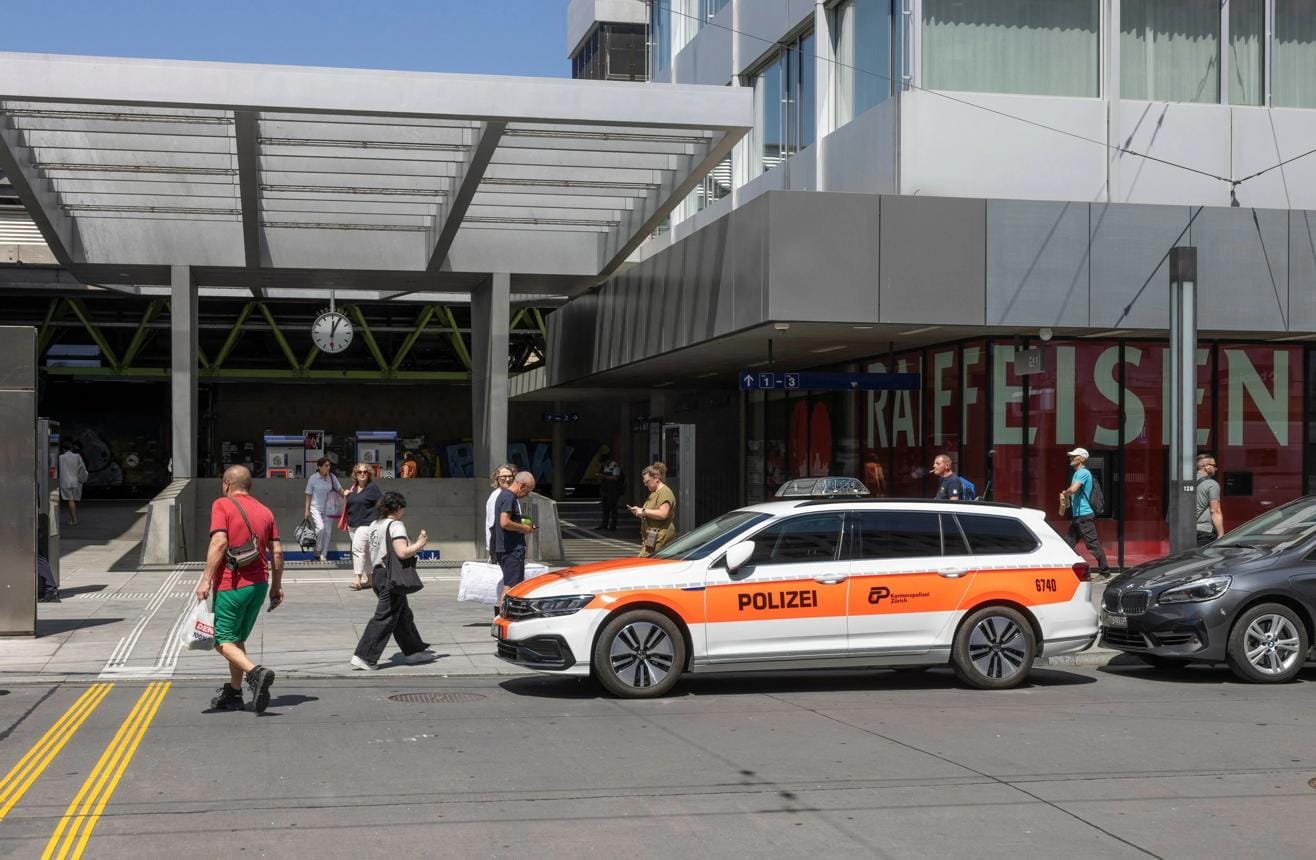
The suspect is currently in pre-trial detention. He is accused of carrying out a violent attack at Winterthur station on May 28, where three men were injured, one seriously. The day before the incident, he had reportedly been in a psychiatric facility.

Swiss authorities have opened a criminal investigation for attempted multiple murder and alleged involvement in or support of a terrorist organization. The case remains under active judicial review as investigators await access to key digital evidence.

Switzerland Warns of Worsening Security Situation

The Switzerland government has warned that the country’s security situation has deteriorated significantly over the past year amid rising geopolitical tensions across Europe and the Middle East.

In its latest national security report released on Wednesday, Swiss authorities stated that growing international instability is increasing pressure on Switzerland to contribute more actively to European security efforts.

The report highlights that Switzerland is being directly affected by Russia’s hybrid warfare strategies, including cyber threats, disinformation campaigns, and espionage activities. Officials also noted that the ongoing conflict in the Middle East continues to create broader security risks and political instability.

According to the government, global geopolitical developments are now having a direct impact on Switzerland’s internal security environment.

Authorities warned that the terrorist threat remains heavily influenced by jihadist movements, while violent extremism from both far-left and far-right groups continues to pose risks inside Europe.