NIFFF 2026 Highlights Folk Horror Revival in Switzerland

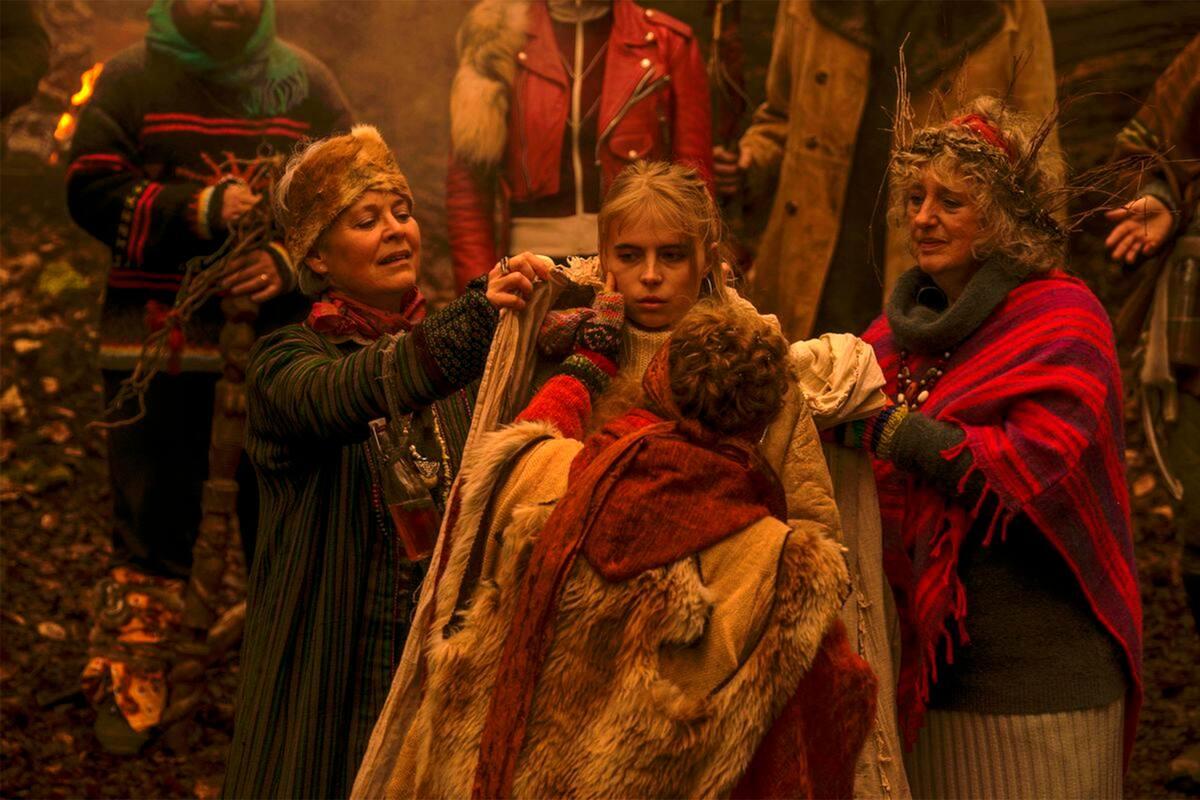
The Neuchâtel International Fantastic Film Festival (NIFFF) will return from July 3 to 11, showcasing 129 films from 33 countries. The 25th edition of the festival will open with Nightborn by Hanna Bergholm, with lead actor Seidi Haarla in attendance.

Organisers say this year’s selection reflects a strong global trend: the resurgence of folk horror. Many of the featured films explore how beliefs, traditions, and community dynamics can become powerful sources of fear and tension.

The international competition includes 14 feature films and highlights a wide range of storytelling styles. Among them are 11 world or international premieres, four European premieres, and 50 Swiss premieres, making this one of the festival’s most diverse editions to date.

The Asian competition section will also feature ten films, showcasing the growing influence of Asian cinema in the global fantasy and horror genre landscape

Festival organisers emphasise that folk horror has become one of the defining cinematic trends of recent years. These stories often blend cultural heritage with psychological and supernatural elements, creating narratives that reflect both tradition and modern anxieties.

To mark its 25th anniversary, NIFFF will welcome three prominent guests of honour. French filmmaker Bertrand Mandico will attend, known for his bold and imaginative fantasy style. Indian director SS Rajamouli, internationally acclaimed for the blockbuster RRR, will also be honoured. British author Samantha Shannon, a leading voice in contemporary fantasy literature, completes the lineup of special guests.

The festival continues to play a key role in promoting genre cinema in Switzerland and internationally, attracting filmmakers, critics, and audiences from around the world.
Switzerland Sends Defence Attaché to Warsaw

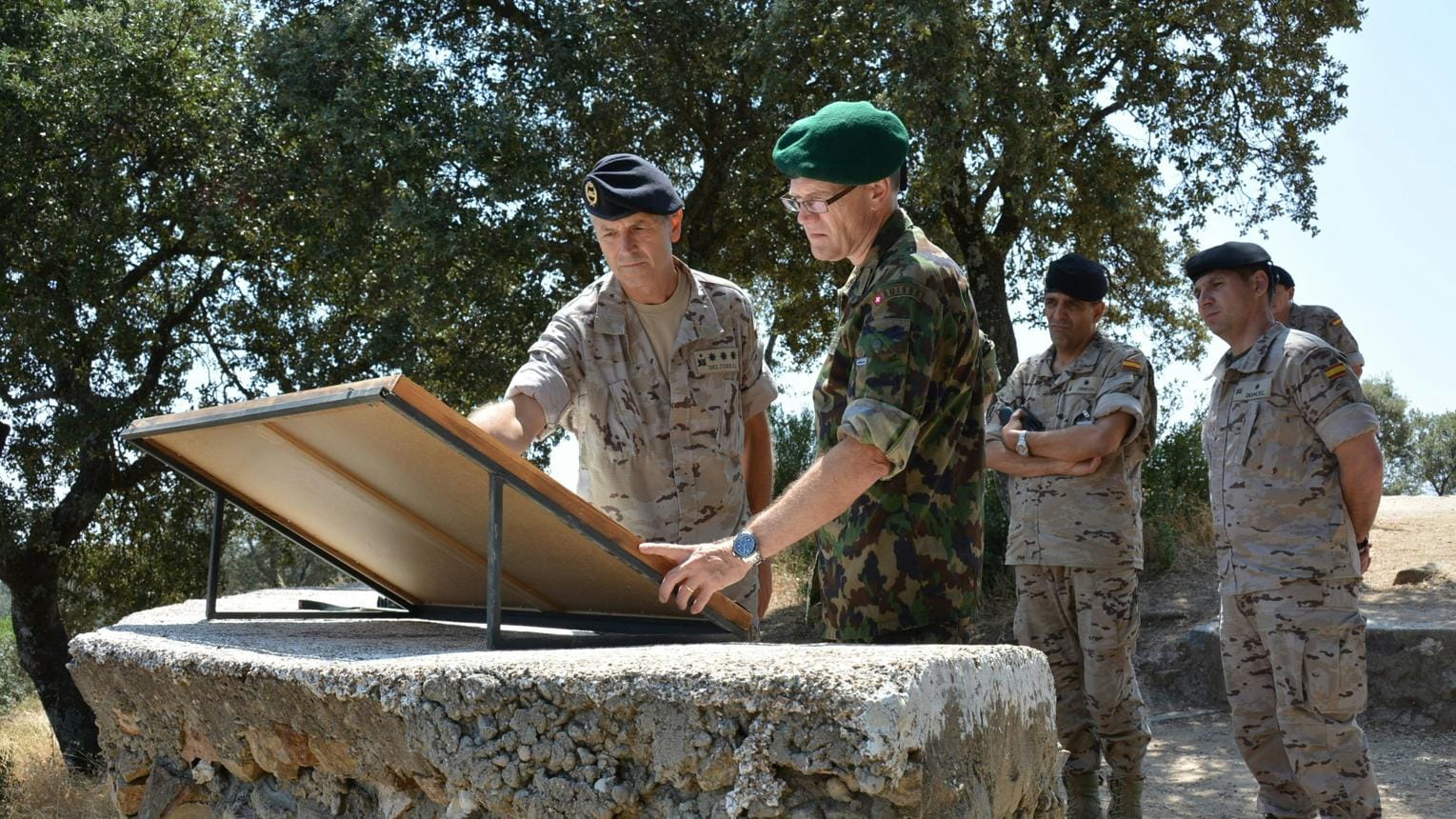
Switzerland has announced that it will send a new defence attaché to Warsaw, Poland, as part of efforts to strengthen its security monitoring and intelligence capabilities in northeastern Europe. The posting is expected to begin in mid-2027.

The Swiss government stated that the decision comes in response to the evolving security environment following Russia’s ongoing war in Ukraine. Officials believe that establishing a presence in Warsaw will help Switzerland better assess regional threats and respond more effectively to potential risks.

According to the government, the new defence attaché will improve the flow of military and security-related information from countries in the region. This enhanced presence is expected to strengthen Switzerland’s “military-diplomatic intelligence capability” and support early detection of emerging security challenges.

Authorities explained that better situational awareness will allow Switzerland to identify risks earlier and conduct more thorough assessments. The initiative will also enhance cooperation between the Swiss Defence Ministry and the Armed Forces in international security matters.

Northeastern Europe, including Poland and the Baltic states, is considered a strategically important region due to ongoing tensions and hybrid threats. These threats include a combination of military pressure, cyber activity, economic influence, and propaganda efforts, particularly linked to Russia and Belarus.

Swiss officials noted that countries in this region have recently experienced various security incidents, including drone-related concerns, which have increased the need for closer monitoring and coordination.

The government also confirmed that additional secondary accreditations could be managed from the new Warsaw post, improving regional coverage. At present, Switzerland maintains 20 defence attachés worldwide, with limited direct presence in northeastern Europe.

Currently, Swiss missions in Germany and Stockholm handle responsibilities for Poland and Estonia. The new Warsaw appointment is expected to close this gap and improve Switzerland’s regional intelligence network.

The resources required for the new position will be reallocated within the Defence Ministry, ensuring no additional financial burden on the federal budget.

Switzerland to Raise VAT to Fund 13th Pension Payment

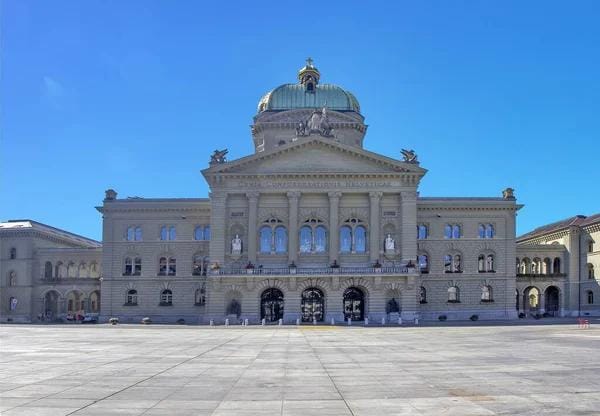
The Swiss parliament has approved a plan to increase value-added tax (VAT) in order to finance the country’s new 13th old-age pension payment. The decision now moves to the public, as voters and cantons must approve the constitutional amendment in a referendum.

Under the approved proposal, the standard VAT rate will rise by 0.4 percentage points starting in 2028. A reduced increase of 0.2 points will apply to the hotel sector, while essential goods such as food and medicines will remain unchanged under the current reduced rate.

Lawmakers had debated for months over how to fund the additional pension payment. The final compromise rejected a mixed funding model that included payroll deductions and instead relied primarily on VAT adjustments.

The House of Representatives approved the measure by 108 votes to 85, while the Senate backed it by 28 votes to 13. Both chambers ultimately supported the compromise put forward by the Conciliation Committee after prolonged discussions.

The 13th pension benefit, which was approved by Swiss voters in a previous referendum, will be paid out for the first time at the end of the year. The program is expected to cost around CHF 4.2 billion in its first year, with costs rising to CHF 5.4 billion by 2040.

Government officials argue that the VAT increase is necessary to ensure long-term sustainability of the old-age pension system. However, the proposal has sparked debate among social and economic groups.

Employers’ associations and business groups have criticized the decision, warning that a permanent tax increase could negatively affect economic competitiveness. They had preferred a temporary VAT adjustment combined with structural reforms.

On the other hand, employee organizations have expressed concern that the chosen funding method may weaken the financial stability of the pension system. They argue that a more balanced solution had been available during negotiations. The final decision now rests with Swiss voters, who will determine whether the VAT increase should be implemented as part of the country’s pension funding strategy.

Why This Matters:

The outcome will have a direct impact on Switzerland’s tax system, pension sustainability, and overall cost of living. It also reflects the ongoing challenge of balancing social welfare commitments with economic stability.

US-Iran Talks in Switzerland Postponed After Lebanon Strikes

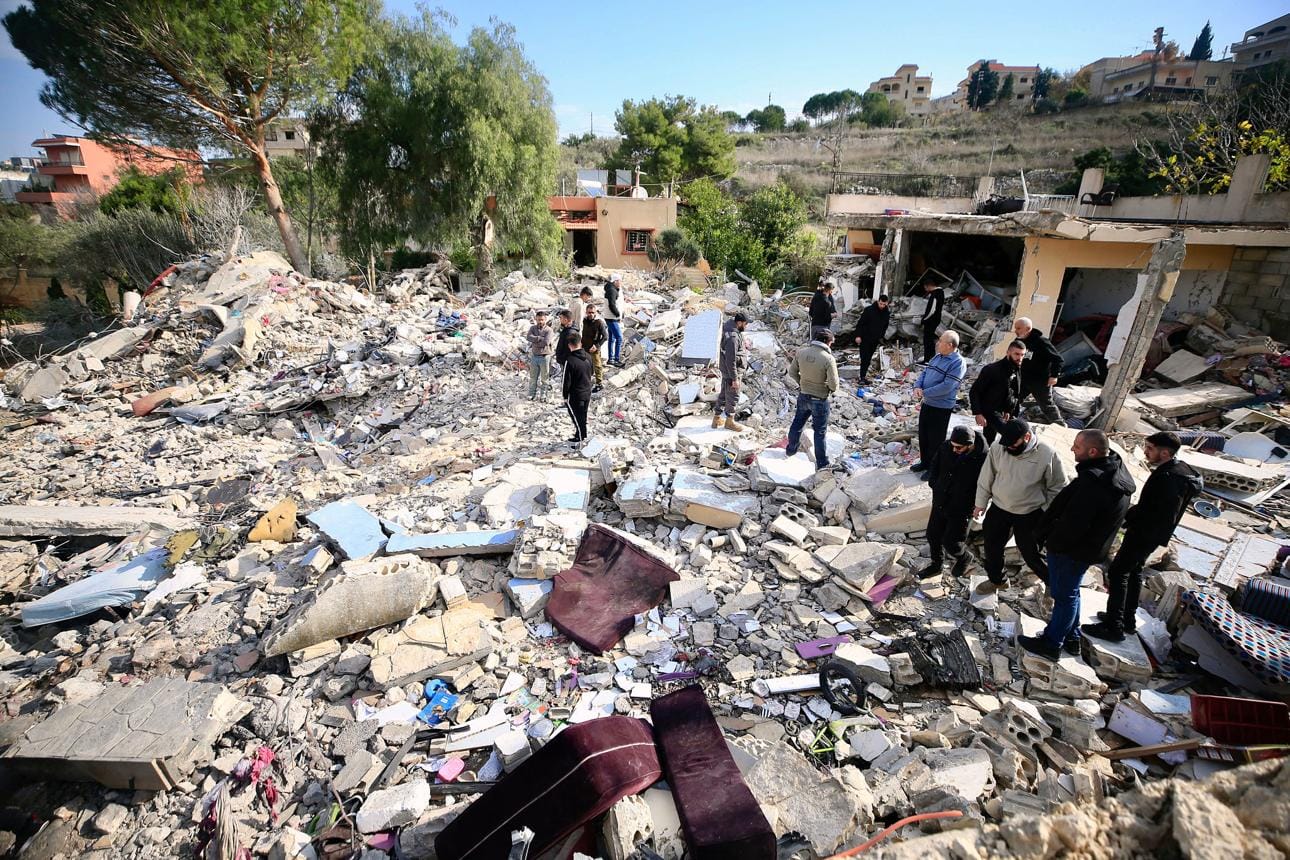
High-level nuclear talks between the United States and Iran, scheduled to take place in Switzerland, have been postponed following a wave of Israeli air strikes in southern Lebanon. The development has further intensified already fragile diplomatic tensions in the Middle East.

According to the Financial Times, citing sources familiar with the discussions, Iran decided not to send its delegation to the Bürgenstock resort near Lake Lucerne, where the negotiations were expected to take place. The decision came after deadly air strikes in Lebanon escalated regional instability.

Diplomatic sources said Iran demanded assurances that hostilities in Lebanon would cease as part of any ongoing negotiations. Mediators are reportedly working to address these concerns in an effort to revive the talks.

One diplomat involved in the process stated that Iran’s position remains firm, summarised as “no Lebanon, no deal.” Tehran reportedly believes that the current situation gives it leverage in negotiations with Washington, particularly regarding Israel’s military actions in the region.

Another source close to the talks said Iran had previously restrained allied groups such as Hezbollah, but argued that the United States had been unable to exert similar influence over Israel. As a result, Iran has refused to proceed with negotiations under current conditions.

The Financial Times reported that Israeli forces conducted more than 80 air strikes in Lebanon, targeting what they described as Hezbollah positions. The strikes reportedly resulted in significant casualties among militants and continued operations in several areas, including the Bekaa Valley.

While discussions were initially expected to resume on Monday, officials now say the timeline remains uncertain and depends heavily on developments in Lebanon and the wider region.

Swiss Parliament Rejects Ban on X Platform

The Swiss Federal Assembly has voted against a proposal to stop using Elon Musk’s social media platform X for official parliamentary communication. Following a heated debate, members of the House of Representatives decided that parliament should continue using the platform to engage with the public and share important updates.

The motion was introduced by Social Democratic Party politician Min Li Marti, who argued that X has changed significantly since Elon Musk acquired the platform in 2022. According to Marti, the platform has seen a rise in misinformation, hate speech, and increasingly radical content. She also raised concerns about the influence of artificial intelligence tools and the spread of harmful information online.

Marti stated that remaining active on X indirectly supports the platform and increases the visibility of problematic content. She argued that public institutions should carefully consider the type of online environment they choose to participate in and promote.

However, opponents of the motion maintained that X remains one of the most effective communication tools available. Roland Rino Büchel, speaking on behalf of the Office of the House of Representatives, said there is currently no alternative platform capable of delivering a similar level of reach and engagement.

Supporters of keeping X also argued that issues such as misinformation and harmful content are not limited to one platform. They noted that withdrawing from X would not solve broader challenges facing digital communication and social media.

After deliberations, the House of Representatives voted 119 to 69, with 11 abstentions, to continue operating the Federal Assembly’s official X accounts. The result confirms that parliament will maintain its presence on the platform for the foreseeable future.

The Parliamentary Services have used X since 2015 to communicate committee activities, parliamentary diplomacy, and important announcements. The Swiss government, numerous political parties, and institutions across Europe, including the parliaments of Austria, Italy, and France, also continue to use the platform.

Why This Matters:

The decision highlights the ongoing debate over the role of social media in public communication. While concerns about misinformation and online content remain, Swiss lawmakers believe X continues to provide valuable access to citizens and a broad audience.

Switzerland Moves to Strengthen Medicine Supply

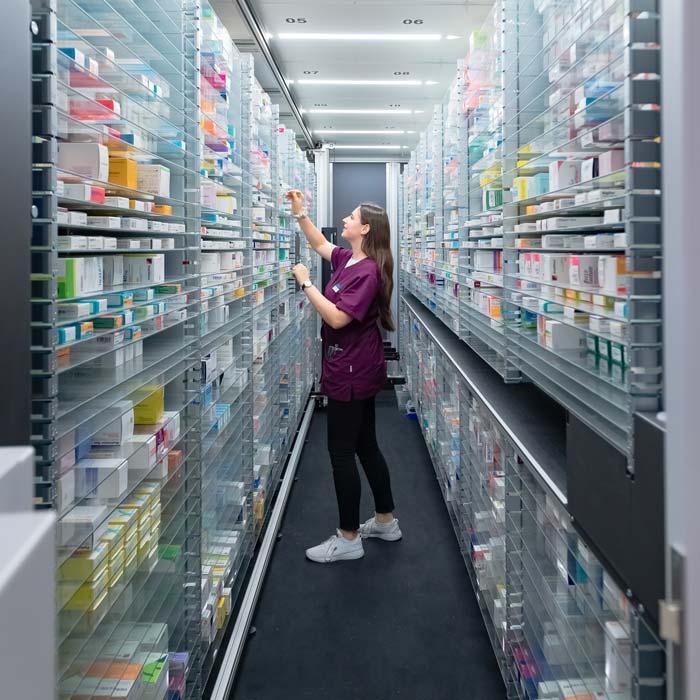
The Swiss government has unveiled a series of measures aimed at improving the country’s medicine supply and reducing the impact of drug shortages. The proposals were announced on Friday as part of a public consultation process that will continue until October 16.

Under the proposed reforms, Switzerland plans to make it easier to import medicines when shortages are expected. Wholesalers and importers could receive temporary permission to bring in medicines that are not yet authorised in Switzerland, helping ensure patients continue to receive essential treatments.

The government also wants to expand the role of pharmacies during supply disruptions. Pharmacies may be allowed to manufacture certain medicines themselves when shortages occur, providing an additional safeguard for patients and healthcare providers.

Another major change involves online medicine sales. The proposed legislation would remove the general ban on mail-order sales of over-the-counter medicines. In the future, licensed chemists could sell and deliver non-prescription medicines online if authorised by their respective cantons.

Swiss authorities believe these measures will improve access to healthcare products while maintaining safety standards. Easier access to medicines could benefit patients, particularly those living in remote areas or facing difficulties visiting pharmacies in person.

The bill also introduces new rules for dispensing medicines. Pharmacies may be permitted to provide individual tablets instead of full packages in certain situations. This approach aims to reduce medicine waste and help combat the growing problem of antibiotic resistance.

In addition, chiropractors could gain the authority to prescribe medicines in a similar way to doctors. Supporters argue that this change would improve treatment efficiency and provide patients with more convenient access to healthcare services.

The consultation period will remain open until October 16, allowing healthcare professionals, industry representatives, and members of the public to provide feedback before the government finalises the legislation.

Switzerland Moves to Ban Nazi Symbols in Public

The Swiss government has proposed a new law that would ban the public display of Nazi symbols, including swastikas and Hitler salutes. The proposal was submitted to parliament as part of efforts to strengthen protections against extremist ideologies and safeguard democratic values.

According to the government, Nazi symbols represent an ideology rooted in hatred, discrimination, and contempt for human life. Officials argue that such symbols are fundamentally incompatible with the principles of a democratic and liberal society.

Under current Swiss law, authorities can prosecute individuals who use Nazi, racist, extremist, or violence-glorifying symbols for propaganda purposes. However, displaying these symbols in public without a clear intention to promote extremist ideas is not currently punishable. The government believes this legal gap should be closed.

If approved, the new legislation would prohibit the public display of clearly identifiable Nazi symbols. This includes objects, gestures, salutes, and tattoos featuring prohibited symbols. Anyone intentionally displaying such symbols in public could face legal consequences.

The proposed law focuses specifically on symbols that are widely recognised as representing Nazi ideology. Following public consultation, the government decided not to ban numerical combinations that may be associated with extremist groups, as they are not immediately recognisable to the general public.

Supporters of the measure argue that banning Nazi symbols sends a strong message against hatred and extremism. They believe the law will help promote respect, tolerance, and social cohesion across Switzerland.

The proposal now moves to parliament for discussion and consideration. If passed, Switzerland would join several European countries that already restrict the public display of Nazi symbols and gestures.

Why This Matters:

The proposed ban reflects Switzerland’s commitment to protecting democratic values and preventing the spread of extremist ideologies. The legislation aims to create a safer and more inclusive society while ensuring that symbols associated with hatred and violence have no place in public spaces.

Swiss Government Launches Probe into Historic Yenish Injustices

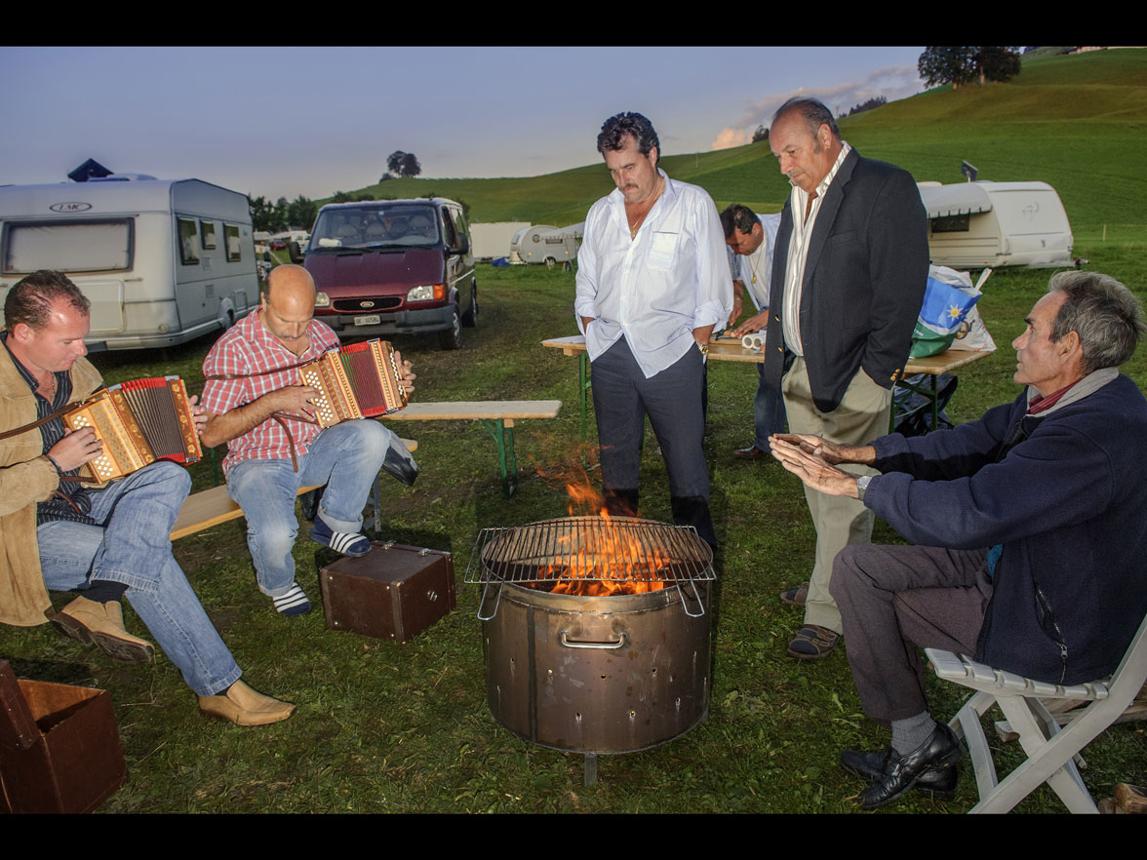
Switzerland has announced plans to establish an independent commission to investigate historic injustices suffered by the Yenish and Sinti communities. The decision was communicated to representatives of the nomadic minority groups during a meeting with the Federal Department of Home Affairs (EDI).

The Swiss government stated that a comprehensive and independent investigation is necessary to uncover the truth about past actions that affected these communities. Officials believe that a transparent process will help address long-standing concerns and provide a clearer understanding of historical events.

The commission will be responsible for gathering evidence, reviewing historical records, and examining the treatment of the Yenish and Sinti peoples over several decades. Authorities aim to ensure that the investigation is conducted fairly and according to legal standards while considering the expectations of those directly affected.

Academics and advocacy groups have previously called for an independent inquiry into the persecution faced by these minority communities. Concerns were raised regarding limited access to historical records and the need for a more detailed examination of past government policies and actions.

Representatives of the affected communities have welcomed the move, describing it as an important step toward recognition, accountability, and historical transparency. Many believe that a full investigation will help document experiences that have not received sufficient public attention.

Swiss authorities will now continue working on the legal framework and mandate of the commission. The process is expected to take time, but officials emphasize that establishing the facts remains a priority

The initiative reflects Switzerland’s ongoing efforts to confront difficult chapters of its history and strengthen protections for minority communities. As preparations continue, many observers see the commission as a significant development in the country’s commitment to human rights and historical justice.

Why This Matters:
The investigation could provide long-awaited answers for affected families and contribute to a broader understanding of Switzerland’s treatment of minority groups. It also highlights the importance of accountability, transparency, and preserving historical memory for future generations.

Switzerland Weighs Extending Status S for Ukrainians Until 2027

The Swiss government is considering extending Protection Status S for Ukrainian refugees until 2027, citing the ongoing conflict in Ukraine and the lack of any immediate prospect for peace.

Swiss authorities announced that they are currently consulting with cantons, cities, municipalities and other partners before making a final decision. The consultation process follows discussions held at the National Asylum Conference in November 2025.

The State Secretariat for Migration (SEM), together with regional authorities, has developed a strategic framework outlining the future of Protection Status S. The concept paper explores three possible scenarios: maintaining the current protection status, ending it if a stable ceasefire is achieved, or gradually phasing it out if the conflict continues over a longer period.

The Federal Council reviewed the proposal during its latest meeting and considers it an important basis for future decisions regarding Ukrainian refugees in Switzerland.

A final decision is expected before the end of the summer after consultations are completed. Authorities are also seeking opinions on whether Ukrainian citizens of military conscription age should continue to receive the same level of protection under Status S or whether special restrictions should be introduced.

The issue is also under discussion within the European Union. Switzerland has coordinated closely with EU countries on refugee protection measures since the start of the war and intends to maintain that cooperation.

The future of Status S is particularly significant because the war in Ukraine has now continued for nearly five years. Under Swiss asylum law, individuals under temporary protection may become eligible for a residence permit if Protection Status S remains in force for five years without being lifted.

Swiss officials emphasize that any future decision will balance humanitarian responsibilities, legal obligations and long-term integration considerations for those affected by the conflict.

Swiss Ski Resort Closes Due to Climate Change.

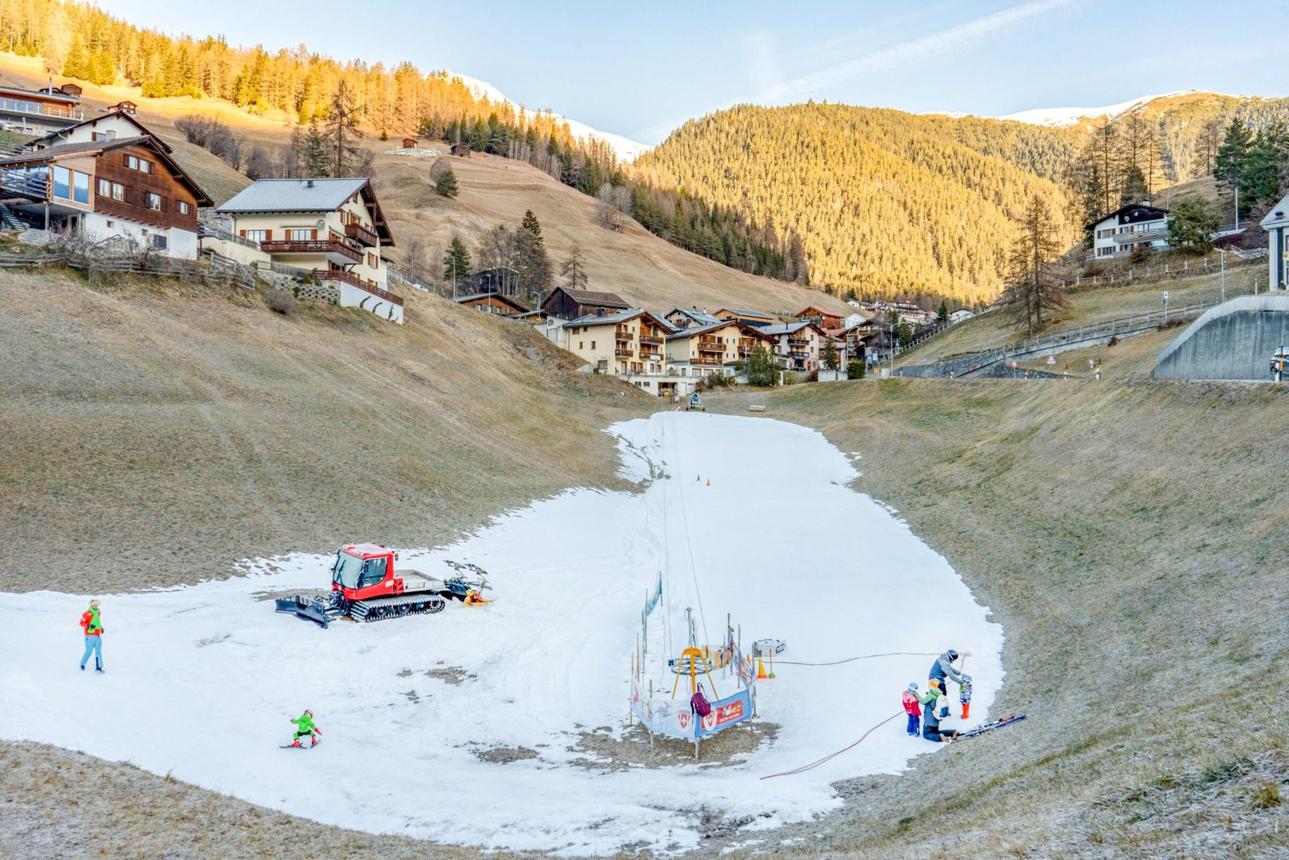
The picturesque Swiss mountain village of Braunwald is preparing for a major transformation after announcing the end of traditional ski operations due to the growing impact of climate change.

Sportbahnen Braunwald confirmed that skiing activities will be discontinued from the 2026/27 winter season, marking a significant change for one of the region’s long-standing tourism attractions.

According to the company, rising operational costs, unpredictable snowfall, and changing visitor preferences have made the existing business model financially unsustainable. Following an extensive review, officials concluded that continuing traditional ski operations was no longer a viable option.

The decision highlights the increasing challenges facing mountain resorts across the Swiss Alps. Warmer winters and shorter snow seasons are forcing many destinations to rethink their tourism strategies and adapt to a changing climate.

In response, local tourism organizations, Visit Glarnerland, and regional stakeholders have launched a collaborative initiative to develop a new vision for Braunwald’s future. The project aims to create sustainable tourism opportunities that can attract visitors throughout the year rather than relying solely on winter sports.

Richard Bolt, Chairman of Sportbahnen Braunwald, emphasized that the challenges are too significant for any single organization to address alone. A series of workshops will now bring together local authorities, tourism experts and community representatives to develop long-term solutions.

The municipality of Glarus Süd and the Canton of Glarus have pledged support for the transformation project. Funding opportunities from regional and federal development programs are also being explored to help finance future initiatives.

The strategic planning process is expected to take approximately six months, with stakeholders aiming to establish a sustainable tourism model that can secure Braunwald’s economic future while adapting to climate realities.

As climate change continues to affect snow reliability across Europe, Braunwald’s decision may become a model for how Alpine communities reinvent themselves for a changing world.