Swiss Government Covers Security Costs for Donald Trump Jr.’s Zurich Visit

The Swiss federal government has confirmed that it covered the security costs associated with Donald Trump Jr.’s private visit to Zurich in early June, although officials have declined to reveal the exact amount spent on the operation.

Donald Trump Jr., the son of US President Donald Trump, attended a private business gathering held at the historic Zunfthaus zur Saffran in Zurich. The closed-door event brought together around 70 guests from the worlds of business and politics and was followed by a private dinner.

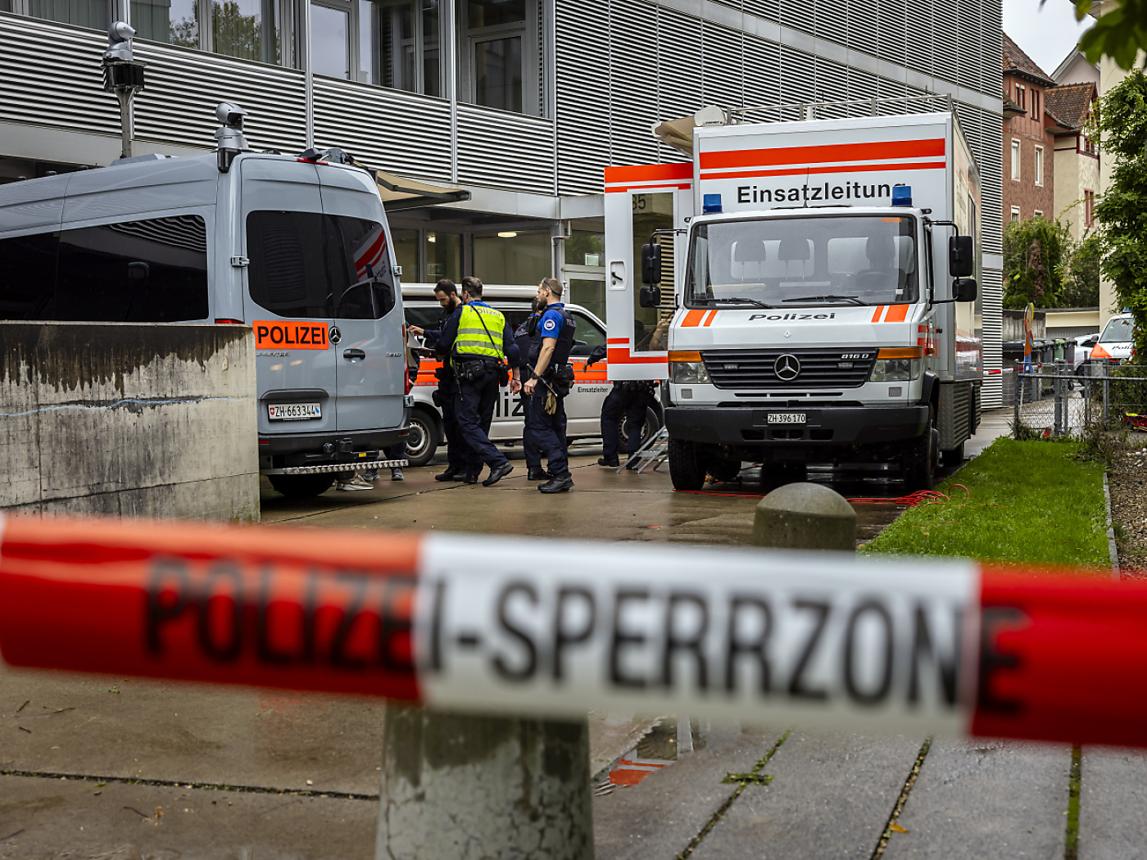
The meeting was organized by the Davos Lodge networking platform and attracted significant attention due to the extensive police presence deployed around the venue.

Large Security Operation in Zurich

According to Zurich City Police, the entire cost of the security operation was charged to the Federal Office of Police (Fedpol). Authorities confirmed that the city police acted under instructions from Fedpol and served as the operational force responsible for implementing the security measures.

The scale of the police deployment has raised public questions about who should bear the costs of protecting high-profile visitors attending private events in Switzerland.

Who Pays for Security?

Fedpol explained that, in principle, private organizers are generally responsible for covering security costs when they invite individuals who require special protection.

However, exceptions can be made when an event is considered to have significant importance for Switzerland’s international relations or economic interests. In such cases, cantonal authorities may apply for reimbursement from the federal government.

Officials did not clarify under which specific criteria the Zurich event qualified for federal funding.

Cost Remains Confidential

Neither Fedpol nor Zurich City Police have disclosed the total cost of the operation. Authorities stated that releasing detailed figures could reveal sensitive information about security planning and operational procedures.

As a result, the exact amount paid by Swiss taxpayers for the security arrangements remains unknown.

Political and Public Interest

The visit has sparked debate over public funding for security at private events involving internationally prominent figures. Supporters argue that ensuring safety for high-profile guests is necessary, while critics question whether public resources should be used for privately organized meetings.

The issue is likely to continue attracting attention as Switzerland balances security obligations, public transparency, and the hosting of influential international visitors.
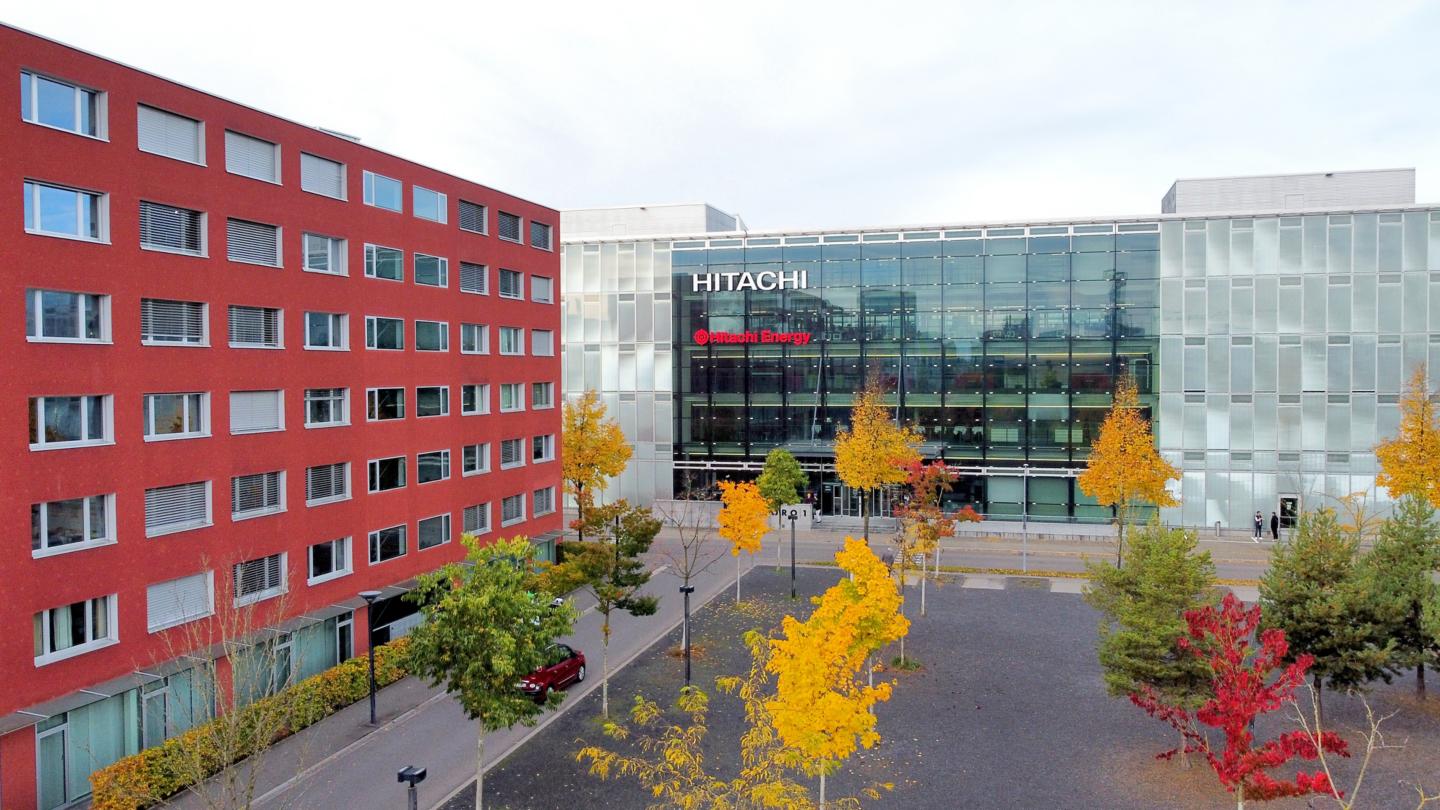
Hitachi Energy to Build New Swiss Headquarters Near Zurich

The technology group Hitachi Energy is set to establish its new Swiss headquarters in Otelfingen, located in the canton of Zurich, marking a significant investment in Switzerland’s industrial and technology sector.

According to a statement from the Otelfingen municipal council, the decision has been warmly welcomed locally, as the project is expected to bring substantial economic benefits to the region.

The new headquarters will be developed on the site of the former Jelmoli distribution centre and surrounding areas, covering approximately 11 hectares of land. The large-scale development highlights Hitachi’s long-term commitment to expanding its operations in Switzerland.

A key feature of the project is the creation of up to 3,000 jobs, which is expected to strengthen the local labor market and attract skilled professionals to the region. This development is seen as a major boost for the Zurich metropolitan area.

The municipality of Wettingen in the canton of Aargau had also competed for the project, hoping to secure the investment and associated tax revenues. However, Hitachi ultimately chose Otelfingen, meaning the economic benefits will now flow into the canton of Zurich instead.

Officials view the project as a strategic win for the region, reinforcing Zurich’s position as a key hub for international technology and energy companies.

The development also reflects Switzerland’s continued attractiveness for global corporations seeking stable infrastructure, skilled labor, and strong economic conditions.

Zurich Introduces New Building Law Changes for 2025–2026

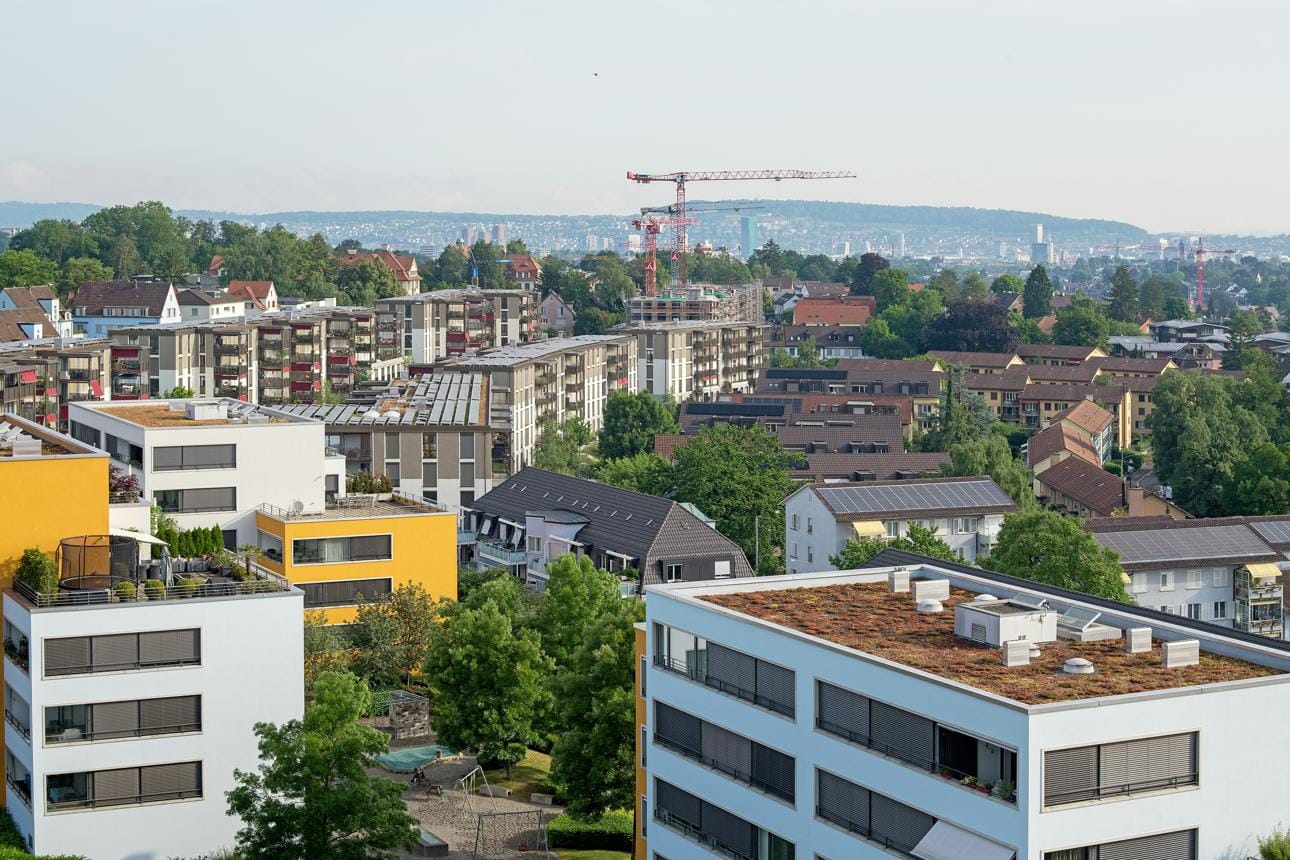
The canton of Zurich is implementing significant updates to its construction and land-use regulations between 2025 and 2026. These changes aim to control urban development, protect green spaces, and improve housing availability across the region.

Stricter rules outside construction zones (RPG 2)

A major change comes from the revised Swiss federal spatial planning law, known as RPG 2, which will take effect from 2026. Under this reform, strict limitations will be imposed on new construction outside designated building zones (Ausserhalb Bauzone). This means that new developments in rural or protected areas will face stronger approval restrictions.

The canton of Zurich is currently adjusting its Planning and Building Law (PBG) to align with these federal requirements.

Zurich city revises zoning regulations (BZO)

Zurich city is also undergoing a full revision of its Building and Zoning Ordinance (BZO). The main objectives include:

  • Increasing housing supply
  • Expanding affordable housing
  • Protecting green and open spaces
  • Managing urban densification more effectively

Although the new rules are still being finalized, they are already influencing how building applications are evaluated by authorities.

Cantonal PBG amendments in effect from 2026

In addition, the Zurich cantonal council approved several amendments to the Planning and Building Law (PBG) in early 2026. Some of these changes will officially take effect from August 1, 2026.

These adjustments include technical updates to construction limits, approval procedures, and regulatory definitions that impact how building permits are processed. Overall, Zurich is moving toward a more controlled and structured urban development model. While these reforms aim to support sustainable housing growth, they also introduce stricter requirements for developers and private builders, especially outside official construction zones.

Swiss Teen to Face Trial Over Knife Attack in Zurich

A Swiss teenager is set to stand trial in Zurich over a serious stabbing incident that took place in March 2024, in which an Orthodox Jewish man was severely injured. The case has raised widespread concern across Switzerland and sparked strong political reactions.

The trial will begin on July 1 at the Dielsdorf District Court and is expected to last one day. The court has already scheduled the verdict, which is expected to be announced on July 7. Due to the defendant being a minor, the proceedings will not be open to the general public.

According to the youth prosecution service, the then 15-year-old Swiss national with Tunisian roots allegedly carried out a knife attack on an Orthodox Jewish man on a street in Zurich, causing life-threatening injuries. The victim survived but required urgent medical attention.

Investigators also allege that the teenager had been radicalised online prior to the attack and had expressed allegiance to Islamic State. Authorities further claim he attempted to target Jewish individuals and had tried to break into a synagogue before the stabbing incident.

The charges against the accused include multiple counts of attempted murder, alleged support of a criminal organisation, and incitement to hatred and discrimination. Prosecutors argue that the actions were part of a broader pattern of extremist intent.

The incident triggered strong political reactions in Switzerland. Zurich’s security director, Mario Fehr, publicly called for stricter measures and even suggested the possibility of deportation in response to the severity of the attack.

The case has reignited debate in Switzerland about youth radicalisation, online extremism, and the challenges of preventing hate-motivated violence. Authorities continue to stress the importance of monitoring online activity and strengthening prevention programs to address radicalisation at an early stage.

As the trial approaches, the case remains one of the most closely watched criminal proceedings involving a juvenile in recent Swiss legal history.

ETH Zurich Safely Removes Hazardous Chemical.

A major safety operation at ETH Zurich concluded successfully after specialists removed and transported a highly hazardous chemical substance from a former research facility. The operation was completed without any incidents, allowing evacuated residents to return to their homes later the same day.

Authorities temporarily evacuated nearly 270 residents living near the affected area as a precautionary measure. The evacuation was part of a carefully coordinated plan designed to ensure public safety while experts handled the dangerous material.

The substance involved was a gas cylinder containing chlorine trifluoride, a chemical widely recognized as one of the most hazardous compounds used in scientific research. Specialists transferred the cylinder into a specially designed recovery container before transporting it away for secure handling and disposal.

The operation began on Sunday morning and involved close coordination between ETH Zurich, emergency services, and Zurich cantonal police. Safety measures remained in place for several hours while teams completed the transfer process inside a secure laboratory environment.

Following the successful completion of the operation, authorities lifted evacuation orders and temporary traffic restrictions. Residents were allowed to return to their homes after officials confirmed that the area was safe.

Police reported that the entire operation proceeded according to plan and that all activities were carried out under strict safety protocols. No injuries, leaks, or unexpected incidents occurred during the removal process.

According to ETH Zurich, chlorine trifluoride was previously used in geological research to analyze rock samples. The chemical is highly toxic and can ignite rapidly when exposed to certain materials, making specialized handling procedures essential.

The successful operation highlights Switzerland’s strong emergency preparedness and commitment to public safety when dealing with hazardous scientific materials. Officials praised the cooperation between emergency responders, researchers, and local residents throughout the process.

Swiss Flight LX155 Makes Emergency Return to Mumbai.

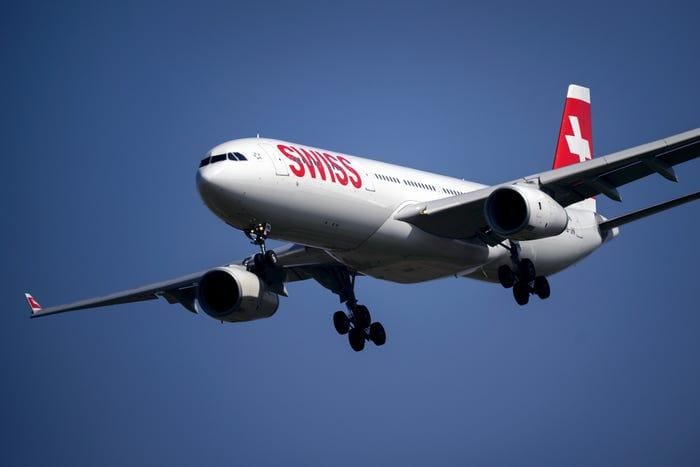
A Swiss International Air Lines flight Swiss International Air Lines carrying 231 passengers from Mumbai to Zurich was forced to return and make an emergency landing in Mumbai after a technical malfunction was detected mid-flight.

The Airbus A330 aircraft, operating as flight LX155, initially departed from Mumbai as scheduled. However, approximately two hours into the journey, pilots detected an electrical system fault that could not be resolved during flight.

As a precaution, the flight crew decided to divert the aircraft back to its departure airport in Mumbai. The aircraft had already flown for over five hours before finally returning.

Before landing, the plane was required to burn a significant amount of fuel for safety reasons. Since the Airbus A330 is not equipped with a fuel jettison system, the aircraft circled over the Arabian Sea for approximately 130 minutes at an altitude of nearly 4,000 meters.

During this time, the aircraft completed multiple holding patterns while safely reducing fuel levels to meet landing requirements. This procedure is standard in long-haul aviation safety operations when immediate landing conditions must be managed.

Following the fuel burn procedure, the aircraft successfully landed back at Mumbai airport without any reported injuries among passengers or crew members.

Authorities and airline engineers are expected to carry out a detailed technical inspection to determine the cause of the electrical system failure before the aircraft is cleared for future operations.

The incident highlights the strict safety protocols followed in international aviation, where passenger safety remains the highest priority even if it requires long delays and route disruptions.

Swiss Government Boosts Funding for Global Sports Events.

The Swiss government has announced additional financial support for major international sporting events scheduled to take place across the country between 2027 and 2029. The Federal Council is proposing two supplementary credits totaling CHF8.24 million to help Switzerland host world-class competitions and strengthen the nation’s sporting profile.

Officials believe that international sporting events generate significant benefits beyond athletics. Major tournaments contribute to economic growth, tourism, community engagement, and the promotion of both elite and grassroots sports. Recent successes, including the Ice Hockey World Championship and the UEFA Women’s Euro tournament, demonstrated the positive impact such events can have on Switzerland.

The proposed funding package includes CHF5.24 million to support the organization and hosting of international competitions. An additional CHF3 million will be allocated to sports development initiatives linked to these events, helping to encourage participation and long-term growth in various sports disciplines.

Several major championships are set to benefit from the funding. The 2028 Judo World Championships in Lausanne will receive CHF1.4 million, while the 2028 European Men’s Handball Championship in Zurich will be supported with CHF1.15 million. The 2027 World Rowing Championships in Lucerne will receive CHF825,000.

Additional funding has been proposed for the 2029 Women’s European Basketball Championship in Geneva, the 2027 European Figure Skating Championships in Lausanne, and the 2027 Short Course Swimming Championships in Basel. Support will also be provided for the 2028 World Bobsleigh and Skeleton Championships in St. Moritz.

The government also plans to extend the deadline for financial assistance under the National Sports Facilities Programme (CISIN 5), ensuring continued support for sports infrastructure projects of national importance.

By investing in these events, Switzerland aims to strengthen its reputation as a leading international sports destination while creating lasting economic and social benefits for local communities.

Finland Denies Switzerland Ice Hockey Gold.

Switzerland’s dream of winning the Ice Hockey World Championship on home ice came to a heartbreaking end on Sunday night as Finland secured a dramatic 1-0 victory in overtime.

The final, played in front of a passionate Swiss crowd, remained scoreless throughout regulation time before Finland found the breakthrough shortly after 11pm. The decisive goal handed Finland its fifth world championship title and left Swiss supporters devastated.

Across Zurich, thousands of fans gathered in bars, restaurants, and public viewing areas to support the national team. Popular locations along Langstrasse were filled with hopeful supporters who cheered loudly throughout the match. However, moments after Finland scored the winning goal, the celebrations instantly turned into silence.

Switzerland entered the final with high expectations after reaching the championship match for the third consecutive year. Having finished as runners-up in the previous two tournaments, many believed this would finally be the year the Swiss team lifted the gold medal in front of its home fans.

The official fan zone in Zurich’s Altstetten district also attracted huge crowds despite weather disruptions earlier in the day. Authorities temporarily closed the area due to severe thunderstorms before reopening it as fans returned in large numbers.

Although the defeat was painful, Switzerland’s performance throughout the tournament earned widespread praise. Reaching another World Championship final and securing the silver medal confirmed the country’s status as one of the strongest ice hockey nations in the world.

To recognize the team’s remarkable achievement, Zurich will host a special reception for the players at Volkshaus. Fans will have an opportunity to celebrate the silver medal winners and thank them for an unforgettable tournament.

While the gold medal slipped away in overtime, the Swiss team once again demonstrated determination, skill, and resilience, giving supporters plenty of reasons to be proud despite the disappointment.

Three Injured in Winterthur Station Knife Attack

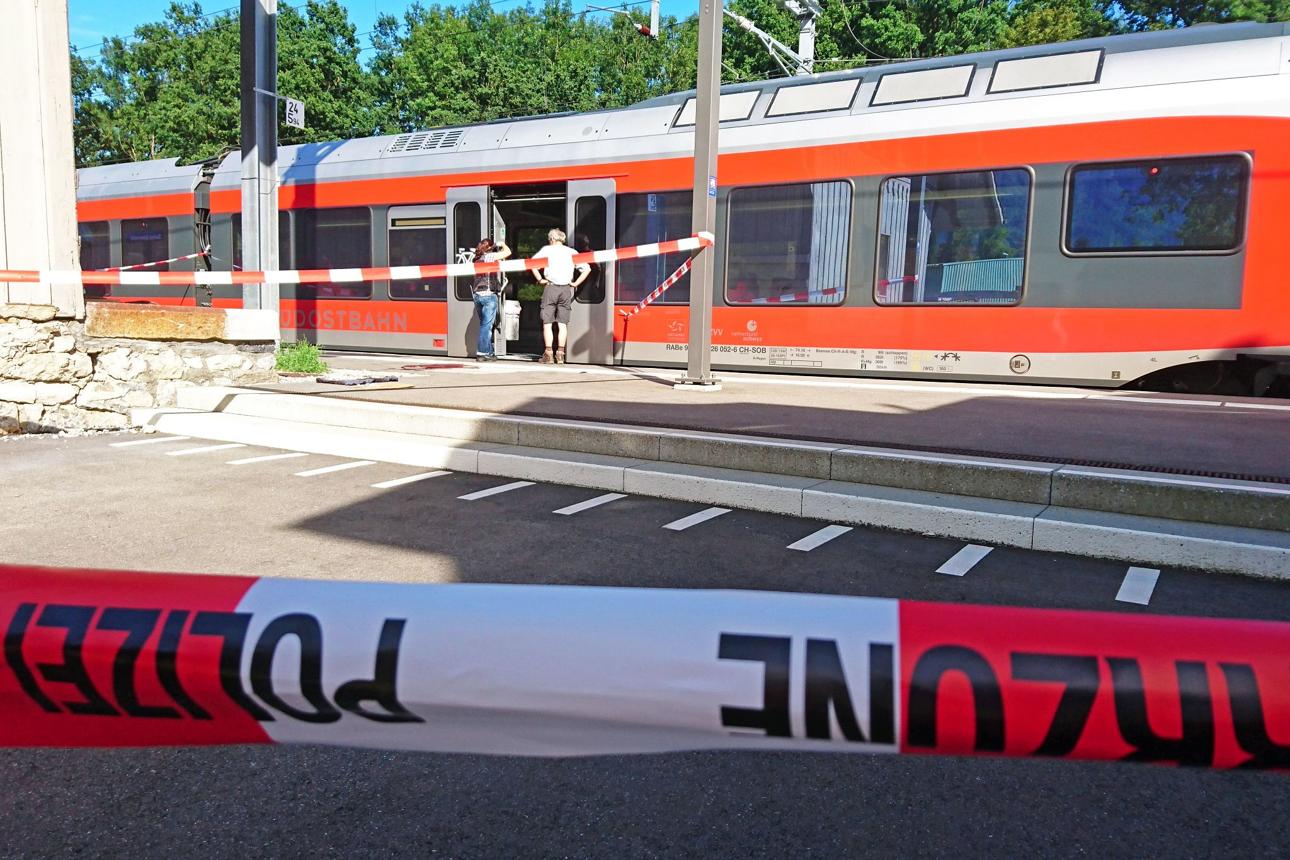
Three people were injured in a knife attack at Winterthur railway station in Switzerland’s Zurich canton, prompting a swift police response and the arrest of a suspect.

According to Swiss police, the incident occurred around 8:30 AM during the morning rush hour when commuters and students were present at the station. The victims, aged 28, 43, and 52, are all Swiss nationals. They were immediately taken to hospital for medical treatment after sustaining injuries. Authorities have not yet released updates on their current conditions.

Police confirmed that a 31-year-old Swiss man was arrested shortly after the attack. He is suspected of using a sharp weapon during the incident, and investigators are currently working to determine the motive behind the attack.

A witness working in a nearby office building reported hearing the suspect shout a phrase in Arabic shortly before the attack. However, authorities have not confirmed any motive, and they have urged the public to avoid speculation until the investigation is complete.

The incident caused panic at the busy station, especially as many schoolchildren were present at the time. Emergency services quickly secured the area and provided assistance to the injured.

Swiss authorities continue to investigate the case, focusing on the suspect’s background and the circumstances leading up to the attack.

Zurich Emerging as Europe’s Quiet Art Hub.

Zurich is positioning itself as a rising cultural destination in Europe, offering visitors a quieter alternative to crowded art capitals like Paris and Florence.

The Swiss city is home to the Kunsthaus Zürich, which expanded in 2021 with a major extension designed by David Chipperfield. The museum now holds one of the most significant art collections in Switzerland, featuring works from 800 years of art history, including pieces by Giacometti, Monet, Cézanne, Picasso, Van Gogh, and Warhol.

Cultural activity is growing around the Zurich Gallery Mile, especially during Zurich Art Weekend, where galleries host exhibitions, talks, performances, and guided art walks across the city.

In the Zurich-West district, the former 19th-century Löwenbräukunst-Areal has been transformed into a major contemporary art hub, now housing multiple galleries, including Hauser & Wirth.

The Museum Rietberg near Lake Zurich offers a different experience, focusing on non-European art from Asia and beyond, including Indian paintings, Japanese prints, and Chinese lacquerware.

A short train ride away in Baden, the recently reopened Museum Langmatt showcases a private collection of French Impressionist masterpieces, adding further depth to the region’s cultural appeal.

Together, these institutions highlight Zurich’s growing reputation as a calm yet rich European art destination.