Swiss Cantons Face Rising Refugee Costs.

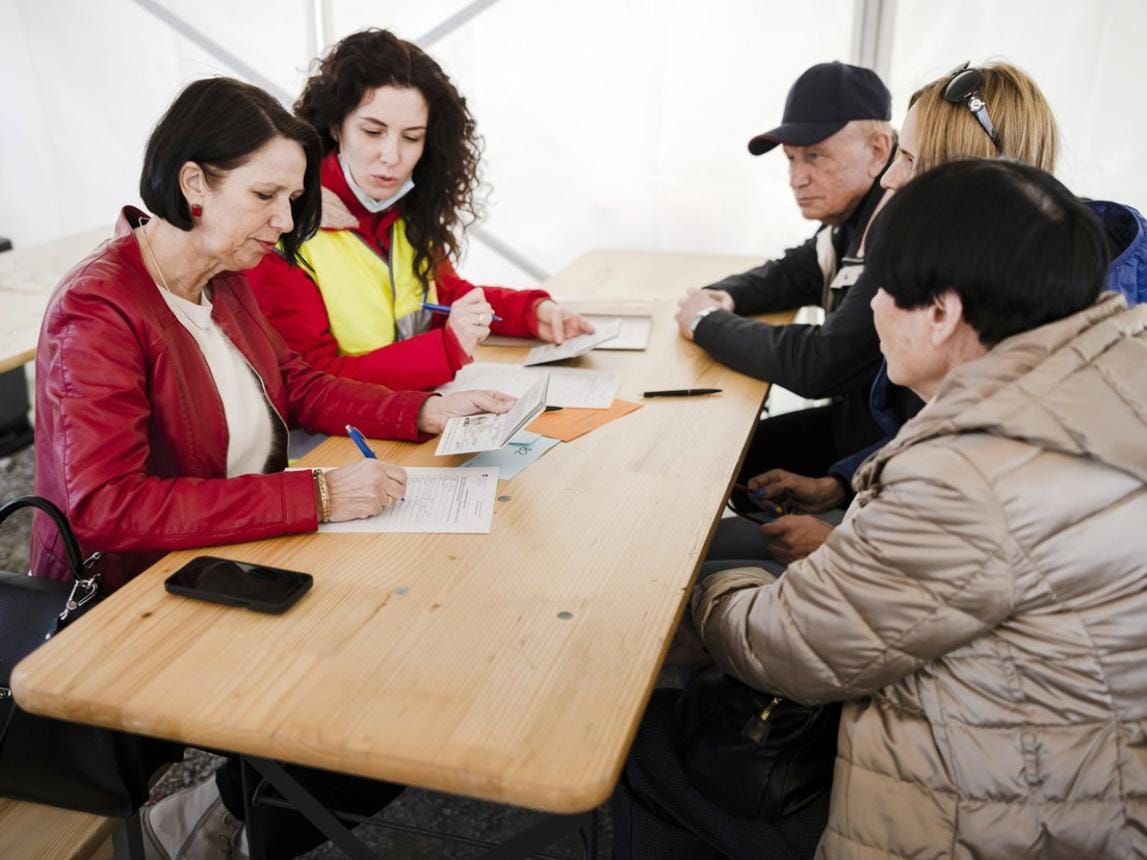
Swiss cantons and municipalities are preparing for a significant financial challenge as Ukrainian refugees with Protection Status S begin transitioning to regular social assistance from 2027. Local authorities estimate that the nationwide additional burden could reach approximately CHF300 million annually, raising concerns about future budgets and public spending.

Municipal leaders across Switzerland are urging the federal government to provide clear guidance and financial support before the transition takes effect. Bruno Tüscher, Mayor of Münchwilen in the canton of Aargau, warned that without federal assistance, municipalities may face higher tax pressures. He stated that the added costs could increase local tax rates by around three percent, placing additional strain on communities already managing rising expenses.

The canton of Aargau expects municipalities to absorb roughly CHF25 million in extra costs once refugees move to the standard welfare system. Local officials are seeking urgent clarification as they begin preparing financial plans and budgets for the coming years.

Graubünden has also calculated the potential impact. Authorities estimate that around 900 refugees could transition to regular social assistance, creating annual costs of approximately CHF5.4 million. The city of Chur alone may be responsible for CHF2.2 million of that amount. City Councilor Patrik Degiacomi noted that current estimates represent a best-case scenario and warned that actual costs could rise further if economic and social conditions change.

The upcoming policy shift has sparked debate across Switzerland about how refugee support should be funded and shared between federal, cantonal, and municipal governments. While many officials continue to support humanitarian assistance for those displaced by the war in Ukraine, they are also calling for a sustainable financial framework that protects local services and taxpayers.

As 2027 approaches, Swiss cantons are increasing pressure on federal authorities to address funding concerns and provide long-term solutions. The issue is expected to remain a major topic in Swiss political and economic discussions as governments balance humanitarian commitments with fiscal responsibility.
Swiss Spring 2026 Among Warmest on Record.

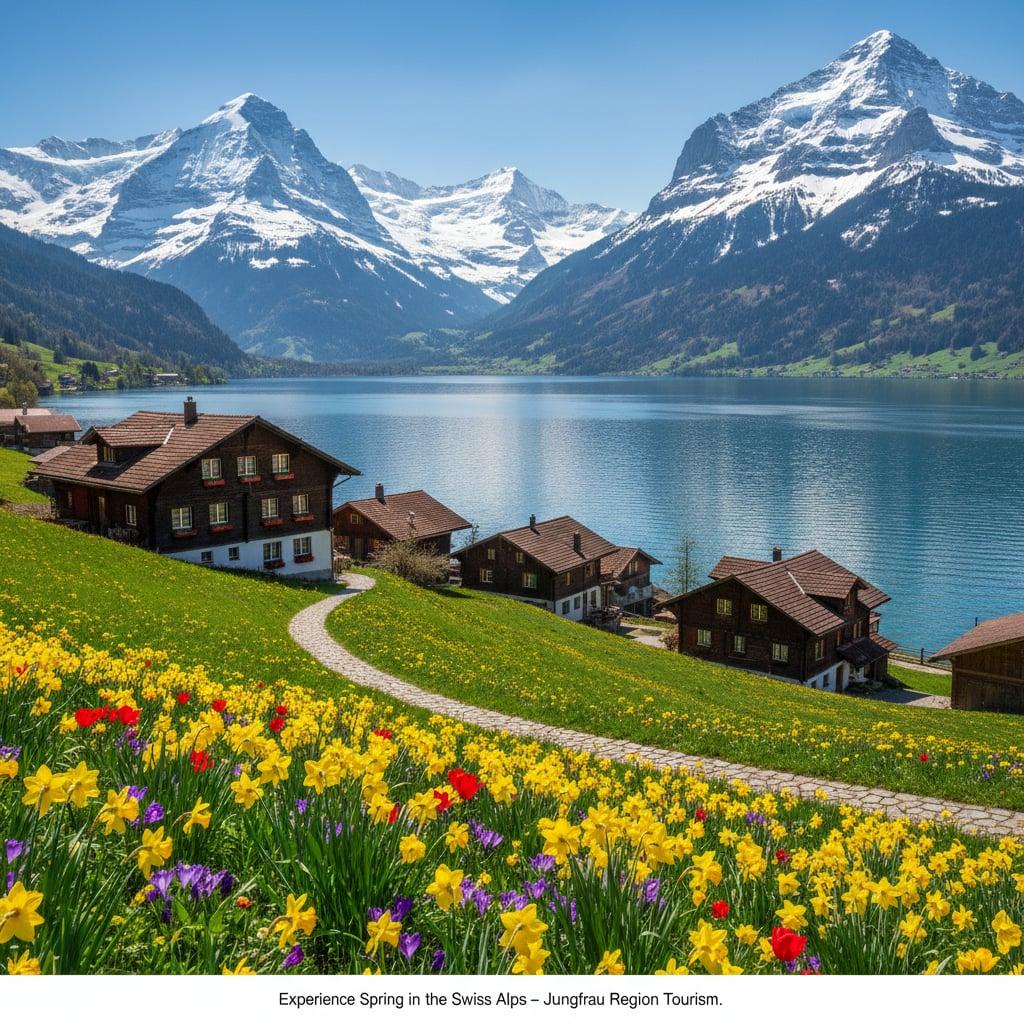
Swiss Spring 2026 became the third warmest spring ever recorded in Switzerland, according to the Federal Office of Meteorology and Climatology (MeteoSwiss). The season brought unusually high temperatures, abundant sunshine, and exceptionally dry weather across much of the country. National temperatures from March to May averaged 1.6°C above the 1991–2020 climate reference period, making it one of the warmest springs in Swiss history.

April stood out as one of the hottest months ever recorded, while May delivered dramatic weather changes. A brief cold spell with frost and snowfall at lower elevations quickly gave way to an unusually early heatwave. By the end of May, several regions recorded new daily temperature highs, highlighting the intensity of the warming trend across Switzerland.

The southern Swiss town of Biasca in Canton Ticino reached 34.8°C on May 28, setting a new May temperature record for the southern side of the Alps. The figure came remarkably close to Switzerland’s all-time May record of 35.1°C, recorded in Sion in 2009. Meteorologists noted that such extreme temperatures are becoming increasingly common during spring months.

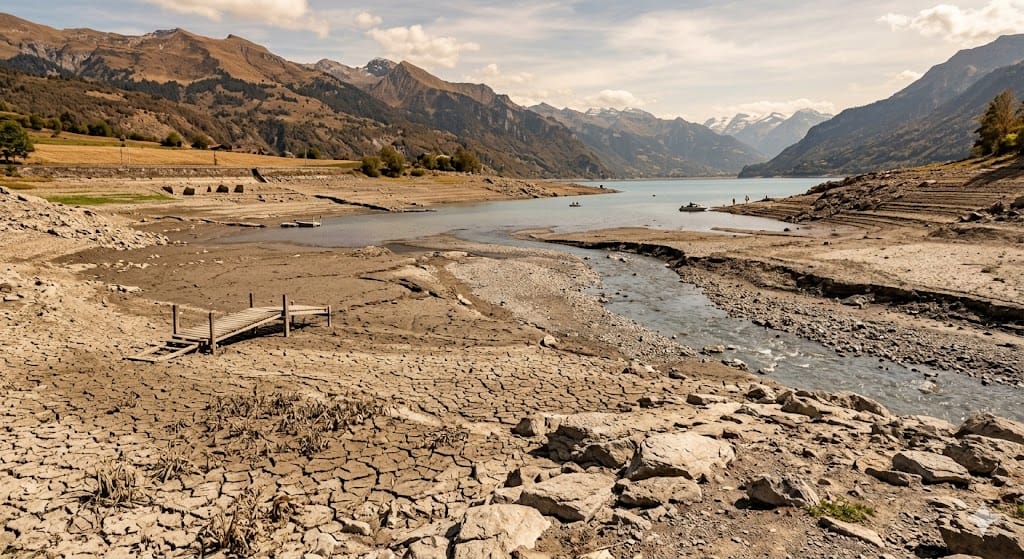
Switzerland also experienced one of its driest springs on record. Many regions received between 40% and 90% less rainfall than normal. Eastern Switzerland, including Graubünden and the Engadin region, faced particularly severe dryness, recording the driest spring since weather observations began in 1901.

Experts continue to monitor these climate patterns as rising temperatures and prolonged dry conditions increasingly affect agriculture, water resources, and ecosystems across Switzerland. The latest data highlights the growing impact of climate change on the country’s seasonal weather patterns.

Switzerland Records One of the Driest Aprils in History.

Large parts of Switzerland experienced one of the driest Aprils on record, according to the MeteoSwiss.

Meteorological data shows that nationwide precipitation reached only 27% of the 1991–2020 average. Experts noted that the number of “wet days” — with more than one millimetre of rainfall — was extremely low and could almost be counted on one hand.

MeteoSwiss confirmed that April 2026 ranks as the fourth driest April since records began in 1864. Particularly, the western and northeastern slopes of the Alps recorded their driest April ever.

Across the country, more than 80 monitoring stations registered record-low precipitation levels. Over 20 locations reported less than 10 millimetres of rainfall, including areas in the Bernese Oberland, Graubünden, and regions between Zofingen and Aarau.

However, meteorologists clarified that low rainfall does not automatically mean drought conditions. Factors such as river and lake water levels, groundwater reserves, soil moisture, and vegetation health also determine whether a drought is occurring.

Since the week beginning April 20, dry conditions have been observed across large parts of the country, raising concerns about potential environmental impacts if the trend continues.

Rare Bear Sighting Reported in Graubünden Valley.

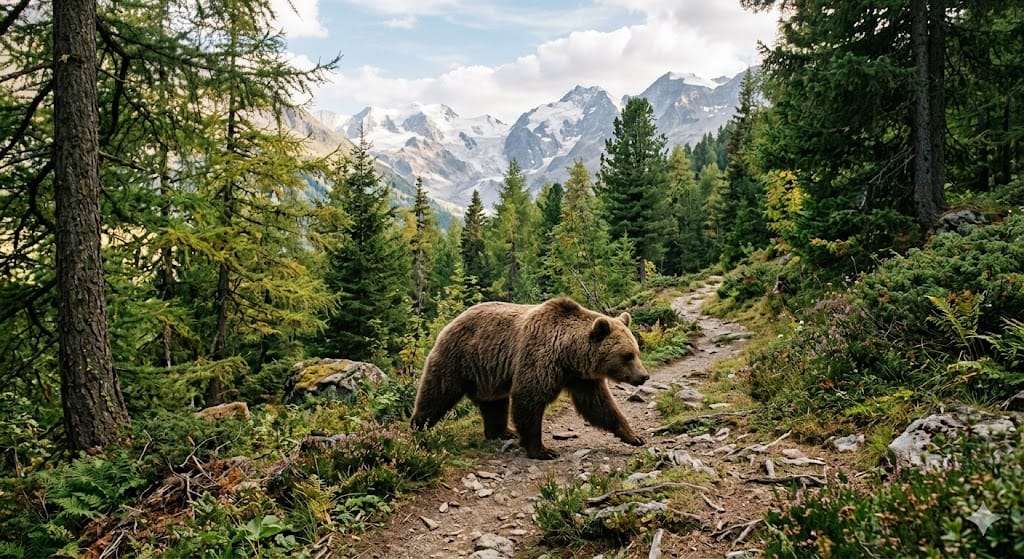
A rare bear sighting has been reported in southern Graubünden, marking a notable development in wildlife activity in the region.

Authorities confirmed the presence of the animal on April 29 after a private camera trap captured images in the forested area between Brusio and Poschiavo. The sighting follows earlier reports of a bear in the Lower Engadin region, particularly between Ftan and the Ofen Pass.

The information was published by the cantonal Office for Hunting and Fishing, which continues to monitor wildlife movements and update sightings through official channels.

Experts note that the presence of a bear south of the Bernina region has not been recorded for several years. The last confirmed sighting dates back to spring 2020, when a bear was filmed near the Bernina Pass.

Historically, bear activity in the area has raised concerns. Between 2012 and 2013, the bear known as M13 caused issues in Valposchiavo after losing its natural fear of humans and approaching residential areas in search of food. Authorities eventually euthanized the animal in February 2013 near Miralago.

Wildlife officials are now closely monitoring the situation and urge the public to remain cautious while respecting safety guidelines when encountering wild animals.