Lawyers Seek Harsher Charges in Crans-Montana Bar Fire Case

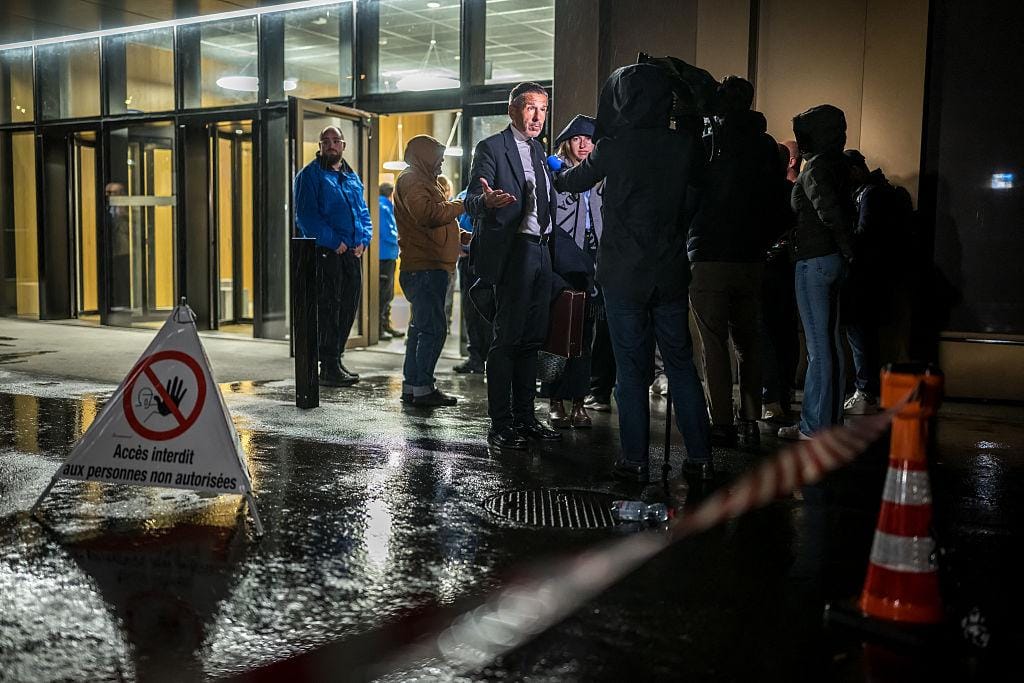
Legal pressure is mounting in Switzerland as two lawyers call for more severe charges in connection with the deadly fire that occurred at a bar in Crans-Montana on January 1.

The lawyers, representing different parties involved in the case, are urging prosecutors to upgrade the charges against the bar owners from negligent manslaughter to murder with eventual intent.

According to Swiss public broadcaster RTS, and confirmed by the Valais cantonal Public Prosecutor’s Office, attorney Sophie Haenni—who represents the waitress accused of starting the fire—and lawyer Ludovic Tirelli, acting for the victims’ families, have both formally written to the Public Prosecutor in recent days.

Their request follows recent statements made by bar owner Jessica Moretti during a hearing before the panel of prosecutors handling the investigation. These statements are linked to earlier WhatsApp exchanges from 2019 involving former employees, which have now become part of the ongoing legal scrutiny.

The case revolves around the deadly fire at the Constellation bar, which has already raised serious questions about responsibility, safety standards, and decision-making within the establishment.

Prosecutors are currently reviewing the request while continuing their investigation into the circumstances surrounding the incident and the chain of events that led to the tragedy.

If the charges are upgraded, the case could take a significantly different legal direction, potentially leading to more severe penalties for those found responsible.

The Crans-Montana fire case remains one of the most closely watched legal proceedings in the Valais region, as families of the victims continue to seek justice and clarity over what happened on that night.
Valais Allocates CHF1.25M for Crans-Montana Fire Probe

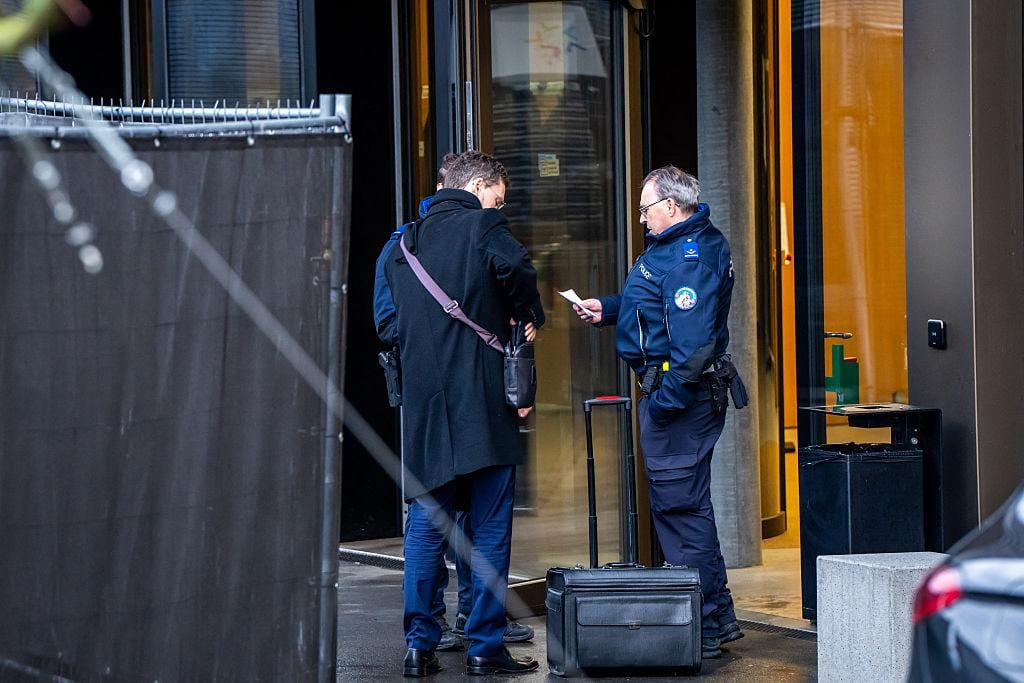
The Grand Council of the Swiss canton of Valais has approved funding of CHF1.255 million to support the ongoing investigation into the deadly fire in Crans-Montana. The financial package will strengthen the resources of the Public Prosecutor’s Office and cantonal police as they continue their work on the case.

A significant portion of the funding, CHF670,000, has been allocated to the Public Prosecutor’s Office. This includes the recruitment and support of additional staff such as registrars, executive secretaries, and administrative personnel to ensure the investigation progresses efficiently.

Further funds totaling CHF150,000 have been set aside for project management costs. These expenses include expert evaluations, rental and equipment of hearing facilities, as well as logistical support required for legal proceedings. Additional allocations cover administrative expenses, translation services, expert mandates, and office equipment.

The cantonal police will receive CHF585,000 to support their operational responsibilities. Of this amount, CHF500,000 is dedicated to security operations linked to the investigation. The remaining funds will cover accommodation, travel expenses, subsistence costs, and necessary equipment for officers involved in the case.

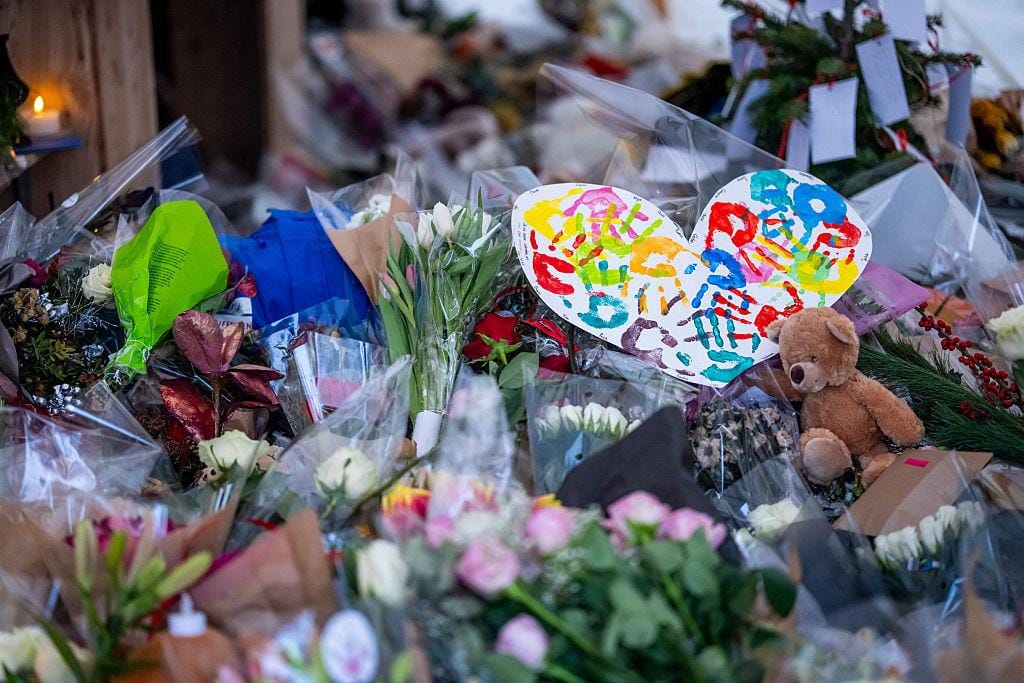
The funding follows the devastating New Year’s Eve fire at a bar in Crans-Montana, which resulted in 41 deaths and left 115 people injured. The incident has been described as one of the most serious tragedies in the region’s recent history.

Authorities continue to investigate the causes of the fire while supporting victims and their families. The additional financial resources are intended to ensure a thorough and well-supported judicial process.

Officials in Valais emphasize that the investigation remains a top priority, with all necessary measures being taken to establish the circumstances surrounding the tragedy and ensure accountability where required.

Crans-Montana Fire Case Expands.

Swiss prosecutors have widened their investigation into the deadly Crans-Montana fire after new allegations emerged against one of the owners of Le Constellation bar. Authorities conducted a lengthy confrontation hearing involving the owners as they continue to examine the circumstances surrounding the tragic New Year’s Day blaze that claimed lives and injured several people.

During the hearing, prosecutors informed one of the owners that she now faces an additional forgery allegation linked to documentation concerning polyurethane acoustic foam installed in the venue. Investigators are reviewing records connected to the material that caught fire during the incident. The development marks a significant step in the ongoing criminal investigation.

Lawyers representing victims’ families welcomed the new line of inquiry and questioned the origins, purchase details, and suitability of the foam used inside the establishment. They argued that several important questions remain unanswered and called for complete transparency regarding the materials present in the venue before the tragedy occurred.

The defense team rejected suggestions of wrongdoing and stated that the purchase was legitimate. According to the lawyers, the issue relates to accounting records rather than the cause of the fire itself. They described the allegation as unrelated to the tragic events that unfolded in Crans-Montana.

Prosecutors also examined internal messages exchanged between the owners and employees. Some communications reportedly included warnings about sparkler candles used during celebrations. Investigators are assessing whether those messages demonstrate prior awareness of potential fire risks inside the premises.

Another message reviewed during the hearing concerned an emergency exit reportedly blocked at the venue. The exchange has attracted attention from lawyers representing victims, who believe it could become an important element of the investigation. Defense lawyers maintain that the messages should not be interpreted without proper context.

The Crans-Montana tragedy remains one of the most closely followed legal cases in Switzerland this year. Authorities continue to gather evidence while prosecutors evaluate the responsibilities of all individuals connected to the operation, management, and approval of the establishment.

As the investigation progresses, victims’ families continue to seek answers and accountability. The findings of Swiss prosecutors are expected to play a crucial role in determining whether additional charges or legal actions will follow in the coming months.

Swiss Army Mobilises 4,000 Soldiers for G7 Summit Security Near Evian.

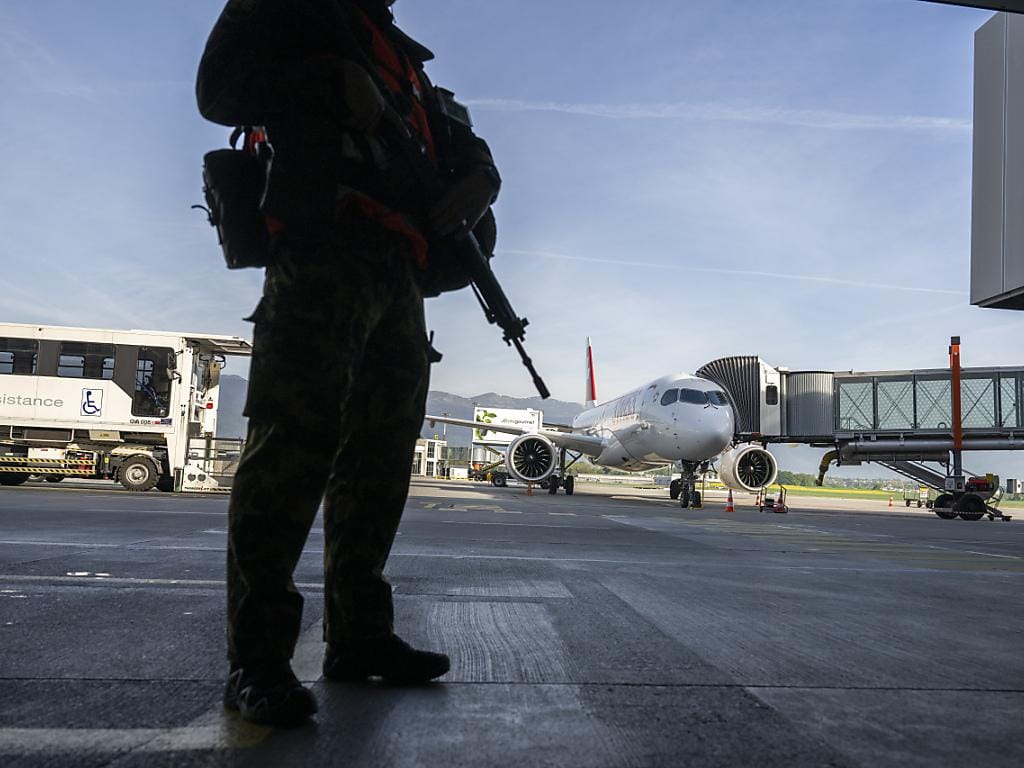
Switzerland will deploy nearly 4,000 soldiers to support security operations for the upcoming G7 Summit taking place in neighbouring France near Evian from June 12 to 17.

The Swiss Defence Ministry confirmed that military personnel will assist cantonal authorities in Geneva, Vaud, and Valais to strengthen security across the border region. The main objective is to support civilian police forces, allowing them to focus on maintaining public order during the high-profile international event.

Key security responsibilities will include the protection of sensitive infrastructure such as Geneva International Airport, as well as assistance with border security operations. The Swiss Air Force will also reinforce air policing, with temporary airspace restrictions in place from June 10 to 18.

Authorities expect many international delegates to arrive via Geneva Airport before traveling across Lake Geneva to Evian. As part of the operation, Swiss forces will monitor key transport routes, the lake area, and surrounding regions.

The army will also contribute cyber defence capabilities, drone countermeasures, and protection against nuclear, biological, and chemical threats. However, Swiss military forces will not be involved in maintaining public order, which remains the responsibility of cantonal police.

All 1,500 police officers in Geneva will be deployed, supported by reinforcements from other cantons. Specialized equipment, including high-capacity water cannons from Germany, will also be made available to assist crowd control if necessary.

The large-scale security operation follows a request from regional authorities, as the cantons of Geneva, Vaud, and Valais prepare for increased pressure during the summit period. Swiss President Guy Parmelin has noted that discussions are ongoing regarding whether France will contribute to the significant security costs incurred by Switzerland.

At the same time, tensions have emerged over planned protests. The “No to G7” coalition has criticized restrictions imposed by Geneva authorities on demonstration routes and conditions, calling them overly restrictive. While a march has been authorized for the right bank of Geneva on June 14, requests for a protest village in Parc des Bastions were rejected.

Organizers have expressed concern over policing measures and fear potential clashes, recalling violent protests during the 2003 G8 summit in the region. Despite disagreements, the coalition has confirmed it will proceed with the demonstration, stating its intention to show international solidarity and opposition to global leaders.

The G7 security operation marks one of the largest coordinated Swiss support efforts in recent years, highlighting the country’s strategic role in safeguarding major international events held just across its border.

Memorial Concert Honors Crans-Montana Fire Victims.

Five months after the tragic fire at the Le Constellation bar in Crans-Montana, a special memorial concert was held to honor those who lost their lives and to support survivors still recovering from their injuries.

The event, titled “Tribute to the Angels of Crans-Montana,” was organized by the Italian Embassy in Bern and served as a moment of reflection, remembrance, and solidarity. The concert aimed to commemorate the young victims of one of Switzerland’s most heartbreaking recent tragedies.

The fire claimed the lives of 41 people and left 115 others injured, several of them seriously. The disaster deeply affected families, friends, and communities both in Switzerland and abroad.

Under the artistic direction of renowned violinist Michael Guttman, the Crans Montana Classics concert featured an ensemble of 12 string musicians. The performers presented a selection of emotional and inspiring works by celebrated composers including Giacomo Puccini, Maurice Ravel, Johann Sebastian Bach, and Benjamin Britten.

More than 250 people attended the memorial gathering. Among those present were Italian Ambassador Gian Lorenzo Cornado, Swiss Federal Councillor Beat Jans, Valais State Council President Christophe Darbellay, and Crans-Montana Mayor Nicolas Féraud.

The concert created a solemn atmosphere where attendees could remember the victims, express support for the injured, and reflect on the importance of community solidarity during difficult times.

As Crans-Montana continues to heal from the tragedy, the memorial concert served as a powerful reminder of the lives lost and the resilience shown by survivors, families, and the wider community.

The event highlighted the enduring bonds between Switzerland and Italy and demonstrated the commitment of both nations to honor the memory of those affected by the devastating fire.

Swiss Alpine Passes Open for Summer Travel.

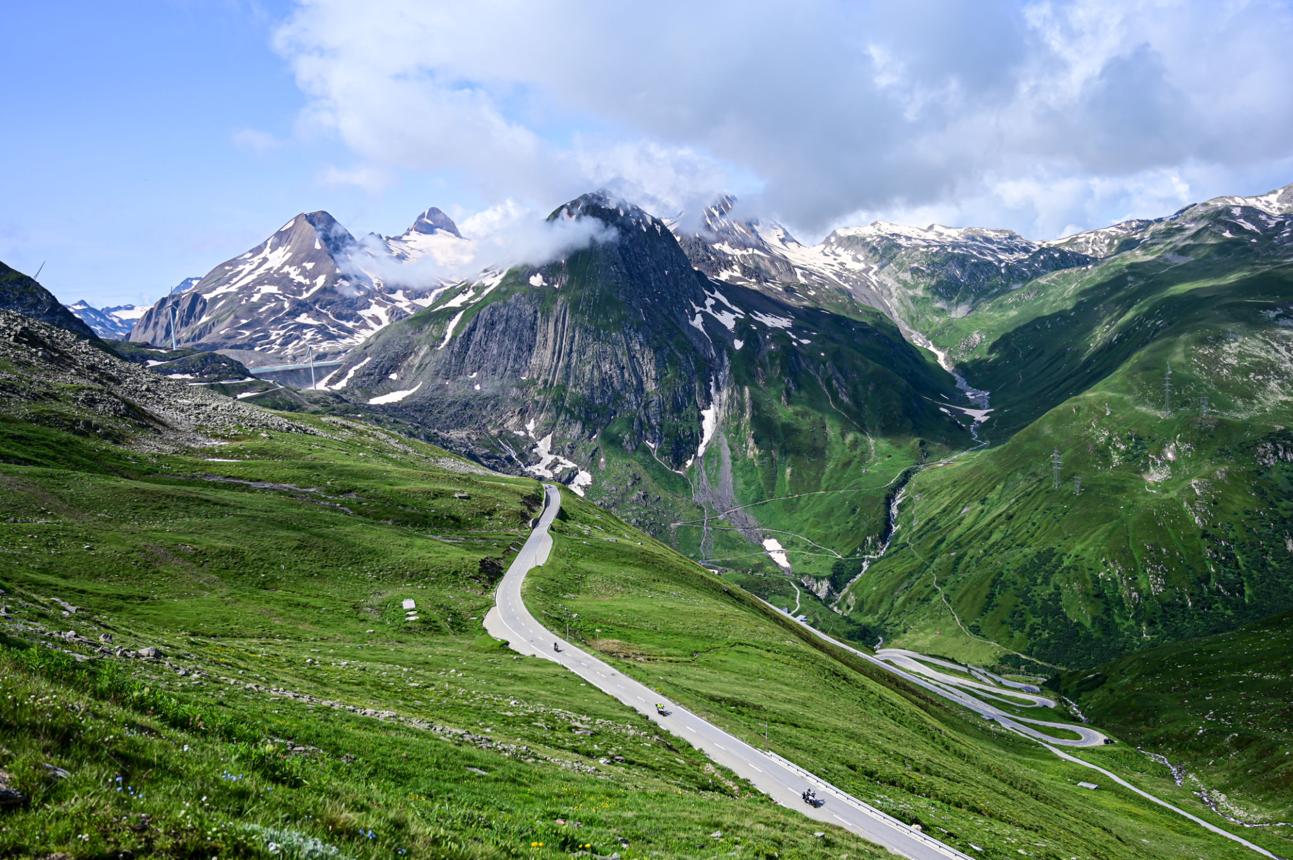
Switzerland has reopened three more major Alpine passes for the summer season, making travel across the country’s mountainous regions easier for residents and tourists. The Furka, Grimsel, and Nufenen passes officially reopened on Friday following their winter closures.

The Furka Pass, located at an altitude of 2,429 metres, reopened to traffic from 9 a.m. The scenic mountain route connects Realp in the Canton of Uri with Obergoms in Valais, providing an important link between the two regions during the summer months.

The Grimsel Pass, standing at 2,164 metres above sea level, also resumed operations. This key route connects Innertkirchen and Gletsch and is widely used by travellers exploring Switzerland’s spectacular Alpine landscapes. The Nufenen Pass, Switzerland’s highest fully paved mountain pass at 2,478 metres, reopened as well, reconnecting Ulrichen in Valais with Airolo in Ticino.

According to the Touring Club of Switzerland (TCS), only two major Alpine crossings remain closed among Switzerland’s 77 most important mountain passes. The Susten Pass, which links Innertkirchen and Wassen, and the Great St Bernhard Pass, connecting Valais with Italy’s Aosta Valley, are still awaiting reopening due to seasonal conditions.

Several other strategic Alpine routes, including the famous Gotthard Pass road between Andermatt and Airolo, had already reopened ahead of the Ascension and Whitsun holiday weekends. The reopening of these mountain roads marks the beginning of the busy summer travel season and offers visitors easier access to some of Switzerland’s most breathtaking Alpine destinations.

Blatten Landslide Damage Reaches CHF255 Million.

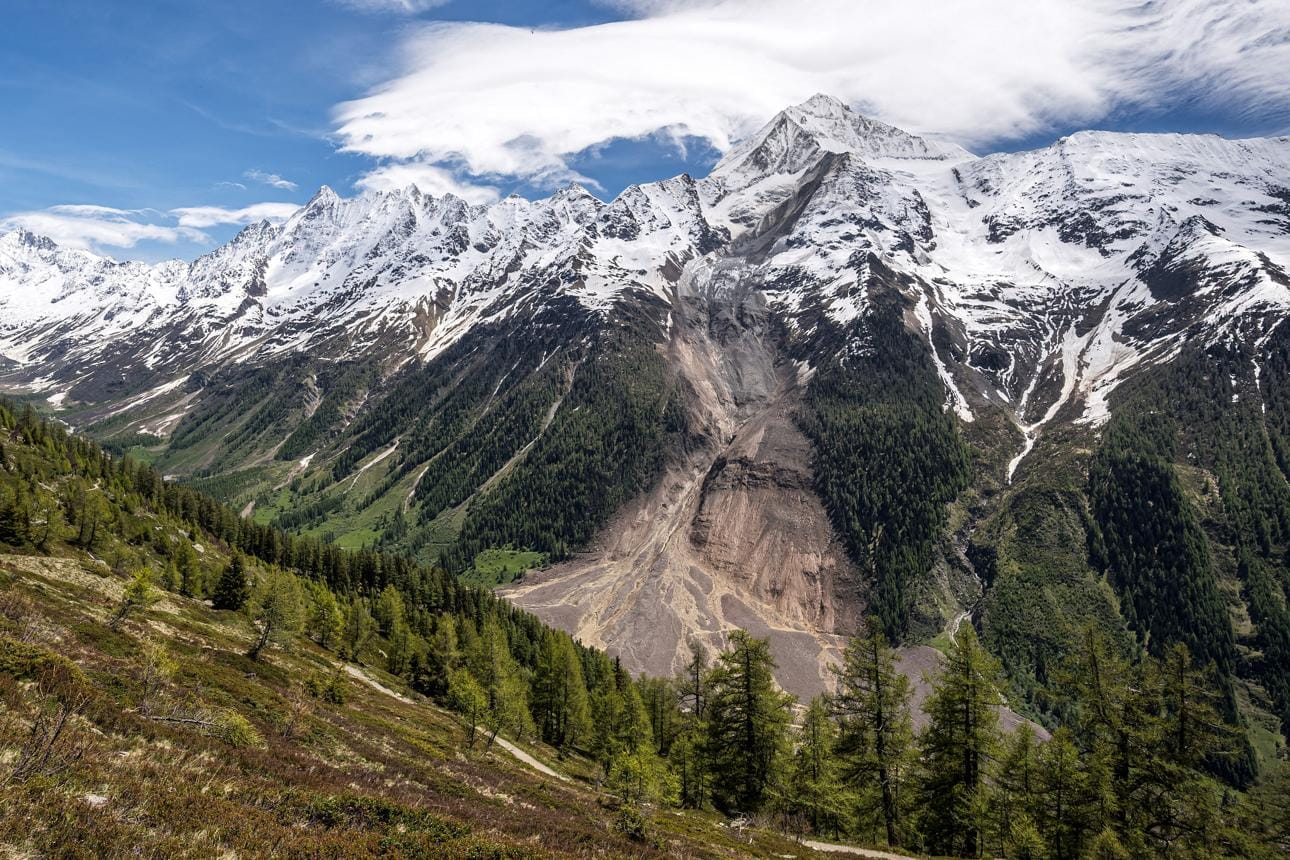
A devastating landslide in Blatten has caused insured damages estimated at CHF255 million, making it one of the most expensive natural disasters in recent Swiss history. The disaster struck on May 28, 2025, after a collapsing glacier buried large sections of the village located in the Lötschental valley of Valais.

According to financial statements released by Switzerland’s natural hazard insurance pool, around CHF240 million of the losses fall under the country’s natural hazard compensation system. Swiss insurers are now dealing with significant claims related to destroyed homes, damaged infrastructure, and business losses caused by the catastrophic glacier collapse.

Insurance authorities reported that approximately CHF210 million in losses came from damage to buildings and property structures. Another CHF30 million involved household contents, furniture, and movable belongings destroyed by the landslide. In addition, around CHF15 million in damages occurred outside the insurance loss pool, including vehicle damage and business interruption costs.

The natural hazard pool in Switzerland helps private insurers share financial risks linked to natural disasters such as landslides, floods, avalanches, and storms. The organisation also purchases international reinsurance protection to support member companies during large-scale catastrophes.

The Blatten disaster shocked residents across Switzerland and raised new concerns about climate change, glacier instability, and increasing natural hazard risks in Alpine regions. Experts continue monitoring mountain areas where melting glaciers and unstable rock formations may create future dangers for nearby communities.

Swiss authorities and emergency services acted quickly during the disaster response, but the landslide still caused massive destruction across the village. Recovery and rebuilding efforts are expected to continue for several years as affected families and businesses attempt to recover from the disaster.

The incident remains one of the most discussed environmental and insurance-related events in Switzerland during 2025 and continues to attract national and international attention.

Petition Filed Against Starlink Antennas in Switzerland.

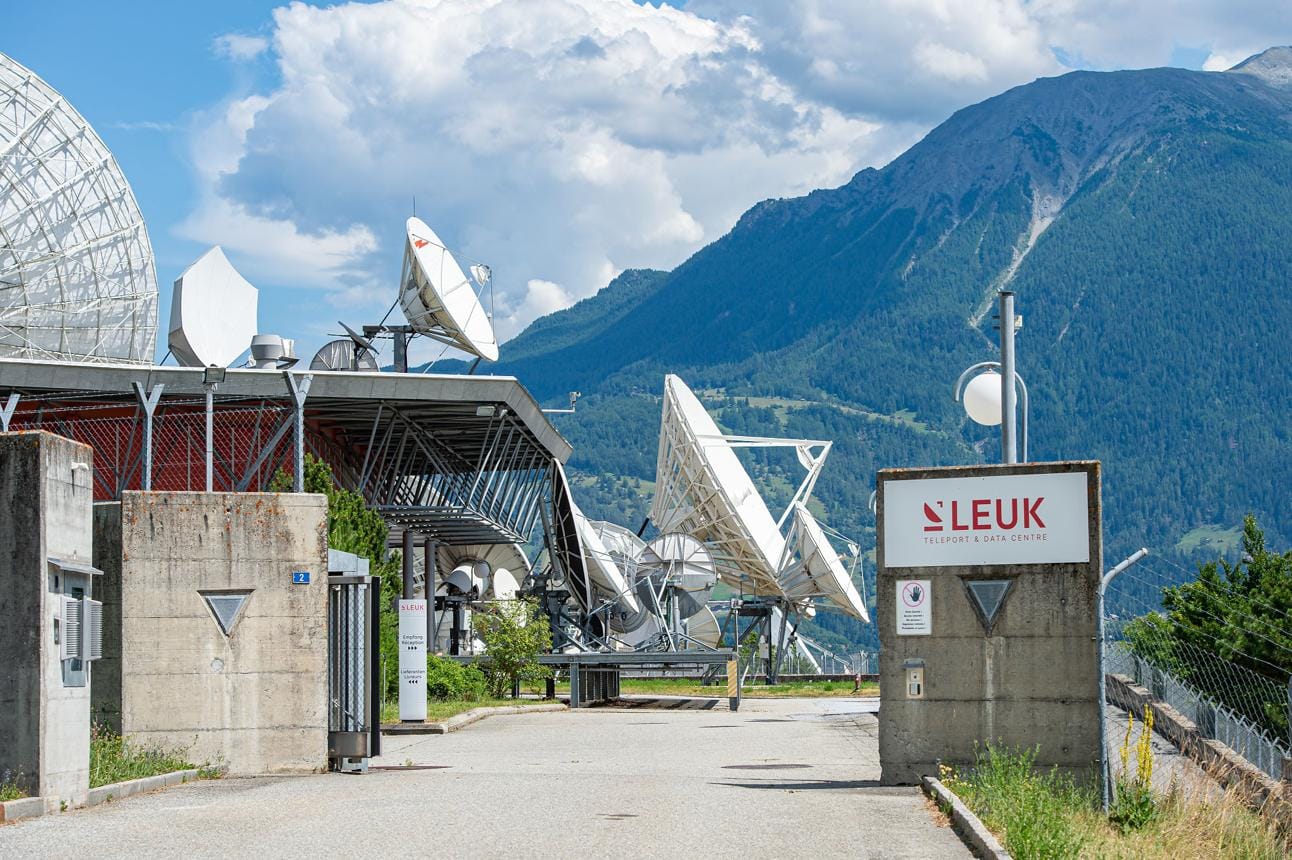
Opponents of the planned Starlink antenna project in Leuk have submitted a petition with 14,550 signatures to Swiss authorities, calling for the cancellation of the project.

The petition was delivered in Bern and addressed to Swiss Defence Minister Martin Pfister. Campaign groups argue that the proposed installation of 40 satellite antennas could create long-term geopolitical and technological dependence.

The organisations behind the petition include Campax and a regional group known as “Protection against satellite radiation in the Leuk region.” Both groups raised concerns over national security, technological sovereignty, and possible environmental and health impacts linked to satellite communication infrastructure.

Critics claim the project could increase Switzerland’s dependence on foreign-controlled technology networks at a time when geopolitical tensions and digital security concerns are growing globally.

The proposed Starlink facility in Valais is part of broader efforts to expand satellite internet infrastructure across Europe. Supporters of such projects often highlight benefits including improved connectivity, faster communications, and advanced technological development for remote regions.

However, local resistance has increased in recent months as residents and activists question the long-term implications of large-scale satellite installations.

Swiss authorities have not yet announced any final decision regarding the future of the project. The petition now adds political pressure to ongoing discussions surrounding technology infrastructure, national independence, and environmental concerns in Switzerland.

Valais Refinery Chimneys Demolished for Tech Future.

The final two chimneys of the former Tamoil Switzerland refinery in Collombey-Muraz were demolished on Thursday as redevelopment efforts continue to transform the industrial site into a future technology hub.

The massive chimneys, each standing approximately 100 metres high and weighing a combined 4,000 tonnes, collapsed within seconds during the carefully planned demolition. Officials described the structures falling “like a house of cards” after controlled explosives were triggered.

The operation required nearly three months of preparation and around 50 kilograms of explosives. Authorities temporarily closed nearby roads and surrounding areas for safety during the demolition process.

According to Stéphane Trachsler, extensive environmental studies, technical reviews, and risk assessments had been conducted since 2024 to ensure the demolition could proceed safely. Field tests were also carried out in 2025 to monitor possible ground vibrations and environmental impact.

The demolition marks another important step in the transformation of the former refinery site, which authorities and developers hope to convert into a centre for new technologies and innovation in the canton of Valais.

Project leaders also confirmed that rubble and construction materials from the demolished chimneys will be recycled and reused in regional construction projects, supporting sustainability efforts linked to the redevelopment.

The refinery site redevelopment is seen as part of Switzerland’s broader shift toward cleaner industries, technological innovation, and modern infrastructure development.

Swiss Police Probe Another Moretti Property Fire.

Authorities in Switzerland have expanded the investigation linked to the deadly Le Constellation Bar Fire tragedy by examining another property owned by the Moretti couple in the canton of Valais.

According to reports from RTS, prosecutors and cantonal police are now investigating a 2024 fire at the “Le Vieux Chalet” restaurant. The property also belongs to Jessica and Jacques Moretti, who are connected to the ongoing Crans-Montana case.

The “Le Vieux Chalet” restaurant was destroyed by fire on February 29, 2024. At that time, authorities concluded that a technical malfunction was the likely cause of the incident. Prosecutors previously ruled out deliberate or accidental human involvement and closed the case without pursuing criminal charges.

However, following the devastating fire at “Le Constellation” bar on January 1, investigators reopened their interest in the earlier restaurant fire. Valais prosecutors officially assigned a new investigative mandate to the cantonal police on April 29.

The investigation aims to analyse suspicions reportedly raised by the Federal Office of Police, including possible insurance fraud linked to the previous fire incident.

Valais cantonal public prosecutor Beatrice Pilloud confirmed the investigation to media outlets. Meanwhile, lawyer representatives for Jacques Moretti criticised the decision to reopen scrutiny into the earlier case.

The broader Crans-Montana fire tragedy continues to attract major public attention in Switzerland after the disaster claimed dozens of lives and triggered extensive legal and criminal investigations.

Authorities have not announced any formal charges related to the latest inquiry, and investigations remain ongoing.