


US Proposes New Tariffs on Swiss Goods Over Forced Labour Concerns

The United States has announced plans to impose new tariffs of 12.5% on Swiss imports linked to allegations of goods produced using forced labour, escalating trade tensions between the two countries.

The move is part of a broader trade policy initiative under the US administration, which targets around 60 trading partners, including Switzerland. The US argues that affected countries have not done enough to prevent imports of products linked to forced labour practices.

According to a report from the US Trade Representative, Switzerland is among 54 economies that allegedly lack a clear legal ban on such imports. As a result, Washington is considering additional tariffs on 45 of these countries, including Switzerland.

However, certain products such as semiconductors, coffee, beef, and fruit would be excluded from the proposed tariff measures.

Other countries facing similar or lower tariff proposals include the European Union, Canada, the United Kingdom, Mexico, Indonesia, Pakistan, and several Asian and Latin American nations.

The proposal is still under review, but it signals increased pressure on Switzerland’s export-driven economy, particularly in sectors linked to global supply chains.

Swiss authorities have not yet issued an official response, but the issue is expected to be discussed further in upcoming trade negotiations.
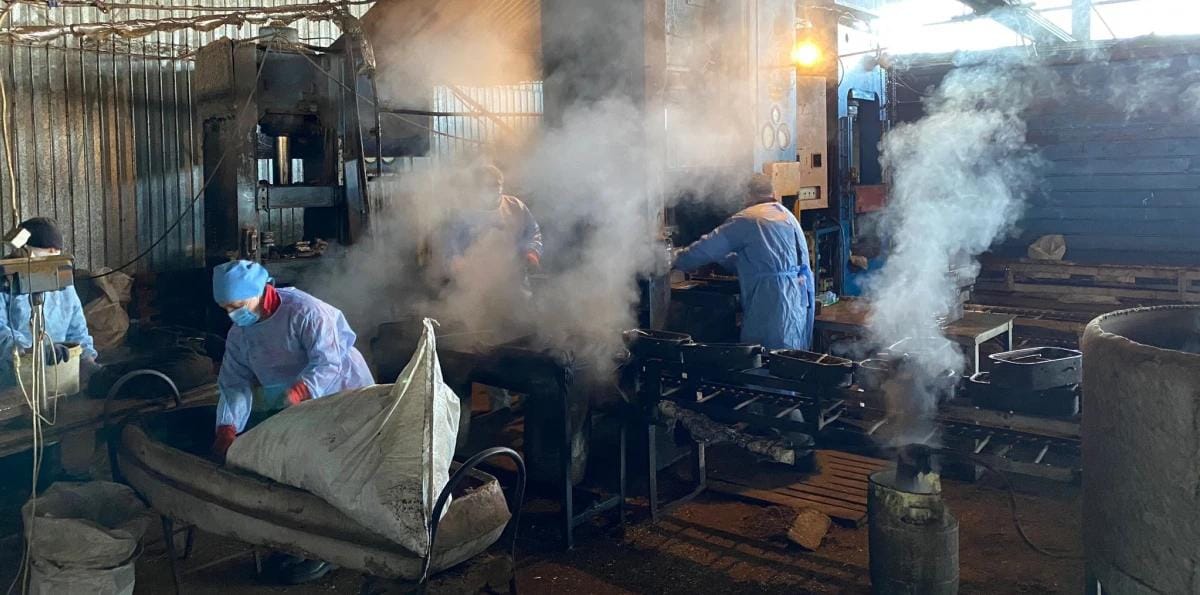
Swiss President Criticises EU Steel Tariffs as Harmful

Swiss President Guy Parmelin has strongly criticised new steel tariffs approved by the European Union, calling the measures “counterproductive” and harmful to European supply chains.

Speaking to Swiss public broadcaster SRF, Parmelin said he had already warned European Commission President Ursula von der Leyen that the tariffs could become an “own goal” for Europe.

The EU plans to introduce stricter protections for its steel sector starting July 1, including a major reduction in duty-free steel import quotas. Swiss steel producers are expected to be affected by the changes despite Switzerland’s close economic integration with European manufacturing industries.

Parmelin argued that Switzerland plays a crucial role in European industrial supply chains, particularly in sectors such as aerospace and advanced manufacturing. He warned that restricting Swiss steel imports could negatively impact European companies that depend on Swiss materials and components.

The Swiss government and the European Commission are now expected to negotiate updated import quotas through the framework of the World Trade Organization.

The Swiss president also expressed frustration over new EU rules concerning unemployment benefits for cross-border workers. Under the proposed regulation, unemployed cross-border workers would receive benefits from the country where they last worked instead of their country of residence.

According to Switzerland’s State Secretariat for Economic Affairs (SECO), the change could cost Switzerland up to CHF900 million annually. Parmelin described the move as unhelpful and said he was surprised that the EU had raised several sensitive issues while Switzerland and the EU were still discussing broader agreements on bilateral relations.

At the same time, Switzerland’s trade discussions with the United States are also facing difficulties. Parmelin noted that uncertainty surrounding a recent US Supreme Court decision on presidential tariff powers has complicated negotiations between Bern and Washington.

Swiss officials are still awaiting a formal response from the US regarding Switzerland’s trade proposals. Analysts say the situation highlights the increasing pressure facing Switzerland as it navigates complex trade relationships with both the EU and the United States.