Swiss Senate Backs Mixed Funding for 13th Pension

The Swiss Senate has approved a proposal to finance the upcoming 13th payment of the AHV/AVS old-age and survivors’ pension through a combination of employee contributions and value-added tax (VAT).

Under the approved plan, employee contributions will increase by 0.2 percentage points, lower than the previously proposed 0.3 percentage points. VAT will also be raised by 0.4 percentage points, while the reduced VAT rate will remain unchanged at 2.6%.

The proposal marks a compromise between different parliamentary positions. Earlier, the House of Representatives had suggested financing the additional pension payment entirely through VAT increases until 2033. However, this approach was not adopted by the Senate.

The final decision now moves back to the House, which is scheduled to vote on the proposal on June 17. If the House rejects the plan, the 13th AHV pension payment is still expected to be introduced from December, although the funding mechanism would remain unresolved.

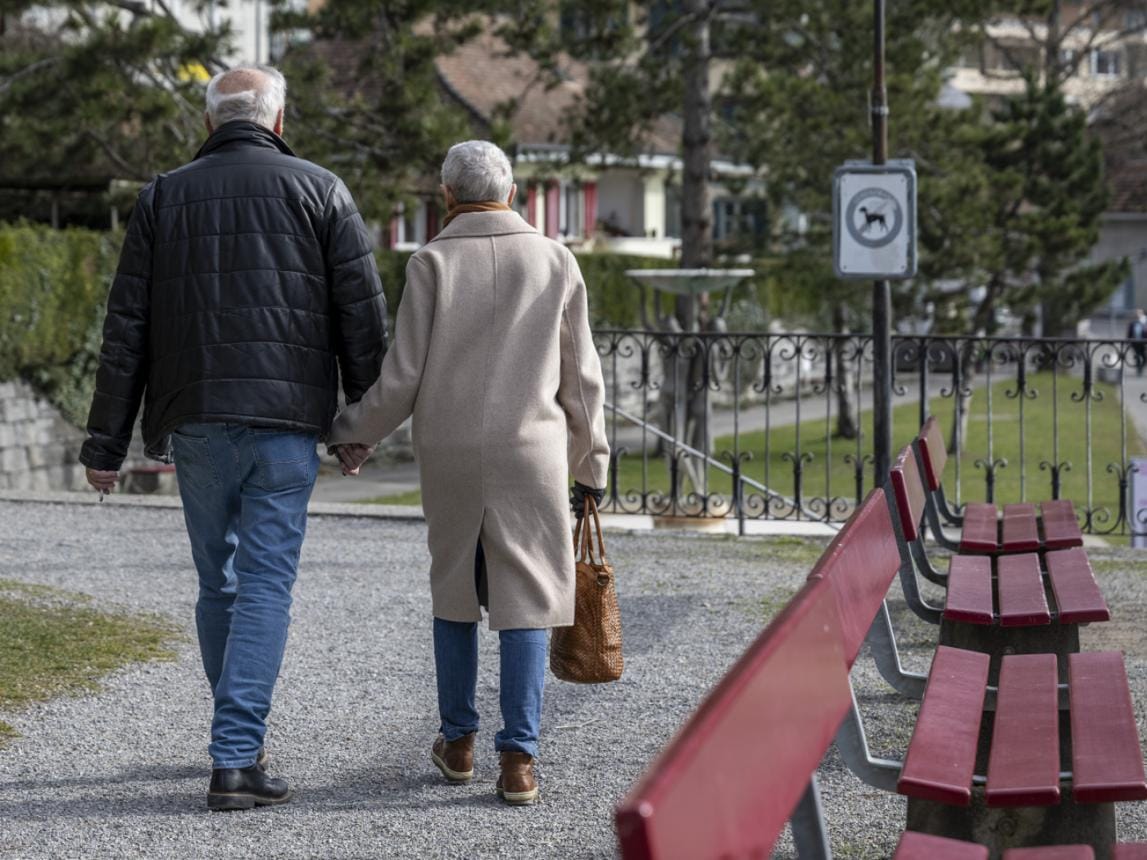
The 13th pension initiative was approved by Swiss voters in 2024 as a measure to support retirees facing rising living costs and inflation. The initiative, backed by trade unions and left-leaning political groups, aims to provide an additional monthly pension payment each year, similar to the widely known 13th salary in Switzerland.

Parliament has since been working to determine a sustainable financing model for the reform, balancing social welfare commitments with long-term fiscal stability.

The Senate’s decision represents a significant step forward in implementing the pension reform, but the final outcome will depend on the upcoming parliamentary vote.


How to Withdraw Remaining Pension Funds in Switzerland (2nd Pillar Guide)

In Switzerland, the occupational pension system (commonly known as the 2nd pillar or BVG/Pensionskasse) allows individuals to access their retirement savings under specific legal conditions. Many residents who have already withdrawn part of their pension funds often ask whether they can withdraw the remaining balance again.

Can You Withdraw Pension Funds Again?

Yes, in certain situations, individuals who have previously withdrawn part of their pension funds—such as for buying a home or leaving Switzerland—may still be able to access remaining funds.

However, eligibility depends on the reason for the first withdrawal and current legal conditions.

Key Rule: Waiting Period and Conditions

If you have withdrawn pension funds more than 5 years ago, you may still be eligible to withdraw remaining balances, depending on your current pension status and contribution history.

The pension fund institution will review:

  • Your employment status
  • Remaining accumulated pension savings
  • Reason for previous withdrawal
  • Current residence and insurance status

Common Reasons for Pension Withdrawal

Swiss law allows pension withdrawal in cases such as:

  • Purchasing a primary home (EPL/WEF scheme)
  • Leaving Switzerland permanently
  • Starting self-employment
  • Retirement age eligibility

How Much Can You Withdraw?

The amount depends on your accumulated 2nd pillar savings. If only part of the pension was previously withdrawn, the remaining balance continues to grow through contributions and investment returns.

Important Conditions

Before approving a new withdrawal, pension authorities check:

  • Whether you are still insured under BVG
  • Whether legal conditions for withdrawal are met
  • Whether previous withdrawals were partial or full

Where to Apply

Requests must be submitted directly to your pension fund provider (Pensionskasse). Each institution has its own rules, forms, and verification process.

Important Advice

Incorrect or incomplete applications can delay approval. It is important to contact your pension fund office directly for accurate calculation and eligibility confirmation.

Swiss pension rules are strict but flexible depending on personal financial and employment circumstances.

Important Swiss Divorce Rules Everyone Must Know (2026 Guide)

Divorce in Switzerland is regulated under the Swiss Civil Code (ZGB/CC), which ensures a structured legal process for separating couples. The law focuses on fairness, especially regarding children, finances, and long-term financial security.

Mutual Consent Divorce

When both spouses agree to divorce and its conditions, they can file a joint application in court. This is the fastest and most cost-effective process. Key decisions include child custody, child support, spousal maintenance, pension sharing, and division of assets and debts.

Unilateral Divorce

If only one partner wants a divorce, Swiss law generally requires a separation period of two years before filing. However, in serious cases such as domestic violence or severe conflict, immediate divorce proceedings may be allowed.

Child Custody Rules

Since 2014, joint parental responsibility is the default rule in Switzerland. Both parents remain involved in major decisions affecting the child. Courts always prioritize the “best interest of the child” when deciding custody arrangements.

Maintenance and Alimony

Child support is mandatory in all cases. Spousal maintenance may be granted depending on financial differences, marriage duration, and career sacrifices. Courts assess income, lifestyle, and childcare responsibilities before deciding alimony.

Property Division

Swiss law follows a marital property system where:

  • Assets owned before marriage remain personal
  • Inheritances and gifts usually remain personal
  • Assets acquired during marriage are generally shared equally

Pension (2nd Pillar) Sharing

One of the most important aspects of Swiss divorce law is pension division. Retirement savings accumulated during marriage are typically split between both spouses.

Legal Separation Options

Couples can also choose legal separation instead of immediate divorce. Courts may issue temporary arrangements for custody, maintenance, and living expenses while the couple lives apart.

Swiss divorce laws aim to ensure fairness, protect children, and provide financial stability during and after separation.

Swiss Old-Age Pension Payments Hit Record High.

Switzerland has reported a record rise in old-age pension payments, reflecting the country’s steadily ageing population. According to the Federal Social Insurance Office, a total of 2.64 million old-age pensions were paid out last year, marking a 1.6% increase compared to the previous year.

The data shows that Switzerland continues to experience a consistent rise in pension recipients. In the previous year, the number of beneficiaries had already increased by around 1.8%, adding approximately 44,000 new pensioners. In the latest reporting period, a further net increase of about 40,400 people was recorded.

By the end of 2025, the Swiss pension system was paying out a total of around 2.91 million pensions, including old-age pensions as well as widows’, widowers’, and orphans’ benefits. Notably, around one-third of these pensions are being paid to individuals living outside Switzerland, highlighting the global nature of Swiss retirement distribution.

Despite the growing number of beneficiaries, the Swiss pension system remained financially stable. It closed the year with a surplus, as total income exceeded expenditure by CHF1.8 billion. When investment income is included, the overall operating result reached CHF4.4 billion, although this was lower than the CHF5.6 billion recorded the previous year.

The continued growth in pension payouts reflects demographic changes in Switzerland, where an ageing population is placing increasing pressure on long-term social insurance systems. Policymakers continue to monitor sustainability measures to ensure that future generations receive stable retirement support.

The report has sparked renewed discussion about retirement planning, cost of living for pensioners, and the financial balance of Switzerland’s public pension system.