Nespresso to Cut 178 Jobs in France.

Nespresso, the premium coffee brand owned by Swiss multinational Nestlé, has announced plans to cut up to 178 jobs in France as part of a wider global cost-reduction strategy.

The job cuts will mainly affect marketing and customer service operations in France. However, the company confirmed that its sales network and retail boutiques will not be impacted by the restructuring.

Nespresso currently employs around 1,300 people in France. As part of the reorganization, customer relations services will be consolidated at the company’s Paris headquarters, resulting in the closure of its Lyon site dedicated to this activity.

The company stated that the restructuring will be implemented through internal mobility, voluntary departures, and end-of-career schemes. Nespresso also emphasized that no forced redundancies are planned before 2027.

This move is part of a broader restructuring plan announced in October 2025 by Nestlé’s new CEO, Philipp Navratil. The global strategy aims to eliminate around 16,000 jobs worldwide and achieve more than €1 billion in cost savings by 2027.

Management explained that the changes are necessary due to rapid shifts in the global coffee market. They stated that the company must adapt its organization to remain competitive and support long-term growth.

Earlier, Nestlé also announced additional job reductions in France, including support functions at its headquarters in Issy-les-Moulineaux and research centers in Tours and Lisieux.

While the restructuring reflects significant operational changes, Nespresso confirmed that its retail boutiques and customer-facing sales teams in France will continue to operate without disruption.
Geneva Authorities Question Security Costs for France-Based G7 Summit

Authorities in Switzerland’s Geneva canton have raised concerns over who should bear the financial burden of security operations linked to an upcoming G7 summit taking place in Évian, France.

Background of the Issue

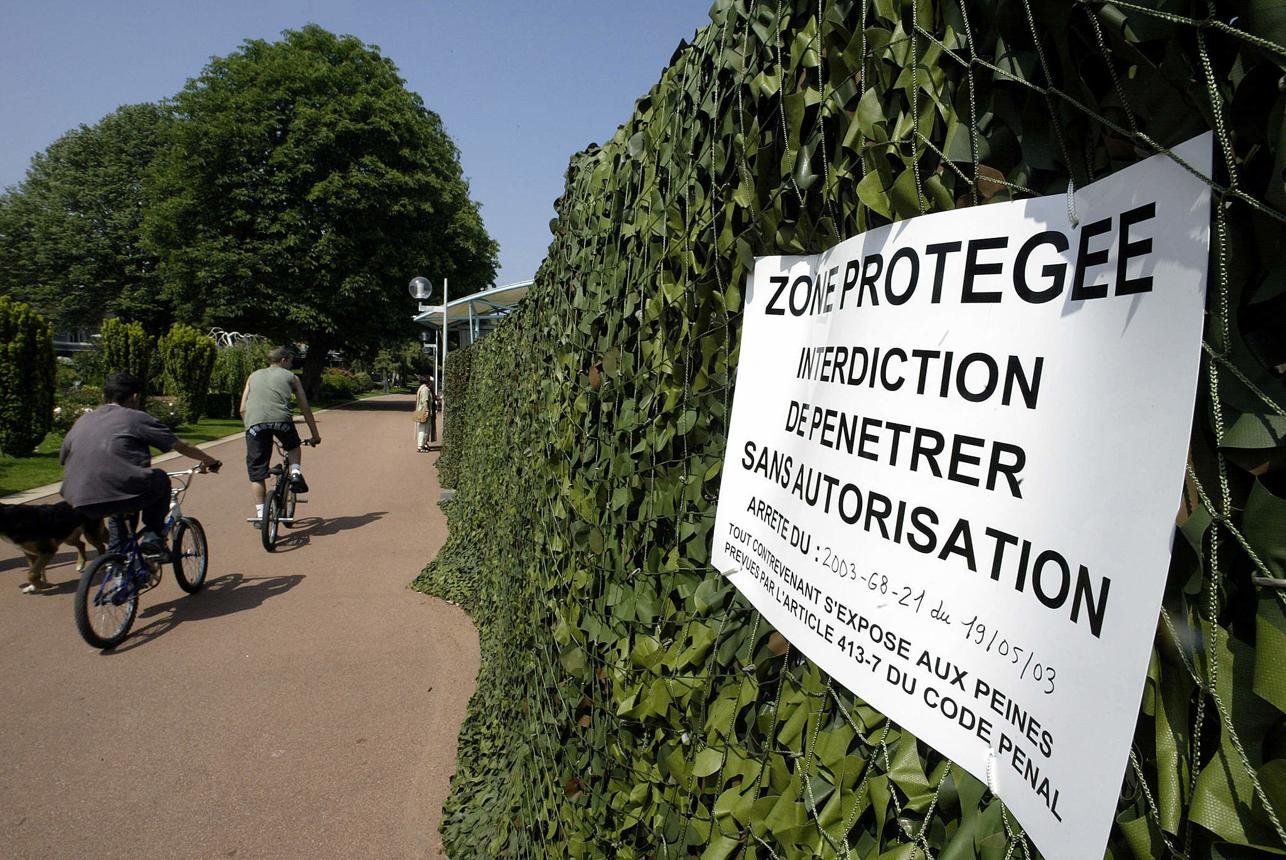
The debate traces back to events surrounding the 2003 G8 summit in Évian, where protests in nearby Geneva escalated into violent riots and looting. The incident left long-lasting concerns about public safety and cross-border security coordination.

Renewed Concerns Ahead of G7 Summit

With another major G7 summit scheduled in Évian next month, Swiss authorities fear that similar protests or unrest could spill over into Geneva. As a result, Geneva police have already begun preparing enhanced security measures.

Financial Responsibility Dispute

Geneva officials argue that Switzerland is being forced to bear significant security costs for an event taking place in France. They have requested that the French government share the expenses due to the cross-border impact of the summit.

However, French authorities have reportedly rejected the request, stating that protests in Switzerland are not directly caused by the summit itself, but are influenced by domestic political developments within Switzerland.

Political Tensions Rising

The disagreement has sparked frustration among some Swiss lawmakers, who question why Swiss taxpayers should fund security for an international event hosted in another country.

At the same time, Geneva authorities fear that the financial burden could become significant if large-scale protests or cross-border incidents occur again during the summit period.

Conclusion

The dispute highlights the challenges of managing security in highly interconnected border regions like Geneva, where international events in neighboring countries can have direct domestic consequences.

Crans-Montana Fire Victim Seeks €8.2M Compensation.

A French woman seriously injured in the deadly Crans-Montana Fire Disaster has filed a compensation claim worth €8.2 million (CHF7.5 million) in a Paris court. Her lawyer stated that the claim aims to cover urgent medical expenses and lifelong care costs following the tragic incident.

The victim’s lawyer, Sébastien Fanti, explained that the legal request includes €2 million as an immediate payment for emergency treatment and ongoing support. The remaining amount would help cover medical care, rehabilitation, loss of earnings, and future living expenses for the victim.

According to the lawyer, the woman suffered severe physical injuries during the devastating fire and will require permanent care for the rest of her life. An expert reportedly prepared the preliminary compensation estimate submitted to the court in Paris.

The legal action was filed with the Compensation Commission for Victims of Crime in Paris. It follows a criminal complaint submitted to the Valais public prosecutor’s office on April 1. The complaint includes allegations of negligent arson, negligent grievous bodily harm, and violations of building regulations connected to the disaster.

Lawyer Sébastien Fanti said he currently represents 26 victims and family members affected by the tragedy. He also stated that he believes France could eventually pay compensation to the injured woman and later seek accountability from local Swiss authorities.

The tragic fire disaster took place in Crans-Montana on New Year’s Day. The incident claimed the lives of 41 people and injured 115 others, making it one of the most devastating recent tragedies in Switzerland.

Authorities in the canton of Valais continue investigating the causes of the fire and possible violations of safety regulations. The case has attracted significant public attention across both Switzerland and France due to the scale of the disaster and the ongoing legal proceedings.

French Authorities Carry Out Surprise Searches at Nestlé Waters Sites

French authorities carried out unannounced inspections and searches at two industrial sites operated by Nestlé Waters, the bottled water subsidiary of Swiss-based food giant Nestlé.

The raids took place on Tuesday at the Perrier plant in Vergèze and a laboratory in Vittel, according to Radio France investigative reporting. Around 40 officials from French fraud authorities were involved in the coordinated operation.

The inspections are part of an ongoing investigation led by the Paris public prosecutor’s office following a complaint filed by the NGO Foodwatch, which alleges potential fraud linked to bottled water operations.

Authorities have not yet disclosed specific findings from the searches. However, the investigation is understood to focus on regulatory compliance and possible misconduct within water treatment or labeling practices.

Nestlé Waters confirmed that unannounced inspections were taking place at its sites and stated that it is fully cooperating with the relevant authorities throughout the process.

The case adds further scrutiny to Switzerland’s Nestlé, which has faced multiple regulatory and public trust challenges in recent years related to food and water safety concerns.

French investigators continue to examine evidence as part of a broader inquiry into corporate practices in the bottled water sector.

French Report Finds Failures in Infant Formula Recall Crisis Involving Nestlé.

A French parliamentary report has highlighted major shortcomings in the handling of a large-scale infant formula recall crisis involving multiple food manufacturers, including Switzerland-based companies.

The report states that both the government and manufacturers failed to respond quickly and effectively when the scandal emerged in December 2025. Concerns were raised after contaminated infant formula products were recalled across around 60 countries due to possible traces of cereulide, a toxin that can cause severe vomiting in newborns.

The crisis initially began when Nestlé recalled several batches of infant formula, before spreading to other major producers such as Danone, Lactalis, and smaller European firms including Hochdorf and Vitagermine.

Investigators found that many of the affected products shared a common ingredient—an oil rich in arachidonic acid (ARA)—supplied by a single Chinese supplier, which linked multiple recalls across the industry.

Families and consumer groups criticized manufacturers for delayed action and questioned the reliance on voluntary industry reporting mechanisms instead of stronger government intervention.

The parliamentary report concluded that the crisis exposed significant weaknesses in food safety oversight and crisis management systems in both France and the wider European supply chain.

It urged authorities and manufacturers to strengthen monitoring systems and improve rapid response mechanisms to prevent similar incidents in the future.

French Victim of Crans-Montana Fire Files Cross-Border Compensation Claim

A young French woman severely injured in the Crans-Montana bar fire in Switzerland has filed a compensation claim with the Crime Victims Compensation Commission (CIVI) at the Paris Judicial Court.

The 26-year-old victim suffered life-changing injuries in the New Year’s fire, which killed 41 people and injured more than 100 others. According to her lawyer, Sébastien Fanti, she sustained second- and third-degree burns covering 58.5% of her body and has lost the use of both hands.

The legal claim seeks compensation for severe physical, psychological, and functional damage, as well as the loss of her ability to work. While the exact amount has not been disclosed, the lawyer stated it reflects the “exceptional severity” of the injuries.

The legal action aims to use both Swiss and French legal systems to ensure the victim receives financial support to rebuild her life. The lawyer emphasized that while no compensation can undo the suffering, it can help provide a path toward recovery and stability.

The case is linked to a broader criminal investigation launched after allegations of culpable fire, grievous bodily harm, and violations of building safety regulations. The complaint was filed with the Valais public prosecutor’s office and targets individuals responsible for managing and supervising the premises.

The investigation also extends to potential administrative and political responsibility, as legal representatives argue that accountability may involve multiple levels of oversight failure.

Authorities in the canton of Valais have confirmed receipt of the complaint and continue to examine the circumstances surrounding the tragic incident.

Geneva Prepares Special Security Measures Ahead of G7 Summit in Evian

Authorities in Switzerland are preparing extensive security measures ahead of the upcoming G7 Summit scheduled to take place in Evian, France, near the Swiss border.

The Geneva Public Prosecutor’s Office has announced a large-scale operational plan to handle potential incidents during the summit, which will run from June 15 to June 17 on the French side of Lake Geneva.

Geneva public prosecutor Olivier Jornot said authorities are preparing for the “most dangerous scenario,” including possible mass arrests linked to protests or security incidents.

To manage the expected pressure, the prosecutor’s office plans to double or even triple its usual staffing levels during the summit period. Up to six prosecutors per day will reportedly be placed on standby to handle urgent legal procedures.

Officials also confirmed that routine hearings involving detainees will be significantly reduced during the summit in order to prioritize emergency response and security-related cases.

Security planning has identified two main risk areas. The first involves potential threats against heads of state and delegations, which falls under federal-level Swiss security responsibility. The second concerns civil disturbances, including protests, vandalism, and property damage, which will be handled by Geneva authorities.

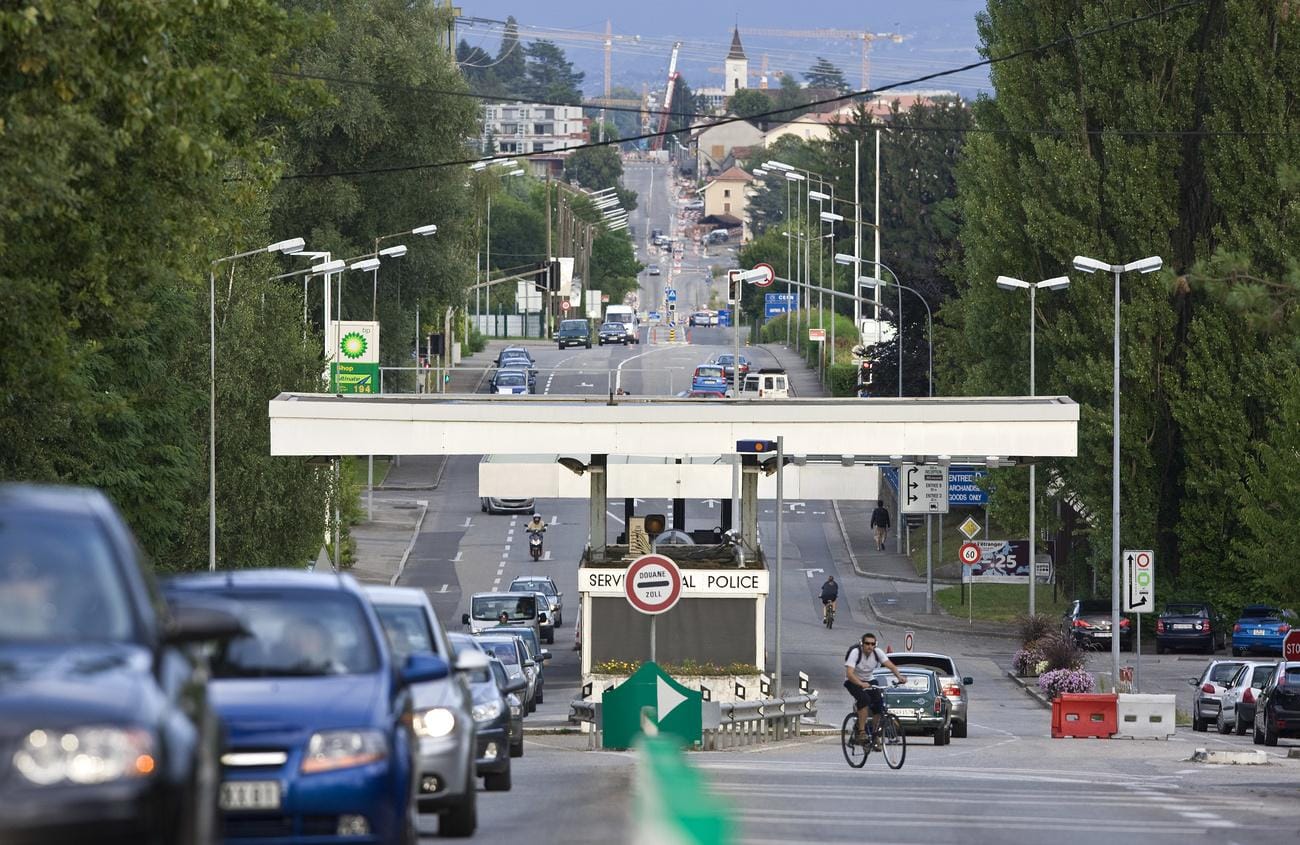
In response to these risks, Geneva will also tighten border controls during the summit period. Between June 12 and June 18, only seven of the canton’s 35 border crossings will remain open to regulate movement and strengthen security monitoring.

Authorities have cited lessons learned from the 2003 G8 summit in Evian, when protests led to significant damage on the Swiss side of the border.

The coordinated Swiss-French security strategy highlights the importance of cross-border cooperation during major international political events held in the Lake Geneva region.

Swiss Army Conducts Helicopter Shooting Training in France.

The Swiss Armed Forces has begun a specialised helicopter shooting exercise in France as part of efforts to strengthen defence capabilities and improve international military cooperation.

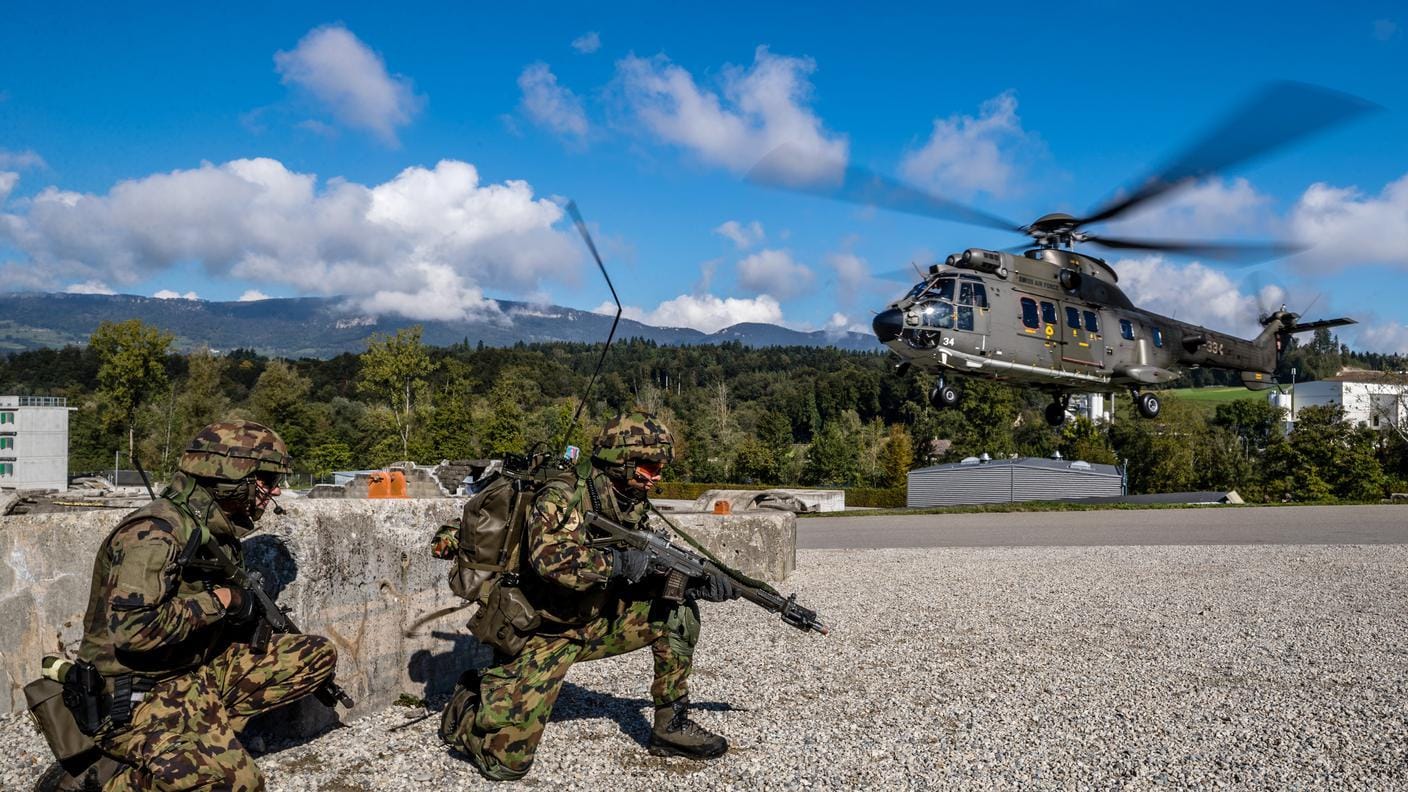
According to the Swiss Army, the training exercise is taking place from May 15 to May 22, 2026, in Solenzara, France. A Cougar military helicopter is being used for the operation, with soldiers practising live firing at moving targets while airborne.

The exercise focuses on improving operational procedures and tactical coordination during complex aerial combat situations. Shooting from helicopters is considered highly challenging because helicopters operate as unstable moving platforms while wind conditions continuously change during flight.

Military officials stated that the training follows strict safety regulations and can only be conducted in specially approved zones with clearly defined security areas. Due to Switzerland’s geographical limitations and restricted airspace, similar advanced exercises are difficult to organise within the country.

The Swiss government decided in 2024 to increase international military cooperation in order to modernise defence readiness and overcome domestic operational limitations. Training abroad allows Swiss forces to gain practical experience and learn from international defence partners.

The army also noted that these joint exercises improve interoperability between allied armed forces and help prepare soldiers for realistic operational environments. Defence experts say such international cooperation has become increasingly important as European nations focus more heavily on security and military preparedness.

The training exercise reflects Switzerland’s broader efforts to strengthen national defence capabilities amid changing geopolitical and security conditions across Europe.

Europe’s AI Defence Revolution Gains Momentum

European defence forces are rapidly accelerating the integration of artificial intelligence into military systems, marking a major shift from experimental use to operational deployment across the continent.

According to defence analysts speaking to Euronews, countries including Germany, France, Ukraine, and the United Kingdom are leading Europe’s push to integrate AI into modern warfare systems.

One of the most significant recent developments is the “Brave Germany” programme, launched by Germany and Ukraine, which aims to deploy approximately 5,000 joint AI-enabled medium-range strike drones. The initiative reflects growing collaboration between European states on advanced defence technologies.

Experts say Europe’s militaries have already used artificial intelligence for years in logistics, human resources, and equipment maintenance. However, recent developments show a shift toward integrating AI into core operational and tactical decision-making systems.

Stockholm International Peace Research Institute (SIPRI) researcher Laura Bruun explains that early military AI adoption began around 2015, when the technology became advanced enough to significantly improve operational efficiency.

She notes that even basic AI systems can optimise battlefield logistics and route planning, similar to navigation tools used in everyday applications.

Current AI defence investment in Europe is largely focused on two key areas: semi-autonomous weapon systems and AI-driven decision-support systems that assist commanders in real time.

Analysts say the rapid expansion of military AI raises strategic, ethical, and security questions as countries balance innovation with regulation and international law.

As AI integration deepens, Europe’s defence landscape is expected to continue evolving, with increased collaboration, competition, and investment shaping the next phase of military modernization.

France Demands Switzerland Reform Cross-Border Jobless Benefits System

France is increasing pressure on Switzerland to reform unemployment benefit rules for cross-border workers following a new agreement between Switzerland and the European Union.

French Labour Minister Jean-Pierre Farandou urged Switzerland to accelerate implementation of the revised system, which would shift responsibility for unemployment payments to the country where a person works rather than where they live.

Under the current arrangement, France pays unemployment benefits to many French residents employed in Switzerland after they lose their jobs.

French officials argue that this system creates a major financial burden for neighbouring countries with large numbers of cross-border commuters.

Speaking before the French parliament, Farandou stated that France currently loses around €860 million annually under the existing rules.

He noted that a timetable for implementation has already been agreed with Luxembourg and stressed that Switzerland must also comply with agreements linked to the European Union.

The reform proposal follows nearly a decade of negotiations between EU member states and aims to modernise rules affecting thousands of cross-border workers across Europe.

However, Swiss authorities have raised concerns about the financial impact of the changes.

According to estimates from the State Secretariat for Economic Affairs (SECO), Switzerland could face additional annual costs ranging between CHF600 million and CHF900 million if the new rules are implemented.

The issue is particularly significant for border regions where many residents commute daily between France and Switzerland for work.

Analysts say the debate could become an important topic in future Switzerland-EU relations and labour market negotiations.

The proposed reform highlights the growing economic and political challenges surrounding cross-border employment in Europe as governments seek fairer distribution of social welfare costs.