

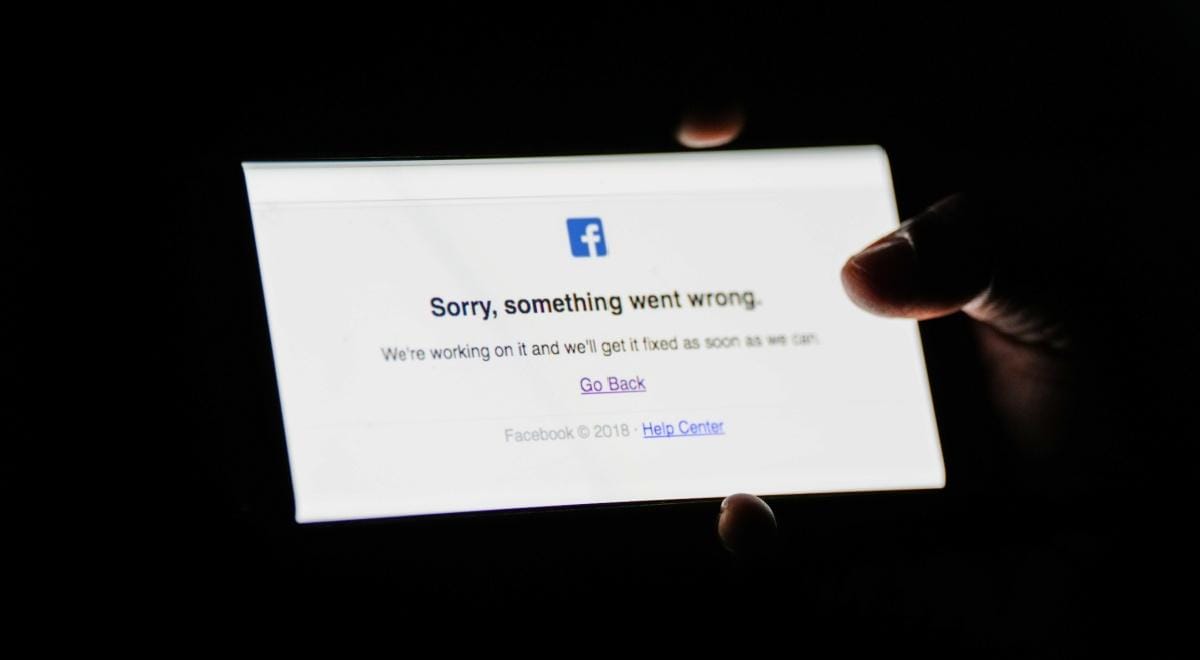
Facebook and Messenger Report Widespread Outage

Users across several regions have reported a widespread outage affecting Facebook and its messaging platform Messenger, leading to disruptions in communication and access to services.

The issue appears to have caused temporary inaccessibility of Facebook’s main platform, with many users unable to load their feeds or log in to their accounts. The disruption also extended to Messenger, where messages failed to send or load properly.

Reports of the outage quickly spread across social media, with users confirming similar problems from different parts of the world. The sudden interruption has raised concerns about the stability of Meta’s services, which are widely used for personal communication and business interactions.

Although the exact cause of the outage has not been officially confirmed, such disruptions are often linked to server issues, technical updates, or network failures within large-scale digital platforms.

Meta has not yet released a detailed statement regarding the incident, but engineers are expected to investigate the cause and restore full service as quickly as possible.

The outage highlights the heavy global reliance on social media platforms like Facebook and Messenger, which play a critical role in daily communication for billions of users worldwide.

Meta Legal Action Silences Facebook Whistleblower at Hay Festival.

Facebook whistleblower Sarah Wynn-Williams was unable to speak during a panel discussion at the Hay Festival after legal warnings linked to ongoing action by Meta, the parent company of Facebook and Instagram.

Wynn-Williams, who authored the bestselling memoir Careless People, was scheduled to appear in conversation with investigative journalist Carole Cadwalladr and academic Tim Wu. However, she remained silent on stage throughout the hour-long event, following legal advice that speaking could risk further sanctions.

Her book details allegations about her experience working at Facebook, including claims related to internal company culture, political influence, and concerns about the platform’s impact on young users. Meta has strongly disputed the claims made in the publication.

During the session, Wynn-Williams was physically present but unable to speak, respond, or even gesture, as she faced restrictions stemming from an emergency legal order obtained by Meta. The order reportedly prohibits her from publicly discussing certain aspects of her book and imposes significant financial penalties for breaches.

The unusual situation drew strong reactions from the audience and speakers. Carole Cadwalladr described the moment as unprecedented, while audience members later gave Wynn-Williams a standing ovation in a show of support.

Festival organisers also referred to the moment as an act of solidarity with someone they described as being silenced under legal pressure. The event has since sparked wider debate about free speech, corporate power, and the limits of legal action in restricting public discussion.

Meta has maintained that the legal measures are necessary and continues to challenge the claims made in the whistleblower’s book through legal channels. The case highlights ongoing tensions between large technology companies and former employees who publish critical accounts of their internal operations.

As discussions around tech accountability grow, the incident at the Hay Festival has become a focal point in the broader debate over transparency, whistleblower protections, and freedom of expression in the digital age.

WhatsApp Tests “Read-Once” Message Feature.

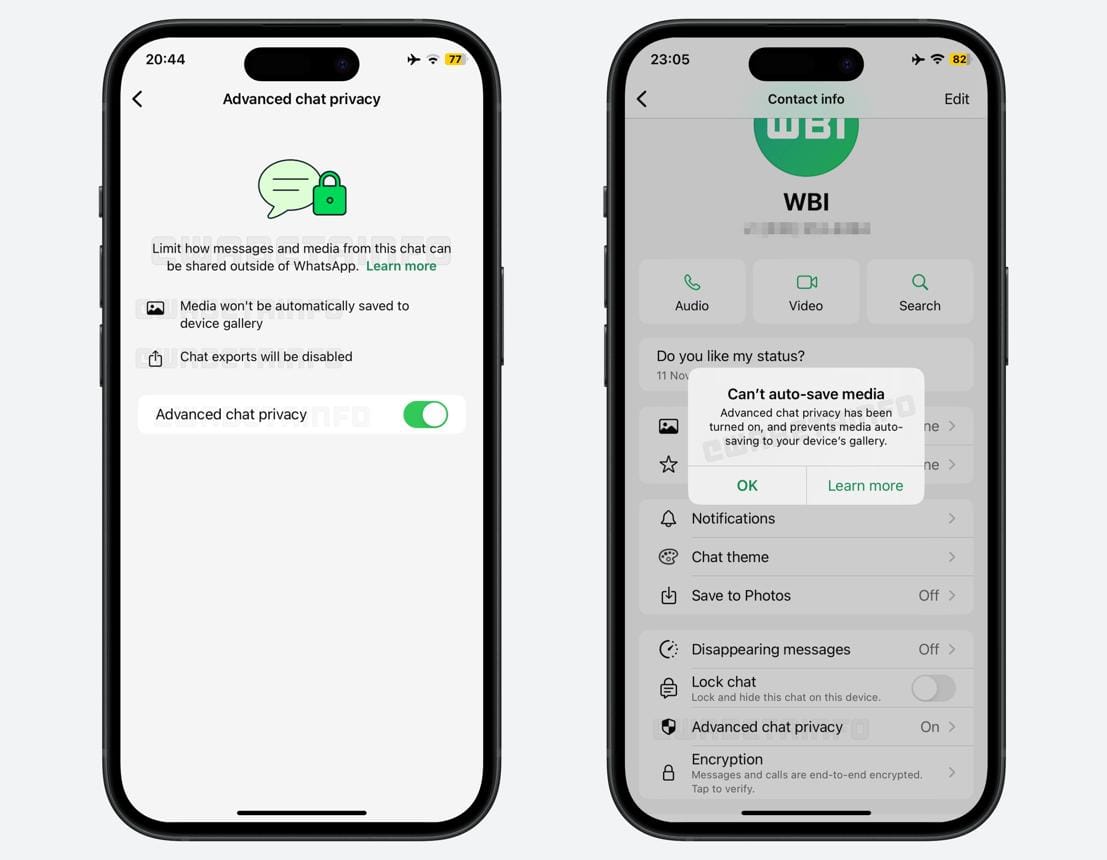
WhatsApp is testing a new privacy-focused feature in its iOS beta version that allows messages to automatically disappear once they are read by the recipient.

This new “After Reading” option expands on the platform’s existing “Disappearing Messages” feature, which previously allowed users to set messages to delete after fixed time periods such as 24 hours, 7 days, or 90 days.

With the new update, users will be able to choose a more immediate privacy option where messages are automatically deleted after being opened, providing stronger control over sensitive conversations.

The feature is designed to enhance user privacy and reduce the risk of message storage or unintended sharing. It is especially useful for sharing confidential or time-sensitive information.

In addition to this, WhatsApp is also introducing “Custom Timers,” allowing users to set personalized message deletion periods such as 1 hour, 6 hours, or 2 days, depending on their preference.

Currently, these features are available only to selected iOS beta testers. However, the company is expected to roll them out gradually to Android users and eventually to the wider public in future updates.

Meta Platforms continues to focus on improving privacy and security across its messaging ecosystem, with more advanced message control tools expected in upcoming releases.