


RUAG Pays Ransom After Cyberattack.

Swiss defence company RUAG has confirmed that it paid a ransom to hackers following a cyberattack on its US subsidiary. The incident has sparked debate about cybersecurity strategies and the risks of negotiating with cybercriminals.

According to RUAG Board Chairman Jürg Rötheli, the company paid what he described as a “small amount” after the hacker group Akira infiltrated systems at the company’s US subsidiary in late 2025. The hackers reportedly stole sensitive data and threatened to publish it unless their demands were met.

Rötheli stated that the payment enabled the company to recover all of the stolen data. However, he declined to reveal the exact amount that was transferred to the cybercriminals.

The decision has attracted attention because it goes against the recommendations of Switzerland’s Federal Office for Cybersecurity (FOCBS). The agency generally advises organizations not to pay ransom demands, arguing that such payments can encourage further cyberattacks and help finance criminal operations.

Cybersecurity experts frequently warn that paying hackers does not guarantee long-term protection and may make organizations more attractive targets in the future. Nevertheless, some companies choose to pay when they believe critical business operations or sensitive information are at risk.

The attack on RUAG highlights the growing threat posed by ransomware groups, which increasingly target government agencies, defence contractors, and major corporations worldwide. These cybercriminal networks often use stolen data as leverage to pressure victims into making payments.

As cyber threats continue to evolve, the case is expected to fuel discussions in Switzerland about cybersecurity preparedness, risk management, and the appropriate response to ransomware attacks. The incident also underscores the importance of strengthening digital defences across critical industries and national security sectors.
Pollution Delays Swiss Munitions Dump Cleanup.

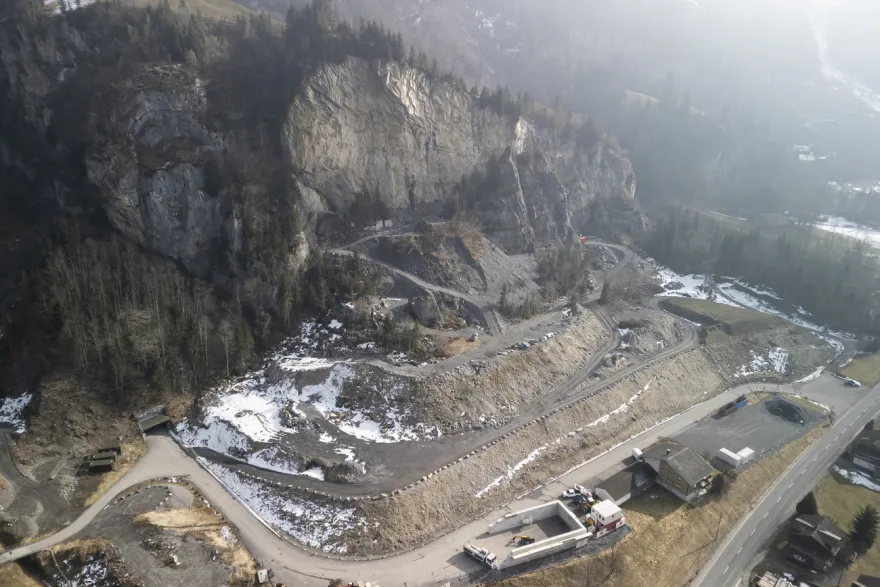
Switzerland has delayed the cleanup of the historic Mitholz munitions depot after investigators discovered far more contaminated material than expected. The revised timeline now extends the massive environmental and safety project until 2047, two years later than previously planned.

The ammunition depot, located in the Bernese Oberland region, became the site of a deadly disaster on December 19, 1947, when part of the 7,000 tonnes of stored munitions and explosives exploded. The blast killed nine people and scattered hazardous material across the surrounding area. For decades, authorities believed the site posed little danger until a reassessment in 2018 prompted the federal government to launch a full-scale cleanup operation.

Engineers and environmental specialists have since uncovered significant levels of contamination throughout the area. Investigations revealed that large amounts of polluted material remain buried beneath mudslide deposits and avalanche protection structures. Experts estimate that around 350,000 cubic metres of heavily contaminated debris are located within the affected zone.

The scale of the contamination has increased the complexity of the project. Some excavated material can be reused, but heavily polluted waste requires specialized treatment and disposal. Authorities also warn that hidden contaminants may still exist beneath rock crevices and deep underground fissures near the former ammunition depot.

Residents living near Mitholz will be required to temporarily leave their homes by the end of 2032. The evacuation is expected to last approximately ten years while cleanup and safety operations continue. Despite the contamination, officials report that no pollutants have been detected in local water sources. Agricultural land and grazing areas outside the affected zones remain safe for continued use.

Project leaders have also reported a positive development. New assessments indicate that the risk of a major explosion is lower than previously estimated. As a result, Switzerland’s defence authorities can reduce the scale of planned protective infrastructure near a railway line, saving approximately CHF8 million. However, the overall cleanup project remains one of Switzerland’s most expensive environmental and safety operations, with total costs estimated at around CHF2.5 billion.

The Mitholz cleanup highlights Switzerland’s commitment to addressing historical environmental hazards while protecting local communities and preserving public safety for future generations.