

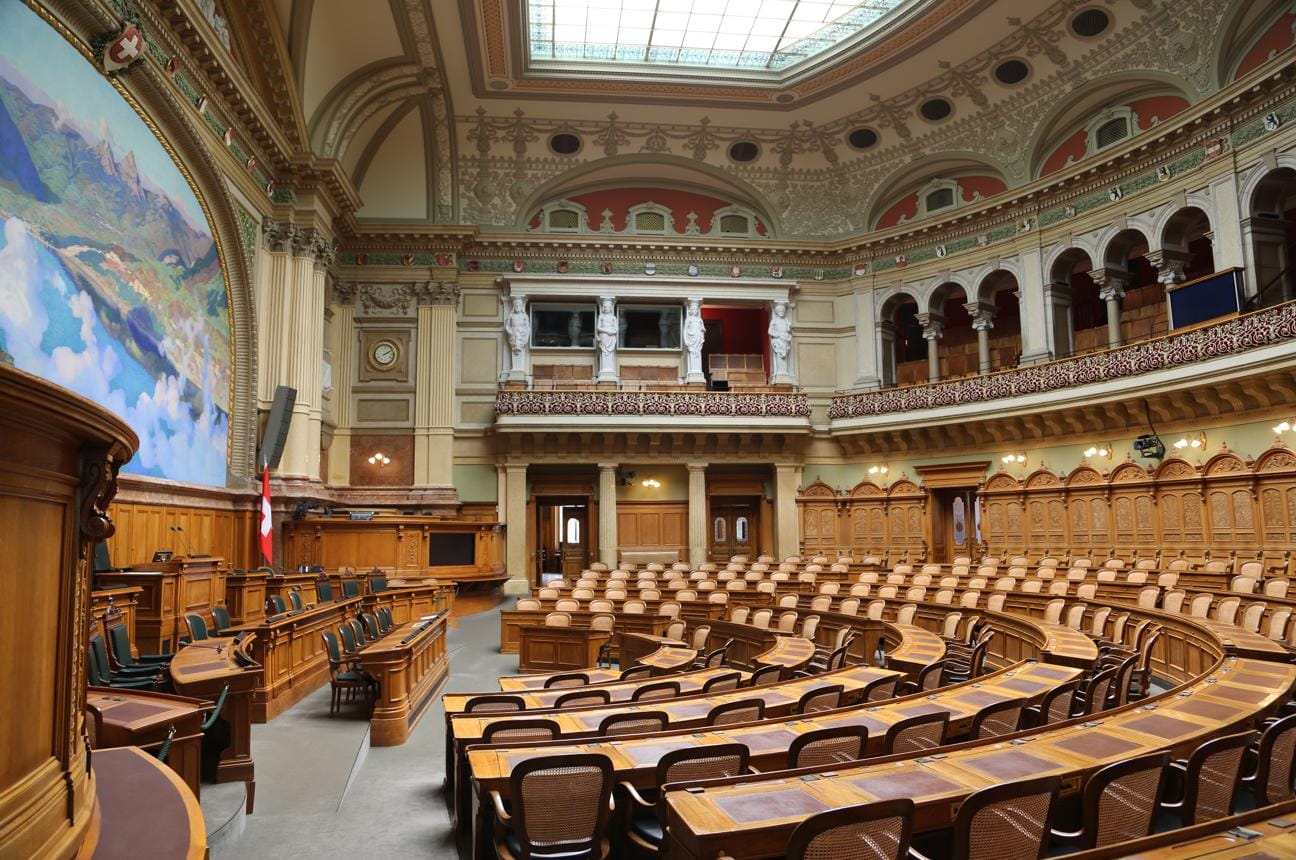

Geneva Approves Religious Symbol Ban for Lawmakers
oters in Geneva have approved a constitutional amendment that prohibits cantonal and municipal lawmakers from wearing visible religious symbols during parliamentary sessions. The proposal passed with 51.37% support, while voter turnout reached 51.47%.
Supporters of the measure argued that elected representatives should uphold political neutrality and strengthen the principle of secularism within public institutions. Right-leaning political parties, including the Swiss People’s Party, Radical-Liberals, and the Centre Party, backed the proposal and promoted it as a way to reinforce the separation of religion and politics.
However, the decision has generated significant controversy across Switzerland. Left-wing parties and civil rights groups criticized the ban, claiming it restricts individual freedoms and limits political representation. Opponents argue that lawmakers represent the diversity of society and should not be prevented from expressing their religious identity.
The new rule applies to all visible religious symbols, including headscarves, kippahs, crosses, and other faith-related items. While supporters insist the law treats all religions equally, critics believe it could disproportionately affect Muslim women and other religious minorities.
Legal challenges have already been filed against the amendment. Several organizations argue that the ban conflicts with fundamental constitutional rights and may face further judicial review in the coming months.
The debate highlights Switzerland’s ongoing discussion about secularism, religious freedom, and political representation. The final impact of the new constitutional provision will depend on future court decisions and its implementation within Geneva’s political institutions.