
Important Guide for Buying or Building a House in Switzerland
Buying or building a home in Switzerland involves strict financial planning and several legal and banking procedures. Residents often use a combination of savings, pension funds, and bank mortgages to secure property ownership.
Pension fund usage for home purchase
In Switzerland, individuals can often use up to 10% of their pension savings (Pillar 2) for buying a home. If the remaining amount is insufficient, buyers may need to arrange additional financing through banks or private loans. Some people also use additional pension withdrawals depending on eligibility and financial structure.
Mortgage repayment and insurance options
Homebuyers in Switzerland are usually required to repay mortgage interest rather than fully paying off the loan immediately. Many borrowers also take life insurance policies and assign them to the bank as security. This can provide additional benefits such as potential tax advantages and financial protection for the family.
Buying vs building a home
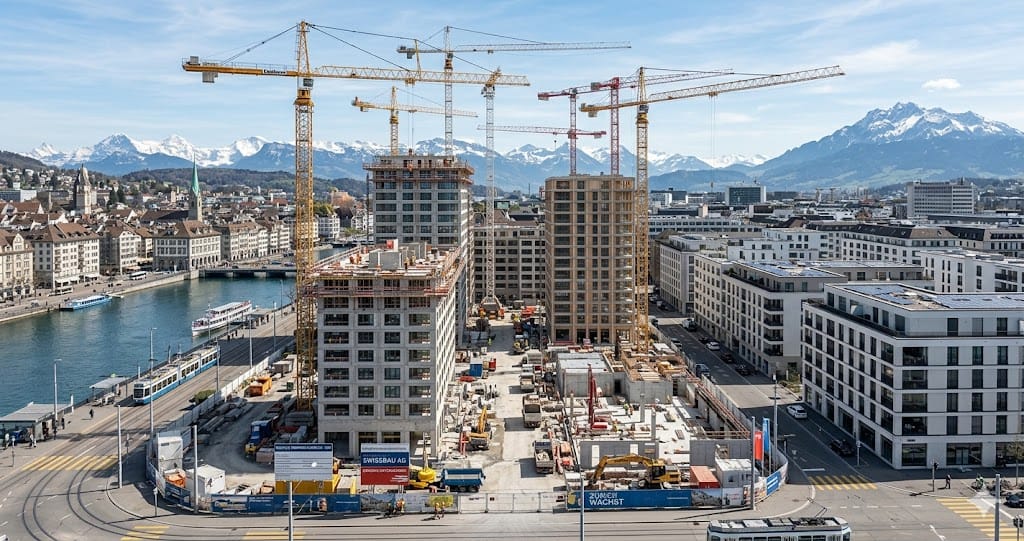
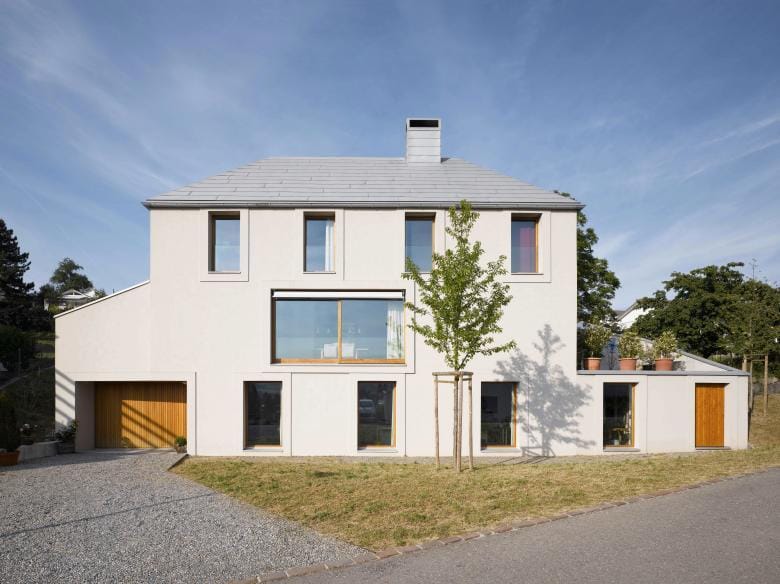
Experts often suggest that buying an already constructed home is safer than building a new one. This is because construction projects can face delays, cost overruns, and regulatory challenges. Ready-built homes reduce such risks and provide faster occupancy.
Age-based mortgage planning
For individuals above 50 years of age, a 10-year mortgage contract is often considered more practical. Shorter loan terms help reduce long-term financial risk and ensure that repayment aligns better with retirement planning.
Overall, the Swiss housing system offers flexibility but requires careful financial planning. Pension funds, insurance structures, and mortgage terms all play an important role in determining affordability and long-term stability for homeowners.